
Flowers
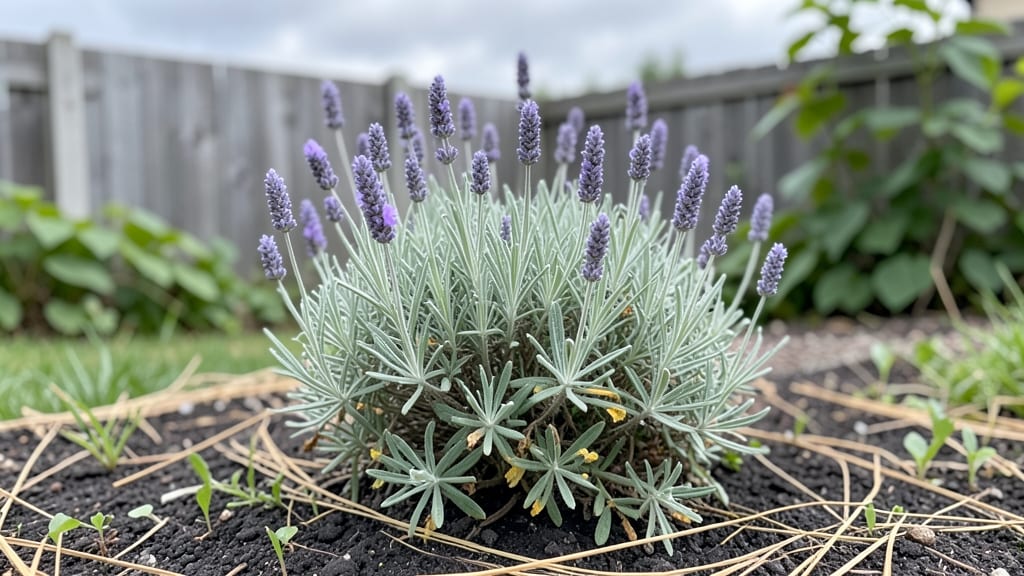
My garden used to be a sneeze factory—until I discovered non-allergic flowers that bloom without triggering pollen storms. These hypoallergenic varieties let me enjoy vibrant blooms year-round without the itchy aftermath, and they’ve transformed my outdoor space into a peaceful retreat.
The secret lies in choosing flowers that produce little to no pollen or have heavy, less airborne blooms—like snapdragons, sunflowers, and dusty miller—while avoiding common offenders like ragweed and goldenrod.
What makes these flowers work isn’t just their pollen profile but how they fit into your garden. Plant them in well-drained soil with morning sun and afternoon shade to maximize their resilience, and pair them with ground covers like creeping thyme to suppress weeds and reduce pollen spread.
A 5-gallon container works for small spaces, while larger beds can accommodate 3-5 plants per square foot for a lush, low-allergen display.
You’ll notice the difference immediately—no more watery eyes while strolling through your garden, just fragrant, pollen-free blooms that attract bees and butterflies without the chaos. The right placement near patios or seating areas means you can enjoy the outdoors without the aftermath.
These flowers thrive with minimal fuss, needing only regular watering and occasional deadheading to keep them flowering.
Adapt this approach to any climate—coastal gardens benefit from salt-tolerant varieties like lavender, while desert landscapes shine with drought-resistant options like gaillardia. Whether you’re redesigning a full yard or adding a single planter, these blooms deliver beauty without the allergy battle. Let’s get your garden blooming safely.
📚 In This Guide
- What you need
- Instructions
- Tips and common mistakes
- Wrapping up and next steps
What you need
- ● Hypoallergenic flower seeds or seedlings (e.g., Snapdragons, Sunflowers, Marigolds, Zinnias, or Lavender—check for pollen-free varieties). (10–20 plants, depending on garden size)
- ● Well-draining potting soil (2–3 bags, ~1 cubic foot each). Look for organic, chemical-free mixes.
- ● Containers or garden beds: For containers: 5–10-gallon pots (with drainage holes) or raised garden beds (4’x8’ or larger).
- ● For in-ground planting: Loose, fertile soil (amend with compost if needed).
- ● Organic fertilizer (balanced 10-10-10 or slow-release granules). (1–2 lbs per 10 sq ft)
- ● Watering can or hose with a gentle spray nozzle (for even moisture).
- ● Pruning shears (for trimming dead blooms and shaping plants).
- ● Mulch (straw or shredded bark) to retain moisture and suppress weeds.
- ● Garden gloves (to protect hands while handling soil or thorny plants like roses).
- ● pH test kit (to ensure soil is slightly acidic to neutral, ideal for most hypoallergenic flowers).
- ● Drip irrigation system (for automated, efficient watering).
- ● Pollinator-friendly companion plants (e.g., Basil, Mint, or Thyme) to deter pests naturally.
How to design a hypoallergenic flower garden
Here's how to create a bloom-filled space that welcomes pollinators without triggering sniffles or itchy eyes.
Select Certified Hypoallergenic Flower Varieties
Focus on plants that produce minimal pollen or have enclosed flowers that don't release airborne particles. Good choices include black-eyed Susan, marigold, sunflower, zinnia, and geranium. I avoid daisies, chrysanthemums, and ragweed relatives—they're notorious pollen producers. Check with your local extension office for regional recommendations, as some plants behave differently based on climate.
Look for varieties labeled "double blooms" or "spray-type flowers"—these produce less pollen than single, open-faced varieties. For example, double-flowered zinnias release about 70% less pollen than their single-flowered counterparts. Always buy from reputable nurseries that specialize in non-allergenic plants to ensure you're getting what you're promised.
Plan Your Garden Layout for Minimal Pollen Spread
Design your garden with wind direction in mind. Place pollen-heavy plants (even if hypoallergenic) on the leeward side of your property, away from seating areas and walkways. I create a 3-foot buffer zone between allergen-friendly plants and high-traffic areas using ground covers like creeping thyme or clover, which suppress weeds that might harbor pollen.
Group plants by type to create defined blooming zones. This makes maintenance easier and prevents pollen from mixing between varieties. For example, place all your sunflowers together in one section and marigolds in another. Use gravel paths between sections to contain pollen and make cleaning up fallen petals simple. Avoid mulching with shredded bark—it can trap pollen and release it back into the air when disturbed.
Prepare Soil for Pollen-Resistant Growth
Test your soil's pH and amend it to create optimal growing conditions for your selected plants. Most hypoallergenic flowers thrive in slightly acidic to neutral soil (pH 6.0-7.0). I add composted leaf mold to improve drainage and organic matter content, which helps plants develop stronger root systems that can better resist stress and disease—both of which can increase pollen production.
Incorporate mycorrhizal fungi into the soil to enhance nutrient uptake and reduce the need for chemical fertilizers. These beneficial fungi form symbiotic relationships with plant roots, helping them access water and nutrients more efficiently. This leads to healthier plants that produce fewer stress-related pollen particles. Avoid synthetic fertilizers, as they can sometimes increase pollen production in some plant species.
Plant and Establish Your Hypoallergenic Garden
Plant your flowers according to their specific spacing requirements, usually listed on the plant tags. For example, marigolds need 12-18 inches apart, while zinnias can be spaced 8-12 inches apart. I always plant in the early morning or on an overcast day to reduce stress on the plants. Water deeply at planting to settle the soil around roots and encourage strong initial growth.
Mulch with straw or pine needles instead of wood chips to prevent pollen from becoming airborne when you work in the garden. Keep the mulch layer 2-3 inches thick to suppress weeds and retain moisture without creating a pollen trap. Water at the base of plants in the early morning to allow foliage to dry completely before evening, which helps prevent fungal diseases that can stress plants and increase pollen production.
Maintain Your Garden for Continuous Low-Pollen Blooms
Deadhead spent blooms regularly to encourage continuous flowering and prevent the formation of seed heads, which can produce additional pollen. I use clean, sharp pruners to make cuts just above a set of healthy leaves. This practice also improves air circulation within the plant, reducing humidity levels that can promote fungal growth.
Monitor your garden weekly for signs of stress, such as yellowing leaves or stunted growth. These can indicate underlying issues that might increase pollen production. I've found that a balanced liquid fertilizer applied every 4-6 weeks during the growing season keeps plants vigorous without overstimulating pollen production. Always water before fertilizing to prevent root burn, which can weaken plants and make them more susceptible to pollen-related stress.
Tips & tricks for perfect hypoallergenic flower gardens
Creating a garden that thrives without triggering allergies requires attention to detail—and these insights will help you avoid common pitfalls while maximizing beauty and safety.
Plant Selection Strategy: When choosing between black-eyed Susans, marigolds, or zinnias in Step 1, prioritize double-bloom varieties whenever possible. These flowers have tightly packed petals that produce significantly less airborne pollen than their single-bloom counterparts. For example, double-flowered zinnias release about 70% less pollen, making them an excellent choice for allergy sufferers. I always verify with local nurseries that specialize in hypoallergenic plants to ensure I'm getting what's advertised—some "allergy-friendly" labels can be misleading.
Wind Direction Mastery: In Step 2, when planning your garden layout, take time to observe your property's prevailing wind patterns. The leeward side (downwind) is the safest location for even your hypoallergenic plants, as it naturally carries pollen away from seating areas. I've found that creating a 3-foot buffer zone with low-growing ground covers like creeping thyme acts as an additional pollen barrier while adding visual interest. This simple adjustment can make a noticeable difference in pollen spread during high-wind days.
Soil Preparation Secret: The soil preparation in Step 3 deserves special attention—particularly the pH adjustment to 6.0-7.0. I've discovered that adding composted leaf mold not only improves drainage but also introduces beneficial microbes that help plants develop stronger root systems. These robust roots are better equipped to handle environmental stresses, which can otherwise trigger increased pollen production. For an extra boost, incorporate mycorrhizal fungi into your soil mix—they form symbiotic relationships with plant roots, enhancing nutrient uptake without the need for synthetic fertilizers that might stimulate pollen production.
Maintenance Timing: In Step 5, when deadheading spent blooms, I recommend using clean, sharp pruners and making cuts just above a set of healthy leaves. This practice serves a dual purpose: it encourages continuous flowering and improves air circulation within the plant. The improved airflow helps prevent fungal diseases that can stress plants and potentially increase pollen production. I've also found that applying a balanced liquid fertilizer every 4-6 weeks during the growing season maintains plant vigor without overstimulating pollen production—just be sure to water thoroughly before fertilizing to prevent root burn.
Pro Tips for Non Allergic Flowers
- Creating a garden that thrives without triggering allergies requires attention to detail—and these insights will help you avoid common pitfalls while maximizing beauty and safety.
- Plant Selection Strategy: When choosing between black-eyed Susans, marigolds, or zinnias in Step 1, prioritize double-bloom varieties whenever possible.
- Wind Direction Mastery: In Step 2, when planning your garden layout, take time to observe your property's prevailing wind patterns.
Frequently asked questions
Got questions about growing or enjoying non-allergic flowers? You’re not alone! Here are some of the most common queries—plus clear, easy answers to help you bloom worry-free.
What are the best non-allergic flowers for beginners?
Start with low-pollen or hypoallergenic varieties like sunflowers, snapsdragons, or marigolds. These produce minimal pollen and are gentle on sensitive noses. Orchids and African violets are also great indoor picks—they thrive without triggering allergies!
How long does it take for non-allergic flowers to grow?
Timing varies by plant! Annuals (like zinnias) may bloom in 6–8 weeks, while perennials (e.g., lavender) take 1–2 seasons to establish. Check seed packets or plant tags for species-specific estimates—patience pays off with allergy-friendly beauty!
Can I grow non-allergic flowers indoors?
Opt for low-light lovers like peace lilies or spider plants, which purify air and avoid pollen. For sun-seekers, place bromeliads or succulents near bright windows. Just ensure proper drainage—root rot is the real enemy, not pollen!
What should I do if my non-allergic flowers still cause reactions?
Even hypoallergenic blooms can occasionally trigger sensitivities. Wear gloves when handling plants, water them regularly to reduce dust, and keep them pruned. If symptoms persist, test a small patch first or consult an allergist—your garden (and sinuses) will thank you!
Are there non-allergic flowers that also repel pests?
Yes! Marigolds (deter pests and have low pollen) and geraniums (natural bug repellents) are dual-purpose winners. Lavender also keeps mosquitoes at bay while adding a calming scent. It’s a win-win for allergies and garden health!
Wrapping up and next steps
Transforming your garden into a hypoallergenic paradise is easier than you think! With the right non-allergic flowers—like sunflowers, snapdragons, or lavender—you can enjoy vibrant blooms without the sneezes. These beauties aren’t just safe; they’re low-maintenance, pollinator-friendly, and packed with charm.
Ready to dive in? Start small—pick one or two varieties, experiment with arrangements, and watch your garden (and allergies) thrive! 🌸 For extra inspiration, explore local nurseries or online seed guides to expand your hypoallergenic lineup.