Flowers
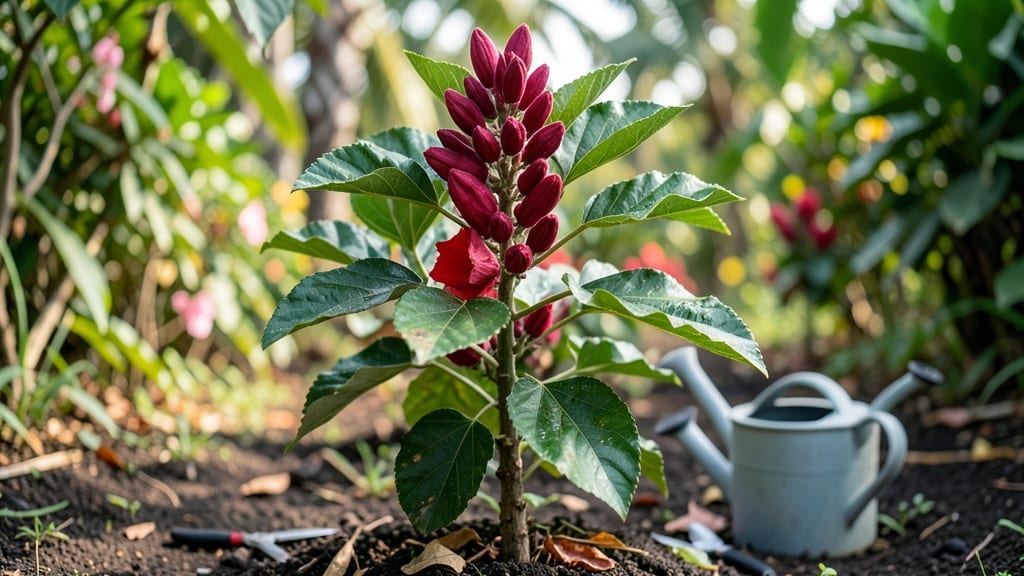
The hibiscus sabdariffa flower—dramatic, edible, and bursting with color—is like a tropical treasure you can grow right in your backyard. 🌺 I’ve cultivated this striking plant for years, and its bold red blooms (and calyces perfect for tea) prove you don’t need a greenhouse. to grow something extraordinary.
The key? Containers that mimic its natural love of warmth and moisture, even if you’re not in a true subtropical zone.
This hibiscus thrives in well-draining potting mix with a touch of compost, and it demands full sun for at least 6 hours daily. Start with seeds (soak them overnight for faster germination) or propagate from cuttings—both methods work, but cuttings give you a head start on blooms.
Water consistently, letting the top inch dry between soakings, and expect vibrant flowers by midsummer if you’re in zones 9–11.
What you’ll love most is how versatile this plant is: stunning in containers, edible in teas or stews, and drought-tolerant once established. The calyces (the red, fleshy parts) steep into tart, cranberry-like tea, while the flowers add a pop of color to any arrangement.
Prune lightly after blooming to encourage bushier growth, and watch it rebound with even more flowers next season.
Even in cooler climates, you can grow it as an annual or overwinter it indoors near a sunny window. The trick is keeping it warm—below 50°F and it’ll sulk.
But with the right care, you’ll have a plant that’s as rewarding to harvest as it is to admire. Ready to grow yours?
📚 In This Guide
- What you need
- Instructions
- Tips and common mistakes
- Wrapping up and next steps
What you need
- ● Hibiscus sabdariffa seeds or cuttings: 3–5 (ensure they’re fresh for best germination rates).
- ● Large containers (12–18 inches in diameter): At least 2–3 pots with drainage holes (terracotta or fabric pots work best).
- ● Well-draining potting mix: 5–10 gallons (use a blend of cactus/succulent mix + perlite/vermiculite for aeration).
- ○ Slow-release fertilizer (optional but recommended): 1–2 cups of balanced 10-10-10 or organic compost per pot.
- ● Watering can with a fine rose: 1 (to avoid disturbing soil).
- ● Mulch (straw or coconut coir): 1–2 inches (to retain moisture).
- ● Pruning shears: 1 pair (for trimming dead leaves/stems).
- ○ Gloves (optional): 1 pair (to protect hands from thorns).
- ● Sunlight access: 6+ hours of direct sunlight daily (south-facing window or grow lights).
- ○ Humidity tray (optional): 1 (if your climate is dry).
- ○ pH testing kit (optional): 1 (ideal soil pH: 5.5–6.5).
Step-by-Step instructions for growing hibiscus sabdariffa in containers
Here's how to cultivate this striking tropical plant with vibrant blooms and edible calyces.
🪴 Step 1: Select the Right Container and Soil Mix
Choose a container at least 12 inches deep with drainage holes—hibiscus sabdariffa has deep roots and hates soggy conditions. I recommend terra cotta pots because they breathe and help prevent root rot. The soil needs to be well-draining yet moisture-retentive, so I blend equal parts potting mix and perlite for the perfect balance.
Fill the container to within 2 inches of the rim with your mix. Tap the pot gently to settle the soil without compacting it. The goal is a loose, airy medium that mimics the plant's native tropical environment. A 5-gallon pot will comfortably support one mature plant, giving it room to establish its extensive root system.
☀️ Step 2: Position for Maximum Sunlight and Warmth
Hibiscus sabdariffa demands full sun exposure—6 to 8 hours daily—to produce its signature vibrant blooms. Place your container in the sunniest spot available, ideally on a patio or balcony where it can receive morning sun and afternoon warmth. If you're in a hot climate, provide afternoon shade to prevent leaf scorch, which appears as crispy brown edges.
This plant thrives in temperatures between 70-85°F. If you're growing in a cooler zone, wait until all danger of frost has passed before planting outdoors. I've found that even a slight dip below 50°F can stunt growth, so be prepared to move containers indoors during unexpected cold snaps.
💧 Step 3: Water Deeply and Maintain Consistent Moisture
Water your hibiscus sabdariffa when the top 2 inches of soil feel dry to the touch. This plant loves moisture but despises waterlogged roots. I water deeply until it drains from the bottom, then empty the saucer to prevent root rot. During the growing season, you'll likely need to water every 2-3 days, but adjust based on your climate and container size.
Mulch the soil surface with 1 inch of organic mulch to retain moisture and regulate soil temperature. This helps reduce watering frequency and keeps roots consistently hydrated. You'll notice the plant's large, glossy leaves stay vibrant and turgid—a clear sign it's getting the right amount of water.
🌿 Step 4: Fertilize Regularly for Lush Growth and Blooms
Feed your hibiscus sabdariffa with a balanced liquid fertilizer (10-10-10) every 2 weeks during the growing season. This encourages robust foliage and abundant blooms. I dilute the fertilizer to half-strength to avoid burning the roots, which are sensitive to high salt concentrations. Reduce feeding in late summer to prepare the plant for dormancy.
Look for signs of nutrient deficiency, like yellowing leaves or sparse blooms. If you notice these, switch to a fertilizer higher in phosphorus to promote flowering. The plant will reward you with striking red, orange, or yellow blooms that last throughout the growing season.
✂️ Step 5: Prune and Harvest for Continuous Blooms
Prune your hibiscus sabdariffa in early spring to encourage bushier growth. Cut back leggy stems by one-third and remove any dead or damaged branches. This stimulates new growth and ensures a compact, well-shaped plant. Regular pruning also improves air circulation, reducing the risk of fungal diseases.
Harvest the calyces—the edible flower buds—when they're fully formed but still firm, typically 4-6 weeks after flowering. Use clean scissors to cut the calyces from the stem. You can use them fresh in teas, jams, or savory dishes. After harvesting, give the plant a light pinch of fertilizer to encourage another round of blooms.
Tips & tricks for growing hibiscus sabdariffa in containers
Here's what I've learned after nurturing these tropical beauties to full, blooming glory—tricks that'll help you avoid common pitfalls and get the most vibrant, productive plants possible.
The Container Depth Matters: That 12-inch minimum depth in Step 1 isn't arbitrary—hibiscus sabdariffa develops deep taproots that need space to establish. If you're using a larger container, add extra perlite to the bottom third to improve drainage while maintaining that airy, moisture-retentive mix. I've seen plants struggle in shallower pots where roots become root-bound before they can access nutrients properly.
Sunlight Strategy for Different Climates: The 6-8 hours of full sun in Step 2 works perfectly in moderate climates, but here's the adjustment: In hotter zones (above 90°F), move your container to morning sun only and provide afternoon shade to prevent leaf scorch. In cooler areas, supplement with a grow light for 2-3 hours daily if natural sunlight falls short—your plant will thank you with more abundant blooms.
Watering Wisdom Beyond the Basics: While the instructions mention watering every 2-3 days, here's the secret: Check moisture at the 2-inch depth by inserting your finger. If it's dry, water thoroughly until it drains from the bottom. The key is consistency—never let the soil dry out completely between waterings, but never let it sit soggy. I've found that adding a moisture meter to your gardening toolkit makes this much easier to judge accurately.
Fertilizer Timing and Transition: The 2-week feeding schedule in Step 4 works beautifully, but here's how to transition seasons smoothly: Start reducing fertilizer applications in late summer (around August) by half, then completely stop by September. This prepares the plant for its natural dormancy period. In spring, resume feeding when you see new growth emerge—this timing helps prevent fertilizer burn during the plant's active growth phase.
Pro Tips for Hibiscus Sabdariffa Flower
- Here's what I've learned after nurturing these tropical beauties to full, blooming glory—tricks that'll help you avoi...
- The Container Depth Matters: That 12-inch minimum depth in Step 1 isn't arbitrary—hibiscus sabdariffa develops deep t...
- Sunlight Strategy for Different Climates: The 6-8 hours of full sun in Step 2 works perfectly in moderate climates, b...
Frequently asked questions
Got questions about growing Hibiscus sabdariffa?
You’re not alone! Here are answers to the most common queries—from beginners to seasoned gardeners—to help your tropical beauty thrive.
How long does it take for Hibiscus sabdariffa to flower?
With patience and the right care, Hibiscus sabdariffa can start blooming as early as 3–4 months after planting from seed. However, if you’re growing from cuttings or a young plant, expect flowers in 6–12 months, depending on warmth, sunlight, and soil conditions. Pro tip: Prune lightly in early spring to encourage bushier growth and more blooms!
Can Hibiscus sabdariffa survive winter in containers?
This tropical plant is not frost-hardy—temperatures below 30°F (-1°C) will damage or kill it. If you live in a cold climate, move potted plants indoors near a sunny window or into a garage (but avoid freezing temps). Alternatively, dig up the plant, trim it back, and replant in spring. Pro tip: Mulch the soil well before winter to insulate roots!
Why aren’t my Hibiscus sabdariffa flowers opening?
Bud drop or closed flowers often signal stress—check these common culprits:
- Too little sunlight: Needs 6+ hours of direct sun daily (partial shade in extreme heat).
- Over/underwatering: Soil should stay evenly moist but well-drained. Wilting or yellow leaves = adjust watering!
- Nutrient deficiency: Feed with a balanced fertilizer (10-10-10) every 4–6 weeks during growing season.
- Temperature shock: Avoid drafts or sudden cold snaps.
What’s the best container size for Hibiscus sabdariffa?
Start with a 5-gallon pot for young plants, then upgrade to 10–15 gallons as they mature. Hibiscus sabdariffa has deep roots, so deeper (not just wider) containers prevent root-bound stress. Ensure pots have drainage holes to avoid soggy soil. Pro tip: Use lightweight, fast-draining mixes like cactus soil amended with perlite!
Are there edible alternatives if my flowers aren’t producing?
While Hibiscus sabdariffa flowers are edible (used in teas and sauces), you can still enjoy similar benefits from other plants! Try:
- Roselle (Hibiscus sabdariffa leaves): Young leaves are nutritious—blanch and use in soups or salads.
- Other hibiscus varieties: Hibiscus rosa-sinensis (Chinese hibiscus) has edible flowers too!
- Substitutes for tea: Hibiscus tea blends often include rose hips, lemon verbena, or dried berries for tartness.
Wrapping up and next steps
Growing Hibiscus sabdariffa is a rewarding journey that brings vibrant color and tropical charm to your space—even in containers! 🌺 With the right soil, sunlight, and care, you’ll enjoy its stunning blooms and edible calyces for years.
Whether you’re a beginner or a seasoned gardener, this resilient plant proves that beauty thrives with patience and a little know-how.
Ready to dive in? Start by gathering your supplies, then pick a sunny spot and get planting—your hibiscus garden awaits! Happy growing! 🌱