
Flowers
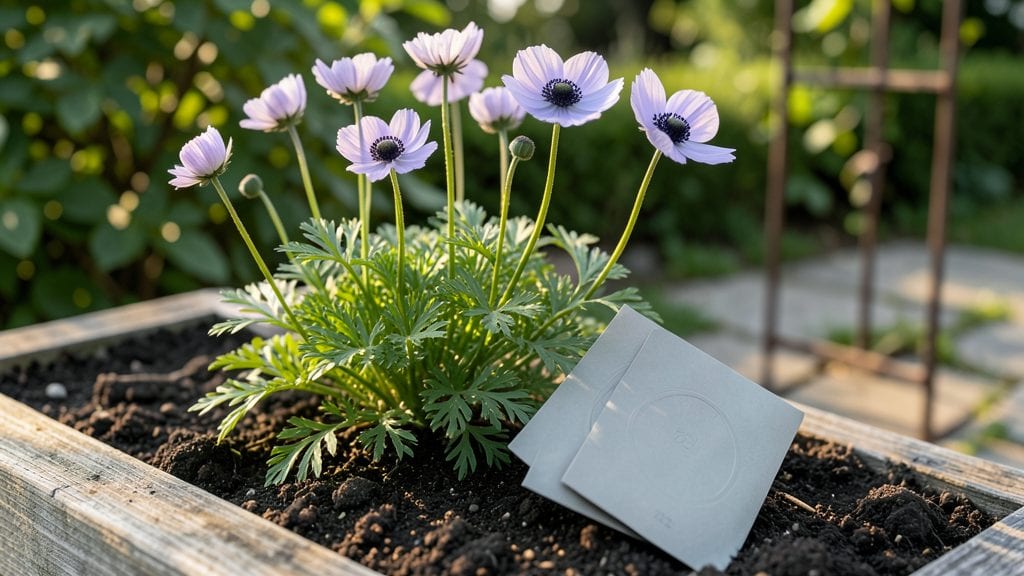
Growing anemone flower seeds from scratch in the Pacific Northwest means frost-resistant blooms in just 60 days—and I’ve cracked the code after years of trial and error with finicky seedlings. The key?
Starting them indoors in early spring when soil temps are still cool, then rushing them outside before summer heat sets in. Those delicate, wind-blown blooms you love so much won’t wait forever, and neither should you.
You’ll need a sunny windowsill or grow light, a seed-starting mix that drains like a sieve, and patience for the slow germination—sometimes it takes three weeks before those first green spears push through. Anemones hate being moved, so use small pots and handle them like glass ornaments.
The payoff? Plants that shrug off late frosts and reward you with months of blooms from early summer through fall.
Once those seedlings hit 3 inches tall, they’re ready for their big move—harden them off over a week, then plant them in well-drained soil where they’ll get at least six hours of sun.
Mulch heavily to protect roots, and watch for slugs (they adore young anemones). With the right timing, you’ll have bold, cup-shaped blooms dancing in your garden by July, and they’ll keep coming until frost.
This method works for Japanese anemones, windflowers, and even the rare blue varieties—just adjust your start date based on your last frost. The secret? Treat them like the tough survivors they are, and they’ll outlast every other perennial in your garden. Let’s get those seeds sprouting!
📚 In This Guide
- What you need
- Instructions
- Tips and common mistakes
- Wrapping up and next steps
What you need
- ● Anemone flower seeds – Choose Pacific Northwest-friendly varieties like Anemone hupehensis or Anemone canadensis (10–20 seeds for a small garden patch).
- ● Seed-starting mix – A lightweight, well-draining potting soil (1–2 bags, ~1 cubic foot each).
- ● Seed trays or small pots – 2–4 inch pots or a seed tray with drainage (6–12 cells).
- ○ Grow lights or sunny windowsill – A full-spectrum LED grow light (optional but helpful for indoor starts).
- ● Misting bottle – For gentle watering (avoid oversaturating seeds!).
- ● Plastic wrap or humidity dome – To retain moisture during germination.
- ○ Fertilizer (optional) – A balanced, water-soluble fertilizer (5-10-5 ratio) for transplanting.
- ● Garden bed or large containers – Well-draining soil with partial shade (morning sun, afternoon shade works best).
- ● Compost or organic matter – Mix 1–2 inches into soil to improve fertility.
- ○ Mulch (optional) – Straw or shredded leaves to protect roots in Pacific Northwest winters.
How to grow anemone flowers from seed in the Pacific Northwest
These delicate blooms thrive in our cool, damp climate—here’s how to get them flowering in just 60 days.
Start Seeds Indoors 8-10 Weeks Before Last Frost
Anemone seeds need a long growing season, so begin them indoors 8-10 weeks before your last frost date. Fill small seed trays with sterile seed-starting mix—never garden soil, which can harbor diseases that kill tender seedlings. Moisten the mix until it feels like a damp sponge, then scatter seeds lightly on the surface. They’re tiny, so I tap the tray gently to distribute them evenly without pressing too deep.
Cover the tray with a clear plastic dome or plastic wrap to retain warmth and humidity. Place it in a warm spot (65-70°F)—a seedling heat mat works wonders if your home runs cooler. You’ll see sprouts in 14-21 days, but don’t be surprised if germination takes longer in cooler homes. Keep the soil consistently moist but never soggy; condensation on the dome is normal, but water shouldn’t pool.
Provide Cool Light and Prevent Leggy Growth
Once seedlings emerge, remove the dome immediately to avoid damping-off. Move them to a bright, cool spot—50-60°F during the day is ideal. A south-facing window with sheer curtains works, but supplement with a grow light if natural light is weak. Leggy seedlings (long, thin stems) mean your light is too far away or too weak. You’ll know it’s right when new leaves are dark green and compact, not stretched toward the light.
Water from the bottom by placing trays in a shallow dish of water for 10-15 minutes, then drain excess. Overhead watering can dislodge seedlings or cause fungal issues. After 4-6 weeks, when seedlings have 2-3 sets of true leaves, harden them off by gradually exposing them to outdoor conditions for 1-2 hours daily over 7-10 days. This prepares them for transplanting into cooler garden soil.
Transplant Outdoors After Frost Danger Passes
Wait until after your last frost date—anemones tolerate light frost but won’t survive deep freezes. Choose a spot with partial shade (morning sun, afternoon shade) and well-draining soil. Dig holes twice as wide as the root ball but only as deep as the container they’re in. Space plants 12-18 inches apart to allow for their spreading habit.
Water deeply after transplanting to settle the soil around roots. Mulch with 2-3 inches of organic mulch (like shredded bark) to retain moisture and regulate soil temperature. Anemones thrive in cool, moist conditions, so water 1-2 times per week—more in hot spells—until they’re established. You’ll see flower buds form in late summer, with blooms appearing 60 days after transplanting if conditions are right.
Maintain Soil Moisture and Support Flowering
Anemones are drought-sensitive once established, so keep the soil evenly moist but not waterlogged. A drip irrigation system or soaker hose works best to avoid wetting the foliage, which can lead to fungal diseases. Fertilize lightly with a balanced, low-nitrogen fertilizer (like 10-10-10) once in early spring and again after the first flush of blooms. Too much nitrogen promotes leafy growth at the expense of flowers.
Deadhead spent blooms to encourage more flowers and prevent self-seeding if you don’t want volunteer plants popping up elsewhere. In fall, cut back foliage to 2 inches tall and add a 2-inch layer of compost to the soil. Anemones are perennial in the Pacific Northwest, so with proper care, they’ll return year after year, multiplying and filling your garden with delicate blooms.
Tips & tricks for perfect anemone flower growth in the Pacific Northwest
Here's what I've learned after growing these delicate blooms successfully for years in our cool, damp climate.
Germination Patience: Anemone seeds can take 14-21 days to sprout, and sometimes even longer in cooler homes. Don't be tempted to move the tray or adjust conditions—consistency is key. I've found that placing the tray on a seedling heat mat set to 65-70°F helps maintain that warm, humid environment they need to break dormancy. If you're worried about germination progress, gently press the soil surface with your finger—you'll feel tiny sprouts before you see them.
Lighting Strategy: The transition from warm germination to cool growing conditions in Step 2 is critical. Place your seedlings within 6 inches of a south-facing window with sheer curtains to filter the light. If you notice leggy growth (stems stretching toward the light), immediately move them closer or add a grow light. I keep mine under a fluorescent grow light on a 14-hour cycle for the first 4-6 weeks—this prevents that weak, spindly growth that's so common with window-grown seedlings.
Transplanting Timing: Don't rush to transplant outdoors! Wait until after your last frost date, even if your seedlings look ready. Anemones are frost-tolerant but won't survive deep freezes. I mark my calendar 60 days before I expect blooms and count backward from there to determine my transplant date. When transplanting, make sure to space them 12-18 inches apart—this gives their spreading roots room to establish without competing for nutrients.
Watering Wisdom: The 1-2 times per week watering guideline assumes average Pacific Northwest conditions. During our rainy seasons, you might need to reduce this to prevent waterlogged soil. I've found that using a soaker hose set to a gentle flow for 10-15 minutes provides just the right amount of moisture without wetting the foliage. This method also helps prevent fungal diseases that can plague anemones in our damp climate.
Pro Tips for Anemone Flower Seeds
- Here's what I've learned after growing these delicate blooms successfully for years in our cool, damp climate.
- Germination Patience: Anemone seeds can take 14-21 days to sprout, and sometimes even longer in cooler homes.
- Lighting Strategy: The transition from warm germination to cool growing conditions in Step 2 is critical.
Frequently asked questions
Got questions about growing anemone flower seeds?
You’re not alone! Here are answers to the most common queries—from timing to troubleshooting—to help you cultivate stunning blooms in your Pacific Northwest garden.
How long does it take for anemone seeds to germinate?
Anemone seeds typically germinate in 30 to 60 days, depending on soil temperature and moisture. For faster results, pre-soak seeds overnight or use a seedling heat mat (70–75°F). Patience is key—some varieties may take longer, especially in cooler climates like the PNW!
Can I plant anemone seeds directly in the ground, or should I start indoors?
Direct sowing is best for hardy anemones like Anemone hupehensis, but delicate varieties (e.g., Japanese anemones) thrive when started indoors 8–12 weeks before the last frost. Use biodegradable pots to avoid transplant shock. If sowing outdoors, wait until soil warms (60°F+).
Are anemone seeds frost-tolerant? Will they survive winter in the PNW?
Yes! Most anemone seeds (especially Anemone nemorosa or Anemone blanda) are highly frost-resistant. Once established, they’ll overwinter easily in zones 3–8. For extra protection, mulch lightly in early winter. Young seedlings may need row covers until spring.
Why aren’t my anemone seeds sprouting? Troubleshooting tips.
Common culprits:
- Poor soil drainage: Anemones hate soggy roots. Amend clay soil with compost or sand.
- Inconsistent moisture: Keep soil evenly damp (not waterlogged) during germination.
- Low light: Seeds need bright, indirect light (or a grow light) to sprout.
- Old seeds: Viability drops after 1–2 years. Store seeds in a cool, dry place.
What’s the best alternative if my anemone seeds fail to grow?
Try these low-maintenance, frost-hardy alternatives for PNW gardens:
- Columbines (Aquilegia): Bright blooms, self-seeds easily.
- Bleeding hearts (Dicentra): Shade-tolerant and perennial.
- Lungwort (Pulmonaria): Early spring color, deer-resistant.
- Foxgloves (Digitalis): Tall spikes, biennial but self-sows.
Wrapping up and next steps
Growing anemone flower seeds in the Pacific Northwest is a rewarding journey—especially when you’re rewarded with frost-resistant blooms in just 60 days! 🌸 Whether you’re a seasoned gardener or a beginner, these delicate yet hardy flowers bring color and charm to your garden with minimal fuss.
Now that you’re armed with the right materials and answers to common questions, it’s time to roll up your sleeves and get planting.
Start small—perhaps with a few anemone seeds in a container or a dedicated garden bed—and watch your garden transform. Happy gardening, and may your blooms be as vibrant as your enthusiasm! 🌿✨