
Blooming
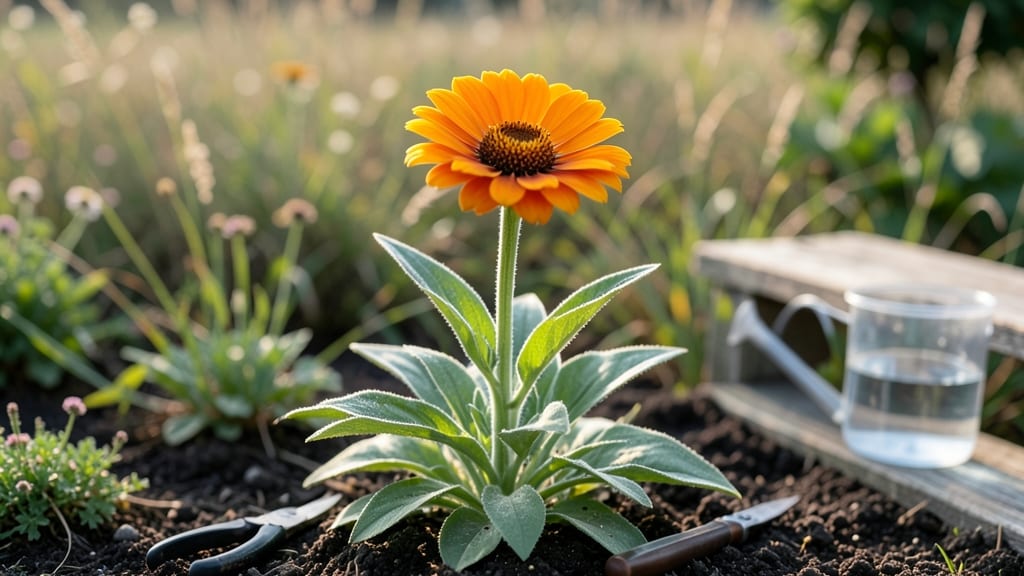
Growing single-flowered zinnias from seed gives you bold, papery blooms that double-flowered varieties just can't match. ✨ These old-fashioned favorites thrive in full sun and poor soil, making them the perfect low-maintenance star for cottage gardens, cutting gardens, or wildflower meadows.
I've grown them for years, and they never fail to deliver—bright, cheerful faces that attract pollinators all summer long.
The secret to their success is simple: start seeds indoors 6-8 weeks before your last frost, then transplant when soil warms to at least 50°F. They love well-draining soil and can handle heat and drought once established, but consistent moisture keeps blooms coming.
Single-flowered zinnias also resist common zinnias diseases like powdery mildew better than their double-flowered cousins, which means fewer headaches for you.
What you end up with is a cloud of vibrant reds, oranges, and yellows that last from early summer until frost. The blooms stay fresh in vases for days, and the open centers make them irresistible to bees and butterflies.
Unlike double-flowered zinnias, these varieties produce seeds that birds and wildlife love—turning your garden into a thriving ecosystem.
Whether you're growing them in containers, raised beds, or directly in the ground, single-flowered zinnias adapt easily. Deadhead spent blooms to encourage more flowers, and watch your garden transform into a pollinator paradise. Ready to grow your own showstopper? Let's get started!
📚 In This Guide
- What you need
- Instructions
- Tips and common mistakes
- Wrapping up and next steps
What you need
- ● Seeds: Single flowered zinnia seeds (e.g., Zinnia elegans varieties like ‘Benary’s Giant’ or ‘Crystal’). Quantity: 1 packet (typically 200–500 seeds).
- ● Growing Containers or Garden Bed: Containers: 4–6" pots (for seedlings) or 12"+ pots (for mature plants). Quantity: 1–2 per plant.
- ● Garden Bed: Full sun (6+ hours/day), well-draining soil.
- ● Potting Mix: Lightweight, seed-starting mix (sterile and peat-based). Quantity: 1–2 bags (5–10 qt each).
- ● Tools: Hand trowel or small shovel
- ● Spray bottle (for watering seeds)
- ○ Gloves (optional but handy!)
- ● Fertilizer: Balanced, water-soluble fertilizer (e.g., 10-10-10) or compost for nutrient boost.
- ● Mulch: Straw or shredded leaves to retain moisture and suppress weeds.
- ● Plant Markers: Small stakes or labels to track varieties.
- ● Pruning Shears: For deadheading spent blooms (encourages more flowers!).
- ● Shade Cloth: If planting in hot climates (protects seedlings from scorching).
Step-by-Step instructions for growing single flowered zinnias
Here’s how I grow zinnias that bloom nonstop all season—bold, cheerful, and perfect for cutting.
🌱 Step 1: Start Seeds Indoors or Direct-Sow After Frost
Zinnias germinate best when soil temperatures reach 60-65°F, so I wait until 2-3 weeks before the last frost to direct-sow outdoors. If you’re in a cooler climate, start seeds indoors 6-8 weeks before transplanting using biodegradable pots to avoid root disturbance. Press seeds ¼ inch deep in well-draining soil—zinnias hate soggy roots.
Keep the soil consistently moist (not soggy) until germination, which takes 7-14 days. I cover trays with plastic wrap to retain humidity, but remove it immediately once sprouts appear to prevent damping-off. Thin seedlings to 12 inches apart once they have 2-3 true leaves—crowding weakens stems and reduces blooms.
☀️ Step 2: Provide Full Sun and Consistent Moisture
Zinnias thrive in full sun (6-8 hours daily)—no compromise here. If you notice stems stretching or leaves turning pale, your plants are light-deprived. I plant mine in raised beds or containers for better drainage, especially in heavy clay soil.
Water at the base of the plant in the morning to encourage strong roots and prevent fungal diseases. Let the top inch of soil dry between waterings—overhead watering leads to powdery mildew, a common zinnias nemesis. Mulch with 1-2 inches of straw to retain moisture and suppress weeds without smothering the plants.
✂️ Step 3: Deadhead and Fertilize for Nonstop Blooms
Here’s the secret to zinnias that bloom until frost: deadhead regularly. Snip spent blooms back to the first set of healthy leaves (or the next bud) to redirect energy into new flowers. I do this every 2-3 days during peak bloom—neglecting this step means fewer flowers and leggy stems.
Feed zinnias with a balanced 10-10-10 fertilizer every 4-6 weeks or use a slow-release granular fertilizer at planting. Too much nitrogen results in lush foliage but fewer blooms. Watch for aphids or spider mites on undersides of leaves—spray with neem oil if you spot them early.
🌿 Step 4: Harvest and Enjoy Your Showstopper Blooms
Cut zinnias in the early morning when buds are just opening for the longest vase life. Support stems with 1-2 inches of stem submerged in water immediately after cutting—zinnias wilt fast if left out of water. They’re fantastic for bouquets and last 7-10 days in a vase.
For continuous harvests, pinch back leggy stems to encourage bushier growth. If your zinnias start looking tired by late summer, a light pruning (cutting back by ⅓) can rejuvenate them for a second flush of blooms. Save seeds from your best plants—zinnias self-seed easily, and homegrown varieties often outperform store-bought ones.
Tips & tricks for perfect single flowered zinnias
These simple yet powerful strategies will help you cultivate zinnias that outshine store-bought bouquets every time.
Soil Temperature Secret: The 60-65°F soil temperature range in Step 1 is non-negotiable for germination. I've learned the hard way—seeds planted in cooler soil either rot or take forever to sprout. Use a soil thermometer if your climate is unpredictable, or wait until mid-May in most zones. For cooler climates, those biodegradable pots become your best friend—they maintain consistent warmth while protecting delicate roots during transplanting.
Lighting Strategy: When Step 2 mentions "full sun (6-8 hours daily)", I'm talking about unfiltered sunlight—no shade cloth or dappled light will do. If your garden gets less than this, consider growing zinnias in containers that you can move to sunnier spots. I've seen zinnias stretch like they're reaching for the sky when they're light-deprived, and it's heartbreaking. For bonus growth, place containers on reflective surfaces like white gravel or light-colored paint to amplify sunlight.
Deadheading Discipline: The 2-3 days deadheading schedule in Step 3 might seem frequent, but trust me—it's worth it. I used to think once a week was enough, and my blooms fizzled out by mid-summer. The key is to snip at the base of the flower head, not just the spent bloom. This encourages bushier growth and more flowers. For large patches, grab a pair of sharp pruners and make it a daily ritual—you'll be rewarded with continuous blooms until frost.
Harvesting Hack: That 1-2 inches of stem recommendation in Step 4 is crucial for vase life. I always cut zinnias with a sharp knife or pruners in the early morning when stems are full of water. Immediately plunge the stems into a bucket of cool water to hydrate them before arranging. Pro tip: Remove all the lower leaves that will sit underwater—they'll rot and shorten your bouquet's life. For extra-long stems, look for zinnias with slightly closed buds; they'll open beautifully in your vase.
Pro Tips for Single Flowered Zinnias
- These simple yet powerful strategies will help you cultivate zinnias that outshine store-bought bouquets every time.
- Soil Temperature Secret: The 60-65°F soil temperature range in Step 1 is non-negotiable for germination.
- Lighting Strategy: When Step 2 mentions "full sun (6-8 hours daily)", I'm talking about unfiltered sunlight—no shade cloth or dappled light will do.
Frequently asked questions
Got questions about growing single flowered zinnias?
You’re not alone! Here are answers to the most common queries—from planting tips to troubleshooting—so you can enjoy those showstopping blooms with confidence.
When is the best time to plant single flowered zinnias?
Plant seeds after the last frost when soil temps reach at least 55°F (13°C). For cooler climates, start indoors 6–8 weeks before the last frost or sow directly in spring. Zinnias thrive in full sun (6+ hours/day), so avoid planting in shady spots. Pro tip: Use row covers if night temps dip below 50°F (10°C) to protect young seedlings!
How long does it take for single flowered zinnias to bloom?
From seed to first bloom, expect 60–70 days under ideal conditions. Transplants (young plants) may flower in 45–60 days. Deadhead spent blooms to encourage continuous flowering throughout the season. Bonus: Zinnias are fast growers—perfect for filling gaps in your garden quickly!
What pests or diseases commonly affect single flowered zinnias?
Keep an eye out for aphids, spider mites, and Japanese beetles—they love zinnias! Treat lightly infested plants with a soapy water spray or neem oil. Diseases like powdery mildew thrive in humid conditions; improve airflow and avoid overhead watering. Prevention tip: Rotate crops yearly to reduce soil-borne issues.
Can I grow single flowered zinnias in containers?
Choose 5–6 inch pots for 1–2 plants or larger containers for clusters. Use well-draining potting mix and ensure pots have drainage holes. Containers dry out faster, so water daily in hot weather. Container hack: Add a slow-release fertilizer at planting for steady nutrition!
What colors do single flowered zinnias come in, and are there heirloom varieties?
Single flowered zinnias burst in reds, oranges, yellows, pinks, purples, and whites—plus bi-colors! Heirloom varieties like ‘Benary’s Giant’ or ‘Crystal’ offer classic charm. Fun fact: Their open centers attract pollinators like bees and butterflies. Mix colors for a wildflower meadow vibe!
How do I save seeds from single flowered zinnias?
Let a few blooms go to seed (the flower head turns brown and papery). Snip off the dried head, place it in a paper bag, and let it dry for 1–2 weeks. Store seeds in a cool, dry place for up to 2 years. Seed-saving tip: Avoid hybrid varieties—they may not grow true to form!
Wrapping up and next steps
Growing single flowered zinnias is a rewarding journey that brings vibrant color and joy to your garden with minimal effort! 🌸 Their hardy nature and stunning blooms make them perfect for beginners and seasoned gardeners alike.
Whether you’re adding them to borders, cutting gardens, or containers, these cheerful flowers will thrive with just a little care.
Ready to dive in? Start by gathering your seeds and supplies, then follow the simple steps to nurture your zinnias from seed to showstopper. Happy planting—and get ready to enjoy a garden bursting with bold, happy blooms! 🌞