
Aphids
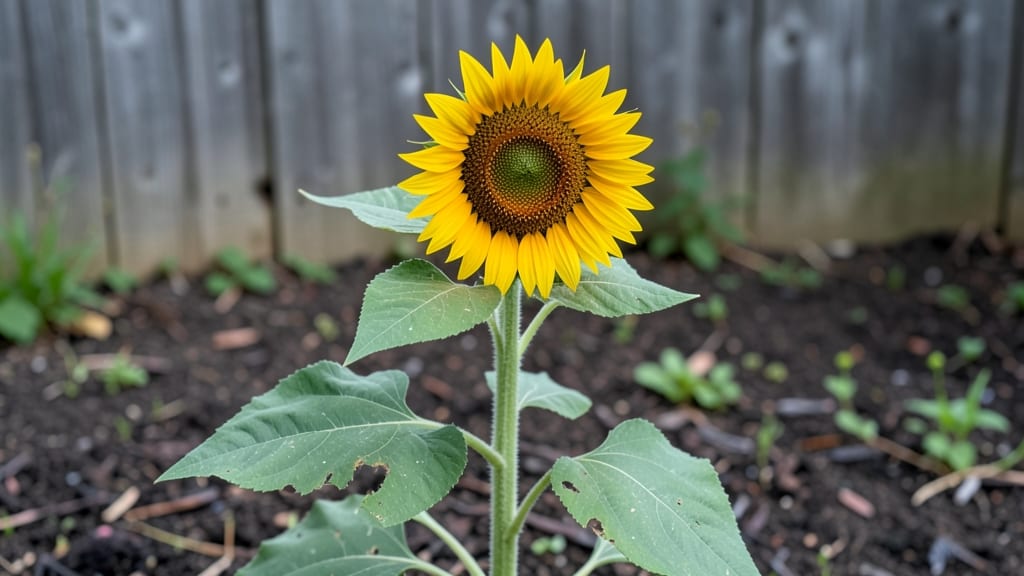
The sunflower growth cycle in the Pacific Northwest unfolds like a golden storybook—from tiny seeds to towering giants in just three months. 🌻 I’ve watched my own sunflowers go from shy sprouts to sun-soaked sentinels, and the secret lies in understanding each stage’s needs.
The first 10 days are all about patience, while the rest is about giving them the right support to reach their full potential.
Germination kicks off in 5-14 days with a damp, dark soil blanket—think of it as their cozy nursery. Once the first leaves appear, they’ll shoot up 2-3 inches per week if you keep the soil moist but not soggy.
By month two, those iconic yellow faces start forming, and that’s when you’ll need to stake taller varieties to prevent flopping in Pacific Northwest winds.
Flowering arrives like clockwork, usually 6-8 weeks after planting, when the blooms open wide to greet the sun. This is the payoff—bright, cheerful faces that attract pollinators and make your garden the neighborhood’s star.
With consistent watering and a little fertilizer boost, you’ll see seeds form within 2-3 weeks of blooming, ready for harvest by late summer.
Here’s the best part: even in cooler Pacific Northwest summers, sunflowers thrive with the right care. The cycle repeats effortlessly, turning your garden into a year-after-year showstopper. Let’s walk through each stage so you can grow sunflowers that rival the pros.
📚 In This Guide
- What you need
- Instructions
- Tips and common mistakes
- Wrapping up and next steps
What you need
- ● Sunflower seeds: Choose Helianthus annuus varieties suited for PNW (e.g., 'Russian Giant' or 'Autumn Beauty'). Buy 50–100 seeds (or 10–20 plants if starting with transplants).
- ● Well-draining soil: Mix 1 part compost (or aged manure) with 2 parts native soil (pH 6.0–7.5). Test soil for nutrients if possible!
- ● Watering can or hose: With a gentle spray nozzle (sunflowers hate soggy roots). Aim for 1–2 gallons per plant during dry spells.
- ● Stakes or trellis: Tall varieties (6+ ft) need 2–3 ft wooden stakes or a lightweight trellis for support.
- ● Organic mulch: Straw or wood chips (2–3 inches) to retain moisture and suppress weeds.
- ● Fertilizer: Balanced 10-10-10 or 5-10-10 (low-nitrogen to avoid leafy growth over flowers). Apply at planting and mid-season.
- ● Garden trowel or transplant spade (for digging holes 1–2 inches deep).
- ○ Gloves (optional but handy for handling soil/seeds).
- ● Pruning shears (to trim dead blooms or support heavy heads).
- ● Row cover or frost cloth (if planting early; PNW’s cool springs can delay germination).
- ● Start seeds indoors 4–6 weeks before last frost (typically mid-April) or direct-sow after soil warms to 50°F+ (late May/early June).
- ● Monitor for aphids (common in PNW) and treat with neem oil or insecticidal soap if needed.
- ● Adjust watering for rainy seasons—sunflowers need 1 inch/week but can rot in excess moisture.
Step-by-Step guide to sunflower growth in the Pacific Northwest
Here's how to nurture sunflowers through their full cycle in our famously damp, cool climate.
🌱 Step 1: Plant Seeds in Early Spring After Last Frost
Wait until soil reaches 50°F and all frost danger has passed—typically mid-April to early May in the PNW. Sunflowers thrive in full sun (6+ hours daily), so choose a south-facing spot with well-draining soil. I always test drainage by digging a hole, filling it with water, and checking if it drains within an hour—sunflowers hate soggy roots.
Plant seeds 1 inch deep and 6 inches apart in rows spaced 2 feet apart. Press the soil gently around each seed to ensure good seed-to-soil contact. Water immediately after planting to settle the soil and provide moisture for germination. You'll see sprouts in 7-14 days, depending on soil warmth.
☀️ Step 2: Support Rapid Growth with Proper Spacing and Light
Sunflowers grow 3-5 inches per day in ideal conditions, so thin seedlings to 12-18 inches apart once they reach 4-6 inches tall. This prevents overcrowding and ensures each plant gets enough light and nutrients. I use a small trowel to carefully remove weaker seedlings at the base rather than pulling them, which disturbs roots.
Monitor light exposure closely—PNW summers often bring overcast skies. If stems grow pale and leggy, move plants closer to a south-facing window or supplement with a grow light for 14-16 hours daily. Strong stems should be thick and sturdy, not stretching toward the light.
💧 Step 3: Water Deeply and Fertilize During Flowering Stage
Once plants reach 3 feet tall, they enter the flowering stage (typically June-July). Water deeply once a week, soaking the soil to 12 inches deep. You'll know moisture is right when the top 2 inches of soil feel dry but the lower soil remains damp. Overwatering now causes rot at the base, while underwatering stresses the plant before bloom.
Apply a balanced fertilizer (10-10-10) when buds form, following label instructions. I use a slow-release granular fertilizer for steady nutrition without risk of burning. Watch for yellowing leaves—this signals either overwatering or nutrient deficiency, both of which reduce bloom quality.
⏰ Step 4: Harvest Seeds When Flower Heads Dry Completely
Sunflowers are ready for seed harvest when the back of the flower head turns yellow and the petals drop away (usually September-October). Cut the head with 4-6 inches of stem and hang it upside down in a dry, well-ventilated area. Seeds mature when the head feels light and hollow when shaken—this can take 2-4 weeks depending on humidity.
Once dry, rub the head between your hands to release seeds. Store them in a paper bag in a cool, dark place for up to 2 years. If you notice mold or webbing, discard the batch—this indicates insect damage or high humidity during drying.
🌿 Step 5: Prepare Soil for Next Year’s Planting
After harvest, cut stems down to 6 inches and leave the roots in the ground. Sunflowers improve soil health by fixing nitrogen, so I never remove them entirely. In late fall, till the area to break up roots and mix in 2-3 inches of compost to replenish nutrients.
This process ensures your soil stays fertile for next year’s sunflowers. I always mark the spot with stakes or flags so I remember where they grew—sunflowers are heavy feeders and benefit from being replanted in the same area only every 3-4 years.
Tips & tricks for perfect sunflower growth in the Pacific Northwest
Growing sunflowers in the PNW's damp climate takes some extra know-how—but these pro tips will help you avoid common pitfalls and get stunning blooms every time.
Soil Preparation is Key: Before planting, mix in 2-3 inches of compost to improve drainage and fertility. Sunflowers hate soggy roots, so if your soil drains poorly, consider planting in raised beds or mounds. I always do a quick drainage test by filling a hole with water and checking if it drains within an hour—this simple step prevents root rot before it starts.
Thinning Timing Matters: In Step 2, when thinning seedlings to 12-18 inches apart, do it when they're 4-6 inches tall—not sooner. Younger plants are more fragile, and pulling them can damage roots. Use a small trowel to gently lift weaker seedlings at the base rather than yanking them, which helps prevent disturbing the remaining plants' roots.
Light Supplementation Strategy: PNW summers often bring overcast skies, so if your sunflowers develop pale, leggy stems, supplement with a grow light for 14-16 hours daily. Position the light just above the plants to encourage sturdy growth. I've found that a simple LED grow light on a timer works perfectly—just avoid touching the stems, which can cause damage.
Harvesting Secret: For seed harvesting in Step 4, wait until the back of the flower head turns completely yellow and the petals have fallen away. Cut the head with 4-6 inches of stem and hang it upside down in a dry, well-ventilated area. If you live in a humid climate, add a small fan to speed up drying—this prevents mold and ensures crisp seeds.
Pro Tips for Sunflower Growth Cycle
- Growing sunflowers in the PNW's damp climate takes some extra know-how—but these pro tips will help you avoid common pitfalls and get stunning blooms every time.
- Soil Preparation is Key: Before planting, mix in 2-3 inches of compost to improve drainage and fertility.
- Thinning Timing Matters: In Step 2, when thinning seedlings to 12-18 inches apart, do it when they're 4-6 inches tall—not sooner.
Frequently asked questions
Got questions about growing sunflowers in the Pacific Northwest? You’re not alone! Here are answers to the most common queries about their growth cycle—from planting to harvest.
How long does it take for sunflowers to grow from seed to flower?
In the PNW’s cooler climate, sunflowers typically take 80–120 days to reach full bloom, depending on the variety. Dwarf varieties (like ‘Teddy Bear’) mature in 60–70 days, while giant varieties (like ‘Mammoth’) can take 100–130 days. Start seeds indoors 4–6 weeks before your last frost for a head start!
Can sunflowers survive PNW winters, or do I need to replant every year?
Sunflowers are annuals, so they won’t regrow after dying back in winter. However, their seeds often self-sow! If you leave seed heads on stalks, they may resprout next year. For guaranteed blooms, replant fresh seeds each spring after the last frost (usually mid-April to early May in the PNW).
What’s the best way to protect sunflowers from aphids in the Pacific Northwest?
Aphids love sunflowers, but you can fight back! Spray stalks with a mix of water and mild dish soap (1 tsp per quart) to deter them. Introduce ladybugs or lacewings, natural predators, or blast aphids off with a strong stream of water. For severe infestations, use neem oil—it’s organic and effective!
Do sunflowers need full sun in the PNW, or can they grow in partial shade?
Sunflowers thrive in full sun (6+ hours daily), but in the PNW’s cloudy stretches, they can tolerate partial shade (4–6 hours). However, expect smaller blooms and weaker stalks. If planting in shade, choose dwarf varieties and ensure well-draining soil to prevent legginess.
Why aren’t my sunflower buds opening, even though the stalks are tall?
Bud blight (from Sclerotinia or Alternaria fungi) or nutrient deficiencies (like phosphorus or potassium) can prevent blooming. Improve soil with compost, space plants 12–24 inches apart for airflow, and avoid overhead watering. If buds appear moldy, remove affected stalks and treat with copper fungicide.
Wrapping up and next steps
Understanding the sunflower growth cycle in the Pacific Northwest is your ticket to a thriving garden! From planting in early spring to harvesting golden blooms by late summer, each stage offers rewards for patient gardeners.
With the right soil, sunlight, and care, you’ll witness nature’s beauty unfold right in your backyard.
Ready to dive in? Start by prepping your soil this month—then follow your sunflower’s journey from seed to sun! 🌻✨