
Flowers
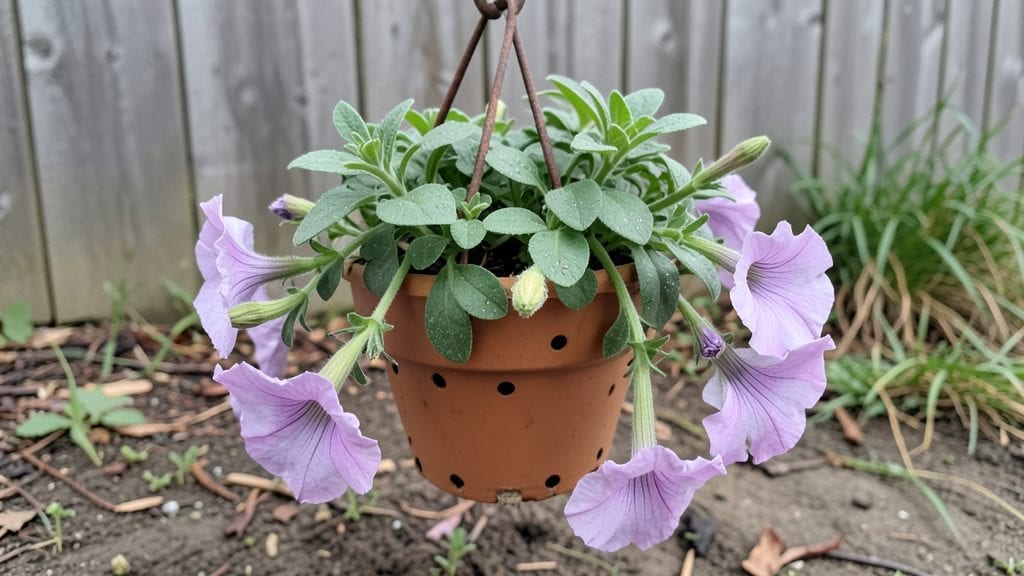
Growing flowers upside down turns every balcony, patio corner, or windowsill into a vertical garden. 🌸 I stumbled onto this method after watching my geraniums spill over the edges of their pots—so I flipped them, and suddenly, those trailing vines became cascading waterfalls of color.
The best part? No wasted space, no flopping stems, just lush blooms that draw the eye upward.
You’ll need hanging containers (fabric pots, macramé baskets, or plastic grow bags), a sturdy hook or shelf, and plants that thrive when their roots dangle. Petunias, fuchsias, and trailing nasturtiums are perfect starters—they grow fast and handle the upside-down treatment like pros.
Even herbs like thyme or oregano can work if you give them a little extra water.
By midseason, your upside-down garden will be a burst of color that turns heads. The flowers stay cleaner (less contact with soil), the stems grow stronger (gravitropism works in reverse), and you’ll finally have a way to grow more without taking up more ground.
Plus, the aesthetic? Pure vertical magic—like a living chandelier for your porch.
Works in sun or shade, for renters or homeowners, and scales from one pot to a full wall of blooms. The only rule? Start small—once you see how well it works, you’ll be flipping every pot in sight.
📚 In This Guide
- What you need
- Instructions
- Tips and common mistakes
- Wrapping up and next steps
What you need
- ● Upside-down planters: 1-3 (depending on your setup). Look for self-watering designs with built-in reservoirs (e.g., blank">AeroGarden Upside-Down Tomato Planter or DIY PVC pipe kits). Size: 12–24 inches long.
- ● Growing medium: 1–2 bags of lightweight potting mix (avoid garden soil—it compacts!). Specs: peat-based or coco coir blend with perlite for aeration (e.g., blank">FoxFarm Ocean Forest). Quantity: ~1 cubic foot per planter.
- ● Seeds or seedlings: Trailing varieties: Petunias, nasturtiums, or ivy (fast-growing and drought-tolerant).
- ● Compact options: Mini geraniums or strawberries (if you’re feeling adventurous!).
- ● Hanging hardware: 1–2 sturdy hooks or brackets (for wall/mounting). Weight capacity: 10+ lbs per planter.
- ● Watering can or spray bottle: 1 (with a fine rose nozzle to avoid displacing soil).
- ● Drill & bits: For DIY planters (e.g., PVC pipes).
- ● Mesh netting: To secure seedlings if they’re wiggly (e.g., blank">landscape fabric).
- ● Fertilizer: Slow-release granules (e.g., blank">Osmocote) or liquid feed (diluted to half-strength).
- ● Grow lights: LED strips (e.g., Samsung LM301B) if natural light is <12 hours/day.
- ● Space: A sunny wall or ceiling (south/west-facing ideal). Ensure it can support the weight!
- ● Time: 10–15 minutes daily for watering/upkeep (less if self-watering!).
- ● Patience: Germination takes 7–21 days; blooms in 6–8 weeks.
Step-by-step guide to growing flowers upside down
Here's how to transform a simple container into a thriving vertical garden with stunning blooms.
🪴 Step 1: Select the Right Container and Prepare the Growing Medium
Choose a sturdy, 12-18 inch diameter container with drainage holes—plastic or fabric grow bags work best. I like to use coconut coir growing mats for their lightweight, breathable properties. These mats allow roots to dangle freely while retaining moisture.
Fill the container with high-quality potting mix (avoid garden soil—it compacts and suffocates roots). Mix in perlite or vermiculite (about 20% of the total volume) to improve aeration. The goal is a fluffy, well-draining medium that won't compact as roots grow downward. Moisten the mix until it holds together when squeezed but doesn't drip.
🌱 Step 2: Plant Flowers Suited for Inverted Growth
Not all flowers thrive upside down—stick to trailing or vine-like varieties like petunias, geraniums, ivy, or nasturtiums. These plants naturally grow downward and produce abundant blooms along their stems. Avoid heavy-headed flowers like sunflowers or roses; their weight can damage the container.
Plant 4-6 young seedlings (about 3-4 inches tall) evenly spaced around the container's rim. Space them 4-6 inches apart to allow room for stems to cascade. Press the roots gently into the soil to ensure good contact with the growing medium. Water lightly after planting to settle the soil around the stems.
☀️ Step 3: Hang the Container and Provide Optimal Conditions
Hang the container in a location with 6-8 hours of direct sunlight daily. A south- or west-facing wall or balcony is ideal. Ensure the container is securely fastened—15-20 pounds of soil and plants can create significant downward pull. Use a sturdy hook or bracket rated for at least 25 pounds of weight.
Keep the growing medium consistently moist but not soggy. Water from the bottom by placing the container in a shallow tray of water for 10-15 minutes, allowing the roots to absorb moisture naturally. This method prevents soil from washing out and encourages even hydration. You'll know it's time to water again when the top ½ inch of soil feels dry to the touch.
💧 Step 4: Fertilize and Prune for Continuous Blooms
Feed your upside-down flowers with a balanced, water-soluble fertilizer (10-10-10 or 20-20-20) every 2-3 weeks during the growing season. Dilute the fertilizer to half-strength to avoid burning the roots. I like to mix it with the water during bottom-watering sessions for even distribution.
Pinch back leggy stems to encourage bushier growth and more blooms. Use clean, sharp scissors to trim just above a leaf node or bud. Deadhead spent flowers regularly to redirect the plant's energy into producing new blooms. This is the secret to a continuous display of vibrant flowers all season long.
✂️ Step 5: Maintain and Overwinter (If Applicable)
Inspect the container and plants weekly for pests like aphids or spider mites. Treat infestations early with neem oil or insecticidal soap to prevent them from spreading. If you notice yellowing leaves or stunted growth, it may be time to repot into a fresh growing medium—roots can become root-bound or depleted of nutrients over time.
If growing in a temperate climate, bring the container indoors before the first frost. Place it near a south-facing window or under grow lights to maintain growth during winter. Reduce watering frequency but keep the soil lightly moist. Many trailing flowers, like ivy, can survive indoors year-round with proper care.
Tips & tricks for perfect upside-down flower gardens
Transforming ordinary containers into lush vertical gardens takes more than just hanging them upside down—here's what I've learned to make every upside-down garden thrive.
Container Selection Matters: While 12-18 inch containers work perfectly, consider adding a removable liner inside your container. This makes repotting easier and lets you refresh the growing medium without disturbing the roots. I've found fabric grow bags with built-in liners work exceptionally well—they're lightweight and allow for excellent drainage while preventing soil loss.
Root Development Strategy: The key to successful upside-down growing is creating an environment where roots can dangle freely. After planting your 4-6 seedlings, gently loosen the soil surface around each stem to encourage roots to grow downward. You can also create small air pockets in the soil by pressing your finger down and pulling up gently—this mimics natural aeration and helps roots establish faster.
Sunlight Optimization: Those crucial 6-8 hours of direct sunlight can be tricky to achieve, especially in urban settings. If your space receives less sunlight, supplement with a grow light positioned 6-12 inches above the container. LED grow lights are energy-efficient and can provide the necessary spectrum for flowering plants. I've had great success with a simple 10-watt LED bulb on a timer for 8 hours daily during cloudy periods.
Watering System Upgrade: The 10-15 minute bottom-watering method is brilliant, but you can enhance it by creating a wicking system. Cut a length of cotton rope longer than your container's depth, place one end in the bottom water reservoir, and let the other end sit in the soil. This creates a constant moisture supply while preventing overwatering. It's especially helpful if you're away for extended periods during warm weather.
Pro Tips for Growing Flowers Upside Down
- Transforming ordinary containers into lush vertical gardens takes more than just hanging them upside down—here's what I've learned to make every upside-down garden thrive.
- Container Selection Matters: While 12-18 inch containers work perfectly, consider adding a removable liner inside your container.
- Root Development Strategy: The key to successful upside-down growing is creating an environment where roots can dangle freely.
Frequently asked questions
Got questions about upside-down flower gardening?
Here are answers to the most common ones—so you can grow blooms without the fuss!
Can I grow any flowers upside down?
Not all flowers thrive upside down! Opt for trailing or vine varieties like petunias, fuchsias, geraniums, or ivy. Avoid tall, bushy, or heavy-headed blooms—they won’t handle the inversion well. Always check the plant’s natural growth habit before flipping!
How long does it take for upside-down flowers to bloom?
Blooming time depends on the plant, but upside-down setups usually speed up growth due to better air circulation and root exposure. Most trailing flowers bloom in 6–12 weeks after planting, sometimes even faster than traditional pots!
Do upside-down flowers need special watering?
Yes! Since roots hang freely, watering is key. Use a self-watering system or water from the top until it drains from the bottom. Avoid overwatering—roots can rot if soggy. A mist spray helps too!
What’s the best temperature for upside-down flower growth?
Most trailing flowers prefer 60–75°F (15–24°C) during the day and 50–60°F (10–15°C) at night. Avoid frost—bring containers indoors if temps drop below 40°F (4°C). A sunny windowsill or balcony works great!
What if my upside-down flowers wilt or stop growing?
Check for these fixes:
- Root health: Gently inspect roots for rot or pests.
- Light: Move to a sunnier spot (6+ hours/day).
- Water: Adjust frequency—too much or too little can stress plants.
- Nutrients: Fertilize lightly with a balanced liquid feed every 4–6 weeks.
Wrapping up and next steps
Growing flowers upside down isn’t just a quirky gardening trick—it’s a game-changer for small spaces and creative blooms! 🌱 With the right setup, you can cultivate vibrant flowers in containers while saving room and adding a unique aesthetic to your home or balcony.
Whether you’re a beginner or a seasoned gardener, this method proves that limitations are just opportunities in disguise.
Ready to dive in? Start small—pick one or two upside-down planters and experiment with easy-to-grow flowers like petunias or strawberries. Once you’ve mastered the basics, expand your garden with bold colors and textures. Happy growing—your future blooms are waiting! 🌸