Companion Plants
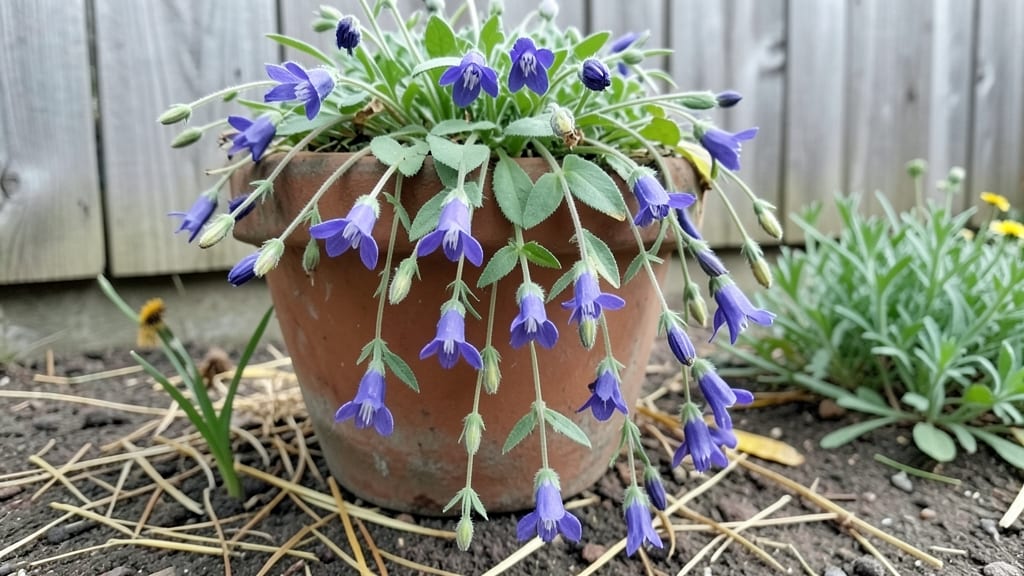
Purple and white flowering plants create the most serene, high-contrast gardens I’ve ever seen—like a painter’s palette where every bloom feels intentional. 🌸 The secret isn’t complicated: lavender’s silvery foliage pairs with white hydrangeas, while purple clematis twines through roses for a romantic border.
These combos work in borders, containers, or even window boxes, and they bloom from spring through fall with minimal fuss.
Start with three easy-to-grow stars: lavender (drought-tolerant and fragrant), hydrangeas (adjustable blooms), and petunias (spiller plants for containers). Add foliage like dusty miller or variegated heuchera to break up the color blocks—suddenly, your garden feels like a curated gallery.
The key is spacing: 12–18 inches apart for shrubs, closer for annuals, and let vines like clematis climb trellises for vertical drama.
You’ll end up with a garden that looks polished but requires zero daily maintenance—just water when the top inch of soil dries and deadhead spent blooms to encourage more flowers.
The purple-and-white palette works in every season: spring’s delicate phlox, summer’s bold hydrangeas, and fall’s asters. Even winter brings structure with evergreen lavender or dormant stems waiting for spring.
Pro tip: Mix textures too—velvety lamb’s ear next to spiky salvia, or glossy hosta leaves under hydrangeas. This isn’t just about color; it’s about layers. Once you try it, you’ll never want to garden any other way.
📚 In This Guide
- What you need
- Instructions
- Tips and common mistakes
- Wrapping up and next steps
What you need
- ● Purple & White Flowering Plants: 3–5 Lantana (compact varieties for pots or borders)
- ● 2–3 Petunias (trailing or bush types, purple/white blooms)
- ● 1–2 Cleome (spider flower, tall and dramatic)
- ● 1 Salvia (purple varieties like ‘May Night’)
- ● 1 Dahlia (white/purple pompon or cactus types)
- ● Potting Mix: 1–2 bags (12–18 qt) well-draining potting soil (add perlite or sand for sandy soil)
- ○ Optional: Compost (1 part) for nutrient boost
- ● Containers or Garden Space: 5–10 hanging baskets (10–12" diameter, drainage holes)
- ● OR 2–3 large planters (14–16" diameter, 12" deep)
- ● OR in-ground beds (full sun, 6+ hours/day)
- ● Basic Tools: 1 trowel (for planting)
- ● 1 pruning shears (for deadheading)
- ● 1 watering can (or hose with gentle nozzle)
- ○ 1 gloves (optional, for thorny plants like roses)
- ● Fertilizer: 1 balanced liquid fertilizer (10-10-10 or 20-20-20)
- ● OR slow-release granules (mix into soil at planting)
- ● Mulch: 1–2 bags organic mulch (shredded bark or pine straw)
- ○ Optional Extras: Stakes or cages (for tall plants like cleome or dahlias)
- ● Decorative rocks (for container drainage layers)
- ● Plant markers (to track varieties)
Step-by-Step guide to designing a purple-and-white flowering garden
Here’s how to create a vibrant, low-maintenance garden that thrives year-round with just four plants.
🌱 Step 1: Select Complementary Purple-and-White Varieties
Start with four proven performers: Lantana ‘Bandana Cherry White’ (white blooms with purple centers), Salvia ‘May Night’ (deep purple spikes), Zinnia ‘Crystal White’ (bright white daisy-like flowers), and Petunia ‘Purple Wave’ (trailing purple-and-white blends). These pair beautifully and share similar care needs.
Visit a local nursery to inspect foliage and bloom density—avoid leggy or sparse plants. I always check for disease-free leaves and buds already forming, which means faster color. Plant these in full sun (6+ hours daily) for the boldest hues and longest bloom times.
☀️ Step 2: Prepare the Planting Site for Year-Round Success
Choose a location with well-draining soil and morning sun exposure (afternoon shade in hot climates prevents wilting). Amend native soil with 2 inches of compost and a slow-release fertilizer (like 10-10-10) mixed into the top 6 inches. This ensures nutrients last through both spring and fall blooms.
For containers, use 1-gallon pots per plant with drainage holes. Fill with a lightweight potting mix (50% peat moss, 30% perlite, 20% compost). Water deeply before planting—this prevents air pockets that stunt root growth. Space plants 12-18 inches apart to allow airflow and reduce fungal risks.
💧 Step 3: Plant and Water for Immediate Establishment
Dig holes twice as wide as the root ball but no deeper—this encourages outward root spread. Gently remove plants from pots, loosen tangled roots, and place them so the top of the root ball sits level with the soil surface. Fill gaps with amended soil and firm lightly around the base.
Water deeply at planting (about 1 gallon per plant) to settle roots. Afterward, maintain 1 inch of water per week, either from rainfall or irrigation. I use drip lines to deliver moisture slowly at the base—this prevents leaf diseases that thrive in wet foliage. Mulch with 2 inches of shredded bark to retain moisture and suppress weeds.
✂️ Step 4: Prune and Deadhead for Continuous Blooms
Pinch back new growth by ⅓ when plants reach 6 inches tall to encourage bushier shapes. For Lantana and Salvia, trim spent flower clusters just above a set of leaves—this redirects energy to fresh blooms. With Petunias, shear back leggy stems to maintain their trailing habit and prevent bare spots.
Deadhead Zinnias weekly by snipping stems ½ inch above the next leaf set. This habit keeps them flowering until frost. I schedule this task every Saturday morning—it takes 10 minutes total and guarantees nonstop color. Fertilize lightly every 6 weeks with a balanced liquid feed (5-5-5) to support steady growth.
🌿 Step 5: Overwinter Plants for Year-Round Color
In fall, reduce watering by half and stop fertilizing. For tender perennials (like Lantana), cut back stems by ⅔ and mulch heavily with 4 inches of straw. Move container plants to a garage or shed (50-60°F) and water sparingly every 2-3 weeks. Most will regrow in spring.
Hardy varieties like Salvia and Petunias (if grown as annuals) can be replaced in early spring. I always rotate locations yearly to prevent soil depletion. This simple cycle keeps your garden vibrant with minimal effort—just 4 plants, 4 steps, and 4 seasons of color.
Tips & tricks for perfect purple-and-white flowering gardens
Here's what I've learned from years of growing these vibrant combos—simple secrets that make all the difference between a good garden and a showstopper.
Selection Tip: When choosing your plants, look for those with tight buds already forming at the nursery. These will bloom faster and give you instant color. I always avoid plants with yellowing leaves or powdery mildew—those signs mean hidden trouble. For containers, pick compact varieties of Petunias to prevent them from becoming leggy and flopping over.
Soil Strategy: The 2 inches of compost and 6 inches of amended soil in Step 2 aren't just numbers—they're your foundation for year-round success. For heavy clay soil, mix in 25% perlite or coarse sand to improve drainage. In sandy soil, add extra compost (3-4 inches) and peat moss to hold moisture. Test your soil's pH too—these plants thrive in 6.0-7.0 range.
Watering Wisdom: That 1 gallon per plant at planting isn't just about settling roots—it's about breaking through any air pockets in the soil. After planting, I always check moisture by sticking my finger 2 inches deep—if it's dry, water again. The 1-inch weekly rule works best with morning watering to prevent fungal diseases that thrive in damp evening foliage.
Pruning Payoff: The 10-minute weekly deadheading session for Zinnias is your secret weapon for continuous blooms. Use clean, sharp pruners and always cut just above a leaf node—this encourages new growth. For Lantana and Salvia, I recommend monthly light trimming of leggy stems to maintain their shape and encourage bushier growth.
Pro Tips for Purple And White Flowering Plants
- Here's what I've learned from years of growing these vibrant combos—simple secrets that make all the difference between a good garden and a showstopper.
- Selection Tip: When choosing your plants, look for those with tight buds already forming at the nursery.
- Soil Strategy: The 2 inches of compost and 6 inches of amended soil in Step 2 aren't just numbers—they're your foundation for year-round success.
Frequently asked questions
Got questions about purple and white flowering plants?
You’re not alone! Here are answers to the most common queries to help you pick, grow, and enjoy these stunning blooms with ease.
What are the easiest purple and white flowering plants for beginners?
Start with Petunias, Lantana, or Zinnias—they’re tough, drought-tolerant, and burst with color. For low-light spots, try African Violets or Wax Begonias. These thrive with minimal fuss and reward you with vibrant blooms!
When is the best time to plant purple and white annuals?
For most annuals, plant after the last frost in spring (check your USDA zone!). In warmer climates, you can also plant in fall for winter blooms. Perennials like Coneflowers or Black-Eyed Susans can go in early spring or fall for established roots.
How often should I water purple and white flowering plants?
Water deeply 1-2 times per week, depending on your climate. Drought-tolerant varieties (like Lavender or Salvia) need less, while Petunias or Impatiens prefer consistently moist soil. Mulch helps retain moisture—just avoid overwatering!
Can I grow purple and white flowers in containers?
Choose compact varieties like Begonias, Pansies, or Dwarf Petunias. Use well-draining pots (10"+ diameter for larger plants) and a balanced fertilizer every 4-6 weeks. Just ensure they get 4-6 hours of sunlight daily!
How do I keep pests away from my flowering plants?
Prevent pests with neem oil or insecticidal soap. Encourage ladybugs and lacewings—they’re natural predators! For aphids, blast them off with water. Deadhead spent blooms to reduce attractants, and avoid over-fertilizing (it stresses plants).
Do purple and white flowers survive winter?
Most annuals (like Marigolds) die in frost, but perennials (Lavender, Salvia) return yearly. Mulch perennials in fall, and cut back dead foliage in early spring. In cold zones, protect tender plants with burlap or move pots indoors.
Wrapping up and next steps
Incorporating purple and white flowering plants into your garden or home isn’t just about adding beauty—it’s about creating a low-maintenance, year-round spectacle that thrives with minimal effort.
From the bold elegance of Lavender to the delicate charm of Sweet Alyssum, these plants prove that stunning color doesn’t require a green thumb. Whether you’re a seasoned gardener or just starting out, these easy-care blooms are your ticket to effortless curb appeal and pollinator-friendly spaces.
Ready to transform your space? Start small—pick one or two plants from this list, plant them in a sunny spot, and watch your garden bloom with confidence. Happy gardening! 🌸