
Propagation
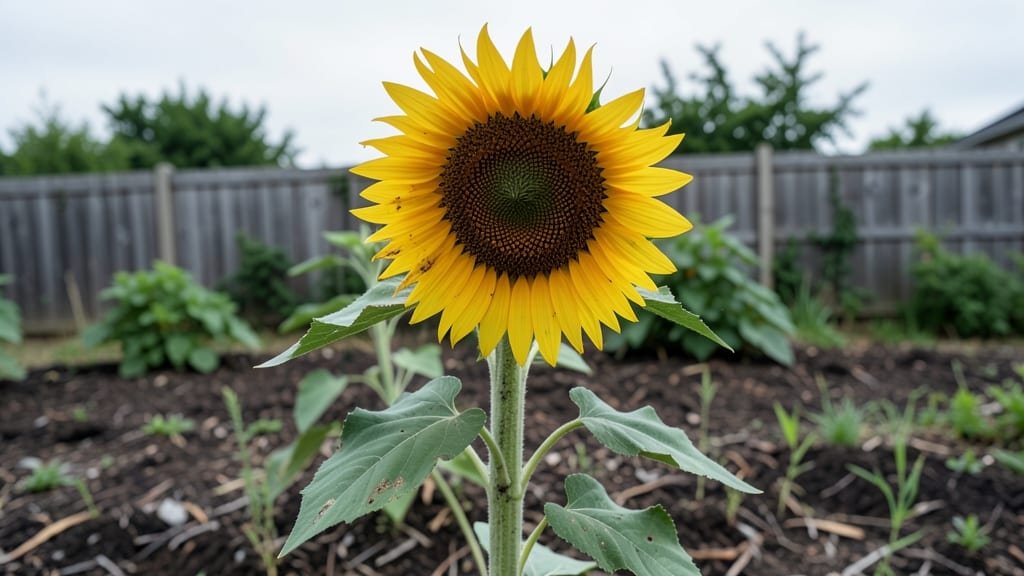
Growing Mammoth Russian sunflower seeds lets you cultivate towering giants that turn your garden into a sunlit skyline. 🌻 These sunflowers aren’t just tall—they’re a statement, reaching 14 feet with blooms as wide as dinner plates.
My first attempt left me skeptical, but once I mastered the spacing and soil, the results were jaw-dropping.
The secret to their staggering height starts with rich, well-draining soil and plenty of sunlight—at least 6-8 hours daily. Plant seeds 1 inch deep in well-composted soil, spacing them 18-24 inches apart to give those massive stems room to grow.
Water consistently, especially in dry spells, but avoid soggy soil that weakens stems.
By midsummer, you’ll see thick, sturdy stalks shooting upward, each capable of supporting heavy blooms. The drought tolerance kicks in once established, but early care makes all the difference.
With proper support (like stakes or cages), these sunflowers become the centerpiece of any garden, attracting bees and adding drama to your space.
Perfect for open fields, large containers, or even urban lots with enough space. Just remember: patience is key—these giants take time to grow, but the payoff is worth every inch. Ready to grow your own sunflower skyline?
📚 In This Guide
- What you need
- Instructions
- Tips and common mistakes
- Wrapping up and next steps
What you need
- ● Mammoth Russian sunflower seeds – 10-20 seeds (depending on desired density). Opt for heirloom, non-GMO seeds for best results.
- ● Well-draining potting mix – 10-15 lbs (or a blend of 60% garden soil, 30% compost, and 10% perlite for optimal drainage).
- ● Large containers or garden beds – Minimum 12-inch depth and 18-inch diameter per plant (or 3-foot spacing in rows if planting directly in the ground).
- ● Watering can or hose with a gentle spray nozzle – For consistent moisture without disturbing seedlings.
- ● Fertilizer – Balanced 10-10-10 or organic compost (apply at planting and again after 4-6 weeks).
- ● Plant labels or markers – To track growth stages (these babies grow fast!).
- ● Stake or trellis – 6-8 ft tall (to support heavy stems as they grow).
- ● Mulch (straw or wood chips) – 2-3 inches to retain moisture and suppress weeds.
- ● Sunflower-specific fungicide – Preemptive measure against powdery mildew in humid climates.
- ● Gloves – To protect hands while handling soil or seeds.
Step-by-step instructions for growing Mammoth Russian sunflowers
These towering beauties need a little extra care to reach their full 14-foot glory.
🌱 Step 1: Choose the Perfect Location and Prepare the Soil
Mammoth Russian sunflowers demand full sun—at least 8 hours of direct sunlight daily. I always pick the sunniest spot in my yard because these giants won’t tolerate shade. Dig a hole twice as wide as the root ball but only as deep as the container it came in. This prevents burying the stem too deeply, which can cause rot.
Amend the soil with 2-3 inches of compost mixed into the top 12 inches of soil. These sunflowers thrive in well-draining, nutrient-rich soil. If your soil is heavy clay, mix in a 5-gallon bucket of perlite or coarse sand per planting hole to improve drainage. Test the soil pH—ideal range is 6.0-7.0. If your soil is too acidic, add pelletized lime to raise the pH before planting.
☀️ Step 2: Plant at the Right Time and Depth
Wait until all danger of frost has passed in your area—these sunflowers cannot tolerate cold. I plant mine 2-3 weeks after the last frost date when soil temperatures reach at least 60°F. Dig the hole wide and deep enough to accommodate the root ball without bending the roots.
Place the sunflower in the hole, ensuring the top of the root ball sits just below soil level. Fill the hole with soil, pressing gently to eliminate air pockets. Water deeply right after planting to settle the soil and remove any air gaps. Mulch around the base with 2-3 inches of organic mulch (like straw or wood chips) to retain moisture and suppress weeds. Keep the mulch 6 inches away from the stem to prevent rot.
💧 Step 3: Water Deeply and Consistently
Mammoth sunflowers need 1-2 inches of water per week, but they’re drought-tolerant once established. Water deeply at the base every 2-3 days during the first 2 weeks to encourage strong root growth. Avoid wetting the leaves to prevent fungal diseases like powdery mildew. I use a soaker hose or drip irrigation to deliver water directly to the roots.
Once the plants reach 3 feet tall, reduce watering to once a week unless your area experiences extreme heat. Overwatering is a common mistake—these sunflowers hate soggy roots. Check soil moisture by sticking your finger 2 inches deep; if it feels dry, it’s time to water. If it’s still damp, wait another day.
✂️ Step 4: Support and Prune for Maximum Height
These sunflowers need support to reach their full height. Install a sturdy stake or trellis (at least 10 feet tall) at planting time. Tie the main stem loosely to the stake with soft plant ties every 2-3 feet as it grows. Avoid tight ties—they can girdle the stem as it thickens. I use old pantyhose or fabric strips because they’re gentle on the bark.
Remove any side shoots that form below the main flower head. These compete for nutrients and weaken the primary stem. Prune them off with clean pruning shears when they’re still small. If you notice yellowing leaves, it’s often a sign of overwatering or nutrient deficiency. Apply a balanced fertilizer (10-10-10) once a month during the growing season to keep them strong.
🌿 Step 5: Monitor for Pests and Diseases
Keep an eye out for aphids, spider mites, and sunflower moths, which love these giants. I spray the undersides of leaves with neem oil at the first sign of pests. For fungal issues like powdery mildew, remove affected leaves immediately and apply baking soda spray (1 teaspoon baking soda + 1 quart water + a drop of dish soap).
Watch for stem rot if water pools around the base. If you see blackened or mushy stems, reduce watering immediately and improve drainage. These sunflowers are generally low-maintenance, but their size makes them vulnerable to wind damage. If storms are forecasted, tie the stems securely to the support stake to prevent snapping.
Tips & tricks for growing towering Mammoth Russian sunflowers
These sunflowers don't just grow—they soar to incredible heights with the right care. Here's what I've learned to help yours reach their full potential.
Sunlight is Non-Negotiable: Those 8 hours of direct sunlight daily are absolutely critical. I've seen these giants struggle in partial shade—even just a few hours less can stunt their growth significantly. If your yard has areas with morning sun but afternoon shade, consider planting in containers and moving them to sunnier spots as the day progresses.
Soil Prep Makes All the Difference: The 2-3 inches of compost mixed into the top 12 inches of soil isn't just about nutrients—it's about creating the perfect environment. I always test my soil pH first because these sunflowers won't thrive below 6.0. If you're working with clay soil, that 5-gallon bucket of perlite per hole is worth every ounce—proper drainage prevents root rot that can kill these giants before they reach their potential.
Watering Wisdom for Giant Growth: The 2-3 days of deep watering during the first 2 weeks establishes strong roots that can support that 14-foot frame. I've ruined plants by overwatering—always check that 2-inch deep soil moisture before watering again. Once they hit 3 feet, I switch to weekly watering unless we're in a heatwave. The key is consistent moisture without waterlogging, which these sunflowers absolutely hate.
Support System Secrets: That 10-foot stake isn't just decoration—it's essential for preventing toppling. I've seen these beauties snap in storms when not properly secured. Use soft plant ties every 2-3 feet and check them regularly as the stem thickens. For extra security, I wrap the stake with burlap to protect the stem from rubbing against the support as it grows.
Pro Tips for Mammoth Russian Sunflower Seeds
- These sunflowers don't just grow—they soar to incredible heights with the right care.
- Sunlight is Non-Negotiable: Those 8 hours of direct sunlight daily are absolutely critical.
- Soil Prep Makes All the Difference: The 2-3 inches of compost mixed into the top 12 inches of soil isn't just about nutrients—it's about creating the perfect environment.
Frequently asked questions
Got questions about growing these towering giants?
Here are answers to the most common queries about Mammoth Russian sunflower seeds—from planting to troubleshooting—so you can grow your own 14-foot sunflowers with confidence!
How deep should I plant Mammoth Russian sunflower seeds?
Plant the seeds about 1 inch deep in well-drained soil, spacing them 18–24 inches apart to give their massive roots room to spread. Since they’re large seeds, there’s no need to bury them deeper—just press them gently into the soil and water lightly. Pro tip: If your soil is heavy clay, mix in compost to improve drainage!
How long do Mammoth Russian sunflowers take to grow?
From seed to towering bloom, these sunflowers typically take 80–100 days to reach maturity. Early varieties may sprout in 5–7 days under ideal conditions (warm soil, full sun), but full height (12–14 feet!) usually takes 3–4 months. Fun fact: Their rapid growth makes them a thrilling project for kids and adults alike!
Do Mammoth Russian sunflowers need full sun?
Absolutely!
These sunflowers thrive in 6–8+ hours of direct sunlight daily. While they can tolerate partial shade, their stems may become weak or leggy, reducing their iconic height. If your garden is shady, consider growing them in a south-facing spot or near a reflective surface (like a white wall) to maximize light.
What if my Mammoth Russian sunflower isn’t growing tall?
If your sunflower is stunted, check these common culprits:
- Poor soil: Amend with compost or a balanced fertilizer (high in phosphorus for roots).
- Overcrowding: Thin seedlings to 12–18 inches apart for better air circulation.
- Pests: Watch for cutworms or aphids—use neem oil or row covers if needed.
- Water stress: Keep soil consistently moist (but not soggy) during growth spurts.
Can I grow Mammoth Russian sunflowers in containers?
While possible, containers are tricky for these giants. You’d need a huge pot (at least 2–3 feet wide and deep) with excellent drainage. If attempting this, use a lightweight potting mix and fertilize weekly to support their rapid growth. Warning: They’ll likely max out at 6–8 feet in containers—better to plant them in the ground for full height!
Are Mammoth Russian sunflowers good for pollinators?
Yes!
Their large, vibrant blooms attract bees, butterflies, and birds like magnets. To boost pollinator activity:
- Leave 1–2 flowers per plant to bloom fully.
- Avoid pesticides—opt for organic sprays if pests appear.
- Plant companion flowers like marigolds or cosmos nearby for extra appeal.
Wrapping up and next steps
Growing Mammoth Russian Sunflower Seeds is a rewarding adventure that brings towering beauty and ecological benefits to your garden. With their impressive height and striking blooms, these giants are perfect for adding drama and pollinator support to your outdoor space. 🌻
Ready to take the plunge? Start by gathering your supplies, choosing the right location, and following the planting tips shared here. Soon, you’ll be enjoying the awe-inspiring sight of these sunflowers reaching for the sky—and maybe even sharing seeds with fellow gardening enthusiasts!
Next step: Mark your calendar, grab those seeds, and let the growing begin! 🌱