
Flowers
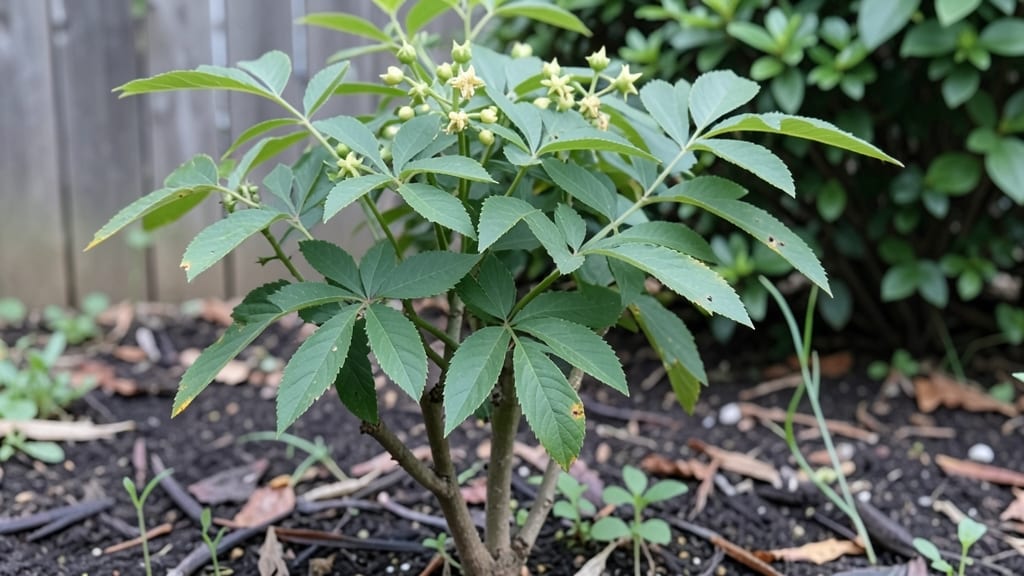
Growing Sichuan pepper flowers (Zanthoxylum schinifolium) unlocks a dual reward: fragrant white blooms and those signature spicy-numb berries that define Sichuan cuisine. 🌿 The Pacific Northwest’s mild summers and rich soils create ideal conditions for this underrated shrub, though most gardeners overlook its ornamental potential.
I’ve grown mine for five seasons, and the key to success lies in mimicking its native woodland edge habitat—dappled light, well-draining soil, and patience for those first delicate flowers.
The plant thrives with minimal fuss once established, but the early stages demand attention. Start with a 6-inch-tall nursery specimen or grow from seed (though germination takes 4-6 weeks). Plant in partial shade—morning sun and afternoon shade prevent leaf scorch—with soil amended for good drainage.
Water deeply once a week in summer, letting the top inch dry between sessions. The first year focuses on root establishment; flowering typically begins in year three with proper care.
What makes this shrub special is its two-season show: fragrant, 1-inch-wide white flowers in late spring, followed by clusters of red berries that mature to black. The berries may not be edible in the PNW’s cooler climate, but the foliage stays glossy and aromatic year-round.
Prune lightly in late winter to shape the shrub and remove dead wood, but avoid heavy cuts—this plant responds better to gentle shaping than aggressive pruning.
Common challenges include powdery mildew in humid summers (prevent with circulation space) and slow growth in cooler microclimates. If your plant isn’t flowering by year four, check for too much shade or overly rich soil—both can delay blooming.
For ornamental impact, pair it with native ferns or dogwoods; the contrast of its dark green, compound leaves with lighter foliage creates striking garden drama.
📚 In This Guide
- What you need
- Instructions
- Tips and common mistakes
- Wrapping up and next steps
What you need
- ● Sichuan pepper seeds or seedlings: 3–5 plants (ensure they’re Zanthoxylum schinifolium or Z. bungeanum for authenticity).
- ● Well-draining potting mix: 10–15 gallons (blend 60% organic compost, 30% perlite, and 10% coarse sand for PNW’s wet climate).
- ● Containers or garden bed: Containers: 5–7 gallon pots (with drainage holes) for each plant.
- ● Garden bed: Full sun (6+ hours/day) or partial shade (if summers are scorching). Soil pH: 6.0–7.0.
- ● Organic fertilizer: Balanced 10-10-10 (1 cup per plant every 4–6 weeks during growing season).
- ● Watering can or hose with adjustable nozzle: For gentle, deep watering (avoid soggy roots!).
- ● Pruning shears: Sharp, sterilized pair for shaping and harvesting.
- ● Mulch (straw or wood chips) to retain moisture and regulate soil temp.
- ● Slow-release fertilizer tablets for convenience.
- ● Trellis or stakes (if growing in containers to support vines).
- ● pH test kit to monitor soil acidity.
- ● Gloves (the oils can irritate skin—trust us!).
Step-by-step guide to growing Sichuan pepper flowers
Bring that signature tingly-spicy magic to your Pacific Northwest garden with these hardy, aromatic blooms.
🌱 Step 1: Select the Right Site and Prepare the Soil
Sichuan pepper thrives in partial shade to full sun—choose a spot that gets at least 4-6 hours of morning sunlight to avoid scorching the delicate leaves. In hotter PNW summers, afternoon shade helps prevent stress. The soil must drain well; these plants despise soggy roots, so amend heavy garden beds with 2-3 inches of compost to loosen the mix.
Test your soil's pH—ideal range is 6.0-7.0. If your soil runs acidic, sprinkle 1-2 cups of dolomitic lime per planting hole and mix it in. I always dig a hole twice as wide as the root ball to encourage outward growth, which these plants appreciate for stability.
☀️ Step 2: Plant at the Right Time and Depth
Wait until after the last frost date in your zone—these plants are tender when young. In the PNW, that’s typically mid-to-late May. Plant 4-6 inches apart in rows spaced 3-4 feet apart to allow airflow and prevent fungal issues. The root ball should sit no deeper than it was in the nursery pot—burying too deeply suffocates the stem.
Water deeply right after planting to settle the soil around roots. You’ll know it’s right when the surface looks firm but not compacted. Mulch with 2-3 inches of shredded bark to retain moisture and regulate soil temperature—critical in our cool, damp climate.
💧 Step 3: Water and Fertilize for Optimal Growth
Keep the soil consistently moist but not soggy for the first 4-6 weeks—that’s when roots establish. After that, water once a week, adjusting for rain. Stick your finger 1 inch into the soil; if it’s dry, water until it’s damp 6 inches down. Overwatering here leads to root rot, which is a silent killer.
Feed lightly with a balanced 10-10-10 fertilizer every 4-6 weeks during the growing season. I mix in ½ cup of worm castings at midseason to boost microbial activity—these plants respond well to organic matter. Stop fertilizing by mid-August to encourage flower bud formation for next year.
✂️ Step 4: Prune and Support for Healthy Blooms
Pinch back the tips of new growth when stems reach 6-8 inches tall to encourage bushier, more compact plants. This step is non-negotiable—skipping it leads to leggy, weak stems that flop in our windy summers. Use bamboo stakes or small cages to support taller varieties, securing them loosely to avoid damaging the stems.
Deadhead spent flowers regularly to redirect the plant’s energy into fruit production. Watch for aphids or spider mites—common pests here. Spray with neem oil at the first sign of infestation. I’ve found that morning watering reduces fungal diseases by keeping foliage dry longer.
🌿 Step 5: Harvest and Overwinter for Next Year
Harvest the tiny red berries when they turn bright red—usually late summer to early fall. They’ll lose potency if left on the plant too long. Wear gloves; the berries stain and can irritate skin. Dry them in a single layer on a mesh screen in a warm, dark place for 2-3 weeks, stirring occasionally. Store in an airtight container for up to 6 months.
Before the first frost, cut back the plant to 6 inches tall and mulch heavily. These plants are semi-evergreen in mild PNW winters but benefit from protection. In colder zones, dig up the root ball and pot it for indoor overwintering under bright grow lights. I’ve kept mine going for 3+ years this way.
Tips & tricks for perfect Sichuan pepper flower cultivation
These insider secrets will help you coax the most vibrant, productive Sichuan pepper plants from your Pacific Northwest garden.
Sunlight Strategy: While the instructions mention 4-6 hours of morning sun, I’ve found that adding 1-2 hours of filtered afternoon light in hotter summers actually boosts berry production without scorching. Use sheer curtains or plant near taller shade trees if your microclimate gets intense afternoon heat. The key is maintaining that gentle light exposure—too much direct afternoon sun turns the leaves yellow and crispy.
Soil Science: The 6.0-7.0 pH range is perfect, but don’t stop at just dolomitic lime. I add a handful of crushed eggshells to each planting hole for extra calcium—this helps prevent the blossom-end rot that can affect young plants. For heavy clay soils common in the PNW, mix in 1 part perlite to 3 parts compost when amending. This improves drainage while maintaining moisture retention.
Watering Wisdom: That first 4-6 weeks of consistent moisture is critical, but I’ve learned to check soil moisture at two depths: 1 inch (surface) and 6 inches (root zone). If the surface is dry but 6 inches down still feels moist, hold off watering—you’re creating the perfect conditions for root rot. In our damp climate, I often find the surface stays moist too long after rain, so I use a moisture meter for accuracy.
Pruning Pro Tip: When pinching back growth at 6-8 inches, focus on the topmost set of leaves—this encourages branching from lower nodes. I’ve seen plants with 3 times more berries when I make this precise cut rather than just snipping randomly. For wind-prone areas, install supports before plants get too tall—once they’re over 2 feet, moving them becomes a struggle.
Pro Tips for Sichuan Pepper Flower
- These insider secrets will help you coax the most vibrant, productive Sichuan pepper plants from your Pacific Northwest garden.
- Sunlight Strategy: While the instructions mention 4-6 hours of morning sun, I’ve found that adding 1-2 hours of filtered afternoon light in hotter summers actually boosts berry production without scorching.
- Soil Science: The 6.0-7.0 pH range is perfect, but don’t stop at just dolomitic lime.
Frequently asked questions
Got questions about growing Sichuan pepper flower in your Pacific Northwest garden?
You’re not alone! Here are answers to the most common queries to help you cultivate this fiery-numbing beauty with confidence.
What’s the best climate for growing Sichuan pepper flowers?
The Zanthoxylum piperitum thrives in USDA Hardiness Zones 5-9, making it perfect for the PNW’s mild winters and cool summers. It loves full sun to partial shade—just protect young plants from harsh afternoon rays. In wet climates like Seattle or Portland, ensure well-draining soil to avoid root rot. Pro tip: Mulch in winter to shield roots from freezing!
How long does it take for Sichuan pepper flowers to produce fruit?
Patience is key! If you’re growing from seeds, expect 3-5 years before you see flowers and fruit. Grafted plants (like those from nurseries) may fruit in 1-2 years. Female plants bear the prized spicy-numbing berries, so plant at least one male for pollination. Fun fact: The flowers are small and white—easy to miss!
Can I grow Sichuan pepper flowers in containers?
Choose a large pot (15+ gallons) with drainage holes and well-draining soil. Use a balanced fertilizer (like 10-10-10) in spring/summer. Container-grown plants need more frequent watering but are ideal for urban gardens or patios. Just move them indoors or to a garage if temps drop below 20°F (-7°C).
Why aren’t my Sichuan pepper flowers producing fruit?
No fruit? Check these fixes:
- Pollination: Hand-pollinate with a soft brush if bees are scarce.
- Age: Young plants (under 3 years) may not fruit yet.
- Stress: Overwatering, poor soil, or pests can halt production.
- Gender: Ensure you have both male and female plants (females need males to pollinate).
Are there non-spicy alternatives to Sichuan pepper flowers?
If the tingling heat is too intense, try these milder ornamental or culinary substitutes:
- Japanese pepper (Zanthoxylum schinifolium) – Less numbing, still spicy.
- Star anise (Illicium verum) – Licorice-flavored, non-spicy.
- Anise hyssop (Agastache foeniculum) – Fragrant, edible flowers.
- Lemon verbena – Citrusy and drought-tolerant.
Wrapping up and next steps
Growing Sichuan pepper flowers in your Pacific Northwest garden isn’t just about adding a unique spicy-numb twist to your space—it’s about embracing a rewarding challenge that brings bold flavors and stunning blooms to life.
Whether you’re drawn to their lingering tingles or their striking appearance, these plants thrive with the right care, and your patience will pay off with vibrant, aromatic rewards. 🌸
Ready to take the next step? Start by ordering seeds or young plants from a trusted supplier, then mark your calendar for planting season—spring is your best bet!
With a little love and attention, you’ll soon be harvesting your own numbingly delicious blooms and maybe even experimenting with culinary magic in the kitchen.