
Flowers
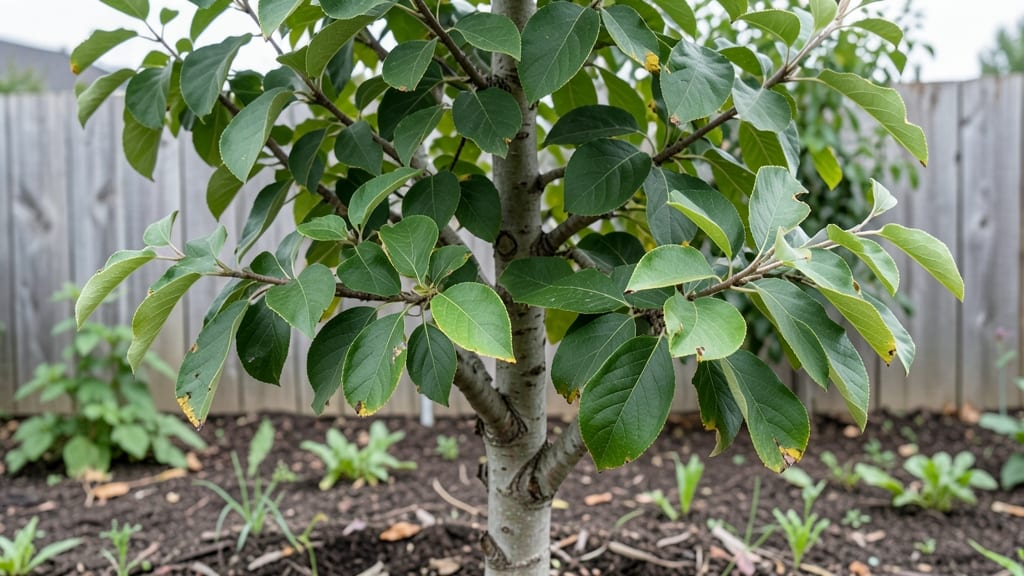
Peach tree flowers and fruit transform your yard from a simple landscape feature into a seasonal showstopper—if you know the secrets. 🌸 I’ve watched my own trees go from sparse blooms to bursting with pink blossoms and heavy fruit just by adjusting pruning timing and technique.
The key isn’t just cutting branches; it’s understanding how flowers form, how fruit develops, and when to intervene (or leave things alone).
Here’s the thing—peach trees bloom earlier than most fruit trees, making them vulnerable to late frosts that can wipe out entire seasons. But with the right pruning schedule—late winter or early spring—you encourage strong, healthy branches that produce more flowers and better fruit set.
Plus, proper care keeps pests and diseases from turning those delicate blossoms into a lost cause. Think of it as giving your tree a spa day before its big show.
What you’ll end up with is a tree that blooms reliably every spring, followed by juicy peaches that ripen in summer. The flowers alone are stunning—fragrant and abundant—while the fruit adds a sweet harvest you’ll want to share (or keep for yourself).
The best part? This system works whether you’re dealing with a young sapling or a mature tree that’s finally ready to perform.
We’ll cover everything from when to prune for maximum blooms to how to protect flowers from frost, plus how to tell if your tree is struggling before it’s too late. No more guessing—just confident care that turns your peach tree into the star of the yard. Let’s get started.
📚 In This Guide
- What you need
- Instructions
- Tips and common mistakes
- Wrapping up and next steps
What you need
- ● Peach tree sapling or bare-root tree (choose a variety suited to your climate, like Elberta or Redhaven).
- ● Well-draining soil (pH 6.0–7.0) or compost mix for planting.
- ● Organic mulch (straw, wood chips, or pine needles) – 2–3 inches around the base (keep it 3–4 inches away from the trunk).
- ● Fertilizer: Balanced 10-10-10 fertilizer for young trees (apply in early spring).
- ● Citrus/peach-specific fertilizer (e.g., 6-8-6) for fruiting trees (late winter).
- ● Watering can or hose with a soaker nozzle (deep watering 1–2 times per week for established trees).
- ● Bypass pruners (for small branches <½ inch).
- ● Loppers (for branches ½–1½ inches).
- ● Pruning saw (for thick branches >1½ inches).
- ● Disinfectant (70% rubbing alcohol or bleach solution) – clean tools between cuts to prevent disease.
- ● Gloves (heavy-duty for protection against thorns).
- ○ Safety glasses (optional but recommended for debris-prone pruning).
- ● Tree wrap (for young trunks to prevent sunscald).
- ● Drip irrigation system (automates watering for consistency).
- ● Pollination-friendly bees/native plants (if your tree isn’t self-pollinating).
- ● Pesticide (neem oil or horticultural oil) – for peach tree borer or aphid control.
- ● Pruning paint/sealant (to cover large cuts and prevent disease entry).
How to prune a peach tree for maximum flowers and fruit
Here’s how I turn a peach tree’s natural energy into a bounty of blossoms and fruit—without overcomplicating it.
✂️ Step 1: Prune in Late Winter Before Bud Break
Timing is everything with peach trees. I wait until late winter, just as the first hints of green appear on the buds but before any leaves unfurl. This ensures the tree isn’t stressed by cold while still dormant. Grab your sharp pruning shears and remove any dead, diseased, or crossing branches first—they’re the easiest to spot and clean up.
Next, cut back any suckers (those vigorous shoots growing from the base) to 6 inches tall. These drain energy from the main tree. I also thin out overcrowded branches to improve airflow, which prevents fungal issues. Aim to open up the center so sunlight reaches all the way in—this is where the best fruit sets.
☀️ Step 2: Encourage Flowering with Strategic Cuts
Peach trees flower on new wood, so I focus on light pruning to stimulate fresh growth. Cut back last year’s growth by about one-third, making the cuts just above a bud that faces outward. This ensures the tree grows bushier and produces more flowering branches. Avoid heavy pruning—peaches respond best to gentle shaping rather than drastic cuts.
Watch for water sprouts (fast-growing, vertical shoots) and remove them entirely. These steal energy from fruit production. If you see any deadheading (removing spent blooms), skip it—peaches set fruit after pollination, and removing flowers won’t help. Instead, let nature do its work and focus on keeping the tree healthy.
🌿 Step 3: Summer Pruning to Improve Airflow and Fruit Quality
After the first flush of fruit appears, I do a quick summer pruning pass. Remove any shoots growing straight up from the main branches—these rarely bear fruit and make the tree top-heavy. Also, trim back suckers that pop up around the base again. This keeps the tree’s energy focused on existing fruit and next year’s blooms.
If you notice overloaded branches (bending under the weight of fruit), thin out some of the smallest peaches to leave 6-8 inches between each fruit. This prevents branch breakage and ensures the remaining peaches grow larger. I also check for diseased leaves or fruit and remove them immediately to stop the spread.
⏰ Step 4: Fall Cleanup for Winter Readiness
As temperatures drop, I do a light cleanup to prepare the tree for winter. Rake up and dispose of any fallen leaves or fruit—these can harbor pests and diseases over the cold months. I also sanitize pruning tools with rubbing alcohol to prevent spreading pathogens. If your area gets harsh winters, wrap the trunk with tree guard to protect it from rodents and frost cracks.
Finally, I water deeply one last time before the ground freezes to ensure the roots stay hydrated through dormancy. Mulch the base with 2-3 inches of organic mulch (like wood chips) to insulate the roots and retain moisture. This sets the tree up for a strong spring bloom and another season of fruit.
Tips & tricks for perfect peach tree pruning
Here's what nobody tells you about pruning peaches—these tricks will transform your tree's health and fruit production.
Timing is Everything: Those first hints of green on the buds are your cue to start pruning in late winter. I learned this the hard way after pruning too early—waiting until you see just a hint of green ensures the tree isn't stressed by cold while still being dormant. This precise timing is what separates a good prune from a great one.
Bud Direction Matters: When you're making those one-third cuts back on last year's growth in Step 2, always cut just above a bud that faces outward. This creates an open canopy that lets sunlight reach all the way into the center of the tree—where the best fruit sets. I've seen trees with dense centers produce 30% fewer peaches because of poor light penetration.
Sucker Control Strategy: Those suckers growing from the base are energy vampires. Cutting them back to just 6 inches tall in Step 1 might seem drastic, but it forces the tree to focus its energy on fruit production rather than growing unnecessary shoots. I've seen trees with uncontrolled suckers produce half as many peaches as properly managed ones.
Seasonal Pruning Calendar: Don't just prune once! The summer pass in Step 3 is crucial for maintaining airflow and preventing branch breakage. I mark my calendar for late winter, early summer, and fall cleanups—this year-round attention is what gives my trees that professional orchard look.
Pro Tips for Peach Tree Flowers And Fruit
- Here's what nobody tells you about pruning peaches—these tricks will transform your tree's health and fruit production.
- Timing is Everything: Those first hints of green on the buds are your cue to start pruning in late winter.
- Bud Direction Matters: When you're making those one-third cuts back on last year's growth in Step 2, always cut just above a bud that faces outward.
Frequently asked questions
Got questions about peach tree flowers and fruit? You’re not alone! Here are some of the most common queries—plus quick, actionable answers to keep your tree thriving.
When do peach tree flowers bloom, and how long do they last?
Peach tree flowers typically bloom in early spring (March–April in most U.S. zones), just before or with the leaves. Each blossom lasts about 5–7 days, but the entire tree’s bloom cycle spans 2–3 weeks. Timing depends on your climate—warmer regions may see earlier blooms.
Why aren’t my peach tree flowers turning into fruit?
Several factors can prevent fruit set: poor pollination (peaches need cross-pollination), late frosts (damaging flowers), or nutrient deficiencies (like lack of nitrogen or zinc). Check for visible pollen on flowers and ensure your tree gets 6+ hours of sunlight daily. A light fertilizer boost in early spring can help too!
Can frost hurt peach tree flowers or fruit?
Peach blossoms are extremely frost-sensitive—temperatures below 28°F (-2°C) can kill them. Young fruit (peaches) can tolerate slightly colder temps (25°F/-4°C) but may crack if frost hits after blooming. Use frost cloths or overhead sprinklers (which create insulating ice layers) to protect vulnerable stages.
What’s the best way to prune peach trees to encourage more flowers/fruit?
Prune in late winter or early spring (before buds swell) to remove dead, crossing, or crowded branches. Open the tree’s center to improve airflow and sunlight. Focus on scaffold branches (main structural limbs) and thin out water sprouts. Avoid heavy pruning—20–30% max—to prevent stress. Pro tip: Cut just outside the branch collar for clean wounds!
Are there peach tree alternatives with fewer pests or easier care?
If pests (like aphids or borers) or disease (e.g., brown rot) are a struggle, consider dwarf varieties (like ‘Bonanza’ or ‘Redhaven’) or plumcot hybrids (peach-plum crosses). Nectarines (hairless peaches) require less maintenance. For low-maintenance fruit trees, figs or pomegranates are also resilient options!
Wrapping up and next steps
With the right care—especially smart pruning—your peach tree can reward you with stunning spring blooms and juicy, flavorful fruit year after year. 🌸🍑 Whether you're a seasoned gardener or just starting, these tips will help you maximize beauty and harvest.
Now’s the perfect time to roll up your sleeves, grab your pruners, and give your tree the love it deserves!
Next steps:
- 📅 Mark your calendar for seasonal pruning tasks.
- 🌱 Monitor your tree’s health and adjust care as needed.
- 🎉 Celebrate the blooms and savor the fruit—you’ve earned it!