Flowers
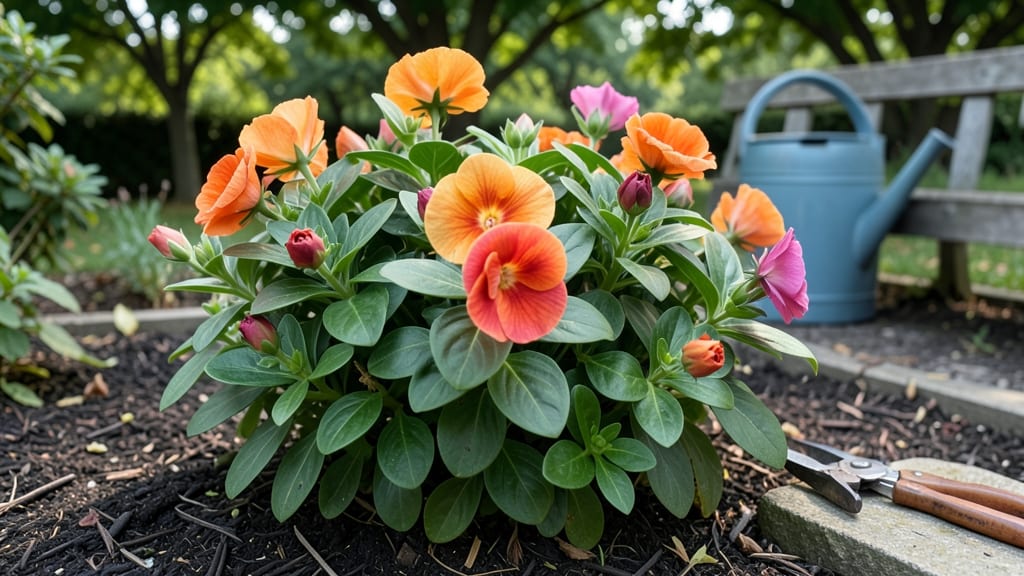
Sunpatiens flowers care is easier than you’d expect—these tough bloomers outshine regular impatiens in full sun, bursting with color from spring to frost. 🌞 I’ve grown them for years, and the secret isn’t just their heat tolerance; it’s how they reward minimal effort with nonstop color..
These aren’t your grandmother’s shade-loving impatiens—they’re built for sunny spots, containers, or garden beds where other flowers wilt.
The care routine is simpler than you’d think: morning watering to prevent fungal spots, balanced fertilizer every 4-6 weeks, and light pruning only to shape them—not to revive them. Most gardeners overcomplicate it by fussing over deadheading, but sunpatiens self-clean better than many annuals.
The real trick is keeping soil moist (but not soggy) and avoiding crowded pots—3-4 plants per 12-inch container keeps them happy.
By midsummer, you’ll have vibrant clusters of blooms that outlast tomatoes and zinnias, with foliage that stays lush even in 90°+ heat. The flowers come in every color except true blue, and they attract butterflies without needing deadheading.
Once you try them, you’ll wonder why you ever grew shade-loving impatiens.
They’re equally at home in hanging baskets, window boxes, or in-ground beds, making them the ultimate low-maintenance annual. Here’s how to keep them thriving all season—no green thumb required.
📚 In This Guide
- What you need
- Instructions
- Tips and common mistakes
- Wrapping up and next steps
What you need
- ● Sunpatiens plants: 3–6 plants per container (for pots) or spaced 12–18 inches apart in garden beds.
- ● Well-draining potting mix: A high-quality blend (e.g., 60% peat moss, 20% perlite, 20% compost) for containers.
- ○ Garden soil (optional for in-ground planting): Amend with compost for better drainage.
- ● Slow-release fertilizer: 10-10-10 or balanced bloom booster (follow package rates).
- ● Watering can or hose with a gentle nozzle: Avoid blasting roots!
- ● Gloves: Protect your hands from thorns (some varieties have them!).
- ● Trowel or small shovel: For planting and soil adjustments.
- ● Pruning shears: Sharp, clean shears (sterilize with rubbing alcohol).
- ○ Mulch (optional): 1–2 inches of shredded bark or straw to retain moisture.
- ● Container with drainage holes (if potted): 12–18 inches in diameter for 1–3 plants.
- ● 💡 Sunlight: Ensure 6+ hours of direct sun daily—Sunpatiens love the heat!
- ● 🌡️ Temperature: Ideal range: 60–85°F (they’re heat-tolerant but hate frost!).
- ● ✨ Bonus: Add a time-release fertilizer tablet to pots for 3–4 months of nourishment.
How to care for sunpatiens flowers year-round
Sunpatiens thrive with the right balance of light, water, and occasional trimming.
🌱 Step 1: Position for Full Sun and Shelter
Sunpatiens need 6+ hours of direct sunlight daily, but they also appreciate afternoon shade in hot climates. I place mine in morning sun with partial afternoon shade—this prevents leaf scorch while ensuring enough light for vibrant blooms. If growing in containers, rotate pots weekly to prevent leaning toward the light.
Choose a spot with moderate wind protection. Sunpatiens have delicate foliage that can tear in strong breezes. A spot near a fence or under a small tree works well. Watch for yellowing leaves—this often signals either too much direct sun or insufficient water, especially in high-temperature conditions.
💧 Step 2: Water Deeply and Consistently
Water sunpatiens at the soil level rather than overhead to prevent fungal diseases. Aim for 1-1.5 inches of water per week, adjusting for rainfall. I check moisture by inserting my finger 1 inch deep—if it feels dry, it’s time to water. Overhead watering can damage petals and encourage mildew, so a drip irrigation system or soaker hose is ideal.
Never let sunpatiens sit in soggy soil, but also avoid letting the topsoil dry out completely. Drooping leaves signal thirst, while yellowing lower leaves often mean overwatering. Mulch with 2-3 inches of organic mulch (like shredded bark) to retain moisture and regulate soil temperature.
✂️ Step 3: Prune for Bushier Growth and Longer Blooms
Minimal pruning keeps sunpatiens lush and flowering. Pinch back leggy stems (those stretching tall without blooms) by one-third to encourage branching. I do this early in the season—around 4-6 weeks after planting—to stimulate bushier growth. Use clean, sharp pruners to avoid tearing stems.
Deadhead spent blooms weekly to redirect energy into new flowers. Simply snip off the faded blossom just above a set of leaves. This prevents seed formation and encourages continuous blooming. If your sunpatiens look overcrowded, trim 10-15% of the oldest growth to improve airflow and reduce disease risk.
☀️ Step 4: Fertilize Lightly for Vibrant Blooms
Feed sunpatiens with a balanced, water-soluble fertilizer (10-10-10 or 20-20-20) every 4-6 weeks during the growing season. I mix ½ teaspoon per gallon of water and apply it at soil level to avoid burning foliage. Over-fertilizing leads to lush leaves but fewer blooms, so follow the package instructions closely.
In late summer, switch to a low-nitrogen, high-phosphorus fertilizer (like 5-10-10) to boost flowering. Stop fertilizing 6-8 weeks before the first frost to allow plants to harden off naturally. Yellowing leaves after feeding? You’re likely overdoing it—flush the soil with water to prevent salt buildup.
🪴 Step 5: Overwinter Care for Year-Round Growth
Sunpatiens are tender perennials, so they need winter protection. In USDA Zones 8-10, they’ll survive mild winters with mulch and light shade. For colder zones, dig up container plants and store them in a cool, dry place (like a garage) until spring. I wrap the pots in bubble wrap to prevent drying.
If left in the ground, cut back dead foliage in early spring and apply a 2-inch layer of mulch to insulate roots. Resume watering lightly in early spring (about ½ inch per week) until new growth appears. Watch for new shoots—this is your cue to increase watering and fertilizing gradually.
Tips & tricks for perfect sunpatiens care
A few key strategies will help you keep your sunpatiens thriving with minimal effort—these are the secrets I've learned after years of growing them successfully.
Light Management: In Step 1, when positioning your sunpatiens for morning sun and afternoon shade, watch for subtle signs of stress. The ideal spot should provide bright light without causing the leaves to curl or develop brown edges. If you notice yellowing between the veins, it's a classic sign of too much direct sun—move them to a slightly shadier spot immediately. For container growers, rotating pots weekly isn't just about preventing leaning; it also ensures even light exposure all around the plant, which prevents uneven growth patterns.
Watering Technique: The 1-1.5 inches of water per week guideline in Step 2 works perfectly in most climates, but timing matters just as much as quantity. Water in the early morning whenever possible—this gives the foliage plenty of time to dry before evening, reducing fungal risks. I've found that using a moisture meter (around $20) takes all the guesswork out of checking that 1-inch soil depth. If you don't have one, stick your finger in and feel for moisture—it should feel like a damp sponge, not a wet washcloth.
Pruning Precision: When you're pinching back those leggy stems in Step 3, aim to remove just above a set of leaves where new growth will emerge. This one-third reduction creates the perfect balance—too little won't stimulate branching, while too much can shock the plant. I always prune on a dry, overcast day to minimize stress on the plant. For deadheading, use clean pruners and make your cuts at a 45-degree angle just above a leaf node to encourage new blooms from that point.
Fertilizer Strategy: The 4-6 week feeding schedule in Step 4 is ideal, but there's a trick to prevent fertilizer burn: always dilute your fertilizer to half-strength (that ½ teaspoon per gallon guideline) and apply it to moist soil, not dry. In late summer, when switching to the high-phosphorus formula, I like to mix it with a seaweed extract (½ teaspoon per gallon) for an extra boost of micronutrients. This combination has given me noticeably more vibrant blooms with fewer leaf issues.
Pro Tips for Sunpatiens Flowers Care
- A few key strategies will help you keep your sunpatiens thriving with minimal effort—these are the secrets I've learn...
- Light Management: In Step 1, when positioning your sunpatiens for morning sun and afternoon shade, watch for subtle s...
- Watering Technique: The 1-1.5 inches of water per week guideline in Step 2 works perfectly in most climates, but timi...
Frequently asked questions
Got questions about keeping your sunpatiens flowers happy and healthy? You’re not alone! Here are some of the most common concerns—plus quick, easy answers to keep those vibrant blooms thriving all year.
How often should I water sunpatiens?
Sunpatiens love consistent moisture but hate soggy roots. Water when the top 1 inch of soil feels dry—usually every 2-3 days in hot weather or 3-4 days in cooler months. Pro tip: Mulch around the base to retain moisture and reduce evaporation.
Can sunpatiens survive winter?
Most sunpatiens are annuals and won’t survive frost, but some varieties (like Sunpatiens ‘Wave’) are perennial in USDA Zones 10-11. In colder climates, treat them as seasonal plants or grow them in containers** and bring them indoors before the first freeze.
Why are my sunpatiens leaves turning yellow?
Yellow leaves usually signal overwatering or poor drainage. Check for root rot (soft, mushy roots) or nutrient deficiencies (like nitrogen). Fix it: Let soil dry slightly between waterings, and fertilize with a balanced 10-10-10 mix every 4-6 weeks. Bonus: Avoid wet foliage to prevent fungal issues.
Are sunpatiens pet-safe?
Great news! Sunpatiens are non-toxic to pets (cats, dogs, and birds). Unlike some flowers (cough, lilies), they won’t cause stomach upset if nibbled. Still, encourage your furry friends to stick to their own snacks—these beauties are for human enjoyment!
What’s the best way to revive leggy sunpatiens?
Leggy sunpatiens mean they’re stretching for light! Prune back by cutting stems to just above a leaf node, and pinch off new growth tips to encourage bushier, fuller plants. Move them to a sunnier spot (6+ hours of light daily) and fertilize lightly to boost regrowth.
Wrapping up and next steps
Caring for sunpatiens flowers is a rewarding journey that brings vibrant color to your garden with minimal effort! With the right balance of sunlight, water, and soil, these resilient blooms thrive year-round—even with just a little pruning.
Whether you're a seasoned gardener or a beginner, their low-maintenance charm makes them a perfect addition to any space.
Now that you’re equipped with the essentials, roll up your sleeves and get planting! 🌱 Start by picking your favorite varieties and watch your garden transform into a lively, sun-soaked paradise. Happy gardening!