Flowers
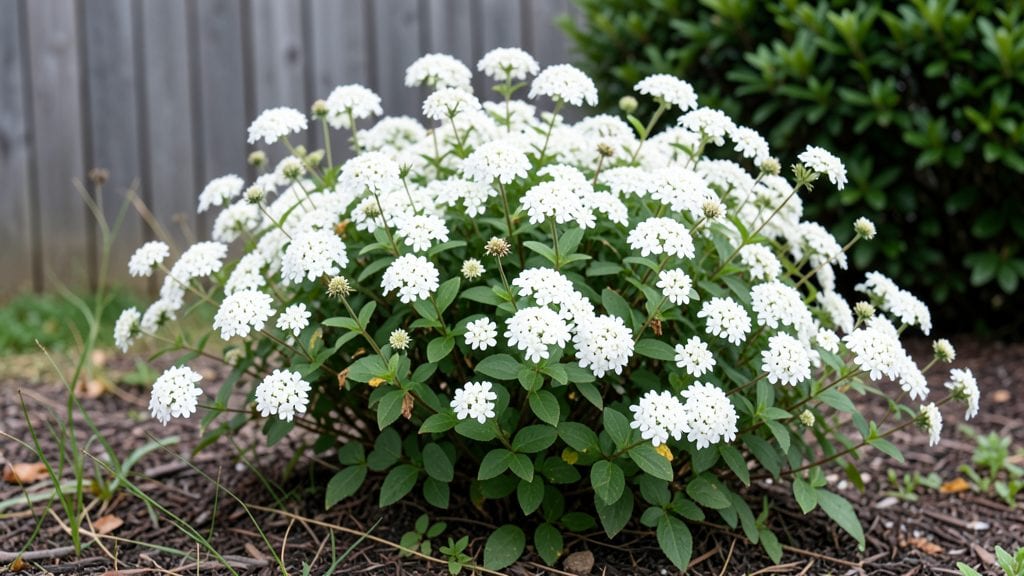
Spring flowering shrubs with white flowers are the unsung heroes of early-season gardens—brightening yards before summer blooms even think about showing up. 🌸 I remember my first snowball viburnum bursting into bloom in late April, when everything else still looked asleep, and how it instantly lifted my spirits (and my neighbors' too).
These shrubs aren’t just pretty; they’re the backbone of pollinator-friendly gardens, drawing bees and butterflies the moment the weather warms.
The best part? You don’t need a green thumb to make them shine. Varieties like mock orange and deutzia thrive with minimal fuss, offering fragrant blooms that last weeks.
Whether you’re lining a border, creating a hedge, or anchoring a garden bed, these shrubs bring structure and softness—imagine their creamy blossoms contrasting against deep green foliage or bold purple spring bulbs like hyacinths. They’re the perfect bridge between winter’s last frost and summer’s vibrant chaos.
What you’ll love most is how they keep giving. Even after the flowers fade, many of these shrubs deliver seasonal interest—some with glossy berries, others with striking fall foliage.
Pair a white flowering quince near a patio for its intoxicating scent, or let a white abelia spill over a trellis for a romantic, cascading effect. The possibilities for creating a cohesive, low-maintenance garden are endless.
Here’s the secret: plant them where they’ll get morning sun and afternoon shade, and water them deeply but infrequently. With a little planning, these shrubs will reward you with year-round elegance—starting with that first blush of white in spring and carrying through to winter’s quiet beauty.
Let’s get your garden glowing early!
📚 In This Guide
- What you need
- Instructions
- Tips and common mistakes
- Wrapping up and next steps
What you need
- ● Spring flowering shrubs (white blooms): Choose 3–5 plants from varieties like Viburnum bodnantense (Lavender Snow), Deutzia (e.g., ‘Nikko’), or Pieris japonica (Andromeda). Buy 1–2 gallon containers per plant.
- ● Well-draining potting mix: 5–10 gallons (or enough to fill planting holes). Opt for a blend with compost or peat moss for moisture retention.
- ● Organic mulch: 2–3 inches of shredded bark, pine straw, or wood chips (1–2 cubic feet per plant).
- ● Slow-release fertilizer: 10–20-10 NPK ratio (1–2 lbs per 10 sq ft of garden bed).
- ● Pruning shears: Bypass pruners (sharp, 6–8 inch blades) for shaping and maintenance.
- ● Garden gloves: Heavy-duty, waterproof gloves (1 pair) to protect your hands.
- ● Trowel or spade: Round-point trowel for small plants or a spade for larger shrubs.
- ● Watering can or hose with nozzle: 2–5 gallon capacity for gentle watering.
- ○ Stakes or plant supports (optional): 1–2 bamboo stakes per plant if shrubs are tall or top-heavy.
- ○ Pollinator-friendly companion plants (optional): Packets of native wildflowers (e.g., milkweed, coneflowers) to attract bees and butterflies.
- ○ Soil pH tester (optional): For adjusting acidity (ideal pH: 5.0–6.5 for most white-flowering shrubs).
- ● Sunlight assessment: Confirm your garden receives partial shade to full sun (6+ hours/day for most varieties).
- ● Soil test: Ensure soil drains well (amend with perlite or sand if clay-heavy).
- ● Planting timeline: Plant bare-root shrubs in early spring (before buds swell) or container-grown plants in fall or early spring.
- ● Local climate check: Verify hardiness zones (most white-flowering shrubs thrive in Zones 5–9).
How to design a pollinator-friendly spring shrub border
Here’s my go-to approach for selecting and arranging white-blooming spring shrubs that keep pollinators buzzing all season long.
🌱 Step 1: Choose 4 Core White-Flowering Shrubs for Seasonal Coverage
Select shrubs that bloom sequentially to ensure continuous nectar and pollen. Start with viburnum (early spring) for its fragrant clusters, then add deutzia for midseason airy blooms. Include hydrangea (late spring) for bold volume, and finish with spirea for late-season color. Each should have at least 3 feet of space to mature without crowding.
I always check the mature height of each shrub—viburnum can reach 6-8 feet, while spirea stays 3-5 feet—so I place taller varieties at the back. For example, position viburnum against a fence or wall, then layer deutzia and hydrangea in front, with spirea at the front edge for easy maintenance. This creates natural vertical layers that pollinators love to navigate.
☀️ Step 2: Site for Full Sun and Well-Draining Soil
Most white-flowering spring shrubs thrive in full sun (6+ hours daily) but tolerate partial shade (4-6 hours) if your climate is hot. Avoid low-lying areas where water pools—poor drainage leads to root rot, especially for hydrangeas. Amend heavy clay soil with 2-3 inches of compost mixed into the top 12 inches of soil before planting.
Test your soil’s moisture retention by digging a 6-inch hole and filling it with water. If it drains completely within 30 minutes, your soil is well-suited. If not, raise beds or plant on a slight slope. I always mulch with 3 inches of shredded bark after planting to retain moisture and suppress weeds—this is non-negotiable for pollinator gardens.
🪴 Step 3: Plant at the Right Depth and Spacing
Dig holes twice as wide as the root ball but no deeper—hydrangeas and viburnum hate being buried too deep, which can strangle the stem. Loosen the roots gently if they’re circling the root ball, then place the shrub so the top of the root ball sits level with the ground. Backfill with native soil (not amended mix) to avoid settling issues.
Water deeply after planting to eliminate air pockets, then let the soil settle for 24 hours before adding mulch. Space shrubs according to their mature width—viburnum (6 feet), hydrangea (4-5 feet), deutzia (3-4 feet), and spirea (3 feet). This ensures airflow between plants, reducing fungal diseases like powdery mildew, which can devastate blooms.
💧 Step 4: Water Deeply and Fertilize Lightly
Water once a week for the first month, then taper to every 10-14 days once established, depending on rainfall. Deep watering—1-2 inches per week—encourages strong root growth. I use a soaker hose to deliver water at the base, avoiding wet foliage, which attracts pests like aphids. Overwatering is the fastest way to kill these shrubs, so always check the top 2 inches of soil before watering.
Fertilize once in early spring with a balanced 10-10-10 granular fertilizer, following package rates. Too much nitrogen produces lush foliage but fewer flowers, which is the opposite of what pollinators need. I also side-dress with 1 cup of compost around each plant in late fall to feed the soil naturally over winter.
✂️ Step 5: Prune for Health and Next Year’s Blooms
Prune immediately after flowering to shape the shrubs and encourage next year’s blooms. Remove dead, crossing, or weak branches first, then thin out 1/3 of the oldest stems at the base to rejuvenate growth. For hydrangeas, cut back last year’s stems by half to promote new flower clusters. Avoid heavy pruning in fall—it stimulates tender growth that won’t survive winter.
Sanitize pruners with rubbing alcohol between cuts to prevent spreading disease. I always prune on a dry, overcast day to reduce stress on the plants. Leave some wild, natural shapes—pollinators prefer untamed edges over perfectly manicured shrubs. A lightly pruned border looks effortless but stays vibrant for years.
Tips & tricks for perfect pollinator-friendly spring shrub borders
A few simple strategies that'll transform your garden into a buzzing haven for pollinators while keeping your white-flowering shrubs thriving all season.
Seasonal Layering Secret: The key to continuous blooms lies in how you arrange your shrubs vertically. Start with the tallest varieties like viburnum (6-8 feet) against a fence or wall, then layer deutzia (3-4 feet) and hydrangea (4-5 feet) in the middle, finishing with spirea (3-5 feet) at the front. This creates a natural staircase that pollinators can navigate effortlessly, while also making maintenance easier. I've seen hummingbirds and bees work their way through these layers like a buffet!
Soil Test Hack: Before planting, do this quick soil test: Dig a 6-inch hole and fill it with water. If it drains completely within 30 minutes, you're good to go. If not, consider raising beds or planting on a slight slope—this prevents root rot, especially for moisture-sensitive hydrangeas. I've learned this the hard way after losing two hydrangeas to soggy soil in my first garden attempt.
Pruning Timing: Prune immediately after flowering to encourage next year's blooms, but never in fall—this stimulates tender growth that won't survive winter. For hydrangeas, cut back last year's stems by half to promote new flower clusters. I always sanitize my pruners with rubbing alcohol between cuts to prevent spreading disease, and I've noticed a dramatic improvement in bloom quality since I started this practice.
Pollinator Magnet Add-On: Optional: Add native wildflowers like bee balm or coneflower between your shrubs to create a pollinator superhighway. These perennials fill the gaps between blooming seasons and attract even more beneficial insects. Just make sure to choose varieties that thrive in your same sunlight conditions—most pollinator-friendly flowers do well in full sun to partial shade.
Pro Tips for Spring Flowering Shrubs White Flowers
- A few simple strategies that'll transform your garden into a buzzing haven for pollinators while keeping your white-flowering shrubs thriving all season.
- Seasonal Layering Secret: The key to continuous blooms lies in how you arrange your shrubs vertically.
- Soil Test Hack: Before planting, do this quick soil test: Dig a 6-inch hole and fill it with water.
Frequently asked questions
Got questions about adding spring flowering shrubs with white blooms to your garden? Here are some of the most common ones—and their answers!
When is the best time to plant these shrubs for spring blooms?
Plant white-flowering shrubs like viburnum, lilac, or mock orange in early spring or fall (4–6 weeks before the first frost). This gives roots time to establish before summer heat or winter cold. For container-grown plants, you can even tuck them in during mild fall days for a head start!
Which of these shrubs attract the most pollinators?
Top pollinator magnets include spirea, butterfly bush (Buddleia), and serviceberry. Their white flowers are packed with nectar and pollen, drawing bees, butterflies, and hummingbirds. Pro tip: Choose native varieties (like Eastern redbud) for the biggest local impact!
How long do white spring blooms last on these shrubs?
Bloom duration varies:
- Short-term (2–3 weeks): Lilacs, magnolias, and some viburnums.
- Extended (4–6 weeks): Spirea, mock orange, and serviceberry.
- Year-round interest: Shrubs like Abelia or Pieris japonica offer foliage or secondary blooms.
Pair them with late-spring bloomers (like deutzia) for continuous color!
What if my white-flowering shrub isn’t blooming?
Common culprits:
- Over-fertilizing: Too much nitrogen = leafy growth, fewer flowers. Use a low-nitrogen, high-phosphorus fertilizer in early spring.
- Pruning at the wrong time: Avoid trimming after buds form (usually late winter/early spring).
- Insufficient sunlight: Most need 6+ hours of sun daily. Move or prune nearby trees/shade structures.
For stubborn cases, check for pests (like spider mites) or root issues.
Are there low-maintenance white-flowering shrubs for beginners?
Try these hardy, fuss-free options:
- Dwarf lilac (Syringa meyeri): Compact, fragrant, and drought-tolerant.
- Weigela: Fast-growing with bold blooms; tolerates partial shade.
- Potentilla: Thrives in poor soil and blooms repeatedly.
All three need minimal pruning and handle neglect gracefully!
Wrapping up and next steps
Spring flowering shrubs with white blooms aren’t just a seasonal highlight—they’re a year-round investment in beauty, pollinator support, and garden charm.
Whether you’re drawn to the delicate petals of Deutzia or the bold structure of Viburnum, these shrubs bring effortless elegance while keeping your garden alive with movement and color. 🌸
Ready to transform your space? Start by sketching a simple layout—note sun exposure, soil needs, and pollinator-friendly spots. Then, visit a local nursery to see (and smell!) these shrubs in person before making your picks.
With the right choices, your garden will bloom into a living masterpiece that delights all year.