Flowers
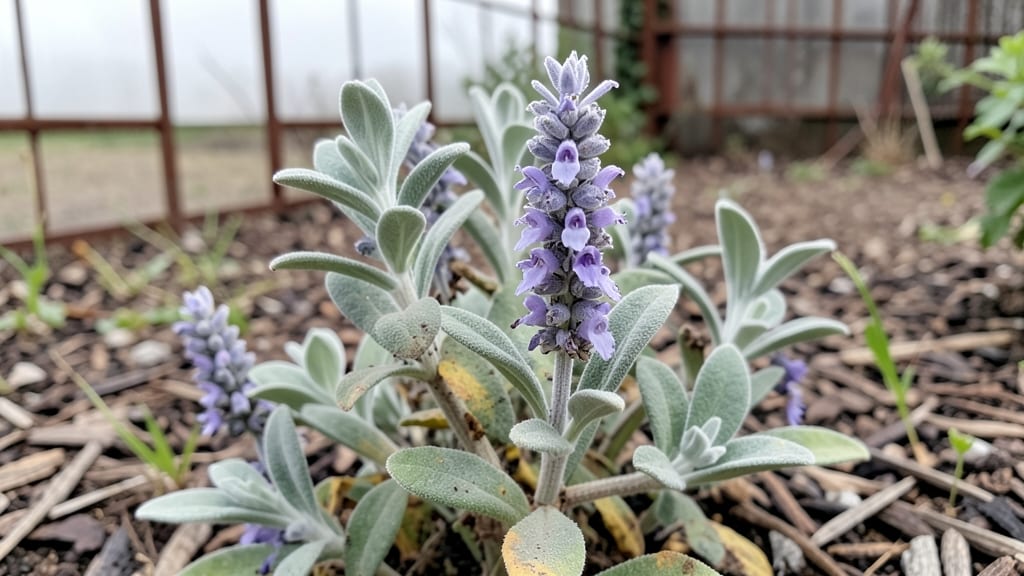
Your garden just got a Pacific Northwest pollinator magnet with sage purple flowers—those velvety striped blooms that hummingbirds can't resist. 🌿 I planted mine last spring, and by summer, bees and butterflies were doing figure-eights around the border like it was a five-star buffet.
The color isn't just pretty; it's a conversation starter at neighborhood barbecues.
The secret to making them shine? Pair them with silver foliage—like lamb's ear or dusty miller—to make the purple pop against the gray-green backdrop.
Add in some white daisies or lavender for texture, and suddenly, you've got a border that looks like it belongs in a botanical garden, not just your backyard. These plants thrive in partial shade too, which is perfect for spots under trees where other flowers would struggle.
What you'll end up with is a low-maintenance, high-impact display that blooms from midsummer through fall. The striped flowers catch the light just right, creating these mesmerizing patterns when the breeze moves them.
Plus, the foliage stays aromatic even after the blooms fade—just brush your fingers over a leaf and you'll know what I mean.
Works equally well in mixed borders, container arrangements, or as a standalone specimen. The best part? They're drought-tolerant once established, so you'll spend less time fussing and more time enjoying the show. Let's talk placement and plant pairings next!
📚 In This Guide
- What you need
- Instructions
- Tips and common mistakes
- Wrapping up and next steps
What you need
- ● Sage purple flowers (Salvia nemorosa 'May Night') – Choose 1-3 plants (or seeds) for a small garden patch or 5+ plants for a bold display.
- ● Well-draining soil mix – 50% native soil + 30% compost + 20% perlite/sand (critical for preventing root rot!).
- ● Sunlight access – Full sun (6+ hours/day) in a sheltered spot (protect from strong winds).
- ● Watering can or hose – 1-2 gallons of water per plant during dry spells (let soil dry slightly between waterings).
- ○ Garden gloves – Optional but helpful for handling prickly stems.
- ● Trowel or transplant spade – For digging holes 2x wider than the root ball.
- ● Pruning shears – To trim dead blooms (sterilize with rubbing alcohol between cuts!).
- ○ Mulch (optional but recommended) – 2-3 inches of shredded bark or straw to retain moisture.
- ● Slow-release fertilizer (5-10-5 NPK ratio) – 1 tbsp per plant in early spring.
- ● Pollinator-friendly companions – Consider lavender, catmint, or bee balm for a thriving ecosystem!
How to grow stunning purple sage blooms for pollinators
Here's the straightforward method I use to coax those dramatic purple-striped flowers from hardy sage plants—perfect for your Pacific Northwest garden.
🌱 Step 1: Select the Right Sage Variety and Planting Site
For those signature purple blooms, choose Salvia nemorosa 'May Night' or Salvia officinalis 'Purpurascens'—both thrive in cooler climates and produce striking lavender-purple flowers. Plant in full sun (at least 6 hours daily) with well-draining soil, since soggy roots will kill your plant before it blooms.
I always test soil drainage by digging a 6-inch hole, filling it with water, and watching how quickly it drains. If water lingers beyond 2 hours, amend with 3 inches of compost and 2 inches of coarse sand to improve drainage. The right site means fewer struggles later—trust me, I've learned this the hard way.
☀️ Step 2: Plant at the Correct Depth and Spacing
Dig a hole twice as wide as the root ball but only as deep—burying too deep smothers the plant's base. Gently loosen the roots if they're circling the pot, then place the sage so the top of the root ball sits level with the soil surface. This ensures the plant doesn't sink over time.
Space plants 18-24 inches apart—crowding leads to weak stems and fewer flowers. I like to arrange them in odd-numbered clusters (3, 5, or 7 plants) to create natural-looking drifts that pollinators adore. Water deeply right after planting to settle the soil around the roots.
💧 Step 3: Water Deeply but Infrequently
Sage hates wet feet, so water only when the top 2 inches of soil feel dry—usually once a week in summer, less in winter. I use a soaker hose or drip irrigation to deliver moisture directly to the roots without wetting the leaves, which prevents fungal diseases like powdery mildew.
Deep watering encourages strong root growth, which means more robust stems to support those showy purple blooms. You'll know you're doing it right when the soil between waterings feels like a slightly damp sponge—not bone-dry or soggy.
✂️ Step 4: Prune Strategically for More Flowers
Cut back one-third of the oldest stems in early spring to encourage new growth and more flowers. I always use clean, sharp pruners to make 45-degree cuts just above a set of leaves. This shape helps water bead off the foliage, keeping diseases at bay.
Deadhead spent blooms in late summer by snipping off the flower spikes—this redirects the plant's energy into producing fresh purple blooms instead of setting seed. I wait until after the first frost to do any major pruning, as cold weather can stress newly cut plants.
🪴 Step 5: Mulch and Protect for Winter
Spread 2-3 inches of mulch around the base of the plant in late fall, keeping it 2 inches away from the stem to prevent rot. I use straw or shredded bark because it breaks down slowly and improves soil structure over time. This mulch layer acts like a blanket, protecting roots from freezing temperatures.
In the Pacific Northwest, where winters can be damp, I also add a lightweight frost cloth over the plants during the coldest months. Remove it on mild days to prevent mold buildup. With proper winter care, your sage will reward you with even more dramatic purple blooms the following season.
Tips & tricks for perfect purple sage blooms
Here's what I've learned from years of growing these showstopping purple sage varieties—tricks that'll make your pollinator garden truly stand out.
Soil Test Tip: Before planting, grab a handful of your native soil and squeeze it—if it stays clumped together after releasing, it's too dense. Sage roots need that 2-hour drainage test to thrive. I've seen plants wilt dramatically when planted in heavy clay because their roots suffocate. If your soil fails the test, mix in 3 inches of compost and 2 inches of coarse sand right in the planting hole for instant improvement.
Planting Depth Secret: The level soil surface rule is critical—I've buried plants too deep twice, and they struggled to establish. Use a level or even a straight stick to check that the top of the root ball sits perfectly flush with the surrounding soil. This prevents crown rot and ensures strong growth from the start.
Watering Wisdom: That once-a-week guideline works for most summers, but Pacific Northwest weather can be unpredictable. I check moisture by sticking my finger 2 inches deep—if it feels dry, water deeply. The key is getting those roots to grow deep rather than staying shallow. Overwatering is the #1 killer of sage plants, so when in doubt, wait a day or two longer.
Pruning Pro Tip: When you're deadheading those spent blooms in late summer, don't just snip at the top—cut back to just above a set of leaves. This encourages bushier growth and more flower spikes next season. I always sterilize my pruners with rubbing alcohol between cuts to prevent spreading diseases between plants.
Pro Tips for Sage Purple Flowers
- Here's what I've learned from years of growing these showstopping purple sage varieties—tricks that'll make your pollinator garden truly stand out.
- Soil Test Tip: Before planting, grab a handful of your native soil and squeeze it—if it stays clumped together after releasing, it's too dense.
- Planting Depth Secret: The level soil surface rule is critical—I've buried plants too deep twice, and they struggled to establish.
Frequently asked questions
Got questions about cultivating or caring for sage purple flowers? You’re not alone! Here are some of the most common queries—and their answers—to help you grow these pollinator-friendly beauties with confidence.
What’s the best time to plant sage purple flowers in the Pacific Northwest?
For Salvia nemorosa (the most common sage with purple blooms), plant in early spring after the last frost or in early fall (4–6 weeks before your first frost). This gives roots time to establish before winter or summer heat. USDA Zone 4–9 is ideal—perfect for PNW gardens!
How long does it take for sage purple flowers to bloom after planting?
Patience pays off! With proper care, expect blooms 60–90 days after planting in the first year. Mature plants (year 2+) may flower even earlier, especially if deadheaded regularly. Pro tip: Use a slow-release fertilizer at planting to boost early growth.
Are sage purple flowers really that great for pollinators?
Absolutely!
These flowers are a magnet for bees, butterflies, and hummingbirds. Their striped blooms guide pollinators to nectar, and they’re drought-tolerant once established—meaning they thrive in PNW’s dry summers and attract wildlife year-round.
What if my sage purple flowers aren’t blooming? Troubleshooting tips.
Try these fixes if your plant is leafy but not flowering:
- Too much nitrogen: Switch to a low-nitrogen, high-phosphorus fertilizer (like 5-10-10) to encourage blooms.
- Overcrowding: Space plants 18–24 inches apart for better airflow and sunlight.
- Late pruning: Cut back after flowering (never in spring)—this prevents overgrowth and promotes next year’s blooms.
- Not enough sun: Sage needs 6+ hours of sunlight daily; move to a sunnier spot if in shade.
Still struggling? Check for pests like spider mites or aphids—spray with neem oil if needed.
Can I grow sage purple flowers in containers? What’s the best setup?
Yes! Use a 5-gallon pot or larger with well-draining soil (mix garden soil with perlite or sand). Ensure the container has drainage holes to prevent root rot. Place in full sun and water when the top 1–2 inches of soil are dry. Container-grown sage may bloom slightly later but still attracts pollinators.
Wrapping up and next steps
Sage purple flowers aren’t just a stunning addition to your garden—they’re a powerhouse for pollinators and a bold statement for your landscape! 🌸 With their striking purple blooms and easy-care nature, they’re perfect for both beginners and seasoned gardeners.
Whether you’re drawn to their beauty or their eco-friendly benefits, these flowers are a win-win.
Ready to bring this pollinator magnet into your space? Start by choosing the right variety for your climate, then grab your gardening tools and get planting! Your future blooms—and the bees—will thank you. 🐝✨