Flowers
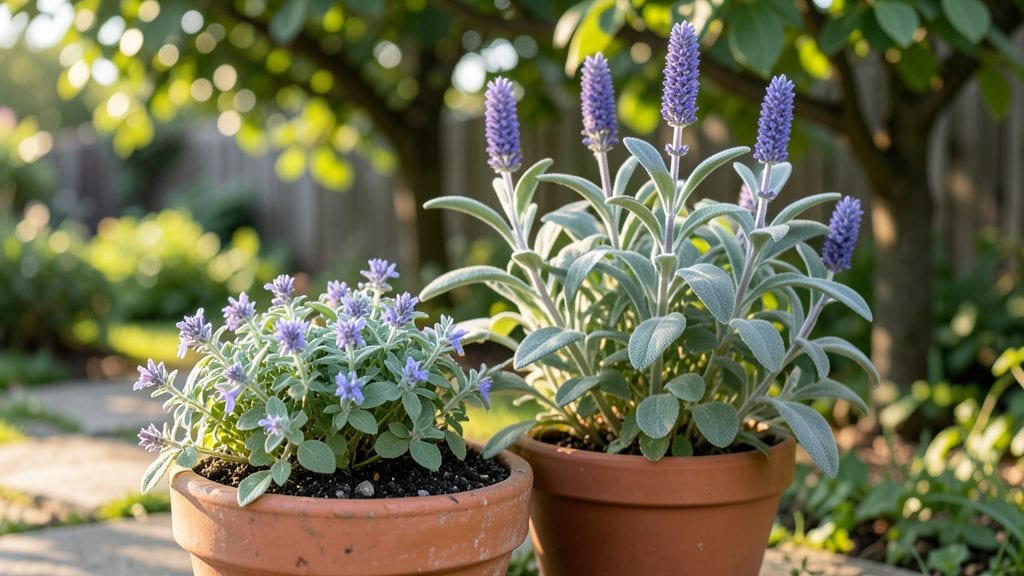
Sage and flowers together create a garden that hums with life and smells like summer in a jar. 🌿 I learned this the hard way—planting sage as an afterthought only to realize it’s the secret weapon for both beauty and pollinator traffic.
Its silvery foliage and piney fragrance turn ordinary flower beds into sensory experiences, while its hardiness makes it the perfect partner for almost any bloom.
The magic happens when you pair sage with flowers that love similar conditions—think lavender, marigolds, or salvias. These combos thrive in full sun, need minimal fuss, and create stunning contrasts: the deep purple of lavender against sage’s silvery-blue leaves, or the fiery orange of marigolds popping against its muted tones.
Even cottage gardens benefit, with sage softening the edges of roses or filling gaps between perennials.
What you end up with is a garden that works harder than it looks—fragrant enough to make you pause and breathe, yet simple enough that even a busy gardener can maintain it. Pollinators adore the mix, and the colors?
They’re the kind that make neighbors stop and ask for your secrets. The best part? Sage keeps producing all season, turning your flower beds into a year-round show.
Whether you’re designing a Mediterranean-themed border or just sprucing up a container, sage fits everywhere. Start small—try a few pots or a single row—and watch how it transforms your space into something that’s both useful and undeniably beautiful. The pollinators will thank you too.
📚 In This Guide
- What you need
- Instructions
- Tips and common mistakes
- Wrapping up and next steps
What you need
- ● Sage plants: 3–5 Salvia officinalis (common sage) or Salvia nemorosa (purple sage) plants (6–12 inches tall, healthy roots).
- ● Complementary flowers: 3–5 Lavender plants (Lavandula spp., 6–12 inches tall).
- ● 3–5 Catmint (Nepeta spp., 12–18 inches tall).
- ● 3–5 Coneflowers (Echinacea spp., 18–24 inches tall).
- ● 3–5 Yarrow (Achillea millefolium, 12–24 inches tall).
- ● Soil: 1–2 bags (10–15 lbs each) of well-draining potting mix or native soil amended with compost (for in-ground planting).
- ○ Containers (optional for small spaces): 3–5 10–12 inch pots with drainage holes (terracotta or fabric).
- ● Mulch: 1–2 bags (5–10 lbs) of organic mulch (straw, pine needles, or shredded bark).
- ● Watering can or hose: With a gentle spray nozzle for even moisture.
- ● Garden gloves: A pair to protect your hands while planting.
- ● Pruning shears: Sharp, clean pair for trimming.
- ● Pollinator-friendly seeds: Borage, Calendula, or Bee balm for extra fragrance and color.
- ● Eggshells or crushed rock: For slow-release calcium (boosts soil health).
- ● Decorative stones: Flat river rocks or pebbles to enhance aesthetics.
- ● Slow-release fertilizer: Balanced 10-10-10 or organic compost tea for a nutrient boost.
- ● Birdhouse or bee hotel: To attract pollinators and complete the ecosystem!
Step-by-step instructions for designing a pollinator-friendly sage and flower garden
Here's how to create a fragrant, bee-loving garden that thrives with sage as the star.
🌱 Step 1: Select Your Sage Varieties and Flower Companions
Choose drought-tolerant sage like 'Purpurascens' or 'Berggarten' for their silvery foliage and strong aroma. Pair them with pollinator magnets like lavender, catmint, or coneflowers—these flowers attract bees while complementing sage's fragrance. I always include at least three different flower types to ensure continuous blooms from spring to fall.
Position sun-loving plants like sage and lavender in full sun areas (6+ hours daily), while shade-tolerant flowers like asters go near the garden’s edges. This creates a layered look while meeting each plant’s needs. Sketch a rough layout first—sage spreads slowly but needs space to avoid crowding its companions.
🪴 Step 2: Prepare the Soil and Plant Sage First
Amend the soil with 2-3 inches of compost mixed into the top 6 inches of earth. Sage thrives in well-draining soil—if your garden has heavy clay, add sand or perlite to improve drainage. I like to plant sage in clumps of 3-5 plants spaced 18-24 inches apart to create a fragrant foundation.
Dig holes twice as wide as the root ball but only as deep. Gently remove the sage from its pot, loosen the roots if they’re circling, and place it in the hole so the top of the root ball sits level with the soil surface. Water deeply to settle the roots before adding flowers around it.
🌿 Step 3: Plant Flowers in Strategic Layers
Add tall flowers like bee balm or Russian sage 12-18 inches behind the sage to avoid shading it. Medium-height plants like catmint or salvia go 6-12 inches in front, while low-growing flowers like creeping thyme or alyssum fill gaps at the base. This creates a textured, bee-friendly tapestry that looks stunning from every angle.
Space flowers according to their mature size—coneflowers need 18-24 inches, while lavender thrives in tight clusters. Water each plant deeply after planting to encourage root establishment. Mulch with 2 inches of shredded bark to retain moisture and suppress weeds, but keep mulch 6 inches away from sage stems to prevent rot.
☀️ Step 4: Maintain for Pollinators and Fragrance
Water deeply once a week (or more in extreme heat) to encourage deep root growth. Sage is drought-tolerant but looks best with consistent moisture during its first growing season. Prune sage lightly in early spring to shape it and remove dead growth, but avoid heavy pruning—this can reduce its fragrance.
Deadhead spent flowers regularly to prolong blooming and attract more pollinators. I like to harvest a few sprigs of sage for cooking mid-summer, but never take more than one-third of the plant at once. This keeps the plant healthy while still giving you fresh herbs.
⏰ Step 5: Seasonal Care for Long-Term Beauty
In fall, trim back any dead or damaged foliage but leave sage stems standing for winter interest. Apply a light layer of mulch before cold weather to protect roots. In early spring, fertilize lightly with balanced organic fertilizer (10-10-10) to encourage new growth without overstimulating the plants.
Watch for pests like aphids or spider mites—sage is generally pest-resistant, but flowers may attract them. Spray affected areas with neem oil or a soapy water solution if needed. With this care, your garden will burst with fragrance, color, and buzzing pollinators all season long.
Tips & tricks for perfect sage and flower garden pairings
Creating a pollinator-friendly garden that thrives with sage as the centerpiece takes a few thoughtful tricks to ensure everything grows beautifully together.
Sage Variety Selection: Don't just grab any sage! Choose varieties like 'Purpurascens' or 'Berggarten' for their fragrant foliage and drought tolerance. These types hold up better in hot, dry conditions while still attracting pollinators. I've learned the hard way that common culinary sage can be less aromatic and more prone to bolting—stick with these varieties for the best fragrance and garden performance.
Soil Preparation Strategy: The 2-3 inches of compost mixed into the top 6 inches of soil is non-negotiable for sage. But here's the trick: if your soil is particularly heavy clay, add sand or perlite to create that perfect well-draining environment. I like to test my soil first by squeezing a handful—if it holds its shape like a rock, you definitely need those amendments. The goal is to mimic sage's natural Mediterranean habitat right in your garden.
Layering Layout: When planting your flowers in Step 3, think vertically! Tall flowers like bee balm should go 12-18 inches behind your sage clumps to avoid shading them, while low-growing thyme or alyssum should fill the front spaces. This creates a natural tiered effect that's both beautiful and functional. I sketch a simple diagram first to visualize how everything will look at maturity—it saves you from having to move plants later when they outgrow their spaces.
Pollinator Magnet Tips: To maximize bee activity, include flowers that bloom at different times. For example, plant early bloomers like crocus alongside your sage, then add coneflowers and black-eyed Susans for mid-summer color, and finish with late-season asters. This ensures your garden stays buzzing with pollinators from spring through fall. I've seen gardens with just one type of flower get busy for only a few weeks—diversity is key!
Pro Tips for Sage And Flowers
- Creating a pollinator-friendly garden that thrives with sage as the centerpiece takes a few thoughtful tricks to ensure everything grows beautifully together.
- Sage Variety Selection: Don't just grab any sage!
- Soil Preparation Strategy: The 2-3 inches of compost mixed into the top 6 inches of soil is non-negotiable for sage.
Frequently asked questions
Got questions about pairing sage and flowers for your garden? You’re not alone! Here are some common queries—and their answers—to help you create a fragrant, pollinator-friendly space with ease.
What flowers pair best with sage for pollinators?
Sage thrives alongside pollinator magnets like lavender, bee balm, coneflowers, and sunflowers. These plants share similar care needs (sunlight, well-draining soil) while attracting bees, butterflies, and hummingbirds. Pro tip: Plant salvia (sage family) near your sage for a cohesive, low-maintenance pollinator buffet!
When is the best time to plant sage and flowers together?
For spring planting, wait until after the last frost (when soil is at least 60°F). If planting in fall, do it 6–8 weeks before the first frost in your zone. Sage is hardy, but tender flowers (like marigolds) need warmer soil to establish roots. Troubleshooting: If your area has unpredictable weather, opt for cold-hardy sage varieties (e.g., Salvia officinalis) paired with coreopsis or yarrow.
Can I grow sage and flowers in containers?
Sage’s compact varieties (like Salvia ‘Berggarten’) work beautifully in pots with flowers like petunias, geraniums, or thyme. Use a well-draining mix (add perlite or sand) and containers with drainage holes. Space tip: Place taller flowers (e.g., snapdragons) behind sage to avoid shading. Rotate containers every few weeks for even sun exposure.
How do I keep pests away from sage and flowers?
Sage naturally repels many pests, but aphids or spider mites might still visit flowers. Preventative care:
- Neem oil spray (weekly during blooming season).
- Plant garlic or basil nearby as companion plants.
- Encourage ladybugs by adding dill or fennel to your garden.
What’s the secret to making sage and flowers smell amazing?
For maximum fragrance, plant sage near flowers with strong scents like roses, jasmine, or lilacs. Crush sage leaves occasionally to release their aroma, and avoid overwatering (wet foliage dulls scent). Bonus hack: Bundle fresh sage stems with dried lavender or rose petals for DIY potpourri.
Wrapping up and next steps
Creating a fragrant garden with sage and flowers isn’t just about beauty—it’s a gift to your senses and the buzzing pollinators that visit! 🌸 From attracting bees to bees (literally and figuratively) with their aromatic charm, these pairings bring life, color, and tranquility to your outdoor space.
Whether you’re a seasoned gardener or just starting, every small step—like planting a single sage bush or a cluster of lavender—makes a difference.
Ready to dive in? Start small: pick one or two plants from this guide, sketch a cozy corner in your yard, and let nature do the rest. Before you know it, your garden will be a fragrant haven that both you and the pollinators will love. Happy planting! 🌿✨