
Tools
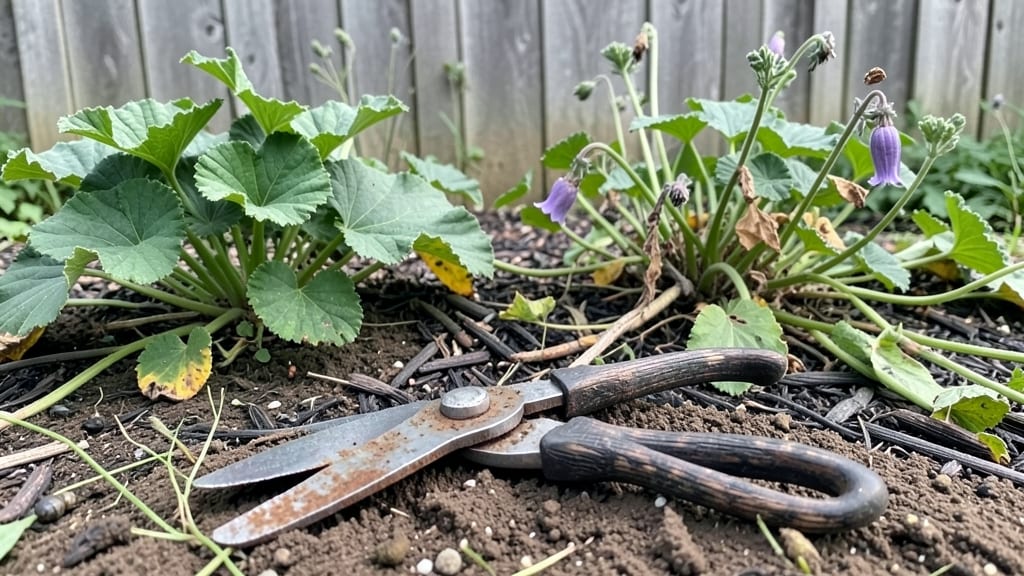
My flower gardening tools collection started with just a trowel and a pair of scissors—until I realized how much more efficient (and less frustrating) the right gear makes everything.
The difference between a handful of blooms and a garden bursting with color often comes down to having the right tools for the job, from planting to deadheading.
I’ve since upgraded to a set that handles everything from delicate petunia stems to stubborn weeds, and it’s made my gardening life so much easier.
You don’t need to spend a fortune, but investing in quality tools like bypass pruners, a sturdy hand trowel, and a long-handled weeder will save you time and frustration. These basics let you plant with precision, prune cleanly, and keep your garden tidy without straining your back.
I also keep a small watering can with a rose attachment for gentle hydration—no more blasting flowers with a hose. The right tools turn gardening from a chore into a joyful, productive ritual.
With the proper equipment, you’ll see blooms last longer, plants thrive with less effort, and weeds stay under control. Imagine snipping dead flowers without crushing stems or digging up delicate roots—it’s the small upgrades that make all the difference.
Once you’ve got your toolkit, maintenance becomes almost effortless, and your garden will reward you with vibrant, healthy blooms all season long.
Whether you’re working in a sunny border or a shady corner, these tools adapt to any space. Start with the essentials, then expand as you discover what works best for your style. Your flowers—and your back—will thank you.
📚 In This Guide
- What you need
- Instructions
- Tips and common mistakes
- Wrapping up and next steps
What you need
- ● Hand Trowel – 1 (5-7" stainless steel, ergonomic handle for comfort)
- ● Pruning Shears – 1 (bypass-style, sharp blades for clean cuts)
- ● Garden Gloves – 1 pair (durable, breathable, and thorn-resistant)
- ● Watering Can – 1 (1-2 gallon capacity with a rose attachment)
- ● Garden Fork – 1 (heavy-duty, 12-18" for soil aeration)
- ● Rake – 1 (bend-resistant, medium-tooth for leveling soil)
- ● Hose with Adjustable Nozzle – 1 (for deep watering and cleaning tools)
- ● Long-Handled Pruners – 1 (for high-reaching branches)
- ● Garden Kneeler/Pad – 1 (cushioned for comfort during long sessions)
- ● Soil pH Tester – 1 (digital for precise readings)
- ● Plant Labels & Marker – 1 set (waterproof tags + permanent marker)
- ● Wheelbarrow – 1 (for hauling soil, mulch, or compost)
- ○ Mulch Blower – 1 (optional for large gardens)
- ● Sunlight Assessment – Measure daily sunlight exposure (full sun, partial shade, etc.)
- ○ Soil Test Kit – Optional but recommended (check nutrients and pH)
- ● Garden Layout Plan – Sketch your design (include plant spacing and heights)
- ● Water Source Access – Ensure proximity to a hose or irrigation system
How to select and use essential flower gardening tools
Every great flower garden starts with the right tools—here’s how to choose and use them for clean cuts and healthy plants.
Choose a High-Quality Pruning Shear
Invest in a bypass pruning shear with 5-inch blades—they make precise cuts that heal faster than snips or loppers. Look for stainless steel to resist rust and ergonomic handles to reduce hand fatigue during long sessions. I test each cut by running my thumb along the blade edge; if it feels sharp enough to nick skin, it’s sharp enough for flowers.
For delicate blooms like roses or hydrangeas, a 45-degree angle on cuts just above a leaf node encourages new growth. Avoid dull tools—they crush stems, inviting disease. I keep a small oil stone handy to maintain the edge between uses. Store shears in a dry, shaded spot to prevent rust, and wipe them clean with rubbing alcohol after each session.
Select the Right Trowel and Hand Fork
A stainless steel trowel with a 6-inch blade is essential for transplanting, weeding, and edging. Choose one with a comfort grip—you’ll be using it daily. For dividing perennials or loosening compacted soil, a hand fork with 4-inch tines works better than a full-size fork. I pair mine with a soil knife for precision cuts around roots without damaging nearby stems.
Use the trowel to dig small holes for bulbs or seedlings—2-3 times the root ball width ensures roots spread freely. The hand fork’s tines let you break up soil without disturbing nearby plants. After use, rinse tools with water and mild soap, then dry thoroughly to prevent corrosion. Store them in a tool shed or garage to protect from extreme weather.
Master the Art of Deadheading
Deadheading—removing spent blooms—extends flowering seasons and redirects energy to new growth. Use clean, sharp pruners to cut just above the first set of healthy leaves below the bloom. For annuals like zinnias or petunias, this encourages continuous blooming for weeks longer than untreated plants.
I deadhead in the early morning when plants are hydrated and less stressed. For perennials like coneflowers, wait until the seed head dries completely before cutting—it adds winter interest and attracts pollinators. Always sterilize your tools with 70% isopropyl alcohol between plants to prevent spreading fungal spores.
Maintain Soil Health with a Cultivator
A hand cultivator with interlocking tines aerates soil without disturbing roots, improving water and nutrient absorption. Use it 2-3 inches deep around perennials and shrubs to break up compacted layers. I work in small sections, turning the cultivator at a 45-degree angle to avoid damaging shallow roots.
For mulched beds, cultivate along the edges to prevent soil from piling up against stems. After use, brush off excess soil and store the cultivator in a dry area to prevent rust. Pair it with a leaf rake to smooth mulch evenly—this keeps weeds at bay while retaining moisture.
Store Tools Properly for Longevity
Clean all tools after each use with a wire brush to remove sap, dirt, and debris. Apply a light coat of mineral oil to metal parts to prevent rust, especially after wet weather. Store shears and loppers blade-down in a tool roll or wall mount to protect the edges, and hang trowels and forks from a pegboard organizer for easy access.
I keep a small toolkit with extra screws, washers, and replacement blades—most tools last years with basic maintenance. Label each tool with paint or tape if you have a large collection, and inspect them seasonally for signs of wear. Proper storage extends their life and keeps your garden looking sharp.
Tips & tricks for perfect flower gardening tool selection and use
A few key strategies will help you maximize your flower gardening tools for healthier plants and cleaner cuts that make all the difference.
Precision Cutting Technique: When using your bypass pruning shears on delicate blooms like roses or hydrangeas, focus on making cuts at exactly a 45-degree angle just above a leaf node. This angle allows water to run off the cut stem rather than pool and rot. I've found that holding the plant firmly with one hand while cutting with the other creates more stable cuts—this prevents the stem from slipping and creating jagged edges that can invite disease.
Tool Maintenance Essentials: The longevity of your tools depends entirely on proper care. After each use, I make it a habit to clean my pruning shears with rubbing alcohol to remove sap and bacteria, then apply a light coat of mineral oil to prevent rust. For trowels and forks, I rinse them immediately after use with water and mild soap, then store them upside down to allow complete drying. This simple routine has kept my tools in perfect working condition for over five years.
Deadheading Timing Strategy: The early morning is the absolute best time to deadhead your flowers because plants are fully hydrated and more resilient to pruning. I've noticed that deadheading at this time reduces stress on the plant compared to afternoon sessions. For perennials like coneflowers, I wait until the seed head has completely dried before cutting—this preserves the plant's natural seed production cycle while still maintaining a neat appearance.
Soil Cultivation Depth: When using your hand cultivator, aim for a depth of 2-3 inches around perennials and shrubs. This depth range is perfect for breaking up compacted soil without disturbing the root systems of shallow-rooted plants. I work in small sections, rotating the cultivator at a 45-degree angle to create vertical channels that improve water penetration while avoiding root damage. This technique has dramatically improved the health of my established perennials.
Pro Tips for Flower Gardening Tools
- A few key strategies will help you maximize your flower gardening tools for healthier plants and cleaner cuts that make all the difference.
- Precision Cutting Technique: When using your bypass pruning shears on delicate blooms like roses or hydrangeas, focus on making cuts at exactly a 45-degree angle just above a leaf node.
- Tool Maintenance Essentials: The longevity of your tools depends entirely on proper care.
Frequently asked questions
Got questions about the right tools for your flower garden? You’re not alone! Here are some of the most common queries—plus straightforward answers to help you garden like a pro.
What are the essential flower gardening tools I must have?
Start with a hand trowel, pruners, garden gloves, and a watering can. For bigger tasks, add a long-handled weeder and garden fork. These basics cover planting, trimming, and maintenance—no fancy (or expensive) tools needed!
When is the best time to use pruning shears vs. loppers?
Use pruning shears for small stems (<1 inch thick) year-round, especially for deadheading or shaping. Loppers handle thicker branches (up to 2 inches) and are ideal for winter pruning or removing deadwood. Pro tip: Always sterilize blades with rubbing alcohol to prevent disease spread!
Are cheap tools as good as expensive ones for flower gardening?
Not always! Invest in durable pruners (like bypass or anvil styles) and stainless steel blades to avoid rust and dullness. Cheap tools may bend or rust quickly, making tasks frustrating. Splurge on: gloves, shears, and a solid watering can—your plants (and hands) will thank you!
How do I clean and store my tools to extend their life?
After use, wipe tools with a damp cloth, then dry thoroughly. Oil metal parts (like pruner blades) and store in a dry, shaded spot (a tool shed or garage works). Never store wet tools! Rust is the enemy of longevity. Bonus: Hang tools by their handles to prevent warping.
What can I use if I don’t have a specific tool?
No trowel? A plastic spoon or old credit card works for planting small seeds. Missing loppers? A hacksaw (in a pinch) or even a sharp knife can cut thicker branches—just be cautious! Safety first: Avoid makeshift tools for delicate tasks like deadheading.
Wrapping up and next steps
Flower gardening is a rewarding journey, and having the right flower gardening tools makes all the difference! From pruners to gloves, each tool plays a key role in shaping your garden’s success. With the right gear, you’ll enjoy year-round blooms and effortless maintenance—because every cut counts. 🌸
Now that you’re armed with knowledge, it’s time to roll up your sleeves! Start by picking one tool from this guide and practice using it—maybe prune a few overgrown stems or prep your soil. Small steps lead to big, beautiful gardens. Happy gardening! 🌱