
Flowers
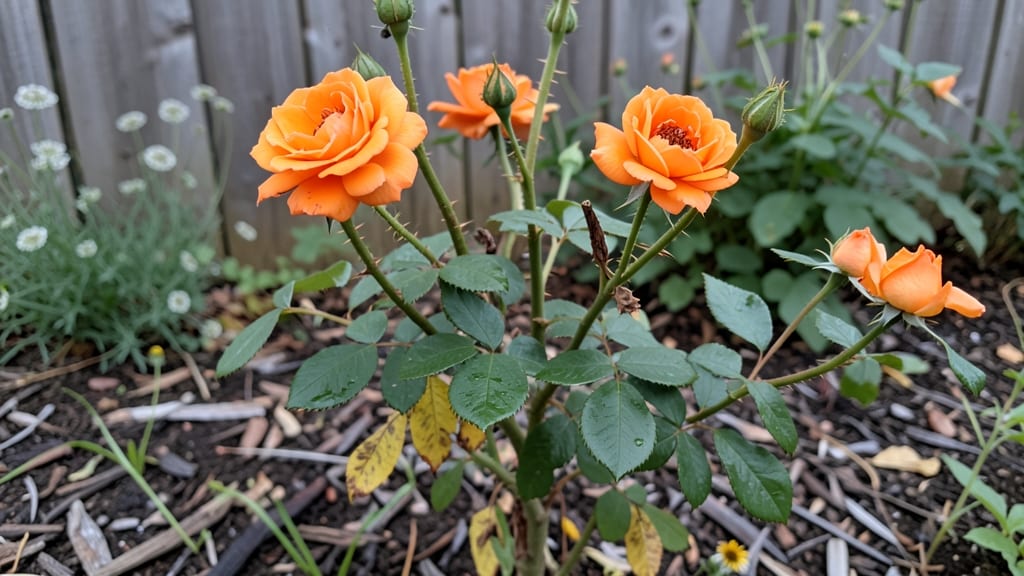
Growing an orange rose flower that bursts with color and fragrance in your chill-climate garden is easier than you think—especially when you start with the right variety like 'Orange Triumph' or 'Orange Glow'.
I’ve grown these fiery blooms in my Zone 5 garden for years, and their ability to handle cooler temperatures makes them a standout choice for gardeners who love bold color without the fuss.
The secret to their success lies in well-draining soil and morning sunlight, but don’t overthink it—these roses are tougher than they look. You’ll need a spot that gets at least 6 hours of sun daily, and a mix of compost to keep the roots happy.
Water deeply once a week (more in extreme heat), and watch those blooms multiply like fireworks in your yard.
By late summer, you’ll be snipping stems for bouquets that smell like sunshine, and the best part? These roses keep blooming well into fall.
Prune back in early spring to encourage new growth, and you’ll avoid the most common mistakes—like overwatering or skipping deadheading—that can turn vibrant blooms into leggy shadows.
Whether you’re a first-timer or a seasoned gardener, these tips will help you grow orange roses that turn heads and fill your garden with a sweet, citrusy scent. Ready to get started?
📚 In This Guide
- What you need
- Instructions
- Tips and common mistakes
- Wrapping up and next steps
What you need
- ● Orange rose plant: 1 bare-root rose (disease-resistant variety like 'Knock Out® Orange' or 'Sunset Promise')
- ● OR 1 potted orange rose (ensure it’s healthy with vibrant foliage)
- ● Soil: 5–10 gallons of well-draining rose-specific soil mix (or a blend of 60% topsoil, 30% compost, and 10% perlite/sand)
- ● Fertilizer: 1 lb of balanced rose fertilizer (10-10-10 or 5-10-5 NPK ratio)
- ● 1 tbsp of Epsom salt (for magnesium boost)
- ● Planting supplies: 1 gallon of mulch (pine bark or shredded leaves)
- ● 1–2 rose canes or stakes (5–6 ft tall, for support)
- ● 1 roll of landscape fabric (to suppress weeds)
- ● Watering tools: 1 hose with a gentle spray nozzle (or a watering can)
- ○ 1 drip irrigation kit (optional but highly recommended for consistent moisture)
- ● 1 pruning shears (sterilized with rubbing alcohol)
- ● 1 rose food supplement (like fish emulsion or seaweed extract)
- ● 1 pH testing kit (to ensure soil pH is 6.0–6.5)
- ● 1 frost cloth (for chilly climates, Zone 3–6)
- ● 1 compost tea (for extra nutrients and disease prevention)
Step-by-Step guide to growing vibrant orange roses
Here's how to coax those fiery orange blooms from bare root to fragrant perfection—even in cooler climates.
Select the Right Variety for Your Climate
Not all orange roses thrive equally. For cooler climates, opt for hardy varieties like 'Mister Lincoln' (zone 4) or 'Orange Sensation' (zone 5), which tolerate temperatures down to 10°F. These varieties also resist black spot disease, a common issue with many orange roses. Check your USDA hardiness zone before purchasing—some tropical varieties simply won't survive winter in colder regions.
When buying bare-root roses, inspect the canes for healthy, firm buds. Avoid any with dried-out or mushy roots—these won't establish well. I always soak my new roses in water for 4-6 hours before planting to rehydrate the roots. This simple step gives them a stronger start and reduces transplant shock.
Prepare the Planting Site for Optimal Growth
Orange roses demand full sun—at least 6 hours daily—but they also appreciate afternoon shade in extremely hot climates. Choose a location with well-draining soil; roses hate soggy roots. If your soil is heavy clay, amend it with 3-4 inches of compost and a handful of perlite to improve drainage. I test my soil's pH first—roses prefer 6.0-6.5, and you can adjust with sulfur or lime if needed.
Dig a hole twice as wide as the root ball but only as deep as the roots themselves. Loosen the roots gently if they're circling or bound. This prevents girdling, which strangles the plant as it grows. Mix a handful of bone meal into the bottom of the hole—this provides phosphorus for strong root development right from the start.
Plant and Water for Strong Establishment
Place the rose in the hole so the graft union (the bulge near the base) sits 2 inches above soil level. This protects it from disease and prevents the roots from suffocating. Backfill with native soil mixed with compost, tamping lightly as you go. Water deeply to settle the soil and eliminate air pockets around the roots.
After planting, water once daily for 2 weeks to encourage root growth. You'll know you're doing it right when the soil stays evenly moist but not soggy. Mulch with 2-3 inches of wood chips, keeping it 6 inches away from the stem to prevent rot. This conserves moisture and regulates soil temperature—critical for roses in cooler climates.
Prune and Fertilize for Continuous Blooms
Prune in early spring before new growth appears. Remove dead, diseased, or crossing branches first, then cut back remaining canes by one-third to encourage bushier growth. Always make cuts at a 45-degree angle just above an outward-facing bud. This promotes better air circulation and stronger blooms. I deadhead spent flowers regularly—this redirects the plant's energy into producing more vibrant orange blooms.
Feed roses every 4-6 weeks during growing season with a balanced rose fertilizer (10-10-10 ratio). In cooler climates, reduce feeding in fall to allow the plant to harden off for winter. Water deeply at the base—never overhead—to prevent fungal diseases. You'll see the difference in just a few weeks: thicker canes, more buds, and those coveted orange petals.
Protect and Maintain Through Winter
In zones 6 and colder, protect your roses with 4-6 inches of mulch after the first frost. Wrap the canes loosely with burlap or a rose cone to shield them from freezing winds. I also mound extra soil around the base—this insulates the graft union and prevents heaving during freeze-thaw cycles. Check monthly for moisture; water lightly if the ground feels dry.
Prune again in late winter (just before buds swell) to remove any winter-damaged canes. You'll know which ones to cut back—they'll be blackened or shriveled. Once spring arrives, remove all winter protection gradually to avoid shocking the plant. Resume regular care, and you'll be rewarded with earlier and more abundant blooms than neighbors who don't winterize properly.
Tips & tricks for growing vibrant orange roses
Here's what I've learned from years of growing these stunning orange blooms—especially in cooler climates where most roses struggle.
Variety Matters: The 4-6 hour soak before planting is crucial, but don't stop there. After soaking, trim any damaged roots with clean pruners—this prevents disease from entering through open wounds. I also recommend planting when temperatures are above 50°F; cooler soil temperatures can shock the roots even after soaking. The right variety ('Mister Lincoln' or 'Orange Sensation') combined with this careful handling gives you that 10°F hardiness protection mentioned in Step 1.
Soil Preparation Secret: When amending your soil with 3-4 inches of compost and perlite, mix in a handful of egg shells (crushed) as well. The calcium helps prevent black spot disease that plagues many orange roses. I also add a slow-release organic fertilizer to the hole—this gives your rose a nutrient boost right from planting day without burning the roots. Remember, roses prefer that 6.0-6.5 pH range we talked about in Step 2.
Watering Wisdom: That 2-week daily watering period is non-negotiable, but here's the trick: water in the morning so the foliage dries completely by evening. Wet leaves overnight invite fungal diseases. I use a soaker hose to deliver water directly to the roots, keeping those 2-3 inches of wood chips mulch moist but not soggy. The mulch acts like a blanket—keeping roots warm in winter and cool in summer.
Pruning Precision: When you're cutting back canes by one-third in Step 4, make sure your pruners are sharp and clean. Dull blades tear the stems, inviting infection. I always sterilize my pruners with rubbing alcohol between cuts. And here's a pro move: after pruning, spray the cuts with a fungicide to prevent black spot. This simple step keeps your orange roses looking vibrant all season.
Pro Tips for Orange Rose Flower
- Here's what I've learned from years of growing these stunning orange blooms—especially in cooler climates where most roses struggle.
- Variety Matters: The 4-6 hour soak before planting is crucial, but don't stop there.
- Soil Preparation Secret: When amending your soil with 3-4 inches of compost and perlite, mix in a handful of egg shells (crushed) as well.
Frequently asked questions
Can orange roses grow in cold climates?
Many orange rose varieties, like 'Knock Out® Orange' or 'Orange Sensation', are bred for cold hardiness. They can survive USDA zones 3-9, making them perfect for chilly regions. Just ensure they’re planted in well-draining soil and mulched in winter for extra protection.
How often should I water orange roses?
Water orange roses deeply 1-2 times per week, depending on your climate. Aim for 1-1.5 inches of water per week, focusing on the root zone. Avoid overhead watering to prevent fungal diseases. Pro tip: Water in the early morning to reduce evaporation and pests.
When is the best time to prune orange roses?
Prune orange roses in late winter or early spring (before new growth starts) to shape the plant and encourage blooms. Light trimming can also happen after flowering to maintain health. Never prune in fall—it can stimulate tender growth that won’t survive winter.
What’s the best fertilizer for orange roses?
Use a balanced, organic fertilizer (like 10-10-10) in spring, then switch to a low-nitrogen, high-phosphorus formula (e.g., 5-10-10) during blooming season. Feed every 4-6 weeks and flush the soil with water afterward to prevent buildup.
How do I prevent pests on orange roses?
Keep an eye out for aphids, spider mites, or rose slugs. Use neem oil or insecticidal soap for mild infestations. For severe cases, introduce beneficial insects like ladybugs. Pro tip: Prune affected areas immediately and dispose of debris to stop reinfestation.
Wrapping up and next steps
The orange rose isn’t just a burst of color—it’s a symbol of passion and resilience, especially in cooler climates where many gardeners assume they won’t thrive. With the right care, these fragrant blooms can flourish, rewarding you with vibrant petals and intoxicating scents.
Whether you're a seasoned gardener or a curious beginner, your patience and attention will pay off in stunning, fragrant results.
Ready to bring a splash of warmth to your garden? Start by selecting the perfect spot, gathering your materials, and following the steps outlined above. Watch your orange rose bloom—and enjoy the sweet, citrusy aroma that makes it all worthwhile! 🌸💛