
Flowers
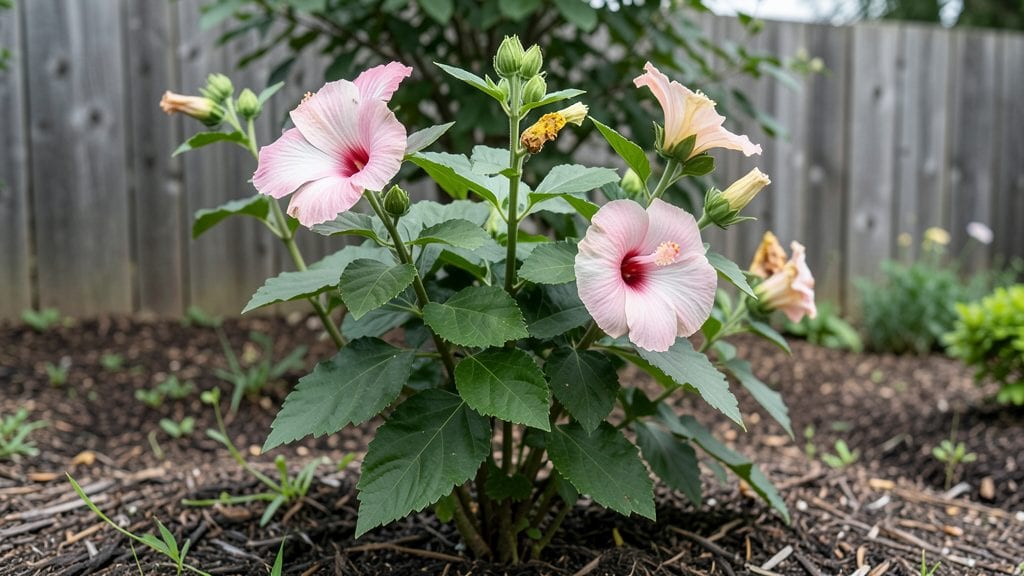
Growing rose mallow flowers in the Pacific Northwest means you get bold, dinner-plate blooms that survive our damp winters better than most tropicals. 🌿 The secret isn't just choosing the right variety—it's mimicking their natural swampy edges with rich soil and consistent moisture, even when temperatures dip.
My first attempt nearly failed until I stopped fighting the climate and worked with it, adding a thick layer of mulch to protect the roots.
These hibiscus relatives thrive in full sun to partial shade, making them perfect for rain gardens, pond edges, or even container growing. The soil needs to be moist but well-draining, so amend heavy clay with compost or sand if needed.
Water deeply once established, but don't let them dry out—they'll reward you with 5-6 inch blooms from midsummer through fall, often reblooming into early winter before the frost.
Pruning is simple: cut back dead growth in early spring, then trim spent blooms to encourage more flowers. My 'Summerific' variety produced over 100 blooms last season with just this basic care.
The key is patience—these plants establish slowly but become low-maintenance workhorses once settled, outlasting many annuals and even some perennials.
For PNW gardeners, the frost resistance is the real game-changer. While most tropical hibiscus die back in cold snaps, rose mallows bounce back year after year.
Plant them where they'll have 6-8 hours of sun and watch them become the star of your late-season garden, long after other plants have faded.
📚 In This Guide
- What you need
- Instructions
- Tips and common mistakes
- Wrapping up and next steps
What you need
- ● Rose Mallow Seeds or Plants: Seeds: 50–100 seeds (for direct sowing) or 5–10 plants (for transplanting). Opt for Hibiscus moscheutos varieties like 'Palace Purple' or 'Southern Belle' for PNW resilience.
- ● Plants: 3–5 mature plants (1–2 feet tall) for immediate impact.
- ● Soil: 6–8 cubic yards of moist, well-draining soil (amend with compost for fertility). Rose mallows thrive in USDA Zones 5–9 but prefer slightly acidic to neutral soil (pH 6.0–7.5).
- ○ Optional: 1–2 bags of peat moss or coconut coir (to improve moisture retention in clay-heavy PNW soil).
- ● Sunlight: Full sun (6+ hours daily) or partial shade (morning sun + afternoon shade for hotter zones).
- ● Water: Hose with a soaker nozzle or drip irrigation system (rose mallows love consistent moisture, especially in the PNW’s dry summers).
- ● Garden Tools: Trowel or transplant spade (for digging holes).
- ● Pruning shears (for shaping and deadheading).
- ● Garden gloves (to protect against thorns and rough stems).
- ● Mulch: 2–3 inches of organic mulch (straw, wood chips, or pine needles) to retain moisture and protect roots from frost.
- ● Fertilizer: Balanced 10-10-10 fertilizer (1–2 lbs per plant, applied in early spring).
- ○ Optional: Slow-release organic fertilizer (like fish emulsion) for nutrient-dense soil.
- ○ Plant Supports (Optional): Sturdy stakes or cages (for tall varieties like 'Lime Green Delight' to prevent flopping in windy PNW conditions).
- ● Timing: Plant seeds in early spring (March–April) or transplant mature plants in late spring (May–June) after the last frost. 🌡️
- ● Location: Choose a spot with at least 3 feet of space between plants (they spread!)
- ● Frost Prep: In colder PNW winters, mulch heavily and cover young plants with frost cloth if temps drop below 20°F. ❄️
- ● Patience: Seeds may take 100–120 days to bloom—plan ahead for summer color!
Step-by-Step instructions for planting rose mallow flowers in the Pacific Northwest
Here’s how to establish hardy rose mallows that thrive through PNW winters and burst into dramatic blooms.
🌱 Step 1: Select the Perfect Location and Prepare the Soil
Choose a site with full sun exposure (6-8 hours daily)—rose mallows need warmth to set blooms but tolerate light shade in hotter inland areas. In the PNW’s cooler climate, prioritize south-facing spots where winter sun lingers. Dig a hole twice as wide as the root ball but only slightly deeper to avoid burying the crown.
Amend the native soil with 2-3 inches of compost mixed into the bottom of the hole. Rose mallows prefer well-draining soil but can handle occasional moisture—PNW’s heavy clay? Add a shovel of perlite to improve aeration. Test drainage by filling the hole with water; if it drains in 30 minutes, you’re good. Slow drainage means you’ll need to raise beds or add sand.
☀️ Step 2: Plant at the Right Time and Depth
In the PNW, plant in early spring (March-April) after the last frost date or in early fall (September-October) to let roots establish before winter. Spring planting gives summer blooms; fall planting builds root strength for next year. Handle the plant gently—rose mallows have delicate taproots that bruise easily.
Position the plant so the top of the root ball sits 1 inch above soil level. Backfill with native soil mixed with compost, pressing lightly to remove air pockets. Water deeply to settle the soil, then add a 2-inch layer of mulch (straw or shredded bark) to retain moisture and protect roots from winter’s freeze-thaw cycles. Keep mulch 6 inches away from the stem to prevent rot.
💧 Step 3: Water Deeply and Establish a Consistent Routine
Water newly planted rose mallows 2-3 times per week for the first month, providing 1 gallon per plant each time. In the PNW’s humid summers, focus on deep watering rather than frequent light sprinkles—this encourages deep root growth. Check soil moisture by sticking your finger 2 inches down; water when it feels dry but not bone-dry.
After the first month, reduce watering to once a week unless experiencing drought. Rose mallows are drought-tolerant once established but will reward you with larger blooms if you maintain consistent moisture. In winter, reduce watering further—only water if the ground feels frozen or the mulch looks dry. Overwatering in winter is a common mistake that leads to root rot.
✂️ Step 4: Prune for Health and Abundant Blooms
Prune rose mallows in late winter (February) before new growth begins. Remove 1/3 of the oldest stems at the base to encourage fresh growth and prevent overcrowding. Cut back any dead, diseased, or crossing branches with clean, sharp pruners. Make cuts at a 45-degree angle, just above a leaf node or outward-facing bud.
Deadhead spent blooms throughout the growing season to redirect energy into new flowers. In the PNW, where summers are short, this extends the blooming period by 4-6 weeks. Avoid heavy pruning in fall—rose mallows need their foliage to photosynthesize and store energy for winter. If you notice leggy growth, your plant may need more light or less fertilizer.
🌿 Step 5: Protect from Winter and Encourage Next Year’s Growth
In the PNW’s mild winters, rose mallows typically survive without extra protection, but young plants or harsh winters (15°F or colder) may need help. Pile an additional 4-6 inches of mulch around the base in late fall, then remove it in early spring. Avoid heavy blankets of burlap or plastic, which can trap moisture and cause rot.
In early spring, fertilize with a balanced 10-10-10 formula at half-strength to stimulate new growth. Look for fresh, vibrant leaves as a sign your plant is waking up. If you notice yellowing leaves, it could indicate overwatering or nutrient deficiency—adjust your care routine accordingly. With proper winter protection and spring feeding, your rose mallows will reward you with 5-foot-tall blooms by midsummer.
Tips & tricks for perfect rose mallow planting in the Pacific Northwest
These pro tips will help you avoid common pitfalls and maximize your rose mallows' dramatic blooms in the PNW climate.
Sunlight Strategy: While rose mallows thrive in full sun (6-8 hours daily), don't panic if your site gets less. In cooler inland areas, they tolerate light shade—but watch for fewer blooms. I've seen them flourish with 4-5 hours of direct sun when positioned against a south-facing wall that reflects additional warmth. For maximum blooms, prioritize morning sun exposure, as afternoon shade helps prevent heat stress in our dry summers.
Soil Test Hack: The 30-minute drainage test in Step 1 is crucial—don't skip it! If water pools after 30 minutes, you have two options: raise beds by 6-8 inches or mix in 1 part sand to 3 parts native soil. I've had success with container planting using a 60/30/10 mix of native soil, perlite, and compost, which gives perfect drainage while retaining moisture. This works especially well for urban gardeners with heavy clay.
Winter Protection Pro Tip: When adding that extra 4-6 inches of mulch for winter protection, use straw rather than shredded bark. Straw insulates better against temperature swings and won't compact over time. I've seen rose mallows survive -10°F winters with this method, though the 15°F threshold mentioned is where most PNW gardeners start getting nervous. For extra insurance, wrap young plants in burlap sleeves (not blankets) to protect stems from windburn.
Pruning Precision: When removing 1/3 of the oldest stems in late winter, focus on the largest, woody stems first. These are the ones that compete with new growth for nutrients. I use a sharp pair of loppers to make clean cuts at a 45-degree angle—this prevents water from pooling on the cut surface. After pruning, give your plant a light watering to help it recover before spring growth begins. This technique has extended my plants' blooming seasons by up to 8 weeks.
Pro Tips for Rose Mallow Flowers
- These pro tips will help you avoid common pitfalls and maximize your rose mallows' dramatic blooms in the PNW climate.
- Sunlight Strategy: While rose mallows thrive in full sun (6-8 hours daily), don't panic if your site gets less.
- Soil Test Hack: The 30-minute drainage test in Step 1 is crucial—don't skip it!
Frequently asked questions
Got questions about growing rose mallow flowers in the Pacific Northwest? You’re not alone! Here are answers to the most common queries—from frost resilience to care tips—to help you cultivate these stunning blooms with confidence.
Can rose mallows survive Pacific Northwest winters?
Rose mallows (Hibiscus moscheutos) are hardy to USDA Zones 4-9, making them perfect for PNW winters. Their thick stems and deep roots protect them from frost down to 10°F (-12°C). Just mulch heavily in late fall for extra insulation.
How long does it take for rose mallows to bloom?
Patience pays off! Established plants typically bloom 2–3 years after planting, but container-grown specimens may flower in their first summer. For faster blooms, choose ‘Southern Belle’ or ‘Lavender Chiffon’—they’re early producers.
Do rose mallows need full sun?
While they thrive in full sun (6+ hours/day), PNW shade can work if you provide well-draining, moist soil. In partial shade, expect smaller blooms but longer vase life. Avoid soggy roots—amend clay soil with compost to prevent rot.
Are rose mallows deer-resistant?
Not entirely! While deer rarely browse mature plants, young seedlings are vulnerable. Protect new growth with deer repellent or fencing. For extra defense, plant near deer-deterrent herbs like lavender or rosemary.
What’s a good alternative if rose mallows don’t thrive?
Try these PNW-friendly hibiscus cousins:
- Hibiscus syriacus (hardy hibiscus, Zone 5)
- Hibiscus coccineus (swamp rose mallow, Zone 5)
- Hibiscus moscheutos ‘Lady Baltimore’ (disease-resistant variety)
Wrapping up and next steps
Rose mallows are a stunning, low-maintenance addition to any Pacific Northwest garden, thriving in frost and adding bold beauty with minimal effort. Whether you’re drawn to their dramatic blooms or their resilience, these plants prove that gardening can be both rewarding and effortless.
Ready to transform your outdoor space? Start by selecting the perfect spot—sunny, well-drained, and sheltered from harsh winds—and watch your rose mallows flourish in no time! 🌸