
Shrubs
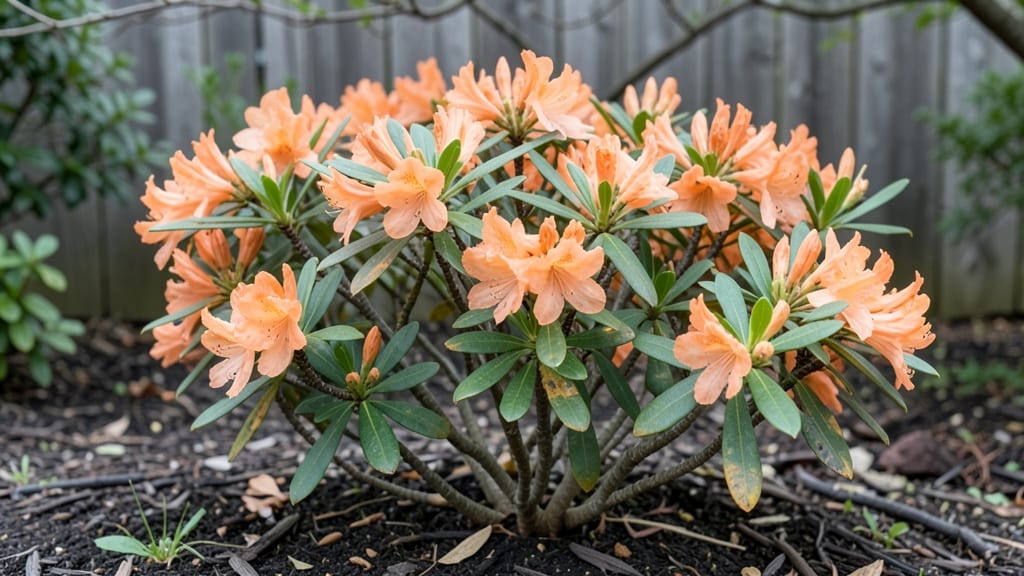
Orange-flowered azaleas burst into the Pacific Northwest spring like a sunrise you can't look away from. 🌸 Their fiery blooms aren't just pretty—they're the kind of vibrant that makes neighbors pause mid-conversation to admire.
I planted mine under a cedar's dappled shade, and now it's the first thing visitors notice in early May, long before the rhododendrons even think about waking up.
These aren't fussy shrubs either. They thrive in that perfect PNW Goldilocks zone—not too wet, not too dry, and happy with morning sun plus afternoon shade. Pair them with ferns for texture contrast or blueberry bushes for a low-maintenance understory.
In containers, they bring instant drama to patios, especially when paired with trailing ivy or heuchera for height variation. The fragrance alone—sweet with a hint of spice—will have you reaching for your camera every time you walk by.
What makes them truly special is how they transform a garden's mood. That first flush of orange against spring's muted greens feels like an exclamation point after months of winter.
Later in the season, their glossy evergreen leaves keep the show going, while the occasional late blooms extend the party well into summer. Even in winter, their structure adds year-round interest when pruned properly.
Whether you're framing a front entry, brightening a shady corner, or adding container punch, these azaleas deliver. The key is planting them where they'll get that ideal light balance and keeping the soil slightly acidic—just like they'd prefer in their native Japanese forests.
Once established, they're practically maintenance-free, rewarding you with years of effortless beauty. Let's make your garden the talk of the neighborhood this spring.
📚 In This Guide
- What you need
- Instructions
- Tips and common mistakes
- Wrapping up and next steps
What you need
- ● Orange flowered azalea plants: 1–3 mature shrubs (3–5 ft tall) or 3–6 young nursery plants (1–2 ft tall) for optimal visual impact.
- ● High-quality acidic soil: 1–2 cubic yards of peat moss or pine bark mix (pH 4.5–6.0) per plant. Pro tip: Test your soil first—PNW soil is often alkaline!
- ● Organic mulch: 2–3 inches of pine needles, wood chips, or shredded bark to retain moisture and acidity.
- ● Slow-release fertilizer: 1 lb of azalea-specific 8-3-9 or 10-6-8 formula (organic options like fish emulsion work too!).
- ● Watering can or hose with a gentle spray nozzle: Azaleas hate soggy roots but love consistent moisture.
- ● Garden trowel or spade: For digging holes (1.5x wider than the root ball).
- ● Pruning shears: Sharp, clean pair for shaping and deadheading spent blooms.
- ● Gloves: Heavy-duty to protect against thorns and soil.
- ○ pH testing kit: Optional but highly recommended for PNW gardeners!
- ○ Stakes and twine: Optional for young plants in windy areas.
- ● 🌞 Sunlight: Choose a spot with morning sun + afternoon shade (PNW’s partial shade is ideal!).
- ● 💧 Water source: Easy access for the first 2–3 weeks post-planting.
- ● 📅 Timing: Plant in early spring or fall (avoid summer heat!).
Step-by-Step guide to growing and caring for orange flowered azaleas
Here's how to cultivate these vibrant Pacific Northwest favorites for years of fragrant blooms.
🌱 Step 1: Choose the Perfect Planting Location
Orange flowered azaleas thrive in partial shade, receiving morning sun and afternoon shade—especially in hotter inland PNW areas. I always look for spots with dappled sunlight where leaves stay cool but roots get some warmth. Avoid deep shade, which leads to sparse blooms, or full sun, which scorches delicate petals.
Test your spot by observing how sunlight moves through the area during spring and summer. The ideal location mimics their natural understory habitat in Pacific Northwest forests. If your yard has only full sun, consider planting near a north-facing wall or under deciduous trees that provide summer shade.
☀️ Step 2: Prepare Acidic, Well-Draining Soil
Azaleas demand acidic soil with a pH between 4.5 and 6.0—this is non-negotiable for vibrant blooms. I test my soil first using a simple home kit, then amend with peat moss or sulfur if needed. Mix 3 inches of organic matter (like composted pine needles) into the top 12 inches of soil before planting.
Dig a hole twice as wide as the root ball but only as deep as the container. The top of the root ball should sit 1 inch above ground level—this prevents waterlogging. Gently loosen any circling roots with your fingers before placing the plant in the hole. Water deeply right after planting to settle the soil around roots.
💧 Step 3: Water Deeply and Maintain Consistent Moisture
Azaleas hate soggy roots but also despise drying out. Water once weekly during the first growing season, providing 1-2 gallons per plant until water runs out the drainage holes. You'll know you've watered enough when the top 2 inches of soil feel damp but not waterlogged. Mulch with 3 inches of pine bark to retain moisture and regulate soil temperature.
During the first two years, I check soil moisture by sticking my finger 2 inches deep—if it feels dry, it's time to water. Mature azaleas develop deeper roots, so you can space waterings to every 10-14 days during dry spells, always watering deeply rather than lightly. Avoid overhead sprinklers that can promote fungal diseases on the leaves.
✂️ Step 4: Prune After Blooming for Next Year's Flowers
The secret to abundant orange blooms is pruning right after flowers fade in late spring. I use clean, sharp pruners to trim back one-third of the oldest wood—this encourages new growth that will flower next year. Remove any dead, crossing, or weak branches first, then shape the plant by cutting just above a leaf bud or lateral branch.
Never prune in fall or winter—you'll cut off next year's flower buds. And resist the urge to prune for shape during bloom time; azaleas set their flower buds on the previous year's growth. After pruning, apply a 2-inch layer of mulch around the base (but not touching the trunk) to protect roots and retain moisture.
🌿 Step 5: Feed and Protect for Long-Term Health
Feed azaleas once in early spring with an acid-loving plant fertilizer (look for one with high phosphorus for blooms). I use a slow-release granular fertilizer spread evenly around the root zone, then water deeply to activate it. Avoid high-nitrogen fertilizers—they produce lush foliage but fewer flowers.
Watch for lace bugs (tiny yellow pests) or powdery mildew on leaves—both are common in PNW azaleas. Treat lace bugs with neem oil and improve airflow by pruning crowded branches. For powdery mildew, remove affected leaves and water at the base rather than overhead. With proper care, your orange azalea will reward you with 10+ years of fragrant spring displays.
Tips & tricks for perfect orange flowered azalea care
These simple strategies will help you keep your Pacific Northwest azaleas blooming beautifully for years to come.
Location is Everything: When choosing your planting spot in Step 1, pay attention to how sunlight moves throughout the day. I've found that the perfect location mimics the dappled light of a forest understory—morning sun warms the roots while afternoon shade protects delicate petals. If you're unsure, observe your yard for 24 hours during spring to track sunlight patterns. A north-facing wall or deciduous tree overhead can create that ideal filtered light environment.
Soil Science Matters: The pH 4.5-6.0 range in Step 2 is critical—azaleas simply won't thrive outside this acidic spectrum. I always test my soil first with a simple home kit before amending. For the 3 inches of organic matter, I recommend using composted pine needles specifically, as their natural acidity helps maintain that perfect pH balance. Remember, the top of the root ball should sit just 1 inch above ground level to prevent waterlogging while allowing proper drainage.
Watering Wisdom: In Step 3, the weekly watering guideline is a great starting point, but timing matters just as much as quantity. I water my azaleas in the morning so the leaves have all day to dry, reducing fungal risks. That 2-inch soil moisture check is your best friend—if it feels dry at that depth, it's time to water. For mature plants, the 10-14 day spacing works well during our dry PNW summers, but always water deeply rather than lightly to encourage strong root development.
Pruning Precision: The late spring timing in Step 4 is non-negotiable for next year's blooms. When trimming back one-third of the oldest wood, I always make my cuts just above a leaf bud or lateral branch—this creates the perfect spot for new growth. Pro tip: Use clean, sharp pruners and make cuts at a 45-degree angle to prevent water from pooling on the branch ends, which can lead to rot. The 2-inch layer of mulch afterward helps protect those fresh cuts while retaining moisture.
Pro Tips for Orange Flowered Azalea
- These simple strategies will help you keep your Pacific Northwest azaleas blooming beautifully for years to come.
- Location is Everything: When choosing your planting spot in Step 1, pay attention to how sunlight moves throughout the day.
- Soil Science Matters: The pH 4.5-6.0 range in Step 2 is critical—azaleas simply won't thrive outside this acidic spectrum.
Frequently asked questions
Got questions about growing and caring for your orange flowered azalea? You’re not alone! Here are some of the most common queries from gardeners in the Pacific Northwest and beyond—plus quick answers to keep your shrub thriving.
How do I encourage more blooms on my orange flowered azalea?
Azaleas bloom best with last year’s growth—so avoid pruning until after flowering (late spring/early summer). Feed with an acidic, high-phosphorus fertilizer in early spring, and mulch with pine bark to maintain soil acidity (pH 4.5–6.0). Too much nitrogen = fewer flowers!
When is the best time to plant an orange flowered azalea?
Plant in early fall or late winter (before new growth starts) to give roots time to establish. Avoid summer heat or frost—both stress young plants. Water deeply once a week for the first month, then taper off as roots grow. Pro tip: Use a root stimulator for a head start!
Why are the leaves turning yellow or dropping?
Yellowing leaves often mean overwatering, poor drainage, or alkaline soil. Check soil pH (test kits are cheap!) and amend with sulfur if needed. Brown edges? Underwatering or windburn—mulch heavily and water at the base. Pests like lace bugs also cause yellow spots; blast off with water and treat with neem oil if necessary.
Can I grow orange flowered azaleas in containers?
Choose a large pot (15+ gallons) with drainage holes and use acidic potting mix (like rhododendron blend). Move containers to partial shade in summer to prevent leaf scorch. Winter tip: Wrap pots in burlap and water sparingly to avoid root rot.
What are some great alternatives if I can’t grow azaleas?
If your soil isn’t acidic enough, try these PNW-friendly bloomers:
- Rhododendrons (larger flowers, similar care)
- Pieris japonica (early spring blooms, evergreen)
- Camellias (fall/winter flowers, loves shade)
- Hellebores (shade-tolerant, blooms in winter)
Wrapping up and next steps
The orange flowered azalea isn’t just a stunning addition to your Pacific Northwest garden—it’s a fragrant, low-maintenance superstar that brings joy with its vibrant blooms and easy care. Whether you’re a seasoned gardener or just starting, this shrub offers beauty and resilience, making it a perfect choice for spring color.
Ready to transform your outdoor space? Start by choosing your spot, gathering supplies, and planting with confidence! 🌸✨
Next steps:
- Pick a sunny or partially shaded area in your yard.
- Grab your azalea, soil amendments, and tools.
- Get planting and enjoy the rewards of your hard work!