Flowers
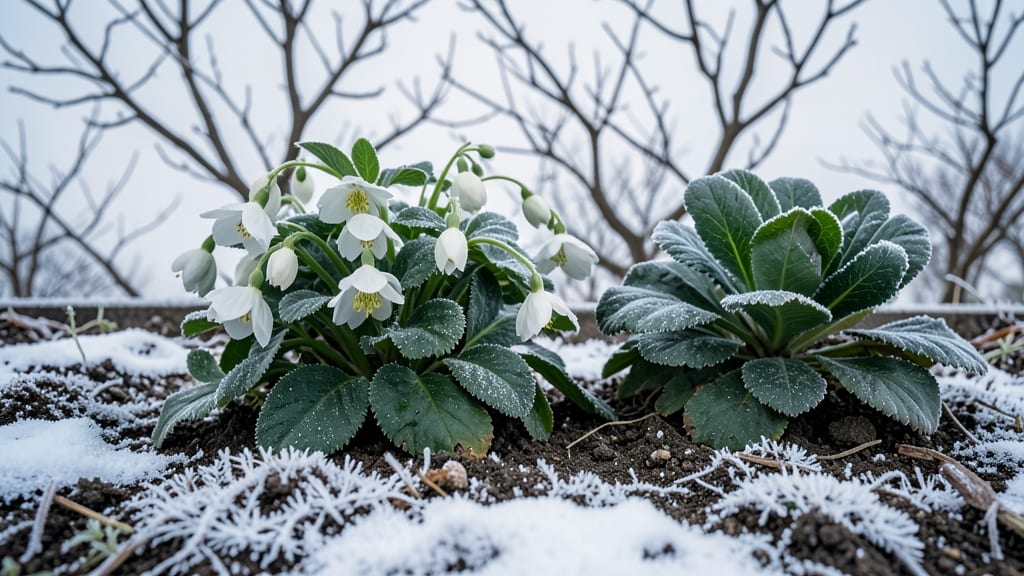
Winter flowers that bloom under snow are the Pacific Northwest’s secret weapon—hellebores, winter jasmine, and pansies turn gray days into bursts of color when most gardens are asleep. 🌿 I grew up admiring my grandmother’s hellebores pushing through snowdrifts, their delicate blooms defying the cold like tiny miracles.
These plants don’t just survive winter; they thrive in it, offering vibrant blooms when you need them most.
The key to success is choosing the right varieties for your zone and giving them proper winter care. Hellebores love shade and moist soil, while winter jasmine craves sun and needs sturdy supports.
Pansies, those cheerful little faces, handle frost like champs but may need a little mulch to protect their roots. Plant them in fall for early blooms, and you’ll have color from November through March.
Imagine stepping outside in December to find your garden awash in white, purple, or yellow blooms—something most people only dream of. With the right placement and a little winter prep, you’ll have a garden that’s alive and vibrant even when the world outside is gray and still.
The payoff? A winter landscape that feels magical, not dormant.
Whether you’re working with a small balcony or a sprawling yard, these winter flowers adapt beautifully. They’re perfect for adding pops of color to entryways, borders, or even containers on patios.
The best part? They’re low-maintenance once established, so you can enjoy their beauty without the fuss. Let’s bring some winter cheer to your garden!
📚 In This Guide
- What you need
- Instructions
- Tips and common mistakes
- Wrapping up and next steps
What you need
- ● Hardy winter flowers: Hellebores (2–4 plants) – Thrives in shade, blooms early
- ● Snowdrops (Galanthus spp., 5–10 bulbs) – Tiny but resilient
- ● Winter aconite (Eranthis hyemalis, 3–5 bulbs) – Bright yellow blooms
- ● Crocuses (5–10 bulbs) – Purple, white, or blue varieties
- ● Winter jasmine (Jasminum nudiflorum, 1–2 plants) – Yellow, late-winter blooms
- ● Soil amendments: Compost (5–10 gallons) – Improves drainage and fertility
- ● Peat moss or coconut coir (2–3 cubic feet) – Retains moisture
- ● Perlite or sand (1–2 bags) – Ensures aeration in heavy clay soil
- ● Mulch: Wood chips or straw (2–3 cubic feet) – Insulates roots from frost
- ● Garden trowel (1) – For precise planting
- ● Hand pruners (1) – For trimming dead foliage
- ● Garden gloves (1 pair) – Protects hands from thorns and cold
- ● Watering can with a rose attachment (1) – Gentle watering for bulbs
- ○ pH testing kit (optional) – Ensures soil is slightly acidic (pH 6.0–7.0)
- ○ Frost cloth (optional) – Extra protection for tender varieties
- ● Well-draining soil (amend if needed with compost/sand)
- ● Partial to full shade (especially for hellebores and snowdrops)
- ● Consistent moisture (but not soggy soil)
- ● Patience! Some flowers take 1–2 years to establish and bloom
Step-by-Step guide to planting frost-resistant winter flowers
Bring color to cold months with these hardy blooms that thrive in Pacific Northwest winters.
🌱 Step 1: Select Cold-Hardy Varieties for Your Zone
Pacific Northwest winters range from 20°F to 40°F, so choose flowers rated for USDA Zones 7-9. My top picks include hellebores (Lenten rose), winter aconite, and snowdrops—all of which bloom when most gardens are dormant. Check your specific microclimate: Sheltered spots may handle 10°F dips, while exposed areas need 30°F minimum.
Skip tender annuals like pansies (they survive only to 25°F). Instead, focus on perennials like Helleborus niger (Christmas rose) that return year after year. I always verify hardiness with local nurseries—they know which varieties survive your frostiest winters.
☀️ Step 2: Prepare the Planting Site in Late Fall
Amend your soil with 2-3 inches of compost before planting. Winter flowers need good drainage—amend heavy clay with sand or perlite to prevent root rot. I dig in a 5-10-10 fertilizer (5% nitrogen, 10% phosphorus, 10% potassium) to support early root growth before dormancy.
Choose a location with partial shade to full sun (6+ hours daily). Most winter bloomers tolerate shade better than summer flowers. Test your spot by observing how long snow lingers—extended cold spots delay blooming. Plant after the first hard frost but before ground freezes solid.
🪴 Step 3: Plant with Proper Spacing and Mulch
Dig holes twice as wide as the root ball but only as deep. Position plants so the top of the root ball sits 1 inch below soil level—this prevents crown rot from winter moisture. Space hellebores 12-18 inches apart and snowdrops 6-8 inches apart for air circulation.
Backfill with native soil mixed with compost, then water deeply to settle roots. Apply 3-4 inches of mulch (straw or shredded bark) to insulate roots. I avoid thick layers—too much mulch can suffocate plants in wet winters. Check mulch depth annually and replenish as it decomposes.
⏰ Step 4: Water and Protect During Freeze-Thaw Cycles
Water deeply every 2-3 weeks during dry winters—soil stays moist but not soggy. Most winter flowers enter dormancy but still need hydration. I use a soaker hose to avoid disturbing mulch or dislodging plants. Avoid overhead watering when temps drop below 32°F—ice buildup can damage delicate blooms.
For sub-20°F nights, cover plants with frost cloth secured with stakes. Remove covers during the day to prevent overheating. I test coverage by checking for condensation—if the cloth stays dry, your plants are protected. Never use plastic sheets, which trap harmful moisture.
🌿 Step 5: Prune and Fertilize for Next Year’s Blooms
After flowering, cut back dead stems to 1 inch above the ground in early spring. This redirect energy to next year’s blooms. I fertilize lightly in early March with a balanced 10-10-10 formula. Avoid high-nitrogen feeds—you’ll get leafy growth but fewer flowers.
Watch for slugs and snails on new growth—they love tender winter foliage. I set out beer traps (shallow dishes of beer) near plants. Remove spent blooms promptly to encourage continuous flowering. Most winter flowers rebloom in spring, but hellebores may take until late winter to show color.
Tips & tricks for perfect snow winter flowers
Here's what nobody tells you about making these winter bloomers thrive in your Pacific Northwest garden.
Zone-Specific Selection: When choosing varieties in Step 1, don't just rely on the USDA zone rating. Check the specific variety's cold tolerance—some hellebores handle 10°F while others need at least 20°F. I always cross-reference with local nursery recommendations, especially for microclimates. For example, exposed areas might need varieties rated for 30°F minimum even if your zone averages 20°F.
Soil Prep Secret: In Step 2, when amending your soil with 2-3 inches of compost, mix in a handful of egg shells (crushed) for extra calcium. Winter flowers need strong root structure to survive freeze-thaw cycles, and calcium helps prevent blossom end rot. Also, if your soil is particularly heavy clay, add sand or perlite to improve drainage—this is critical for preventing root rot during winter's wet periods.
Planting Depth Matters: Step 3's instruction about positioning the root ball 1 inch below soil level is crucial—this prevents crown rot from winter moisture. I've seen many gardeners plant too deep, which suffocates the plant. For snowdrops specifically, you can plant slightly shallower (½ inch below soil level) since they prefer cooler soil. Always use native soil mixed with compost for backfilling to maintain proper texture.
Winter Watering Wisdom: The every 2-3 weeks watering guideline in Step 4 assumes average winter conditions. If you're experiencing unusually dry winters, check soil moisture weekly—stick your finger 2 inches deep. If it feels dry, water deeply. Remember, winter flowers are dormant but still need hydration. The key is keeping soil moist but not soggy, especially when temperatures fluctuate around 32°F.
Pro Tips for Snow Winter Flower
- Here's what nobody tells you about making these winter bloomers thrive in your Pacific Northwest garden.
- Zone-Specific Selection: When choosing varieties in Step 1, don't just rely on the USDA zone rating. Check the specif...
- Soil Prep Secret: In Step 2, when amending your soil with 2-3 inches of compost, mix in a handful of egg shells (crus...
Frequently asked questions
Got questions about growing snow winter flowers in the Pacific Northwest? You’re not alone! Here are some common concerns—and expert answers—to help your garden thrive even in chilly months.
Can winter flowers survive heavy snow or freezing temperatures?
Many winter-blooming flowers, like Hellebores (Lenten roses) and Snowdrops, are frost-hardy and thrive in the PNW’s cold climate. They often bloom before snowfall or push through light snow. Just ensure they’re planted in well-draining soil to prevent root rot from melting snow.
When is the best time to plant winter flowers in the Pacific Northwest?
For fall planting (ideal for most winter bloomers), aim for September to early November—before the ground freezes. Spring planting (March–April) works for tender varieties like Primroses, but they may need winter protection (mulch or frost cloth). Pro tip: Bare-root plants can be planted in late fall or early spring!
How do I protect winter flowers from late frosts or ice damage?
Use mulch (straw or shredded leaves) to insulate roots, and cloche covers or frost blankets for delicate blooms. Avoid heavy mulch piles against stems, which can cause rot. Evergreen foliage (like Sarcococca) also acts as a natural windbreak. Water sparingly—wet soil freezes faster!
What are the easiest winter flowers for beginners in the PNW?
Start with low-maintenance stars like:
- Hellebores (Lenten roses)—shade-tolerant, deer-resistant, and bloom December–March.
- Snowdrops (Galanthus)—tiny but tough; naturalize beautifully in wooded areas.
- Winter Aconite (Eranthis)—bright yellow blooms in late winter; loves sun.
- Crocuses—some varieties bloom under snow!
All thrive with minimal care once established.
Will winter flowers still bloom if they’re covered in snow?
Many do! Flowers like Snowdrops and Winter Jasmine are designed to push through snow for sunlight. However, heavy, wet snow can damage stems. Gently brush off excess snow after storms, and avoid trampling delicate blooms (like Primroses) until the snow melts.
Can I grow winter flowers in containers on a balcony or patio?
Yes! Choose compact varieties like Miniature Hellebores or Dwarf Crocuses. Use well-draining pots with holes, and wrap containers in bubble wrap or frost cloth for extra protection. Move pots to a sheltered spot (like a garage or under an eave) if temperatures drop below 10°F (-12°C).
Wrapping up and next steps
Embrace the magic of snow winter flowers—they prove that even in the chill of the Pacific Northwest, beauty thrives! These hardy blooms not only survive frost but celebrate it, turning your garden into a serene winter wonderland.
Whether you’re a seasoned gardener or just starting, their resilience and elegance make them a must-have for any outdoor space. 🌸❄️
Ready to bring winter charm to your garden? Start small: Pick one frost-defying variety from our guide, test it in a pot first, and watch it flourish. Before you know it, your garden will be a year-round masterpiece—one season at a time!