
Pruning
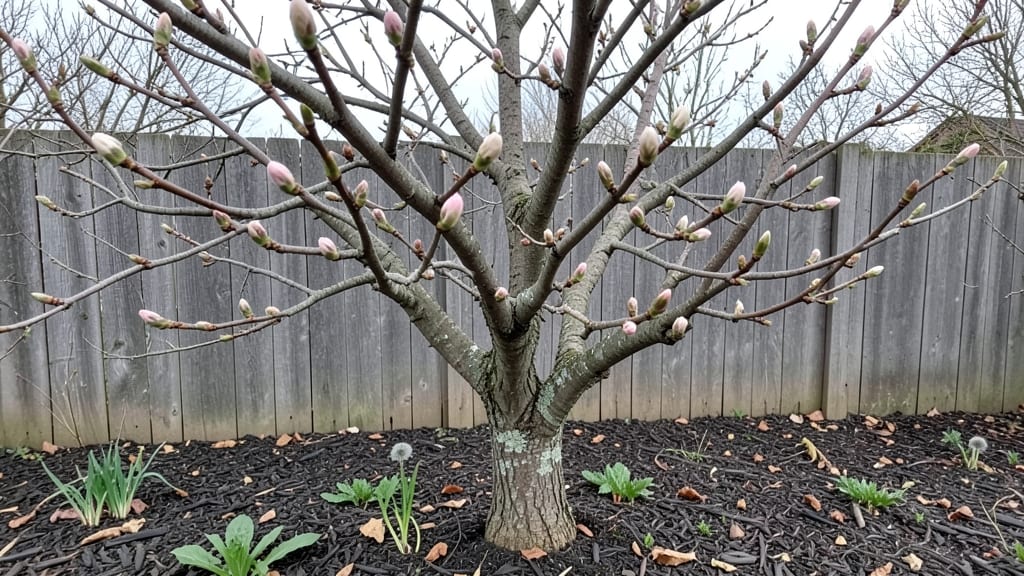
The secret to next year’s peach harvest starts with this year’s peach tree flower buds—and three simple cuts can make all the difference.
I’ve watched my own trees go from sparse blooms to bursting with pink blossoms just by timing pruning right, and I’ll show you exactly how to do it without overcomplicating things.
Most gardeners wait until spring to prune, but the real magic happens in late winter when buds swell but leaves stay dormant. You’ll need sharp pruners, a clean workspace, and about 30 minutes to work through the branches.
The goal? Open the canopy to sunlight and air, remove dead wood, and encourage strong new growth where those flower buds form.
What you’ll end up with is a tree loaded with healthy buds that resist frost damage and produce fruit consistently. The blooms arrive earlier, last longer, and—most importantly—translate to a better harvest. No more guessing games about why your peaches are sparse or small.
This method works for both young trees and mature ones, and adapts to different climates. Let’s get those buds ready for spring before the season even begins—your future peach pies will thank you.
📚 In This Guide
- What you need
- Instructions
- Tips and common mistakes
- Wrapping up and next steps
What you need
- ● Pruning shears: Bypass pruners (sharp, 6-8" blades) for clean cuts—1 pair (sterilized with rubbing alcohol).
- ● Loppers: Bypass or anvil type (for thicker branches, 18-24" handles)—1 pair.
- ● Pruning saw: Curved-tooth saw (for branches >1.5" thick)—1.
- ● Gloves: Heavy-duty gardening gloves (cut-resistant, long cuffs)—1 pair.
- ● Disinfectant: 70% isopropyl alcohol or bleach solution (1:9 ratio)—small bottle.
- ● Rubbing alcohol wipes: For quick tool sterilization between cuts—5-10 wipes.
- ● Tarp or drop cloth: Heavy-duty plastic (4’x6’ or larger) to catch debris—1.
- ○ Permanent marker: For labeling cuts (optional but helpful)—1.
- ● Pruning sealant: Tree wound paint (for large cuts >2" diameter)—small jar.
- ● Safety glasses: Protect your eyes from debris—1 pair.
- ● Knee pads: For comfort during long sessions—1 pair.
- ● Notebook & pen: To jot down notes on cuts or tree health—1.
- ● Extension pole: For hard-to-reach branches (10-12’ reach)—1.
Step-by-step guide to reviving peach tree flower buds
Here's how I bring peach trees back to full bloom with just three focused cuts—no complicated tools or guesswork.
Prune Dead or Diseased Wood First
Start by removing any branches that are brown, shriveled, or showing signs of disease like black spots or oozing sap. These dead branches won’t produce flowers and can spread problems to healthy wood. I grab my pruning shears and cut just outside the branch collar—the swollen area where the branch meets the trunk.
Look for branches that are completely hollow inside or have cracks running through them. These are beyond saving and need to go. Make clean cuts at a 45-degree angle about ¼ inch above a outward-facing bud to encourage new growth in the right direction. The goal here is to open up the center of the tree so light and air can reach the remaining buds.
Thin Out Overcrowded Branches
Next, focus on the branches that are growing too close together. Peach trees need good airflow to set flower buds properly, so I remove about one-third of the smaller, weaker branches that are rubbing against others or growing straight inward. These branches compete for nutrients and rarely produce quality blooms.
When deciding which branches to keep, prioritize the ones that form a natural vase shape—thicker branches lower on the tree and thinner ones higher up. Cut branches back to a bud that faces outward, always making the cut just above it. This ensures new growth will spread the canopy evenly and receive plenty of sunlight.
Shorten Last Year’s Growth to Encourage Flower Buds
For the final step, I focus on last year’s growth—the long, leggy branches that didn’t produce many flowers. Using my pruning shears, I cut these back by about one-third to one-half of their length, always cutting back to a strong outward-facing bud. This might sound drastic, but it signals the tree to redirect its energy into producing flower buds instead of just extending leaves.
I avoid cutting into old wood—branches that are thicker than my thumb—because these rarely regrow well. Instead, I target the newer growth that’s still flexible. After pruning, the tree will focus its energy on developing flower buds along these shortened branches, setting the stage for a heavy bloom next spring.
Here’s the thing—don’t overdo it. If you remove too much wood at once, the tree will struggle to recover. Stick to these three cuts, and you’ll give your peach tree the best chance for a spectacular spring bloom.
Tips & tricks for perfect peach tree flower bud revival
These simple strategies will help you maximize your peach tree's blooming potential while avoiding common pruning mistakes.
Timing is Everything: The best time to prune for flower buds is in late winter or early spring, just before the buds begin to swell. This timing ensures you're not removing potential flower buds that are already forming. If you missed this window, don't worry—you can still prune in summer after harvest, but focus only on removing dead or diseased wood to avoid stressing the tree.
Tool Selection Matters: Use sharp, clean pruning shears for all cuts—dull blades crush branches and create jagged edges that invite disease. For larger branches thicker than your thumb, switch to a pruning saw. Always sterilize your tools between cuts with rubbing alcohol to prevent spreading any potential infections from diseased wood to healthy parts of the tree.
Visual Cues for Bud Selection: When making cuts, look for buds that are plump and reddish-purple in color—they're more likely to produce flowers. Avoid cutting back to buds that are small, green, or show signs of damage. In Step 3, when shortening last year's growth, aim to leave about 6-8 strong buds on each remaining branch to ensure good flower production.
Post-Pruning Care: After finishing your cuts, give your tree a deep watering to help it recover. Apply a balanced fertilizer (10-10-10 ratio) around the drip line of the tree to support new growth. Avoid heavy pruning in the same areas year after year—rotate your pruning zones to maintain tree health and encourage consistent blooming.
Pro Tips for Peach Tree Flower Buds
- These simple strategies will help you maximize your peach tree's blooming potential while avoiding common pruning mistakes.
- Timing is Everything: The best time to prune for flower buds is in late winter or early spring, just before the buds begin to swell.
- Tool Selection Matters: Use sharp, clean pruning shears for all cuts—dull blades crush branches and create jagged edges that invite disease.
Frequently asked questions
about peach tree flower buds—because even the pros need a little guidance! Here are answers to the most common questions to help you master spring blooms with confidence.When should I prune peach tree flower buds for best results?
Prune your peach tree after the last frost but before buds swell into bloom (late winter to early spring). This timing ensures you remove diseased wood while preserving next year’s flower buds. Avoid pruning in fall—it can invite pests and diseases.
How do I tell the difference between flower buds and fruit buds on a peach tree?
Flower buds are fatter, rounder, and often pinkish (they’ll bloom into blossoms), while fruit buds are smaller, pointed, and greenish (they’ll grow into fruit). If you’re unsure, wait until buds swell—flower buds will show color first!
What if my peach tree flower buds freeze or get damaged?
Don’t panic! Peach trees are resilient. If buds are blackened or mushy, they’re dead—prune them out. If buds are brown but firm, they may still recover. Thin remaining buds to improve air circulation and reduce disease risk.
Can I prune peach tree buds if I missed the ideal window?
Yes, but act quickly. If buds are already swollen or blooming, avoid heavy pruning—focus on removing only dead or diseased branches. Summer pruning (after harvest) is safer if you’ve missed spring, but keep cuts minimal to avoid stressing the tree.
Why aren’t my peach tree flower buds opening, even after pruning?
Bud failure can stem from late frost, pests (like peach tree borers), or poor nutrition. Check for Borers (tiny holes in bark) and treat with neem oil if needed. Ensure your tree gets balanced fertilizer (high in nitrogen pre-bloom) and adequate water.
Wrapping up and next steps
Mastering the art of pruning peach tree flower buds is your ticket to a bountiful harvest and a stunning spring display! 🌸 With just three simple cuts, you can revitalize your tree, improve air circulation, and encourage healthier growth.
The key lies in patience, the right tools, and a little seasonal timing—so grab those shears and get ready to transform your garden.
Now that you’re armed with knowledge, why not take the next step? Start by inspecting your tree this winter or early spring, then roll up your sleeves and give those buds the care they deserve. Your future peach crop—and your neighbors’ jealous glances—will thank you!