
Flowers
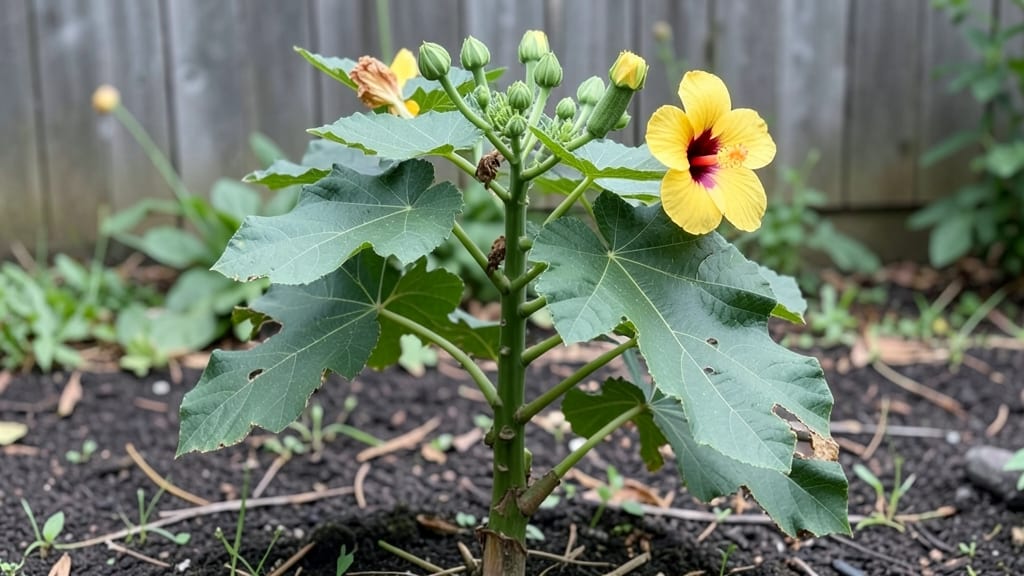
Okra flowers aren’t just pretty—they’re edible, with a delicate crunch like zucchini blossoms. 🌼 I’ve been harvesting them for years, and they’re one of my favorite surprises from the garden. These pale yellow blooms pack a mild, slightly sweet flavor that brightens salads, fritters, or even garnishes for soups.
Not all okra varieties produce edible flowers, but heirloom types like ‘Clemson Spineless’ or ‘Emerald’ are top choices. The key is harvesting them young—before they fully open—and using them within hours of picking. Think of them like fresh flowers: tender, flavorful, and best enjoyed at their peak.
You’ll love how they add a pop of color and texture to dishes, and the process is simple. Just snip the blooms in the morning, rinse gently, and use them fresh.
They’re also a great way to encourage more okra pods—the flowers turn into fruit, so harvesting them boosts your harvest.
Works beautifully in Southern-style dishes, Mediterranean cuisine, or as a unique garnish. Here’s how to grow and use them without wasting a single bloom.
📚 In This Guide
- What you need
- Instructions
- Tips and common mistakes
- Wrapping up and next steps
What you need
- ● Fresh okra flowers: Quantity: At least 12–15 fully bloomed flowers (for a small dish like fritters or salads). For larger batches (e.g., stir-fries), aim for 30+ flowers.
- ● Specifications: Choose light yellow or pale green flowers (avoid dark or wilted ones).
- ● Ensure no pesticides—opt for organic or homegrown if foraging.
- ● Harvest in the morning when blooms are fully open but still crisp.
- ● Water: 1–2 cups (for rinsing and soaking).
- ● Kitchen towels or paper towels: 2–3 sheets (for drying).
- ● Knife or kitchen shears: 1 sharp pair (for trimming stems).
- ● Cutting board: 1 medium-sized (preferably food-safe wood or plastic).
- ● Bowl: 1 large, shallow bowl (for rinsing flowers).
- ● Colander: 1 small (for draining water).
- ● Food processor or blender: For making okra flower batter (e.g., for fritters).
- ● Mixing bowl: 1 medium (for combining ingredients).
- ● Measuring cups/spoons: For precise recipes (e.g., flour, egg ratios).
- ● Deep fryer or skillet: If making fried okra flowers (use peanut or vegetable oil, 1–2 cups).
- ● Tongs or slotted spoon: For draining excess oil after frying.
- ● Plastic wrap or airtight container: For short-term storage (up to 24 hours in the fridge).
- ● Knowledge of okra plants: If foraging, ensure you positively identify okra flowers (never consume wild plants unless 100% sure—mistakes can be dangerous!).
- ● Allergies check: Okra flowers are rarely allergenic, but if you’re sensitive to okra pods, test a small amount first.
- ● Recipe plan: Decide how you’ll use them—common dishes include: Tempura or fried flowers
- ● Stir-fries with garlic and chili
- ● Salads (raw, lightly dressed)
- ● Fritters or pakoras
How to harvest and prepare edible okra flowers
Here's how I gather and use these delicate, zucchini-like blooms at their peak.
🌿 Step 1: Identify and Select the Right Flowers
Okra flowers are edible only when fully open and still vibrant. Look for blooms with bright yellow petals that are completely unfurled but haven't begun to wilt. The center should still look plump and fresh, not dried out. I harvest in the early morning when dew is present—they taste crispest then.
Pick flowers by gently twisting the stem at the base. Avoid pulling or you'll damage the plant. You'll see new buds forming along the stem, so don't take more than one-third of the flowers from any single plant. This ensures the okra pods keep producing while you enjoy the blossoms.
💧 Step 2: Clean and Prepare for Use
Rinse the flowers under cool water to remove any dirt or pests. Be gentle—the delicate petals bruise easily. Pat them dry with a paper towel or let them air-dry on a clean kitchen towel. Never use a regular towel, as lint sticks to the petals and ruins their delicate texture.
Remove any remaining stamens or pistils from the center if they're still attached. These parts are edible but can be tough. I like to separate the petals into small clusters of 3-4 for easier handling. Store them in the fridge for up to 3 days in a sealed container with a damp paper towel to maintain crispness.
☀️ Step 3: Use Immediately or Preserve
For fresh use, add okra flowers to salads where their zucchini-like crunch shines. Toss them with greens, a light vinaigrette, and a sprinkle of feta. They also make stunning garnishes for soups or pasta dishes. The flavor is mild and slightly sweet, with a texture that melts in your mouth.
To preserve, blanch the flowers in boiling water for 30 seconds, then transfer to an ice bath. Drain well and spread them on a baking sheet to dry completely. Once dried, store in an airtight container away from light. You can also freeze them by tossing them in a single layer on a tray before transferring to a bag—this keeps their texture intact for up to 6 months.
✂️ Step 4: Encourage More Blooms
To keep your okra plant producing flowers, water deeply once a week unless it's extremely hot. Okra is drought-tolerant but produces best with consistent moisture. I mulch around the base with straw to retain moisture and prevent weeds from competing for nutrients.
Prune any dead or yellowing leaves immediately. This redirects the plant's energy to produce more flowers and pods. If your plant stops flowering, it might need more sunlight—okra thrives in full sun (6+ hours daily). If you're in a cooler climate, consider covering young plants with frost cloth at night to protect them until temperatures stay above 55°F.
Tips & tricks for perfect edible okra flowers
These simple secrets will help you harvest and prepare these delicate blooms at their absolute best.
Harvesting Timing: The early morning harvest in Step 1 is non-negotiable for peak flavor. Dew-covered petals taste crispest and retain their delicate texture better. If you must harvest later in the day, work with flowers that have only just opened—those that have been sitting in the sun for hours will wilt quickly and lose their tender crunch.
Handling Technique: When separating petals in Step 2, work with small clusters of 3-4 rather than trying to handle individual petals. The delicate tissue bruises easily, and larger clusters maintain their shape better during cooking. Use a sharp pair of kitchen scissors to trim any tough stamens or pistils—this makes them easier to handle and prevents any unwanted bitterness.
Preservation Insight: For the blanching method in Step 3, use water that's truly boiling when you add the flowers. The 30-second blanch should be timed precisely—any longer and you'll lose that signature crunch. Immediately shocking them in ice water stops the cooking process instantly, which is crucial for maintaining their vibrant color and delicate texture.
Plant Care Strategy: The once-weekly watering guideline in Step 4 works best when done in the morning. This allows the soil to absorb moisture before the heat of the day. If you notice your okra plant producing fewer flowers, check the soil moisture first—both underwatering and overwatering can stress the plant and reduce flowering. Mulching with straw helps maintain consistent moisture while also suppressing weeds that compete for nutrients.
Pro Tips for Okra Flowers Edible
- These simple secrets will help you harvest and prepare these delicate blooms at their absolute best.
- Harvesting Timing: The early morning harvest in Step 1 is non-negotiable for peak flavor.
- Handling Technique: When separating petals in Step 2, work with small clusters of 3-4 rather than trying to handle individual petals.
Frequently asked questions
Got questions about harvesting and enjoying okra flowers? You’re in the right place! Here are some of the most common queries—plus straightforward answers to help you savor these edible blooms like a pro.
Are okra flowers really safe to eat?
Yes! Okra flowers are completely edible and prized in global cuisines like West Africa, India, and the American South. Just ensure they’re pesticide-free (organic is ideal) and thoroughly washed to remove dirt or insects. Avoid flowers from plants treated with herbicides or fungicides—when in doubt, grow your own!
When is the best time to pick okra flowers for eating?
Harvest okra flowers before they fully open—when the petals are just starting to unfurl but still tightly clustered. This ensures maximum tenderness and flavor. Morning picks are best, as flowers are crispest after a cool night. Pro tip: Use sharp scissors or pruners to avoid damaging the plant, and harvest regularly to encourage more blooms!
How do okra flowers taste, and what dishes work best?
Okra flowers have a delicate, zucchini-like crunch with a mild, slightly sweet flavor—think of a cross between a squash blossom and a fresh green bean. They’re fantastic raw in salads, sautéed with garlic and chili, or stuffed with spiced rice or cheese. In West Africa, they’re often fried into crispy fritters called akara or moin-moin.
What if my okra flowers are bitter or tough?
Bitterness or toughness usually means the flowers are overripe or stressed. Check for these red flags:
- Overripe: Fully open flowers or those with wilted petals.
- Pest damage: Tiny holes or chewed edges (discard these!).
- Heat stress: Flowers may toughen in extreme heat—harvest early in the day.
Can I substitute okra flowers with other edible flowers?
While no flower perfectly mimics okra’s texture, these are great alternatives for similar dishes:
- Squash blossoms: Mild and tender, but slightly larger.
- Zucchini flowers: Closest in flavor, but often pricier.
- Nasturtiums: Peppery kick, best for garnishes.
- Rose petals: Delicate and fragrant (use sparingly—remove stamens!).
Wrapping up and next steps
Discovering that okra flowers are edible opens up a world of culinary creativity—where delicate, zucchini-like petals add a unique crunch and subtle flavor to your dishes! 🌸 From salads to fritters, these blooms prove nature’s bounty is far more versatile than we think. Why not start experimenting today?
Your next step? Pick a recipe and gather fresh okra flowers—then let your taste buds lead the way! Whether you’re a seasoned chef or a curious home cook, this is your sign to elevate your meals with edible blooms.