
Flowers
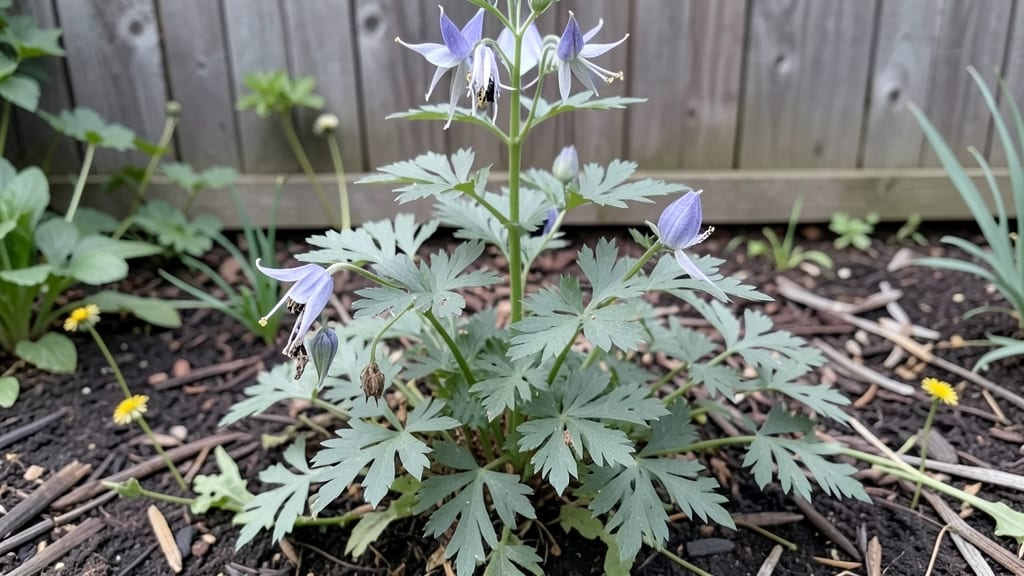
Growing columbine flowers from seeds in the Pacific Northwest means those nodding, bell-shaped blooms will greet you every spring—no matter how chilly the winter. 🌱 I learned the hard way that these hardy perennials thrive when you mimic their natural mountain habitat, and the secret starts with the right seeds and timing.
The best columbine seeds for our region are those labeled for cold-hardy varieties like Aquilegia formosa or Aquilegia caerulea—they handle our damp winters better than fancier hybrids. You’ll want well-draining soil, a spot with partial shade, and patience, because germination can take 3-4 weeks (sometimes longer).
The key is starting seeds indoors in late winter so they’re ready to transplant by early spring, just as the soil warms.
Once planted, these flowers reward you with vibrant, long-stemmed blooms that hummingbirds adore. They self-seed reliably, so you’ll get more each year without extra work. Just watch for slugs and powdery mildew—their only real foes—and you’ll have cut flowers for 6-8 weeks straight.
The best part? They naturalize beautifully, turning your garden into a cottage-core dream.
Whether you’re a beginner or a seasoned gardener, columbine seeds are one of the easiest perennials to grow here—just follow the cold-stress trick of chilling seeds for a week before planting. That’s all it takes to unlock years of effortless beauty. Let’s get those seeds started!
📚 In This Guide
- What you need
- Instructions
- Tips and common mistakes
- Wrapping up and next steps
What you need
- ● Columbine flower seeds – Choose cold-hardy varieties like Aquilegia formosa or Aquilegia caerulea. Buy 1–2 packets (50–100 seeds per packet) for a full display.
- ● Seed-starting mix – A lightweight, well-draining potting mix (avoid garden soil—it’s too dense!). A 10–20 lb bag should suffice.
- ● Seed trays or small pots – Use biodegradable pots (3–4 inches deep) or a seed tray with cell inserts for easy transplanting.
- ● Grow lights or sunny windowsill – Columbine seeds need 6–8 hours of light daily to germinate. A LED grow light works best if natural light is limited.
- ● Spray bottle – For gentle watering (avoid oversaturating seeds!).
- ● Fine-mist setting on a watering can – Useful for keeping soil moist but not soggy.
- ● Trowel or small shovel – For planting seeds ¼–½ inch deep in garden soil.
- ● Garden gloves – Protects hands from soil and prickly stems once plants mature.
- ○ Mulch (optional but recommended) – 2–3 inches of straw or wood chips to retain moisture and regulate soil temperature.
- ● Timing – Plant seeds 4–6 weeks before your last frost date (typically late February–March in the PNW).
- ● Hardiness – Columbine thrives in USDA Zones 3–9 and handles light frost once established.
- ● Sunlight – Partial shade to full sun (morning sun + afternoon shade works best in hotter PNW summers).
- ● Soil prep – Amend garden soil with compost for better drainage (columbines hate soggy roots).
Step-by-Step guide to growing columbine flowers from seeds
Here’s how to cultivate these hardy, drought-tolerant blooms—perfect for Pacific Northwest climates.
🌱 Step 1: Prepare Seeds and Planting Medium
Columbine seeds thrive in well-draining soil, so start with a mix of 50% high-quality potting soil and 50% perlite or coarse sand to prevent rot. Fill small pots or seed trays with this blend, leaving about ½ inch of space at the top. Lightly press the mix down to create a firm but not compacted surface—this helps seeds make good contact with the soil.
Columbine seeds have a unique trick: they need cold stratification to germinate. Scatter the seeds on the soil surface (they won’t need covering) and place the tray in a sealed plastic bag. Store it in your refrigerator’s crisper drawer for 4-6 weeks, checking occasionally to ensure the soil stays lightly moist. This mimics winter conditions and breaks seed dormancy—skipping this step means waiting months (or never seeing sprouts).
💧 Step 2: Germinate Under Controlled Conditions
After stratification, remove the tray from the fridge and place it in a bright, indirect light spot at 60-65°F. Columbine seeds germinate slowly—4-8 weeks—so patience is key. Mist the soil gently with a spray bottle every 3-4 days, keeping it consistently moist but never soggy. Overwatering at this stage causes damping-off, a fungal disease that kills seedlings before they emerge.
Once seedlings appear, move them to a south-facing window or under grow lights for 12-14 hours daily. You’ll notice the first true leaves (not the initial seed leaves) in 6-8 weeks total. At this point, transplant seedlings into 4-inch pots filled with the same soil mix, handling them by their leaves to avoid damaging delicate stems.
☀️ Step 3: Harden Off and Transplant Outdoors
Columbine thrives in partial shade to full sun, but Pacific Northwest gardens often benefit from morning sun and afternoon shade. About 2 weeks before your last frost date, start hardening off seedlings by placing them outside in a sheltered spot for 1-2 hours daily, gradually increasing exposure over 7-10 days. Watch for wilting—if leaves droop, they’re not ready yet.
Transplant seedlings 12-18 inches apart in well-draining garden soil amended with compost. Columbine dislikes soggy roots, so avoid low-lying areas where water pools. Water deeply at planting to settle the soil, then reduce frequency—these plants are drought-tolerant once established. Mulch lightly with 2 inches of shredded bark to retain moisture and suppress weeds.
✂️ Step 4: Maintain and Encourage Reblooming
After the first flush of blooms (usually late spring to early summer), deadhead spent flowers by snipping stems just above the next set of leaves. This redirects energy to new growth rather than seed production. Columbine often self-seeds prolifically—if you want to control spread, remove seed pods before they split open. Fertilize lightly in early spring with a balanced 10-10-10 formula to support vigor without encouraging leggy growth.
These perennials are cold-hardy and return year after year, but they appreciate division every 3-4 years to prevent overcrowding. Dig up clumps in early spring or fall, separate roots, and replant sections in fresh soil. You’ll see stronger blooms and fewer floppy stems—worth the effort for Pacific Northwest gardens where winters can be wet and mild.
Tips & tricks for perfect columbine flowers from seeds
Here's what nobody tells you about growing these delicate yet hardy blooms—tricks that'll make all the difference in your Pacific Northwest garden.
Cold Stratification Secret: The 4-6 weeks of cold stratification in Step 1 is non-negotiable for columbine seeds. I learned this the hard way after waiting months for germination without it. Use a clear plastic bag to monitor moisture levels during stratification—condensation on the bag walls means you're doing it right. If the soil dries out completely during this period, germination rates drop dramatically.
Lighting Technique: For Step 2, bright indirect light is crucial—direct sunlight can scorch those delicate seedlings. I place my trays near an east-facing window where they get morning sun but afternoon shade. If using grow lights, position them 6 inches above the seedlings and adjust height as they grow. The 12-14 hours of light per day helps prevent leggy seedlings that flop over.
Transplanting Timing: When hardening off in Step 3, watch for those first signs of stress—wilting leaves mean you're pushing too fast. Start with just 1-2 hours of exposure on day one, then increase by 30 minutes each subsequent day. The gradual approach prevents shock that could kill your seedlings before they even reach your garden. Remember, columbine hates soggy roots, so avoid transplanting after heavy rains.
Pacific Northwest Adaptation: In our region's mild winters, you can actually start stratification as early as October for a spring planting. The key is to have seeds ready to germinate just as temperatures warm. For fall planting, aim to complete stratification by late February. This timing ensures you're not battling spring rains when transplanting delicate seedlings.
Pro Tips for Columbine Flowers Seeds
- Here's what nobody tells you about growing these delicate yet hardy blooms—tricks that'll make all the difference in your Pacific Northwest garden.
- Cold Stratification Secret: The 4-6 weeks of cold stratification in Step 1 is non-negotiable for columbine seeds.
- Lighting Technique: For Step 2, bright indirect light is crucial—direct sunlight can scorch those delicate seedlings.
Frequently asked questions
Got questions about growing columbine flowers from seeds?
You’re not alone! Here are answers to the most common queries to help you cultivate these stunning, cold-hardy blooms with confidence.
How long does it take for columbine seeds to germinate?
Columbine seeds are notorious for slow germination—often taking 2 to 4 weeks (or even longer!) in ideal conditions. Cold stratification (mimicking winter) for 4–6 weeks in the fridge speeds it up. Patience is key—just keep the soil moist and avoid disturbing the seeds.
Can I plant columbine seeds directly in my Pacific Northwest garden in fall?
Columbine thrives in the PNW’s mild, wet winters. Sow seeds outdoors in fall (September–October) for natural stratification. Lightly cover with soil (¼ inch) and water gently. They’ll germinate in spring when temperatures rise—no fuss!
What should I do if my columbine seeds don’t sprout?
Don’t toss them yet! Columbine seeds have a hard outer shell that resists water. Try these fixes:
- Scarify: Nick the seed coat with sandpaper or a knife.
- Soak: Soak seeds in warm water for 24 hours before planting.
- Re-stratify: Return them to the fridge for another 2–4 weeks.
Are there columbine varieties that grow faster or easier?
Yes! If you’re short on time, opt for ‘Queen Series’ or ‘McKana’s Giant’—they’re reliable and bloom faster (sometimes in the first year). For true PNW resilience, try native varieties like ‘Aquilegia formosa’, which adapts well to local conditions.
Do columbine seeds attract pests like slugs or deer?
Columbine is deer-resistant (they usually avoid the bitter taste), but slugs may snack on young seedlings. Use organic slug bait or create barriers with crushed eggshells. Once established, these flowers are tough and low-maintenance—just enjoy their vibrant blooms!
Wrapping up and next steps
Growing columbine flower seeds in your Pacific Northwest garden is a rewarding way to bring vibrant, cold-hardy blooms to your outdoor space! 🌸 With the right soil, sunlight, and care, these resilient flowers will thrive year after year, offering beauty and a touch of whimsy.
Whether you’re a seasoned gardener or just starting, your effort will be met with stunning results—so grab those seeds and get planting!
Ready to take the next step? Start by choosing your favorite columbine varieties and plan your planting schedule based on your local frost dates. Happy gardening!