
Flowers
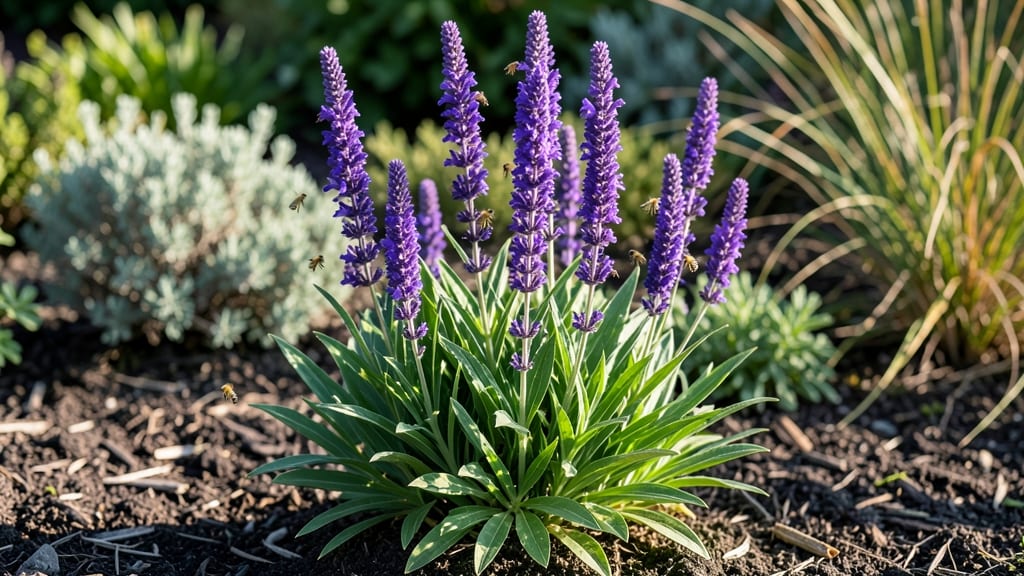
This purple-stalked flower, the Delphinium, is what makes any garden unforgettable—especially in the Pacific Northwest’s damp, cool summers. 🌿 I’ve grown them for years, and they’ve become my go-to for dramatic vertical accents that handle our region’s unpredictable weather like champions.
The secret lies in their deep roots and tolerance for cooler temperatures, which most other tall flowers can’t match.
You’ll need full sun (at least 6 hours daily) and well-draining soil—think of it as giving them the sturdy foundation they need to support those towering blooms. Seeds are the easiest way to start, though transplants work too if you’re in a hurry.
The key is patience: Delphiniums grow fast once established, but they need consistent moisture without soggy soil. Once they’re up, they’ll reward you with 3-5 foot spikes of blue, purple, or white flowers that hummingbirds adore.
Pruning spent blooms keeps them producing all season, and dividing clumps every 3-4 years prevents overcrowding. They’re surprisingly tough—even our occasional frosts won’t phase them if you plant them in well-drained beds.
The real magic happens in early summer when the first spikes emerge, turning your garden into a vertical watercolor painting. Ready to grow these showstoppers?
Works beautifully in borders, cottage gardens, or even as cut flowers—their long stems hold up perfectly in bouquets. Just avoid heavy clay soil, and you’ll have blooms that outshine everything else in the garden. Let’s get those seeds in the ground!
📚 In This Guide
- What you need
- Instructions
- Tips and common mistakes
- Wrapping up and next steps
What you need
- ● Seeds or nursery plants: Choose frost-hardy varieties like Delphinium elatum or Lupinus polyphyllus (purple blooms!). Aim for 3–5 plants for a small border or 10+ for a bold display.
- ● Well-draining soil: Mix 1 part compost with 2 parts native soil (amend with perlite if clay-heavy). pH 6.0–7.5 is ideal.
- ● Organic fertilizer: A balanced 10-10-10 or slow-release rose/flower blend (1–2 tbsp per plant at planting time).
- ● Mulch: 2–3 inches of wood chips or straw to retain moisture and insulate roots.
- ● Garden trowel or transplant spade (for digging holes 12–18 inches deep).
- ● Watering can or hose with a gentle spray nozzle (avoid over-saturating soil).
- ● Pruners or shears (for deadheading and shaping).
- ● Garden gloves (to protect against prickly stems, especially with Lupinus).
- ○ Stakes or cages (optional but highly recommended—purple stalk flowers can grow 3–5 feet tall and need support!)
- ● ✨ Sunlight: Full sun (6+ hours/day)—these beauties thrive in PNW’s brightest spots!
- ● 💡 Timing: Plant seeds in early spring (after last frost) or late summer for fall blooms. Transplants can go in spring or early fall.
- ● 🌡️ Frost tolerance: Most purple stalk flowers handle 20–25°F temps once established—perfect for the PNW’s chilly mornings!
- ● 🎯 Spacing: Keep plants 12–24 inches apart (check seed packet for variety specifics).
Step-by-step guide to planting purple stalk flowers
Here's how to establish these hardy blooms in your Pacific Northwest garden—where cooler climates actually help them thrive.
🌱 Step 1: Choose the Right Location and Prepare Soil
Purple stalk flowers—like Delphinium or Larkspur—thrive in well-draining soil with a slightly alkaline pH (aim for 6.5-7.5). In the Pacific Northwest's wetter climate, I always amend the soil with 2-3 inches of compost and a handful of bone meal (about ½ cup per planting area) to boost phosphorus for strong root development. This prevents the leggy, floppy stems that often plague these plants in heavy, clay-heavy soils.
Select a spot with partial shade to full sun—morning sun with afternoon shade works best in hotter microclimates. If your garden gets intense afternoon sun, provide afternoon shade during the first growing season to prevent stress. Test the soil moisture: these plants hate soggy roots, so if your site floods after rain, raise beds or plant on a mound.
🪴 Step 2: Plant Bare-Root or Container-Grown Starts
For bare-root plants, soak the roots in lukewarm water for 15-20 minutes before planting. This jumpstarts hydration and helps roots establish faster in cool Pacific Northwest springs. Dig a hole twice as wide as the root ball but only as deep—planting too deep suffocates the crown and causes rot. Gently spread the roots outward and backfill with the native soil, pressing lightly to eliminate air pockets.
For container-grown plants, remove them from the pot and loosen any circling roots with your fingers. Place them in the hole at the same depth they were growing in the container. Water deeply immediately after planting to settle the soil and eliminate air gaps. Space plants 18-24 inches apart—crowding leads to weak stems and fewer blooms.
☀️ Step 3: Water and Fertilize for Strong Stems
Water deeply once a week during the first growing season, aiming for 1 inch of water per week. In the Pacific Northwest's damp climate, this prevents the plants from becoming waterlogged while ensuring steady growth. Mulch with 2-3 inches of straw or shredded bark to retain moisture and suppress weeds—this is especially important in rainy seasons. Avoid synthetic mulches that can compact and suffocate roots.
Fertilize lightly with a balanced, slow-release fertilizer (like 10-10-10) at planting time, then again in early summer. Too much nitrogen makes plants grow lush foliage but few flowers. I use organic fish emulsion (mixed at ½ strength) every 4-6 weeks during the blooming season to encourage vibrant purple hues without overfeeding.
✂️ Step 4: Support and Prune for Long-Lasting Blooms
Purple stalk flowers need sturdy support—install 4-5 foot tall stakes or a cage at planting time to prevent stems from flopping over in wind or rain. If you're planting in clusters, use a tomato cage-style structure shared between 2-3 plants. This keeps the blooms upright and accessible for cutting.
Deadhead spent blooms regularly to encourage continuous flowering. Cut back the entire plant by ⅓ after the first flush of blooms to promote a second round of flowers. In the Pacific Northwest, where summers can be mild, this often results in a late-summer rebloom that lasts into early fall. Avoid cutting back in late summer—you want the plant to harden off for winter.
⏰ Step 5: Prepare for Winter and Next Season
In the Pacific Northwest's USDA Zones 7-9, purple stalk flowers are frost-resistant but benefit from light winter protection. After the first hard frost, cut back stems to 4-6 inches tall and mound 2-3 inches of mulch around the base. This insulates the crown from freezing temperatures while allowing airflow to prevent rot.
In early spring, remove the mulch and check for new growth. If the plant doesn’t emerge by mid-March, it may have died back—don’t give up, as these plants often resprout late. Once new shoots appear, resume watering and fertilizing. Divide clumps every 3-4 years in early spring to rejuvenate the plant and share with neighbors.
Tips & tricks for perfect purple stalk flowers
These insider secrets will help your purple stalk flowers thrive in Pacific Northwest conditions—where cooler climates actually work in your favor.
Soil Preparation Secret: The 15-20 minute bare-root soak isn't just about hydration—it's a critical step to prevent transplant shock in our cool springs. Add a handful of perlite or coarse sand to your amended soil mix to improve drainage, especially if your native soil is heavy clay. This creates an ideal air-to-moisture balance that prevents those dreaded floppy stems from waterlogged roots. I've seen plants with perfect structure after this simple amendment, even in rainy seasons.
Pacific Northwest Watering Wisdom: That "1 inch per week" guideline works perfectly in our climate, but here's the twist: break it into two sessions—morning and evening. This mimics natural rainfall patterns and prevents fungal issues that thrive in our damp air. For container-grown plants, water until it drains from the bottom, then empty saucers completely to avoid root rot.
Fertilizer Timing Tip: The early summer feeding window is your best chance to avoid nitrogen overload—too much makes plants grow leaves instead of flowers. I've found that side-dressing with compost (about 1 cup per plant) in early summer gives a gentle, organic boost without the risk of burning. This works especially well for Delphiniums that need that extra phosphorus kick.
Winter Protection Hack: When you mound that 2-3 inches of mulch after frost, add a layer of straw on top of leaves to prevent them from compacting against the stems. This creates an insulating air pocket that keeps crowns warm without suffocating the plant. I've had plants emerge stronger than ever after using this simple layering technique.
Pro Tips for Purple Stalk Flower
- These insider secrets will help your purple stalk flowers thrive in Pacific Northwest conditions—where cooler climates actually work in your favor.
- Soil Preparation Secret: The 15-20 minute bare-root soak isn't just about hydration—it's a critical step to prevent transplant shock in our cool springs.
- Pacific Northwest Watering Wisdom: That "1 inch per week" guideline works perfectly in our climate, but here's the twist: break it into two sessions—morning and evening.
Frequently asked questions
Got questions about growing purple stalk flowers in your Pacific Northwest garden?
You’re not alone! Here are some of the most common queries—and their answers—to help you cultivate these stunning, frost-resistant blooms with confidence.
What are the best conditions for purple stalk flowers in the PNW?
Purple stalk flowers (like Delphinium or Allium) thrive in full sun to partial shade and well-draining soil. The PNW’s cool, moist climate works in their favor—just ensure they’re planted in slightly elevated spots to prevent root rot. A mulch layer (like wood chips) helps retain moisture while protecting roots from winter dampness.
How long does it take for purple stalk flowers to bloom after planting?
Most purple stalk varieties bloom within 60–90 days from planting seeds, while established plants (from bulbs or transplants) may flower in 2–3 months. Allium species often bloom earlier (spring), while Delphinium typically flowers in mid-to-late summer. Patience pays off—some varieties reward you with repeat blooms if deadheaded!
Are purple stalk flowers truly frost-resistant? How do I protect them in harsh PNW winters?
Yes! Many varieties (like Allium or Delphinium) tolerate light frosts, but heavy snow or ice can damage tall stalks. To safeguard them:
- Cut back foliage to 3–4 inches after flowering.
- Apply a thick mulch layer (4–6 inches) of straw or leaves.
- Use garden fabric or burlap to wrap stems if expecting extreme cold (<10°F).
What can I plant alongside purple stalk flowers for a stunning PNW garden?
Pair them with complementary textures and colors for drama! Try:
- Grasses (like Miscanthus) for movement.
- Silver foliage (e.g., Artemisia) to contrast their purple.
- White or yellow blooms (e.g., Rudbeckia or Coreopsis) to pop against their height.
- Ferns (e.g., Matteuccia) for a lush, woodland feel.
Why aren’t my purple stalk flowers blooming? Troubleshooting tips!
No flowers? Check these common culprits:
Issue
Solution
Too much shade
Move to 6+ hours of sun daily.
Over-fertilizing (especially nitrogen)
Use a low-phosphorus fertilizer (like 5-10-5) in early spring.
Crowded roots
Thin plants or divide clumps every 3–4 years.
Dormant bulbs not getting enough rest
Let foliage yellow naturally before cutting back.
Wrapping up and next steps
Growing purple stalk flowers in your Pacific Northwest garden is a rewarding way to add vibrant color and resilience to your outdoor space! These frost-resistant blooms are perfect for gardeners who love low-maintenance, hardy plants that thrive in cooler climates.
With the right soil, sunlight, and care, you’ll enjoy stunning flowers year after year—and maybe even share cuttings with fellow plant enthusiasts!
Ready to dive in? Start by gathering your supplies, choosing the perfect spot, and following the steps outlined above. Soon, your garden will be bursting with purple stalks and cheerful blooms—happy gardening! 🌸🌿