
Lawn
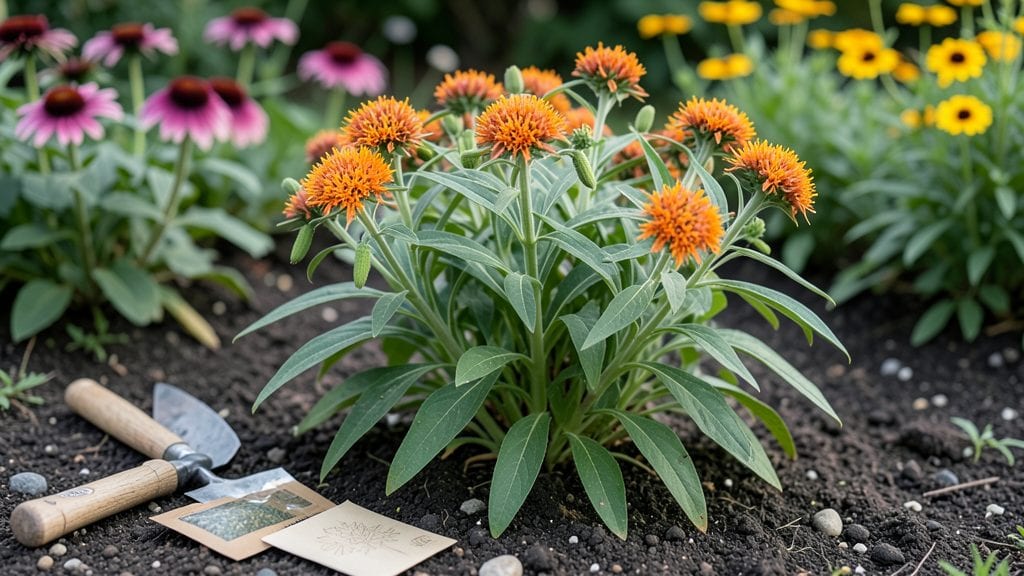
Creating a Northeast pollinator wildflower seed mix garden transforms your yard into a buzzing, fluttering ecosystem that thrives all year. 🌼 I’ve planted mine in a sunny corner, and within weeks, bees and butterflies discovered it—something I never expected so early in the season.
The magic starts with the right soil and sunlight. Northeast wildflowers love well-draining soil and at least 6 hours of sun daily, though they tolerate partial shade too.
A light raking before planting ensures good seed-to-soil contact, and a thin layer of mulch keeps moisture in while weeds stay out.
By midsummer, you’ll see a riot of color—purple coneflowers, golden black-eyed Susans, and delicate blue asters—each bloom a magnet for pollinators. The garden hums with activity, and even late-season frosts won’t stop the show, as many varieties reseed themselves for next year.
Whether you’re a beginner or a seasoned gardener, this mix adapts to small patches or larger meadows. The key is patience: the first year builds the foundation, while the second bursts with life. Let’s get those seeds in the ground!
📚 In This Guide
- What you need
- Instructions
- Tips and common mistakes
- Wrapping up and next steps
What you need
- ● Northeast Pollinator Wildflower Seed Mix: 1 lb (or more, depending on area size—see planting guide for coverage rates). Choose a mix specifically labeled for your region (e.g., Eastern U.S. Native Wildflowers).
- ● Preparation Tools: Garden rake or broadfork (to loosen soil)
- ● Hoe or hand weeder (for removing weeds)
- ● Garden hose with spray nozzle (for watering)
- ○ Planting Supplies: Optional: Straw mulch or peat moss (to retain moisture, 1–2 bags per 100 sq. ft.)
- ○ Optional: Seed spreader (for even distribution, especially for larger areas)
- ● Location: Full sun to partial shade area (6+ hours of sunlight daily for best results).
- ● Well-draining soil (amend with compost if soil is heavy or clay-like).
- ○ Safety Gear (Optional but Recommended): Garden gloves (to protect hands from prickly plants or debris)
- ● Knee pads (for comfort during planting)
- ● Water Source: Reliable access to water for initial planting and the first 2–3 weeks post-planting.
Step-by-Step instructions for planting Northeast pollinator wildflower seed mix
Here's how to create a thriving, low-maintenance meadow that keeps bees and butterflies visiting from spring through fall.
🌱 Step 1: Prepare the Planting Site
Choose a sunny location with 6-8 hours of direct sunlight daily—most native wildflowers need full sun to thrive. Clear the area of weeds, grass, or debris, then loosen the top 4-6 inches of soil with a rake or broadfork. The goal is to break up compaction without creating deep furrows that could bury seeds too deeply.
Test your soil's moisture retention by squeezing a handful—it should crumble slightly when dry but not feel powdery. If your soil drains too quickly (common in sandy areas), mix in 1-2 inches of compost to improve water-holding capacity. Avoid working the soil when it's wet; you'll know it's ready when it forms a loose clod that breaks apart with gentle pressure.
🌿 Step 2: Scatter Seeds Evenly
Spread the seeds by hand for the most natural distribution—wildflowers grow best when they're not overcrowded. Aim for about 1/8 to 1/4 pound of seed per 100 square feet, depending on your mix's density. I like to walk in a grid pattern, tossing small handfuls and letting them sift naturally through my fingers. This prevents clumping and ensures even coverage.
Lightly press the seeds into the soil with a board or your foot—just enough to make contact with the earth, but don't bury them. Most wildflower seeds need light to germinate, so covering them with more than 1/8 inch of soil will reduce your success rate. Mark the area with stakes or flags so you remember where you planted.
💧 Step 3: Water Gently and Consistently
Keep the soil surface moist (not soggy) for the first 4-6 weeks using a fine-mist spray nozzle or gentle watering can. You'll know you're doing it right when the top 1/2 inch of soil stays damp but doesn't develop a crust. Water in the early morning so moisture has time to penetrate before evaporating in the afternoon sun.
Once seedlings appear, reduce watering to 1-2 times per week, allowing the soil to dry slightly between sessions. Overwatering at this stage causes seedlings to rot before they establish strong roots. I set a reminder on my phone for the first month—it's easy to forget when you're not seeing immediate results.
✂️ Step 4: Maintain Through the First Growing Season
Let the plants grow to 6-12 inches tall before your first mowing in late fall or early winter. This gives seeds time to mature and disperse naturally. Use a scythe or string trimmer set to 4 inches high to avoid cutting flower heads—these provide winter interest and food for birds while protecting soil from erosion.
In the second year, you can mow twice annually: once in late spring after flowering, and again in early fall. Leave the clippings on the site to return nutrients to the soil. Weeds will inevitably appear—pull them when young and before they set seed, focusing on areas where wildflowers haven't yet established.
🪴 Step 5: Enjoy Year-Round Benefits
Your meadow will reach full beauty in the second or third year as perennials establish. Plant successive patches each year to create a continuous bloom sequence. I've seen monarch butterflies emerge from chrysalises in my meadow in late summer—nothing compares to watching them feed on native milkweed while their wings dry.
To extend the season, add a few annuals like cosmos or zinnias to fill gaps in early summer. These self-seed readily and provide nectar when perennials are still establishing. The key to long-term success is patience—native ecosystems take time to develop their full ecological complexity, but the rewards are worth every season of waiting.
Tips & tricks for perfect Northeast pollinator meadows
A few strategic moves will help your wildflower meadow thrive from day one. These are the lessons I've learned after planting (and replanting) my own pollinator haven.
Soil Prep Secret: In Step 1, when loosening the top 4-6 inches of soil, focus on breaking up compaction rather than creating deep furrows. I've found that using a broadfork instead of a tiller preserves soil structure better—tilling can actually bury seeds too deeply and disrupt beneficial soil microbes. For heavy clay soils, consider adding a thin layer of coarse sand to improve drainage before planting.
Seed Distribution Technique: The hand-scattering method in Step 2 works best when you walk in a grid pattern and toss seeds from waist height. This creates a more natural distribution than simply walking in straight lines. For larger areas, divide the space into 10x10 foot squares and mark each with a stake—this prevents overcrowding in some spots while leaving gaps elsewhere. Remember, wildflowers grow best when they're not competing for space.
Watering Wisdom: During the critical 4-6 week establishment period in Step 3, I've learned that consistency matters more than quantity. Set a timer for your morning watering routine—aim for 10-15 minutes per 100 square feet using a gentle rain nozzle. The key is keeping that top ½ inch of soil consistently moist without creating puddles. I've ruined multiple plantings by either underwatering or overwatering during this sensitive phase.
Long-Term Maintenance Hack: For Step 4's first mowing, wait until after the first hard frost when plants have died back naturally. This allows seeds to fully mature and disperse. I've started marking my calendar for early November—this timing gives late-season bloomers like goldenrod and asters time to complete their life cycles while still allowing me to cut before winter sets in completely.
Pro Tips for Northeast Pollinator Wildflower Seed Mix
- A few strategic moves will help your wildflower meadow thrive from day one.
- Soil Prep Secret: In Step 1, when loosening the top 4-6 inches of soil, focus on breaking up compaction rather than creating deep furrows.
- Seed Distribution Technique: The hand-scattering method in Step 2 works best when you walk in a grid pattern and toss seeds from waist height.
Frequently asked questions
Got questions about creating a thriving pollinator garden with a Northeast Pollinator Wildflower Seed Mix? Here are answers to the most common ones—so you can dive right in with confidence!
When is the best time to plant this seed mix in the Northeast?
The ideal planting window is early spring (March–April) or late summer/early fall (August–September). Spring planting gives flowers a head start, while fall sowing avoids summer heat stress and weeds. For best results, aim for 6–8 weeks before your first frost.
How long does it take for the wildflowers to bloom after planting?
Most varieties in the mix will sprout within 7–21 days, but full blooms typically appear 60–90 days after planting. Some perennial species (like milkweed or bee balm) may take 2–3 years to reach peak performance but provide long-term benefits for pollinators.
Do I need to water the seeds daily, or can I let nature take its course?
Keep soil consistently moist (not soggy) for the first 2–3 weeks—water lightly 1–2 times daily if rainfall is scarce. Once seedlings emerge, reduce to 2–3 times per week (deep watering). After establishment, most wildflowers are drought-tolerant!
Will this mix attract bees, butterflies, and hummingbirds, or just some pollinators?
This blend is a pollinator powerhouse! It includes bee-friendly flowers (like goldenrod and clover), butterfly magnets (milkweed, coneflower), and hummingbird favorites (bee balm, cardinal flower). For maximum impact, plant in sunny, well-drained spots with varied heights.
Can I use this mix in containers or small spaces, or is it only for large gardens?
While it’s designed for ground cover, you can adapt it to containers, window boxes, or raised beds by using a lightweight potting mix and shallow trays. Just ensure containers are at least 6–12 inches deep to accommodate root growth.
What if weeds take over before my wildflowers grow? How do I compete?
Prevent weeds by mulching lightly (straw or shredded leaves) after planting and hand-pulling early sprouts. Avoid herbicides—many wildflowers are sensitive. For stubborn weeds, smother them with cardboard before sowing seeds.
Will this mix survive harsh Northeast winters, or do I need to replant yearly?
Most varieties are perennial and cold-hardy (USDA Zones 3–8), meaning they’ll return year after year with minimal care. Deadhead spent blooms in fall to encourage regrowth. Annuals (like cosmos) may need replanting, but perennials like black-eyed Susan will thrive for decades!
Wrapping up and next steps
Transforming your yard into a thriving Northeast pollinator wildflower seed mix haven is easier—and more rewarding—than you think! 🌸 By choosing native seeds, preparing your soil, and maintaining your garden with care, you’ll create a vibrant ecosystem that supports bees, butterflies, and other vital pollinators.
Every seed planted is a step toward a greener, more sustainable future.
Ready to take the next step? Start small—whether it’s a corner of your lawn or a balcony planter—and watch your garden bloom with life. Share your progress with fellow gardeners or even local conservation groups to inspire others to join the movement! 🐝✨