Shrubs
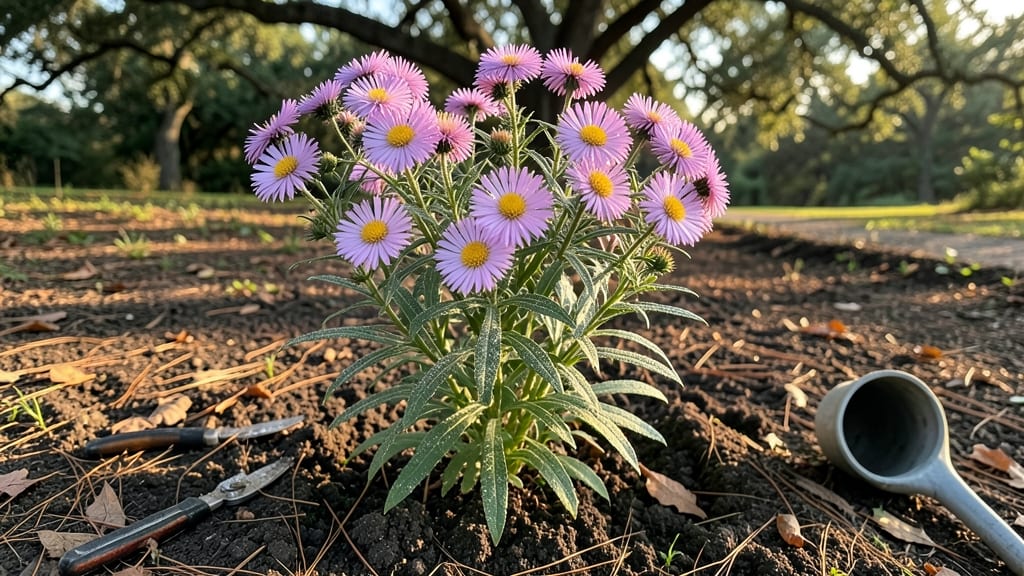
Late flowering asters keep your garden vibrant long after most perennials have faded—especially in the Pacific Northwest’s damp, cool autumns. 🌿 I’ve grown them for years in zones 5-8, and the secret to their prolonged blooms lies in the right timing, soil prep, and a few strategic cuts.
These hardy plants thrive where others struggle, turning late-season gardens into jewel-toned masterpieces.
The key to extending their bloom starts with planting in early spring or late summer, giving roots time to establish before winter. In my experience, well-draining soil with a touch of compost and regular deadheading keeps flowers coming until the first hard frost.
For the Pacific Northwest’s unpredictable weather, mulching in early fall adds extra insulation without smothering the plants.
What you’ll end up with is a garden that stays lively through October and even November, with deep purple, pink, and blue blooms standing out against misty mornings.
The foliage remains disease-resistant, and the stems stay sturdy enough for cutting—perfect for late-season arrangements. This isn’t just about beauty; it’s about defying the season’s natural decline.
Works equally well in borders, cottage gardens, or as a pollinator magnet. The same principles apply whether you’re in Seattle’s rainy climate or Portland’s milder zones. Here’s how to make the most of your late-season stars.
📚 In This Guide
- What you need
- Instructions
- Tips and common mistakes
- Wrapping up and next steps
What you need
- ● Late flowering aster plants: Choose frost-resistant varieties like Symphyotrichum subspicatum or Symphyotrichum novae-angliae. Purchase 3–5 plants (or seeds) for a vibrant display.
- ● Well-draining soil: Aim for a mix of 60% native soil, 30% compost, and 10% perlite or sand to prevent waterlogging.
- ● Organic mulch: Use 2–3 inches of shredded bark or wood chips to retain moisture and protect roots from frost.
- ● Balanced fertilizer: A 10-10-10 or 5-10-10 NPK ratio (organic or synthetic) applied in early spring and mid-summer.
- ● Watering can or hose: With a gentle spray nozzle to avoid damaging delicate stems.
- ● Garden gloves and trowel: For planting and maintenance.
- ● Slow-release fertilizer spikes: For hassle-free feeding.
- ● Plant supports (stakes or cages): If your aster variety grows tall (3–5 ft).
- ● Pruning shears: For deadheading spent blooms to encourage more flowers.
- ● Epsom salt (magnesium sulfate): A 1 tbsp per gallon of water spray monthly for greener foliage.
- ● Frost cloth: Lightweight fabric to protect young plants during unexpected late frosts.
Step-by-step instructions for cultivating late flowering asters in the Pacific Northwest
Here’s how to grow these hardy, frost-resistant beauties that bloom reliably into fall.
🌱 Step 1: Select the Right Varieties and Planting Time
For the Pacific Northwest’s cooler climate, choose late-blooming varieties like ‘Patriot’ or ‘Profusion’—they thrive in zones 5-9 and tolerate light frost. Plant in early spring (March-April) or early fall (September-October) to avoid summer heat stress. Late fall planting lets roots establish before winter, giving you an early start on next year’s blooms.
I always test soil drainage first by digging a 6-inch hole and filling it with water—if it drains in under an hour, the site is ready. Asters hate soggy roots, so amend heavy clay with 2-3 inches of compost to improve aeration. This step ensures your plants won’t struggle with root rot, even in our rainy winters.
☀️ Step 2: Choose Full Sun and Prepare the Soil
Late asters need at least 6 hours of direct sun daily—more if possible. In the PNW, this means a south- or west-facing spot where they’ll get afternoon light without afternoon shade. I mark the sunniest areas with stakes to compare before planting, since our cloudy summers can fool you.
Loosen the soil to 12 inches deep with a broadfork, breaking up compacted layers. Mix in 2-3 inches of aged compost and a balanced 10-10-10 fertilizer at planting time. The goal is loose, fertile soil that holds moisture but drains well—aster roots need both to thrive. Avoid fresh manure, which can burn tender roots.
🪴 Step 3: Plant with Proper Spacing and Mulch
Dig holes twice as wide as the root ball and as deep—aster roots spread horizontally, so depth matters less than width. Space plants 18-24 inches apart for good air circulation, which prevents fungal diseases like powdery mildew. I plant in clusters of 3-4 for a natural look, then fill gaps with 1 inch of compost before backfilling.
Water deeply after planting to settle the soil, then apply 3 inches of organic mulch (straw or shredded bark) to retain moisture and suppress weeds. Mulch also protects roots from temperature swings—critical in our unpredictable PNW springs and falls. Check mulch thickness yearly and replenish as it breaks down.
💧 Step 4: Water Deeply and Fertilize Strategically
Water once a week during the first growing season, aiming for 1 inch of water per week. Let the top 2 inches of soil dry out between waterings—aster roots are drought-tolerant once established, but young plants need consistent moisture. I use a rain gauge to track rainfall, adjusting irrigation to avoid overwatering.
Feed with a low-nitrogen fertilizer (5-10-10) in early spring and again after the first flush of blooms. Too much nitrogen produces lush foliage but fewer flowers. I also side-dress with 1 inch of compost in late summer to support fall blooming. Stop fertilizing 6 weeks before the first frost to harden off plants for winter.
✂️ Step 5: Deadhead and Prepare for Winter
Deadhead spent blooms weekly to encourage continuous flowering until frost. Cut back one-third of the plant height in early fall to promote bushier growth next year. I use clean, sharp shears to avoid tearing stems, which can invite disease. Leave the lower foliage intact to protect the crown through winter.
In late fall, apply 4-6 inches of mulch around the base to insulate roots from freezing temperatures. Pacific Northwest winters can drop below 20°F, but asters handle frost well if their roots stay dry. I mark plant locations with stakes so I don’t disturb them during winter cleanup—this ensures they emerge strong in spring.
Tips & tricks for perfect late flowering asters
A few strategic moves will help your late asters thrive through Pacific Northwest winters and bloom reliably into fall.
Variety Selection Matters: While 'Patriot' and 'Profusion' are excellent choices, consider 'Alma Potschke' for its exceptional disease resistance or 'Wood's Blue' for striking color. The key is selecting varieties bred for late blooming—these have stronger stems that support heavier fall flowers without flopping. I've found that local PNW nurseries often carry these specific cultivars, so ask your grower about their recommendations for your microclimate.
Soil Test Before Amending: That 6-inch drainage test is crucial, but I recommend taking it a step further by getting your soil pH tested through your local extension office. Asters prefer slightly acidic to neutral soil (pH 6.0-7.0). If your test shows pH below 6.0, add pelletized lime according to package instructions before planting. The 2-3 inches of compost we add will help buffer pH, but extreme conditions need correction.
Mulch Thickness Strategy: The 3 inches of mulch we apply after planting is just the beginning. In late fall, when we increase to 4-6 inches, I actually create two layers: first, a 2-inch layer of straw for weed suppression, then 4 inches of shredded bark on top. This two-layer system provides better insulation while still allowing moisture to penetrate. The bark also breaks down more slowly, maintaining protection through our coldest months.
Watering Timing Secret: That once-a-week watering guideline works, but timing matters more than you might think. Always water in the morning between 6-10am to allow foliage to dry completely before evening. Wet leaves overnight create perfect conditions for fungal diseases, especially in our damp PNW climate. I set a reminder on my phone for the first few weeks to ensure consistency—new gardeners often underestimate how critical this is for establishing healthy roots.
Pro Tips for Late Flowering Asters
- A few strategic moves will help your late asters thrive through Pacific Northwest winters and bloom reliably into fall.
- Variety Selection Matters: While 'Patriot' and 'Profusion' are excellent choices, consider 'Alma Potschke' for its ex...
- Soil Test Before Amending: That 6-inch drainage test is crucial, but I recommend taking it a step further by getting ...
Frequently asked questions
about late flowering asters—because every gardener deserves a little extra clarity! Here are answers to the most common questions to help you grow these hardy beauties like a pro.Why are my late flowering asters blooming later than expected?
Late blooming can happen due to cooler summer temperatures, shade, or over-fertilization with nitrogen. Asters often wait until after the first frost for their best display. If your plants are otherwise healthy, don’t worry—they’re just following their natural rhythm! For earlier blooms, ensure they get full sun (6+ hours/day) and well-draining soil.
Can I still plant late flowering asters in early fall?
In fact, fall planting is ideal for many aster varieties in the Pacific Northwest. They’ll establish roots before winter and burst into bloom next spring or early summer. Just give them 6-8 weeks to root before the first hard frost. Mulch lightly to protect young plants from cold snaps.
What pests or diseases should I watch for with late asters?
Japanese beetles, aphids, and powdery mildew are common culprits. Preventative care like regular pruning for airflow and neem oil sprays can help. If you spot chewed leaves, blast off pests with water or introduce ladybugs. For mildew, avoid overhead watering and ensure good drainage.
Are there late-blooming aster alternatives for shadier gardens?
If your spot is too shady for asters, try Mexican sunflower (Tithonia) or Joe Pye weed (Eutrochium)—both thrive in partial shade and bloom late. For true asters, opt for Symphyotrichum varieties like ‘Wood’s Blue,’ which tolerates 3-4 hours of sun and still delivers stunning fall color.
How do I extend the blooming season for my asters?
Deadhead spent blooms regularly to encourage more flowers, and fertilize lightly with low-nitrogen, high-phosphorus fertilizer in early summer. In the PNW, late asters often bloom into November—just protect them from heavy rain or wind, which can knock them over. A light layer of mulch also helps retain moisture and warmth.
Wrapping up and next steps
Late flowering asters are a fantastic choice for gardeners in the Pacific Northwest, offering stunning late-season color and resilience against frost. With the right care—well-draining soil, consistent watering, and proper pruning—you’ll enjoy their cheerful blooms well into fall. 🌸
Ready to transform your garden? Start planting this season and watch your outdoor space thrive with these hardy, low-maintenance beauties! For even more tips, explore companion plants or seasonal care guides to keep your garden blooming year-round.