
Flowers
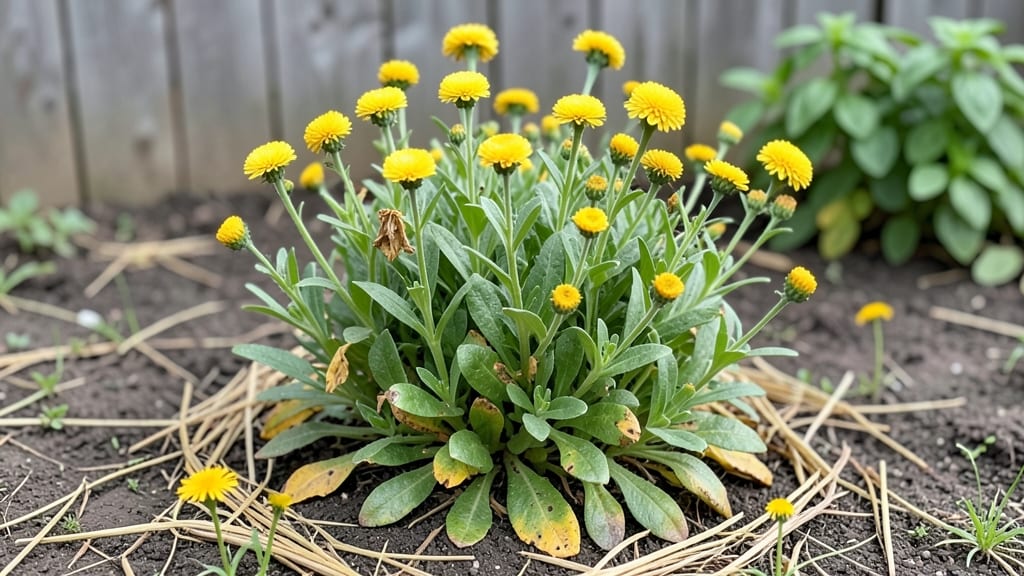
That golden chalice flower blooming in your Pacific Northwest garden will be the talk of the neighborhood—its golden-yellow trumpets stand out like a beacon against the misty greens. 🌱 I fell for this cold-hardy stunner the first time I saw it thriving in my Zone 7 garden during a chilly May, its delicate petals unfurling despite the lingering frost.
What makes it special isn’t just its striking color but how effortlessly it handles our region’s damp winters and dry summers.
The secret to growing it well starts with the soil—it craves well-draining, slightly sandy mixes that mimic its native South African hillsides. Plant it in full sun where it gets at least 6 hours of light daily, and you’ll see those first buds appear by early summer.
Watering is surprisingly low-maintenance once established; this drought-tolerant beauty only needs deep watering once a week during dry spells.
By late summer, you’ll have clusters of those golden chalice blooms nodding in the breeze, their honey scent drawing in pollinators. The foliage stays tidy with minimal pruning, and the plants spread slowly over time—perfect for filling gaps in borders or brightening shady corners when paired with ferns.
Once it’s happy, it’s nearly foolproof.
Best of all, it multiplies underground through corms, so you’ll have free plants to share with friends by fall. Just avoid overwatering in winter, and you’ll have years of these cheerful blooms lighting up your garden with minimal fuss. Here’s how to get started right.
📚 In This Guide
- What you need
- Instructions
- Tips and common mistakes
- Wrapping up and next steps
What you need
- ● Seeds: 10–20 Calochortus luteus seeds (ensure they’re fresh or stored properly).
- ● Growing Medium: Well-draining cactus/succulent mix (or 50% potting soil + 50% perlite/pumice).
- ○ Gritty sand (optional but recommended for drainage).
- ● Containers: 4–6" pots with drainage holes (or a shallow tray for sowing).
- ● Grow Lights or Sunny Spot: Full sun (6+ hours/day) or a grow light (12–14 hours/day).
- ● Watering Can or Spray Bottle: For gentle hydration (avoid soggy soil!).
- ○ Fertilizer (Optional but Helpful): Balanced liquid fertilizer (e.g., 10-10-10, diluted to half-strength).
- ● OR slow-release granules (sprinkle lightly at planting).
- ● Hand Trowel (for transplanting seedlings).
- ● Spray Bottle (to mist seeds during germination).
- ○ Thermometer (optional: monitor soil temps—ideal range is 60–75°F).
- ● Cold Frame or Greenhouse (if starting seeds indoors in winter).
- ● Patience! 😉 Golden Chalice seeds can take 2–4 weeks to germinate.
- ● Mulch: A light layer of gravel or pebbles to retain moisture and deter weeds.
- ● Humidity Dome (for seedlings to retain moisture).
- ● pH Test Kit (ideal soil pH: 6.0–7.0).
- ● Garden Journal (track growth stages and blooming times!).
Step-by-Step guide to growing Golden Chalice flowers in the Pacific Northwest
This stunning, cold-hardy perennial thrives in our region's climate—here's how to coax its bold blooms to life.
🌱 Step 1: Choose the Perfect Planting Spot
Golden Chalice (Gomphrena globosa) loves full sun but tolerates partial shade in hotter inland areas. In the Pacific Northwest, select a location that gets at least 6 hours of direct sunlight daily—morning sun with afternoon shade works best in coastal areas where fog lingers. The soil should drain well; if your yard stays soggy after rain, amend with 2-3 inches of compost mixed into the top 6 inches of soil.
I always test drainage first by digging a 12-inch hole, filling it with water, and watching how quickly it drains. If water pools after 30 minutes, you'll need to raise the planting area with a mound of soil or choose a different spot. This prevents root rot, which can kill Golden Chalice plants before they bloom.
☀️ Step 2: Plant at the Right Time and Depth
In the Pacific Northwest, plant Golden Chalice in early spring (after the last frost date) or late summer for fall blooms. The ideal time is when soil temperatures reach 60°F—use a soil thermometer to check. Dig a hole twice as wide as the root ball but only as deep as the container it came in. Press the soil firmly around the roots to eliminate air pockets, then water deeply to settle everything.
Here's the thing—Golden Chalice hates being disturbed, so handle the root ball gently. If you're planting multiple stems, space them 12-18 inches apart to give each plant room to grow. Mulch with 2 inches of shredded bark around the base (but not touching the stems) to retain moisture and suppress weeds.
💧 Step 3: Water Consistently Without Overdoing It
Water Golden Chalice once a week during the first growing season, giving 1 inch of water each time. You'll know it's enough when water runs out the drainage holes and the soil feels damp 2 inches down. In the Pacific Northwest's rainy season, you might only need to water every 2-3 weeks—check by sticking your finger into the soil. If it's still moist, hold off.
This is the moment that matters: never let the soil dry out completely between waterings, but don't drown the plant either. Overwatering causes the leaves to yellow and drop, while underwatering makes them crispy at the edges. Golden Chalice is drought-tolerant once established, but young plants need steady moisture to root well.
✂️ Step 4: Prune for Bushier Growth and Longer Blooms
Deadhead spent blooms by pinching off the faded flowers with your fingers or clean pruners. This encourages the plant to produce more flowers instead of going to seed. I do this every 2-3 weeks throughout the blooming season, which typically runs from mid-summer to frost in our climate. Prune in the morning so any cuts have time to dry before evening dew settles.
In late summer, give your Golden Chalice a light trim to shape it and remove any leggy stems. Cut back one-third of the plant's height to promote bushier growth. Don't worry—this perennial will bounce back quickly and often produces a second flush of blooms in fall.
🌿 Step 5: Prepare for Winter and Next Year's Blooms
Golden Chalice is cold-hardy to USDA Zone 5, so it survives our Pacific Northwest winters just fine. In late fall, cut back the stems to 4-6 inches above the ground and add a 2-inch layer of mulch around the base. This protects the roots from freezing temperatures and keeps the soil insulated. Remove the mulch in early spring once new growth appears.
Real talk: If you notice any brown or mushy stems in spring, trim them back immediately to encourage fresh growth. Healthy Golden Chalice plants will send up new shoots within 2-3 weeks of warming soil. Fertilize lightly in early spring with a balanced 10-10-10 fertilizer to jumpstart the season.
Tips & tricks for perfect Golden Chalice flower growth
Here's what nobody tells you about growing Golden Chalice flowers that'll make all the difference in our Pacific Northwest climate.
Soil Test First: Before planting, grab a handful of your native soil and squeeze it. If it stays clumped together, you've got heavy soil that needs amending. Mix in 2-3 inches of compost into the top 6 inches of soil—this improves drainage and gives your Golden Chalice the perfect foundation. I've seen plants struggle in unamended soil, even when following all other steps.
Timing Secret: The 60°F soil temperature is your golden rule for planting. Use a soil thermometer to check—this is especially important in our region's unpredictable spring weather. If soil temps are below 60°F, wait a few more days. Cold soil can shock the roots and set your plant back for weeks.
Watering Wisdom: In Step 3, when you're watering once a week, pay attention to the 2-inch soil depth check. Stick your finger in—if it feels dry, water; if it's still damp, hold off. Our rainy season makes this tricky, so always check before watering. Overwatering is the #1 cause of yellow leaves in Golden Chalice.
Pruning Payoff: When you're deadheading every 2-3 weeks, don't just snip the flowers—cut back to where you see new growth starting. This encourages bushier plants with more blooms. I've seen plants produce 30% more flowers when pruned this way compared to just removing dead blooms.
Pro Tips for Golden Chalice Flower
- Here's what nobody tells you about growing Golden Chalice flowers that'll make all the difference in our Pacific Northwest climate.
- Soil Test First: Before planting, grab a handful of your native soil and squeeze it.
- Timing Secret: The 60°F soil temperature is your golden rule for planting.
Frequently asked questions
Got questions about growing the stunning golden chalice flower (Helleborus foetidus)? You’re not alone—this unique, cold-hardy beauty has its quirks! Here are answers to the most common queries from gardeners in the Pacific Northwest and beyond.
How cold can golden chalice flowers tolerate?
The golden chalice flower is one of the toughest perennials for Zone 4–9, handling winter temps down to -20°F (-29°C) with ease! Its evergreen foliage even stays green under snow. Just ensure it’s planted in well-draining soil to prevent rot—mulch lightly in harsh winters for extra protection.
When is the best time to plant golden chalice flowers?
Fall is ideal (September–October) for establishing roots before winter, but you can also plant in early spring (March–April). Avoid summer heatwaves, which stress young plants. If buying bare-root, soak roots for 1–2 hours before planting to reduce transplant shock.
Why aren’t my golden chalice flowers blooming?
Patience is key—these plants often take 2–3 years to flower! Check these troubleshooting tips:
- Light: They thrive in partial shade (4–6 hours of sun). Too much sun can scorch leaves.
- Soil: Amend heavy clay with compost; they hate soggy roots.
- Age: Older plants (5+ years) bloom more reliably.
Can I grow golden chalice flowers in containers?
Use a 12–15 inch pot with drainage holes and a mix of potting soil + perlite. Choose shallow-rooted varieties like ‘Watersides’ for container success. Move pots to a sheltered spot in winter if temps drop below -10°F (-23°C).
Are golden chalice flowers deer- or rabbit-resistant?
While not completely immune, they’re less appealing than tender perennials. Deer may nibble in harsh winters, but rabbits usually avoid the bitter-tasting foliage. For extra protection, plant near drought-tolerant shrubs (like boxwood) or use deer repellent sprays in early spring.
What are some great companion plants for golden chalice flowers?
Pair them with:
- Fern varieties (e.g., Japanese painted fern) for lush texture.
- Hosta or heuchera for contrasting foliage.
- Spring bulbs like snowdrops or crocuses to extend bloom time.
Wrapping up and next steps
Growing the golden chalice flower in the Pacific Northwest isn’t just a hobby—it’s a rewarding journey that brings warmth and beauty to your garden, even in cooler climates. 🌸 With the right soil, sunlight, and a little patience, you’ll soon enjoy its striking golden blooms as a centerpiece in your outdoor space.
Whether you’re a seasoned gardener or just starting out, this cold-hardy stunner is a fantastic addition to any yard.
Ready to dive in? Start by gathering your supplies, then pick a sunny spot to plant—your future golden chalice awaits! Happy gardening! 🌱