Flowers
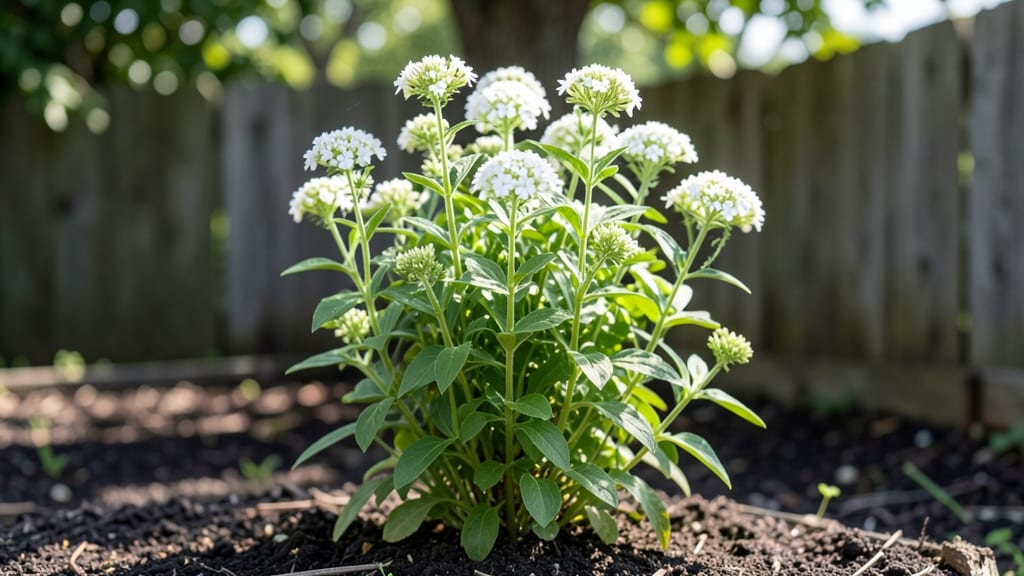
White verbena thrives where most flowers give up—like my Pacific Northwest garden, where cool summers and damp winters test even the hardiest plants. 🌿 This isn’t just another annual; it’s the one that keeps blooming from spring through frost, with fragrant white clusters that attract bees all season long.
The trick lies in mimicking its native Mediterranean roots while adapting to our misty climate.
Start with well-draining soil and full sun—at least 6 hours daily—but protect it from late afternoon winds that can scorch delicate blooms. Most gardeners plant from nursery starts in early spring, but cuttings from established plants root easily in water, giving you free plants for next year.
Space them 18-24 inches apart to prevent overcrowding, which leads to mildew and fewer flowers.
Water deeply once a week (more in summer heat), but never let it sit soggy—root rot is the silent killer of verbena. A light feeding with balanced 10-10-10 fertilizer every 4-6 weeks keeps blooms prolific, and deadheading spent flowers extends the season.
My plants still look fresh in November, long after most annuals have faded.
Pests rarely bother it, but watch for spider mites in dry spells—spraying with water solves that instantly. In winter, mulch heavily or move containers to a sheltered spot.
With these simple steps, you’ll have a white verbena that outlasts every other flower in your garden—and becomes the star of your late-season borders.
📚 In This Guide
- What you need
- Instructions
- Tips and common mistakes
- Wrapping up and next steps
What you need
- ● Verbena seeds or plants: Choose Verbena officinalis (common verbena) or Verbena bonariensis (tall verbena) varieties suited for zones 5-9. Pro tip: Start seeds indoors 8-10 weeks before your last frost (💡 PNW frost dates vary—check your local USDA zone!).
- ● Well-draining potting mix: 10-15 lbs of a peat-free blend (e.g., 60% coconut coir, 30% perlite, 10% compost) for seedlings. For outdoor planting, use native soil amended with 2-3 inches of compost.
- ○ Containers (optional for seeds): Seed trays (72-cell) or small pots (3-4 inches deep) for germination.
- ● Grow bags (5-gallon) or biodegradable pots for transplanting seedlings.
- ● Slow-release fertilizer: 1 lb of 10-10-10 or 5-10-10 granules to mix into soil at planting time.
- ● Hand trowel or small transplant spade.
- ● Garden gloves (to protect from prickly stems!).
- ● Watering can with a fine rose nozzle (or a spray bottle for seedlings).
- ● Pruning shears (for shaping and harvesting).
- ● Mulch (2-3 inches of straw or shredded bark to retain moisture and suppress weeds).
- ● Sunlight: A spot with 6+ hours of full sun daily (partial shade in hot afternoons works too!).
- ● Watering schedule: Keep soil consistently moist but not soggy (verbena hates "wet feet").
- ● Cold hardiness: Protect young plants with row covers if frost threatens (10°F!
- ● Epsom salt (1 tbsp dissolved in water monthly for magnesium boost).
- ● Copper fungicide (to prevent powdery mildew in humid PNW summers).
- ● Floral wire or twine (for trellising tall verbena varieties).
- ● Drip irrigation kit (for large gardens—automates watering!).
Step-by-Step instructions for planting and caring for white verbena
Here’s how to bring this Pacific Northwest favorite’s delicate beauty into your garden with minimal fuss.
🌱 Step 1: Choose the Perfect Planting Spot
White verbena thrives in full sun to partial shade, but in the Pacific Northwest’s cooler climate, it does best with at least 6 hours of direct sunlight daily. I plant mine where morning sun warms the soil but afternoon shade keeps leaves from scorching—think east-facing beds or slightly sheltered spots near fences. The soil should drain well; if yours is heavy clay, mix in 2-3 inches of compost to loosen it before planting.
Dig a hole twice as wide as the root ball but only as deep—verbena roots hate being buried too deep. Gently tease the roots apart if they’re circling the pot, then place the plant so the top of the root ball sits even with the surrounding soil. This prevents rot while keeping the plant stable.
💧 Step 2: Water Deeply and Mulch for Moisture Retention
After planting, water deeply until the soil is moist 6 inches down—verbena’s roots run deep, and shallow watering encourages weak growth. I use a soaker hose for 20 minutes to avoid disturbing the soil surface. Water every 2-3 days until new growth appears, then taper to once a week once established, as verbena is surprisingly drought-tolerant once rooted.
Spread 2-3 inches of mulch (I use shredded bark or straw) around the base, keeping it 2 inches away from the stem to prevent rot. Mulch keeps roots cool in summer and insulated in winter, which is key for Pacific Northwest winters. Watch for yellowing leaves—this often signals overwatering, not underwatering.
☀️ Step 3: Prune for Bushiness and Flower Power
Pinch back the tips of new growth when plants are 4-6 inches tall to encourage bushier, fuller plants. I use clean pruning shears to snip just above a set of leaves, and within weeks, you’ll see multiple side shoots forming. This is the secret to verbena’s lush, cascading habit—skip it, and you’ll end up with leggy stems.
Deadhead spent blooms every 2-3 weeks by snipping the stem just below the faded flower cluster. This redirects the plant’s energy into new blooms instead of seed production. In late summer, give verbena a light haircut—trim back one-third of the plant to promote fresh, compact growth before fall. You’ll be rewarded with a second flush of flowers just as summer winds down.
⏰ Step 4: Winterize for Pacific Northwest Resilience
White verbena is cold-hardy to USDA Zone 5, but in the PNW’s wet winters, it needs protection. Once temperatures drop below 30°F, mound 4-6 inches of mulch around the base of the plant. I also wrap the crown in burlap if heavy rains are forecasted—this prevents rot while allowing airflow. In spring, remove the mulch gradually as new growth appears, and water lightly to rehydrate the soil.
If your winters are particularly harsh (below 10°F), consider dividing and replanting every 2-3 years. Lift the plant in early spring, divide the clumps, and replant in fresh soil. This rejuvenates the plant and prevents overcrowding, which can lead to fewer flowers. You’ll know it’s time when the center of the plant looks bare and the edges sprawl outward.
Tips & tricks for perfect white verbena growth
Here's what I've learned after growing white verbena for years in the Pacific Northwest—these tricks will help you avoid common pitfalls and get the most out of your plants.
The Light Factor: In Step 1, those 6 hours of sunlight are non-negotiable for white verbena, but here's the thing: morning sun is more important than afternoon. If you're planting near a west-facing window or in a spot that gets hot afternoon sun, consider adding some afternoon shade—especially in summer when temperatures climb. I've seen leaves scorch after just a few hours of intense afternoon sun, even in cooler climates.
Root Care Secret: When you're planting in Step 1, don't just drop the plant in the hole. Gently tease those roots apart if they're circling the pot—this encourages them to spread out in the soil. Also, make sure the top of the root ball is level with the surrounding soil. I've buried plants too deep before, and it leads to rot at the crown. Trust me, a little extra care at planting makes all the difference.
Watering Wisdom: The 20-minute soaker hose session in Step 2 is perfect for deep watering, but here's a pro move: water in the morning. This gives the soil time to dry out during the day, reducing the risk of fungal issues. I've also found that watering at the base (not the leaves) prevents those pesky yellowing leaves that signal overwatering. And if you're using a regular hose, aim for about 3 gallons of water to get that 6-inch depth.
Pruning Pro Tip: When you're pinching back those tips in Step 3, aim for just above a set of leaves where new growth will emerge. I like to do this with clean pruning shears that I've wiped down with rubbing alcohol—keeps everything sanitary. For deadheading, grab those spent blooms right when they start to fade. The more you deadhead, the more flowers you'll get—it's like giving your plant a little energy boost every few weeks.
Pro Tips for Verbena Flower White
- Here's what I've learned after growing white verbena for years in the Pacific Northwest—these tricks will help you av...
- The Light Factor: In Step 1, those 6 hours of sunlight are non-negotiable for white verbena, but here's the thing: mo...
- Root Care Secret: When you're planting in Step 1, don't just drop the plant in the hole. Gently tease those roots apa...
Frequently asked questions
Got questions about growing white verbena flowers in the Pacific Northwest? You’re not alone!
Here are some of the most common queries—plus expert-friendly answers to help you cultivate this cold-hardy beauty like a pro.
Can white verbena survive PNW winters?
Verbena bonariensis (the tall, airy white verbena) is surprisingly cold-hardy, tolerating temperatures down to 10–15°F (-12 to -9°C). For extra protection, mulch the base with straw or shredded leaves after the first frost. Just avoid soggy soil—drainage is key! Pro tip: Cut back dead foliage in early spring to encourage fresh growth.
How long does it take for white verbena to bloom?
Patience pays off! From seed, expect blooms in 8–12 weeks under ideal conditions (full sun, well-draining soil). Transplants may flower even sooner—sometimes within 6–8 weeks. For year-round color, deadhead spent blooms regularly to prompt continuous flowering. Fun fact: Verbena’s delicate flowers attract pollinators like bees and butterflies!
What’s the best companion plant for white verbena?
Pair it with PNW-friendly perennials like lavender (drought-tolerant), salvia (hummingbird magnet), or ornamental grasses (e.g., Miscanthus) for texture contrast. Avoid heavy feeders like tomatoes—they’ll compete for nutrients. For a cottage-garden vibe, try Rudbeckia or Echinacea nearby. Design tip: Let verbena’s airy stems peek through taller plants for a “wild but intentional” look.
Why aren’t my white verbena flowers opening?
Three likely culprits:
- Too much shade: Verbena craves 6+ hours of direct sun. Relocate to a sunnier spot or prune overhanging branches.
- Overwatering: Soggy roots = closed buds. Water only when the top 1–2 inches of soil are dry.
- Nutrient deficiency: Feed with a balanced fertilizer (10-10-10) in early spring if growth is leggy.
Are there white verbena alternatives for shadier PNW gardens?
If your space is low-light, try these shade-tolerant white bloomers:
- Heuchera (‘White Raspberry’): Grown for foliage but blooms white in spring.
- Lamium (‘White Nancy’): Trailing, deer-resistant, and thrives in part shade.
- Astilbe (‘Deutschland’): Feathery white plumes that love moisture.
Wrapping up and next steps
White verbena isn’t just a gorgeous addition to your Pacific Northwest garden—it’s a resilient, year-round performer that thrives even in cooler climates. From its fragrant blooms to its low-maintenance nature, this flower proves beauty and hardiness go hand in hand.
Whether you’re a seasoned gardener or just starting, planting white verbena is a rewarding way to bring elegance and charm to your outdoor space.
Ready to transform your garden? Grab your gloves, pick a sunny spot, and let your white verbena shine—your future blooms will thank you! 🌸✨