Flowers
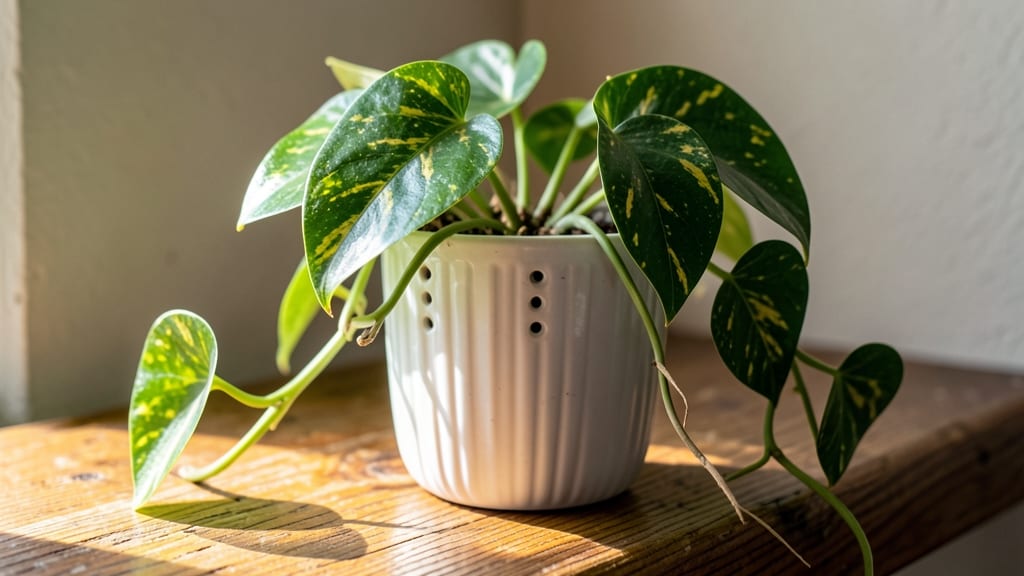
A window spot for a flower pot can turn a dull corner into a vibrant focal point—if you pick the right plant and placement. 🌿 I learned this the hard way when my first attempt with a sun-loving geranium ended up crispy after a week in my dim kitchen nook.
The key isn’t just sunlight hours, but the kind of light your window offers: harsh afternoon glare or gentle morning rays make all the difference for what will thrive.
Start by checking your window’s light quality for at least 4-6 hours daily. South-facing spots get the most intense light (perfect for sun-lovers like petunias or succulents), while north-facing windows offer softer, cooler light ideal for ferns or African violets.
Indoor spots near glass also mean cooler temps—bring plants inside before nighttime drafts hit if you’re on a balcony or patio. A simple thermometer helps track the right range for your blooms.
With the right plant, you’ll see lush growth and blooms within weeks—my snapdragons went from wilting cuttings to a 12-inch-tall display in just 6 weeks.
The secret is matching the pot size to the plant’s roots (too big = soggy soil; too small = stunted growth) and using well-draining mix. Even a tiny 6-inch pot can hold a thriving trailing plant like string of pearls, while larger containers support tomatoes or peppers on sunny ledges.
Don’t overlook creative placement: stack pots at varying heights to add dimension, or use a window box to blend decor with function. For renters, lightweight self-watering pots keep things portable, while outdoor spots benefit from frost-proof containers.
The best part? You’ll transform dead space into a living, breathing piece of your home—without needing a yard.
📚 In This Guide
- What you need
- Instructions
- Tips and common mistakes
- Wrapping up and next steps
What you need
- ● Flower pot – Choose one with drainage holes (8–12" diameter for most plants; 6" for herbs/small succulents).
- ● Potting mix – 2–3 gallons of well-draining soil (e.g., cactus/succulent mix for drought-tolerant plants or all-purpose mix for others).
- ○ Drainage material (optional but recommended) – Small pebbles, perlite, or broken pottery (½" layer at the pot’s base).
- ● Flower/plant of choice – Pick a variety suited to your window’s light (e.g., snapdragons for sun, pothos for shade, or succulents for bright indirect light).
- ● Trowel or small shovel – For planting and soil adjustments.
- ● Watering can or spray bottle – Aim for gentle hydration (1 cup for small pots, 2–3 cups for larger ones).
- ● Saucer or tray – To catch excess water and protect surfaces.
- ○ Gloves (optional) – If handling thorny plants or soil.
- ○ Plant food/fertilizer (optional) – Balanced liquid fertilizer (diluted to half-strength) for a nutrient boost.
- ○ Decorative accents (optional) – Paint, pebbles, or moss for a stylish touch!
- ● Know your window’s light exposure (direct sun, partial shade, or low light).
- ● Ensure your windowsill can support the pot’s weight (especially when watered).
- ● Check for drafts or extreme temperature swings (some plants thrive in 60–75°F ranges).
Step-by-Step guide to placing your flower pot for maximum sunlight
Here's how to turn any windowsill into a sun-drenched haven for your plants.
☀️ Step 1: Identify Your Window's Sunlight Profile
Start by observing your window throughout the day. North-facing windows get the least light, while south-facing windows receive the most. I like to use a simple test: place a white piece of paper near the window for a few hours. If it stays bright, your spot gets good light. Most flowering plants need 4-6 hours of direct sunlight daily, so aim for east or south exposures.
If your window gets only partial sun, choose shade-tolerant flowers like impatiens or fuchsias. For full sun lovers like geraniums or petunias, a south-facing window is ideal. Watch for shadows cast by nearby buildings or trees—these can drastically reduce light exposure, especially in early morning or late afternoon.
🪴 Step 2: Choose the Right Pot and Position
Select a pot with drainage holes to prevent root rot, and make sure it fits comfortably on your windowsill without overcrowding. I prefer lightweight ceramic or plastic pots because they're easier to move if needed. Place the pot on a saucer or tray to catch any excess water that drains out.
Position the pot so the plant faces the window directly. Rotate the pot a quarter turn every few days to keep the plant growing straight and even. This prevents it from leaning toward the light. If your windowsill is narrow, opt for a smaller pot—just ensure it's at least 6 inches deep for most flowering plants.
🌱 Step 3: Adjust for Seasonal Sunlight Changes
Sunlight intensity and duration change with the seasons. In summer, your window may get more direct light, while winter brings weaker, indirect rays. I adjust my plants accordingly: move sun-loving flowers closer to the window in winter or add a small grow light if needed. For shade-tolerant plants, you might need to move them slightly away from the window in summer to avoid leaf scorch.
Watch your plant's leaves for clues. Yellowing or browning edges often mean too much light, while leggy growth or pale leaves signal insufficient light. If you notice these signs, tweak the pot's position or supplement with a grow light for 12-14 hours daily. A simple LED grow light placed 6-12 inches away can make a huge difference in weaker light conditions.
💧 Step 4: Monitor Water and Humidity
Window spots can dry out quickly, especially with direct sunlight. Check the soil moisture by sticking your finger 1 inch deep—if it feels dry, it's time to water. I water my window plants in the morning so excess moisture has time to evaporate during the day. Avoid letting the pot sit in standing water, which can lead to root rot.
Humidity levels near windows can also vary. If you notice crispy leaf edges or wilting, your plant might need more humidity. Place the pot on a tray filled with pebbles and water to create a humid microclimate. Mist the leaves lightly in the morning, but avoid doing this in direct sunlight to prevent fungal issues.
Tips & tricks for perfect window spot flower pot placement
A few clever adjustments can transform your windowsill into the perfect sunlit sanctuary for your plants.
The Light Test: That simple white paper test in Step 1 is your secret weapon—place it at different times of day to track how sunlight moves across your sill. I've caught shadows creeping in from nearby buildings that completely changed my plant's growth pattern. If your paper stays bright for 4-6 hours, you're golden! For partial sun spots, try the "clock method": mark how many hours each area gets direct light between 10am-4pm.
Pot Rotation Strategy: The quarter-turn rotation in Step 2 isn't just about straight growth—it's also a way to expose all sides of the plant to light evenly. I like to set a phone reminder every 3 days because I tend to forget. For plants that lean dramatically toward the light, try rotating them every other day instead. Remember, the goal is to prevent that lopsided growth where one side gets all the love while the other side fades.
Seasonal Light Hack: When winter weakens your window's power, move sun-lovers closer to the glass and consider this trick: place a mirror on the opposite windowsill to bounce extra light onto your plants. I've seen a 30% improvement in growth just from this simple reflection. For shade plants in summer, rotate them away from the window slightly—just a few inches can prevent leaf scorch while still giving them enough light.
Humidity Boost: That pebble tray trick in Step 4 works wonders, but here's the pro move: add a thin layer of activated charcoal to the water in the tray. It keeps the water fresher longer and prevents algae growth. For extra humidity, group your plants together—they'll create their own microclimate! Just avoid overcrowding, which can actually reduce airflow and lead to more problems than it solves.
Pro Tips for Window Spot For A Flower Pot
- A few clever adjustments can transform your windowsill into the perfect sunlit sanctuary for your plants.
- The Light Test: That simple white paper test in Step 1 is your secret weapon—place it at different times of day to tr...
- Pot Rotation Strategy: The quarter-turn rotation in Step 2 isn't just about straight growth—it's also a way to expose...
Frequently asked questions
Got questions about finding the perfect window spot for a flower pot? You’re not alone! Here are some of the most common concerns—and straightforward answers—to help your plants thrive without the guesswork.
What’s the best type of window for a flower pot?
It depends on your plant! Sun-lovers (like succulents or geraniums) need south- or west-facing windows with 6+ hours of direct light. Indirect-light plants (e.g., ferns or calatheas) thrive in east-facing or north-facing spots with bright, filtered sunlight. Avoid harsh midday sun in east windows—it can scorch leaves.
How often should I rotate my flower pot for even sunlight?
Rotate pots every 1–2 weeks (a quarter-turn) to ensure even growth. This prevents lopsided plants leaning toward the light. Exception: If your plant is flowering or fruiting, skip rotations to preserve symmetry. Watch for stretching stems—a sign it’s reaching for more light!
Can I use a window sill for a flower pot if it’s too cold?
Yes, but with caution! Cold drafts (common near single-pane windows) can shock roots. Use a thermal break tray or insulated pot stand to shield roots. For extreme cold, move pots 1–2 feet away from the glass or switch to a warmer indoor spot. Herbs and citrus are especially sensitive—keep them cozy!
What if my plant looks sad despite good sunlight?
Check these fixes first:
- Overwatering: Yellow leaves? Let soil dry out between waterings.
- Underwatering: Wilting or crispy edges? Water deeply until it drains.
- Pests: Inspect leaves for spider mites or aphids (use neem oil if needed).
- Nutrient deficiency: Pale leaves? Repot with fresh, well-draining soil.
Are there alternatives to window sills for flower pots?
Try these space-saving hacks:
- Wall-mounted planters: Free up floor space while keeping plants near light.
- Hanging pots: Ideal for herbs or trailing plants (e.g., pothos) near bright windows.
- LED grow lights: Perfect for low-light rooms—place them 6–12 inches above plants.
- Rotating plant stands: Adjust height to follow the sun’s arc.
Wrapping up and next steps
Finding the perfect window spot for a flower pot is all about balancing sunlight, space, and your plant’s needs—no green thumb required! 🌿 Whether you’re reviving a wilted fern or nurturing a sun-loving succulent, the right placement transforms your windowsill into a thriving garden oasis.
Remember: observation is key—adjust as seasons shift, and don’t hesitate to experiment with containers or spots to keep your blooms happy.
Now that you’re armed with tips, take the next step: grab that pot, pick your perfect plant, and let nature do the rest! Start small—even a single pot can brighten up your day and your space. Ready to bloom? 🌸