
Flowers
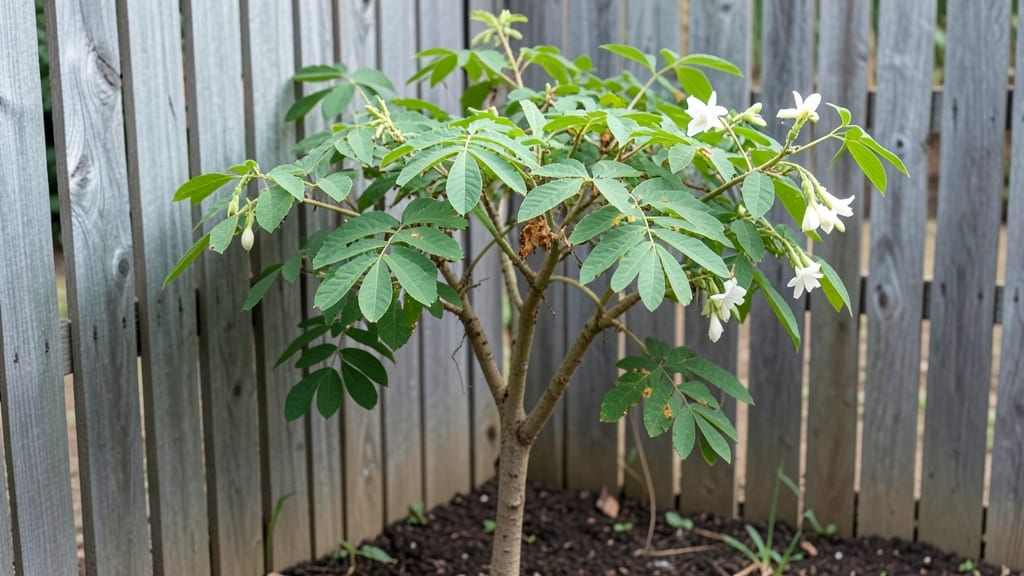
Growing moringa flowers isn't just about pretty blooms—it's about harvesting one of nature's most nutrient-dense foods in just 60 days. 🌿 I learned the hard way that moringa thrives on speed, not patience, and those delicate yellow flowers pack a punch of protein, vitamins, and antioxidants that make every plant worth growing.
The secret to success starts with fast-draining soil and full sun—moringa hates soggy roots and weak light. You’ll need a warm spot (70-85°F) and a way to keep the soil consistently moist but never waterlogged.
Most people assume moringa is a tropical luxury, but with the right setup, you can grow it in containers, raised beds, or even as a potted houseplant in cooler climates.
By day 60, you’ll be snipping clusters of fragrant flowers for teas, salads, or fritters—each bloom is edible and packed with flavor. The plants keep producing for months if you prune regularly, giving you a continuous harvest of both leaves and flowers.
It’s the one plant that feels like cheating the system.
Works in small spaces, urban balconies, or full sun gardens—just avoid heavy clay soil. Here’s how to turn seeds into a nutrient-packed harvest without the wait. Let’s get those flowers blooming!
📚 In This Guide
- What you need
- Instructions
- Tips and common mistakes
- Wrapping up and next steps
What you need
- ● Moringa seeds or seedlings: 5–10 seeds (or 3–5 young seedlings) for a small harvest. Opt for certified organic seeds for best results.
- ● Well-draining potting mix: 2–3 bags (10–15 liters each). Mix with perlite or coconut coir (1:1 ratio) to improve aeration.
- ● Containers or garden bed: For containers: 5-gallon pots (3–5 plants per pot) with drainage holes.
- ● For in-ground planting: Full sun exposure (6+ hours/day) and loose, sandy soil (pH 6.0–7.5).
- ● Watering can or hose: With a gentle spray nozzle for even moisture distribution.
- ● Fertilizer: Organic: Compost or worm castings (1 cup per plant every 4–6 weeks).
- ○ Synthetic (optional): Balanced 10-10-10 fertilizer (diluted to half-strength).
- ● Pruning shears: Sharp, sterilized shears for trimming dead leaves or shaping plants.
- ○ Mulch (optional): Straw or wood chips (2–3 inches) to retain moisture and suppress weeds.
- ● Temperature: Moringa thrives in warm climates (70–90°F / 21–32°C). Use a greenhouse or indoor grow lights if temperatures drop below 50°F (10°C).
- ● Sunlight: Full sun is a must! Ensure your plants receive at least 6 hours of direct sunlight daily.
- ● Water: Consistent moisture (but avoid waterlogging). Water when the top 1–2 inches of soil feel dry.
- ● Patience: Moringa flowers typically appear in 60–90 days from planting, depending on conditions.
Step-by-step instructions for cultivating moringa oleifera
Here's how to grow this powerhouse plant from seed to nutrient-packed harvest in just two months.
🌱 Step 1: Select and Prepare Seeds for Optimal Germination
Moringa seeds germinate best when pre-treated to break dormancy. Soak the seeds in warm water (90°F) for 12-24 hours until they swell noticeably. This softens the seed coat and ensures faster sprouting. I like to use a small glass jar with a lid—just shake it occasionally to keep the water circulating.
After soaking, rinse the seeds gently and plant them ½ inch deep in individual 3-inch pots filled with a mix of 50% coco coir and 50% perlite. The lightweight mix prevents damping-off while allowing roots to establish quickly. Water lightly after planting, then cover the pots with clear plastic wrap to maintain humidity.
☀️ Step 2: Provide Ideal Growing Conditions for Fast Growth
Moringa thrives in warmth (75-95°F) and bright, indirect light. Place your seedlings near a south-facing window or under a grow light positioned 6-8 inches above the plants. You'll notice the first true leaves appear in 7-10 days—they'll be small but vibrant green, signaling healthy growth.
Once the seedlings emerge, remove the plastic wrap and water when the top inch of soil feels dry. Avoid overwatering; moringa is drought-tolerant once established, and soggy soil invites root rot. I find misting the leaves lightly in the morning helps maintain humidity without oversaturating the soil.
🪴 Step 3: Transplant and Support for Maximum Flower Production
When seedlings reach 4-6 inches tall (usually 3-4 weeks after germination), transplant them into larger 1-gallon containers or directly into the ground if your climate stays above 60°F at night. Moringa grows best in well-draining soil with a pH of 6.0-7.5, so amend garden beds with compost if needed.
To encourage flowering, pinch back the tips of young plants when they reach 12 inches tall. This redirects energy from leaf production to flower development. You'll see the first blooms appear in 4-6 weeks under ideal conditions—tiny, fragrant white flowers that pack a nutritional punch.
💧 Step 4: Maintain and Harvest for Peak Nutritional Value
Water mature moringa plants deeply every 2-3 days during hot weather, allowing the top 2 inches of soil to dry between waterings. Fertilize lightly with a balanced organic fertilizer (10-10-10) every 4 weeks to support both foliage and flower production. Avoid heavy nitrogen—it promotes leaf growth at the expense of flowers.
Harvest flowers when fully open but before they wilt, typically in the morning. Cut the entire flower cluster with 2-3 inches of stem and use immediately or dry for later use. You'll get 3-4 harvests per season from each plant, with flowers appearing every 2-3 weeks once established. Store dried flowers in an airtight container away from light to preserve their nutritional benefits.
Tips & tricks for perfect moringa flower cultivation
Here's what nobody tells you about growing moringa flowers that'll have you harvesting in record time.
Soaking Secrets: The 12-24 hour soak at 90°F is non-negotiable for breaking dormancy, but here's the trick: use filtered water instead of tap water. Chlorine can inhibit germination. If your seeds don't swell after 24 hours, give them another 12 hours—some varieties need the extra time. I've seen seeds double in size overnight when done right.
Lighting Strategy: Moringa seedlings need bright indirect light during the 7-10 day germination window, but beware of direct sun—it can scorch delicate sprouts. If using grow lights, position them 6-8 inches above and use a timer for 12-14 hours of light daily. Natural south-facing windows work too, but rotate pots weekly for even growth.
Transplant Timing: Wait until seedlings reach 4-6 inches (usually 3-4 weeks) before transplanting—this gives roots enough strength for the shock. The key is to transplant on a cloudy day or in late afternoon to reduce stress. Water thoroughly before and after transplanting to help establish roots in the new 1-gallon containers or garden beds.
Flower Production Hack: When pinching back at 12 inches to encourage flowering, cut just above a leaf node where two leaves meet. This redirecting technique triggers the plant to focus energy on flower development rather than leaf growth. You'll notice the first blooms appear in 4-6 weeks—patience pays off with these nutrient-dense flowers.
Pro Tips for Flower Of Moringa
- Here's what nobody tells you about growing moringa flowers that'll have you harvesting in record time.
- Soaking Secrets: The 12-24 hour soak at 90°F is non-negotiable for breaking dormancy, but here's the trick: use filtered water instead of tap water.
- Lighting Strategy: Moringa seedlings need bright indirect light during the 7-10 day germination window, but beware of direct sun—it can scorch delicate sprouts.
Frequently asked questions
Got questions about growing the flower of moringa? You’re not alone!
Here are answers to the most common queries—from first-timers to seasoned gardeners—to help you cultivate this nutrient-packed superstar with confidence.
How long does it take for moringa flowers to bloom?
The flower of moringa typically blooms within 60–90 days from planting seeds, depending on climate and care. In warm, tropical conditions (ideal for moringa), you might see flowers as early as 45 days. Patience is key—consistent sunlight (6+ hours/day) and well-draining soil speed up the process!
Can I grow moringa flowers indoors?
While moringa thrives outdoors in USDA Zones 9–11, you can try indoor growth with bright grow lights (12+ hours/day) and a sunny windowsill. Use a 5-gallon pot with drainage, but expect smaller yields. Flowers may still appear, but pollination (and seed pods) is trickier indoors.
What’s the best way to harvest moringa flowers?
Harvest flowers in the morning when they’re fully open but before they wilt. Use clean scissors to snip stems just above a leaf node. Avoid over-harvesting—leave at least ⅓ of the plant to encourage regrowth. Flowers dry quickly; lay them on a mesh screen in a shady, well-ventilated area for 2–3 days.
Are there alternatives if my moringa flowers don’t open?
If flowers fail to open, check these fixes:
- Light: Moringa needs full sun—supplement with grow lights if indoors.
- Temperature: Keep soil above 60°F (15°C); cold stress delays blooming.
- Pollination: Gently shake stems or use a paintbrush to transfer pollen between flowers.
- Nutrients: Feed with a balanced fertilizer (10-10-10) every 4–6 weeks.
How do I store harvested moringa flowers?
Store dried moringa flowers in an airtight container (glass jars or Mylar bags work best) away from moisture and light. They last 6–12 months when kept in a cool, dark place. For fresh use, refrigerate whole flowers in a paper towel-lined bag for up to 5 days. Pro tip: Crush flowers before storing to preserve oils!
Wrapping up and next steps
The flower of moringa isn’t just a stunning addition to your garden—it’s a powerhouse of nutrition and sustainability! From its fast growth cycle to its versatile uses, this plant proves that beauty and benefit go hand in hand.
Whether you’re a seasoned gardener or a curious beginner, growing moringa is a rewarding journey that yields delicious rewards in just 60 days.
Ready to dive in? Start small—plant your first seeds today and watch your garden (and health!) bloom with this incredible superfood. 🌱✨ Your harvest—and future meals—will thank you!