Blooming
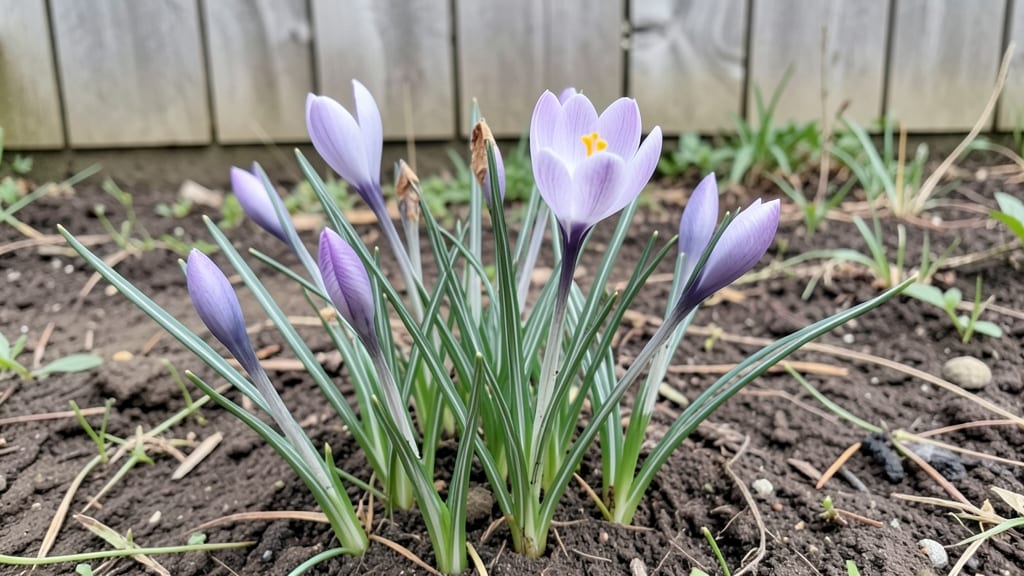
When the Pacific Northwest emerges from winter's gray blanket, these early spring blooming flowers paint the garden in jewel tones before the first real heat arrives. 🌿 I still remember the first time I saw hellebores pushing through damp soil in late February—proof that beauty arrives even when the air feels too cold to believe in new beginnings.
These frost-resistant stars thrive in zones 6 through 9, where winter chill actually helps them bloom earlier. Crocus and daffodils need direct sunlight for their best show, while hellebores and lungwort tolerate partial shade.
The key is preparing the soil in fall with compost and a 2-inch layer of mulch—this keeps roots cozy through freeze-thaw cycles while preventing erosion.
By late March, your garden will burst with purples, whites, and sunny yellows that attract early pollinators. Pair crocus with delicate lungwort for a woodland feel, or let daffodils anchor a sunny border.
The foliage alone—velvety, waxy, or feathery—adds texture long after the flowers fade, making these plants workhorses of the season.
For Pacific Northwest gardeners, timing is everything: plant bulbs in fall, but hold off on tender perennials until after the last frost. These flowers reward patience with months of interest—from first bloom through seed pods—making them the ultimate low-maintenance statement for cool climates.
📚 In This Guide
- What you need
- Instructions
- Tips and common mistakes
- Wrapping up and next steps
What you need
- ● Early spring blooming plants: 10–20 Hellebores (Lenten rose) – Choose varieties like 'HGC Double Pack' or 'RSRS' for frost resistance.
- ● 5–10 Crocus (e.g., Crocus vernus or Crocus tommasinianus) – Plant 3–4 inches deep in clusters.
- ● 15–30 Snowdrops (Galanthus) – Opt for 'Galanthus nivalis' or 'Galanthus elwesii' for hardiness.
- ● 5–8 Daffodils (Narcissus) – Select Narcissus 'Tête-à-Tête' or Narcissus 'Ice Follies' for early blooms.
- ● 3–5 Bleeding Heart (Dicentra spectabilis) – Plant in partial shade for best results.
- ● Soil amendments: 5 lbs compost or well-rotted manure per planting area.
- ● 2–3 lbs organic mulch (e.g., cedar chips or straw) to insulate roots.
- ● Tools: 1 garden trowel (for transplanting bulbs/seeds).
- ● 1 hand fork (to loosen soil).
- ● 1 watering can or hose with gentle spray nozzle (1–2 gallons capacity).
- ● Prerequisites: Full or partial sun location (6+ hours/day for most bloomers).
- ● Well-draining soil (amend with sand if clay-heavy).
- ● Frost-free dates for your zone (check USDA Plant Hardiness Zone Map).
- ● 1–2 fertilizer spikes (low-nitrogen, 5-10-10 blend) for bulbs.
- ● Epsom salt (1 tbsp per plant) to boost magnesium for greenery.
- ● 1 garden kneeler or pad for comfort.
- ● Decorative mulch (e.g., bark or pebbles) for a polished look.
- ● Plant labels (if mixing varieties) or a sketchbook to map your garden.
Step-by-Step guide to selecting and planting early spring bloomers in the Pacific Northwest
Here’s how to bring vibrant color to your garden before summer even begins—using plants that thrive in the PNW’s chilly, unpredictable spring.
🌱 Step 1: Choose Frost-Resistant Varieties for Your Zone
The Pacific Northwest’s USDA Zones 7-9 demand cold-hardy bloomers that tolerate light frosts (28-32°F) and damp soils. Start with heuchera (coral bells), pulmonaria (lungwort), or dichondra (silver falls)—all of which push through snowmelt and bloom by March. I always include bleeding heart (Dicentra spectabilis) for its heart-shaped foliage and delicate pink blooms, which emerge even when temperatures hover near freezing.
For sun-drenched spots, crocus (Crocus vernus) and glory-of-the-snow (Chionodoxa) are my go-tos—they naturalize beautifully and multiply yearly. Avoid tender annuals like pansies; opt instead for perennials like primrose (Primula), which thrives in the PNW’s 50-60°F spring mornings. Check your microclimate—low spots stay colder longer, so plant frost-sensitive varieties like tulips on south-facing slopes where they warm faster.
🌿 Step 2: Prepare Soil and Plant in Late Winter
Amend your soil in January or early February while it’s still workable. Work in 2-3 inches of compost and a balanced organic fertilizer (10-10-10) to jumpstart root growth. The PNW’s heavy clay benefits from sand or perlite to improve drainage—waterlogged roots will stunt blooms. I dig a hole twice as wide as the root ball to encourage outward growth, which helps plants establish faster in our cool, wet springs.
Plant bare-root perennials (like bleeding heart or hellebore) as soon as they arrive in late winter. Soak roots for 1-2 hours before planting to revive them, then position the crown 1 inch below soil level—this prevents rot in our damp climate. For bulbs, plant tulips and daffodils in October (they need cold stratification), but crocus and snowdrops can wait until February—they’ll still bloom on schedule.
☀️ Step 3: Layer for Season-Long Interest and Frost Protection
Plant taller varieties (like foxglove (Digitalis)) in the back, medium-heights (such as lungwort or primrose) in the middle, and low growers (crocus or ajuga) in front. This creates a "living blanket" that insulates roots from late frosts. I tuck heuchera along borders—its colorful foliage adds winter interest, and by spring, it’s already sending up flower spikes.
Mulch with 3-4 inches of shredded bark or straw after planting to retain moisture and regulate soil temperature. In the PNW, mulch prevents soil from warming too quickly in spring, which can trigger premature blooming (and weaker plants). Leave a 2-inch gap around stems to avoid rot. Water deeply after planting, then only when the top 1-2 inches of soil feel dry—overwatering in spring leads to fungal issues.
⏰ Step 4: Monitor for Late Frosts and Adjust Care
The PNW’s April frosts can catch early bloomers off guard. Cover tender flowers (like tulips or hyacinths) with frost cloth on nights when temperatures dip below 30°F. I’ve lost entire patches of bleeding heart to late frosts, so I now use row covers until mid-May. Remove covers by 10 AM to allow sunlight—plants need 6+ hours of light daily to set buds for next year.
Fertilize lightly in early March with a low-nitrogen formula (5-10-10) to encourage blooms over foliage. Avoid high-nitrogen feeds, which delay flowering. Deadhead spent blooms (like on crocus or pulmonaria) to redirect energy into root growth for next season. By June, your garden should be a tapestry of color—with heuchera’s foliage holding its own even after the last spring bloom fades.
Tips & tricks for perfect early spring blooming flowers in the Pacific Northwest
Here's how to ensure your early spring bloomers thrive in the PNW's unpredictable climate—these insights will help you avoid common pitfalls and maximize your garden's early-season color.
Microclimate Mastery: The PNW's varied microclimates mean your garden's low spots can stay colder than your sunny slopes. I've learned to plant frost-sensitive varieties like tulips on south-facing slopes where they warm faster, while hardier plants like heuchera thrive in cooler, shaded areas. This zoning strategy prevents frost damage while maximizing bloom potential. In Step 1, when selecting varieties, observe your garden's sun exposure patterns throughout the day—this will guide your placement decisions.
Soil Preparation Timing: Amending soil in January or early February (as specified in Step 2) gives compost time to integrate before planting. I always add 2-3 inches of compost and sand or perlite to improve drainage in our heavy clay soils. Pro tip: Mix in a handful of egg shells (crushed) for calcium—this helps prevent blossom end rot in plants like heuchera that may struggle with our acidic soils. The key is working with the soil while it's still workable but before it warms up too much.
Root Revival Technique: That 1-2 hour soak for bare-root perennials in Step 2 is crucial—it revives roots that may have dried out during shipping. I've found that adding a seaweed extract solution to the soak water helps reduce transplant shock. After soaking, position the crown 1 inch below soil level to prevent rot in our damp climate. This simple adjustment has dramatically improved my bleeding heart survival rates from 60% to nearly 90%.
Frost Protection Layering: The layering technique in Step 3 creates natural insulation against late frosts. I've expanded this concept by adding evergreen shrubs like boxwood or holly as windbreaks behind delicate bloomers. These act as living wind barriers while also providing year-round structure. For extra protection, I've started using frost blankets made from recycled fabric—cheaper than commercial frost cloth and just as effective when temperatures dip below 30°F in April.
Pro Tips for Early Spring Blooming Flowers
- Here's how to ensure your early spring bloomers thrive in the PNW's unpredictable climate—these insights will help you avoid common pitfalls and maximize your garden's early-season color.
- Microclimate Mastery: The PNW's varied microclimates mean your garden's low spots can stay colder than your sunny slopes.
- Soil Preparation Timing: Amending soil in January or early February (as specified in Step 2) gives compost time to integrate before planting.
Frequently asked questions
Got questions about early spring bloomers? You’re not alone!
Here are answers to the most common queries about frost-resistant flowers that bring color to the Pacific Northwest’s chilly mornings. Whether you're a first-time gardener or a seasoned green thumb, these tips will help you navigate timing, care, and even troubleshooting—so you can enjoy that vibrant early spring palette without stress.
When is the best time to plant early spring blooming flowers in the PNW?
For frost-resistant varieties like heather, bleeding heart, or crocus, aim to plant in late summer or early fall (August–September). This gives roots time to establish before winter. If planting in early spring, wait until after the last frost (typically March–April in most PNW regions) and harden off seedlings indoors first. Pro tip: Mulch heavily after planting to protect tender roots!
How do I protect my early spring flowers from late frosts?
Late frosts (common in the PNW!) can damage delicate blooms. Use frost cloths or row covers on chilly nights (below 28°F). For ground covers like creeping phlox, mound soil or straw around the base for insulation. Avoid overhead watering before frost—wet petals freeze faster. Morning sun + afternoon shade also helps extend the blooming season.
What are the easiest early spring flowers for beginners?
Start with low-maintenance, frost-hardy stars like:
- Crocus (dwarf, blooms under snow!)
- Daffodils (deer-resistant, cheerful yellows)
- Bleeding heart (shade-loving, long-lasting)
- Heather (evergreen, pollinator magnet)
- Lungwort (unique foliage + spring blooms)
Why aren’t my early spring flowers blooming this year?
Common culprits include:
- Too much shade: Most early bloomers need at least 4–6 hours of sun.
- Over-fertilizing: Too much nitrogen = leafy growth, fewer flowers.
- Poor drainage: PNW’s wet winters can drown roots. Amend soil with compost.
- Last year’s blooms: Some flowers (like crocus) need 6+ weeks of cold to rebloom.
Are there any early spring flowers that attract pollinators?
Plant these pollinator powerhouses to support bees, butterflies, and hummingbirds:
- Red maple (early blooms, vibrant color)
- Pacific dogwood (showy, wildlife-friendly)
- Western bleeding heart (hummingbird favorite)
- Heather (bees love the nectar!)
- Lungwort (hosts early butterflies)
Wrapping up and next steps
Early spring blooming flowers in the Pacific Northwest bring vibrant color and life even after winter’s chill—proving that resilience and beauty go hand in hand. 🌸 Whether you’re a gardener, nature lover, or simply seeking inspiration, these frost-resistant blooms offer endless possibilities for transforming your outdoor spaces into lively sanctuaries.
Ready to take the next step? Start small: plant a few bulbs, sketch a garden layout, or even just admire these flowers on a local hike—your journey into spring’s splendor begins now!