
Flowers
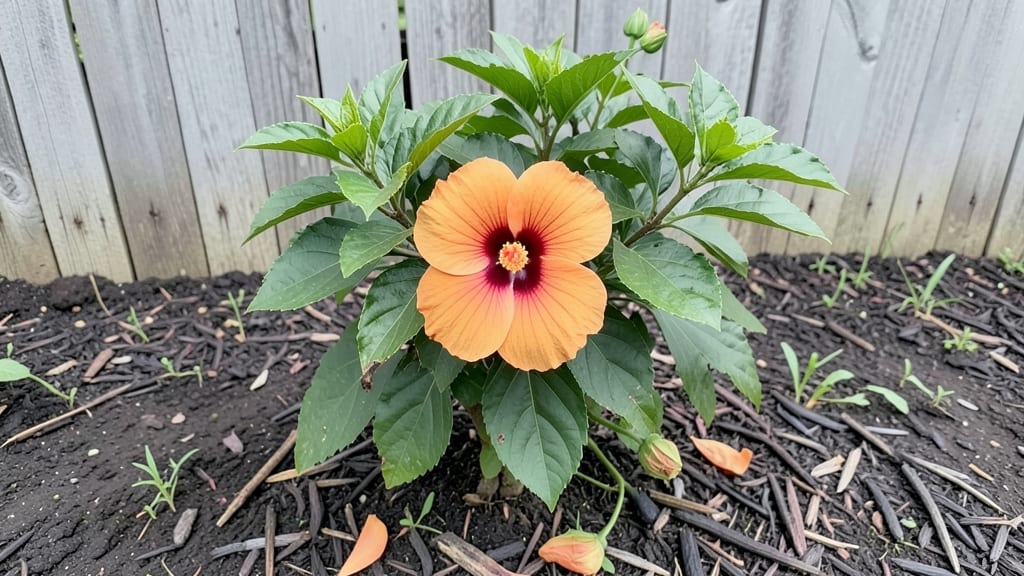
That hibiscus-like flower—bold, frost-resistant, and effortlessly Pacific Northwest charming—thrives when others freeze. These hibiscus-like flowers—think Hibiscus syriacus and Alcea rosea—bring tropical drama without the heat requirements, and their velvety petals turn even drizzly days into showstoppers.
I’ve designed entire borders with them, pairing their towering spires with low-growing lavender for a layered look that lasts from summer through frost.
What makes them perfect for PNW gardens? First, their hardiness: these plants shrug off 20-degree nights that would crisp true hibiscus. Second, their versatility—plant them as standalone specimens, hedge rows, or mixed beds where their bold colors (deep reds, soft pinks, even creamy whites) anchor the scene.
My favorite combo? A Hibiscus moscheutos in the center with Calliandra’s feathery foliage around it for texture contrast.
You’ll love how they transform a garden from "just okay" to "wow" with minimal effort. Imagine sunset light catching their ruffled petals, or morning dew clinging to their glossy leaves—these plants deliver year after year with almost no fuss.
The key? Placing them where they get full sun to partial shade (yes, even in Seattle’s filtered light) and giving them room to grow tall—some reach 6 feet or more.
For mixed borders, pair them with ornamental grasses or heuchera for height variation, or let them shine solo in a moon garden where their white varieties glow at night. Frost won’t stop them, and neither will your neighbors’ compliments. Ready to design a border that steals the show?
📚 In This Guide
- What you need
- Instructions
- Tips and common mistakes
- Wrapping up and next steps
What you need
- ● Hibiscus-like plants: 1–3 frost-resistant varieties (e.g., Hibiscus moscheutos ‘Palace Purple’, Hibiscus syriacus, or Hydrangea macrophylla ‘Endless Summer’ for a similar look).
- ● Choose bare-root (for fall planting) or container-grown (for spring/fall) options.
- ● Soil amendments: 5–10 lbs compost or well-rotted manure per planting hole.
- ● 1 cup balanced fertilizer (10-10-10 or 5-10-10) per plant.
- ● Mulch: 2–3 inches of wood chips or straw to protect roots.
- ● Garden trowel or spade (for digging holes).
- ● Garden gloves (to protect your hands!).
- ● Watering can or hose with a soaker nozzle (for deep watering).
- ○ Optional but helpful: Pruning shears (for shaping or cutting back in late winter).
- ● pH test kit (to ensure soil is 6.0–7.0, ideal for hibiscus-like plants).
- ● Frost cloth (for young plants in early spring/fall).
- ● Sunlight: Full sun (6+ hours/day) or partial shade (morning sun + afternoon shade for hotter PNW summers).
- ● Climate: Plant in spring (after last frost) or early fall (6–8 weeks before first frost).
- ● Water access: Consistent moisture (1–2 inches per week; drought-tolerant once established).
- ● Space: 3–5 feet apart (varies by variety; check plant tags!).
Step-by-step guide to cultivating frost-resistant hibiscus-like flowers in the Pacific Northwest
Here's how to grow stunning, cold-hardy hibiscus varieties that thrive in the PNW's unique climate.
🌱 Step 1: Select the Right Frost-Resistant Varieties
For the Pacific Northwest's 3-9 zone, focus on hardy hibiscus species like Hibiscus moscheutos (swamp hibiscus) or Hibiscus syriacus (rose of Sharon), which tolerate 20-25°F without damage. Avoid tropical hibiscus varieties—they won't survive winter here. I always check local nursery stock for labeled cold-hardy hybrids, as they often combine the best traits of multiple species.
Start with 4-6 plants to create visual impact while allowing proper spacing. These varieties grow 4-8 feet tall, so plan for mature size when selecting planting locations. Look for healthy nursery stock with multiple buds—this ensures vigorous blooming next season.
☀️ Step 2: Prepare the Planting Site for Cool-Climate Success
Choose a location with full sun exposure (at least 6-8 hours daily) and well-draining soil. Hibiscus plants hate soggy roots, so amend heavy clay soil with 2-3 inches of compost and a 1-inch layer of coarse sand to improve drainage. I test soil pH first—these plants prefer slightly acidic to neutral (6.0-7.0)—and adjust with lime if needed.
Dig holes twice as wide as the root ball but no deeper. This encourages root expansion into surrounding soil. Space plants 4-6 feet apart to allow airflow and prevent fungal diseases. In the PNW's damp climate, proper spacing is critical for long-term plant health.
💧 Step 3: Plant and Establish with Proper Watering Techniques
Place each plant so the top of the root ball sits 1-2 inches above soil level. This prevents water from pooling around the stem. Backfill with native soil mixed with 1 cup of bone meal per plant to provide slow-release phosphorus for root development. Water deeply immediately after planting to eliminate air pockets.
For the first 2-3 weeks, water every 2-3 days until the soil is 6 inches deep moist. You'll know it's right when water drains through the bottom of the hole. After establishment, reduce to 1-2 times weekly, adjusting for rainfall. Overwatering in winter is a common mistake—these plants need dormant season dryness to harden off properly.
✂️ Step 4: Prune and Protect for Winter Survival
In late fall, after the first 20°F frost, cut back one-third of the plant height using clean, sharp pruners. This shape encourages stronger growth next spring and prevents wind damage. Remove all dead or diseased branches first—this reduces overwintering pathogens. I always sterilize my pruners with 70% rubbing alcohol between cuts.
Mulch heavily with 4-6 inches of shredded bark or straw after pruning. This insulates roots while allowing moisture to escape. In particularly cold winters (below 15°F), wrap the base with burlap or use a tree guard to protect tender stems. Remove mulch in early spring once new growth appears.
🌿 Step 5: Maintain Through Blooming Season
Fertilize in early spring with a balanced 10-10-10 formula when new shoots appear. Hibiscus plants are heavy feeders, so I apply ½ cup per plant every 4-6 weeks through summer. Water at the base early in the morning to reduce fungal risks. You'll see first blooms in mid-summer, with peak flowering in July-August if conditions are right.
Deadhead spent blooms weekly to encourage continuous flowering. Cut back to the first set of healthy leaves below the bloom. This redirects energy to new growth rather than seed production. In fall, gradually reduce watering as temperatures drop—this prepares plants for dormancy and improves winter hardiness.
Tips & tricks for cultivating frost-resistant hibiscus-like flowers
Growing these stunning cold-hardy plants in the Pacific Northwest takes a few key strategies that make all the difference between winter survival and disappointment.
Variety Selection Matters: When choosing between Hibiscus moscheutos and Hibiscus syriacus, consider your microclimate. The swamp hibiscus (Hibiscus moscheutos) thrives in moist soils and handles occasional flooding, making it perfect for low-lying areas or near ponds. Meanwhile, Hibiscus syriacus adapts better to drier sites and urban gardens. I've found that hybrids often combine the best traits—look for labeled cold-hardy varieties at local nurseries to ensure you're getting the most resilient stock.
Soil Preparation is Non-Negotiable: The PNW's heavy clay soils can be a death sentence for hibiscus if not properly amended. That 2-3 inches of compost and 1-inch layer of coarse sand creates the perfect balance of moisture retention and drainage these plants crave. Don't skip the soil pH test—hibiscus prefer slightly acidic to neutral (6.0-7.0), and adjusting with lime if needed prevents nutrient deficiencies that show up as poor flowering. I always do a simple at-home test kit to confirm before planting.
Watering Wisdom for Winter Survival: The 2-3 week intensive watering period after planting establishes strong root systems, but the real challenge comes in winter. These plants need dormant season dryness to harden off properly—overwatering during cold months actually stresses the roots. I've seen too many gardeners drown their hibiscus in winter thinking they're helping. Let the soil dry out completely between waterings once temperatures drop below freezing, and you'll see much better survival rates.
Pruning Precision: That one-third height reduction after the first 20°F frost isn't just about tidying up—it's a critical growth strategy. Cutting back to this proportion encourages more vigorous new growth in spring by redirecting the plant's energy. And here's what nobody tells you: sterilizing your pruners with rubbing alcohol between cuts prevents spreading fungal diseases that can overwinter in your garden tools. I keep a small bottle of 70% isopropyl alcohol in my gardening shed specifically for this purpose.
Pro Tips for Hibiscus Like Flower
- Growing these stunning cold-hardy plants in the Pacific Northwest takes a few key strategies that make all the difference between winter survival and disappointment.
- Variety Selection Matters: When choosing between Hibiscus moscheutos and Hibiscus syriacus, consider your microclimate.
- Soil Preparation is Non-Negotiable: The PNW's heavy clay soils can be a death sentence for hibiscus if not properly amended.
Frequently asked questions
Got questions about growing and caring for hibiscus-like flowers in the Pacific Northwest? You’re not alone! Here are some of the most common queries—plus straightforward answers to help you cultivate these stunning blooms with confidence.
Can hibiscus-like flowers survive PNW winters?
Many frost-resistant varieties, like Hibiscus moscheutos (swamp hibiscus) or Hibiscus syriacus (rose of Sharon), thrive in USDA Zones 4-9. Mulch heavily in fall and protect young plants with burlap wraps if temps dip below 15°F. Choose hardy cultivars like 'Annabel' or 'Luna Rose' for extra resilience.
When is the best time to plant hibiscus-like flowers?
Plant in early spring (after the last frost) or early fall (6-8 weeks before the first frost). This gives roots time to establish before extreme PNW weather hits. For container-grown plants, avoid transplanting during heatwaves—opt for cooler, cloudy days for minimal stress.
What’s a good alternative if hibiscus-like flowers don’t thrive in my yard?
Try these PNW-friendly lookalikes:
- Butterfly Bush (Buddleia davidii) : Drought-tolerant, attracts pollinators, and blooms in similar shades.
- Hollyhock (Alcea rosea) : Biennial with hibiscus-like blooms; loves full sun and well-drained soil.
- Russian Sage (Perovskia atriplicifolia) : Silvery foliage and lavender spikes add texture and cold hardiness.
Why are my hibiscus-like flowers wilting or dropping buds?
Common culprits in the PNW:
- Overwatering: Hibiscus hates soggy roots. Ensure pots/containers have drainage holes and soil dries slightly between waterings.
- Fungal diseases (like powdery mildew): Improve airflow with spacing, avoid overhead watering, and treat with neem oil if needed.
- Nutrient deficiency: Yellow leaves? Feed with a balanced fertilizer (10-10-10) in spring and summer.
How can I extend the blooming season in the PNW?
Deadhead spent flowers consistently to prompt reblooming. For extra longevity:
- Choose reblooming cultivars like 'Blue Bird' or 'Hamabo'.
- Provide afternoon shade in hot summers to reduce stress.
- Fertilize lightly with low-nitrogen, high-phosphorus (e.g., 5-10-5) every 4-6 weeks.
Wrapping up and next steps
From their striking beauty to their unmatched resilience, hibiscus-like flowers are a dream come true for Pacific Northwest gardeners. These frost-resistant gems bring color, texture, and low-maintenance charm to your outdoor space—proving that stunning blooms don’t require a tropical climate! 🌸❄️
Ready to transform your garden? Start by selecting the perfect variety for your zone, then gather your supplies and dive in. Whether you’re a seasoned gardener or a beginner, these flowers offer a rewarding project that’ll leave your yard—and your neighbors—green with envy! 🌱
Next step: Mark your calendar, grab those cuttings, and get planting—your future floral masterpiece is waiting! 🌿