
Flowers
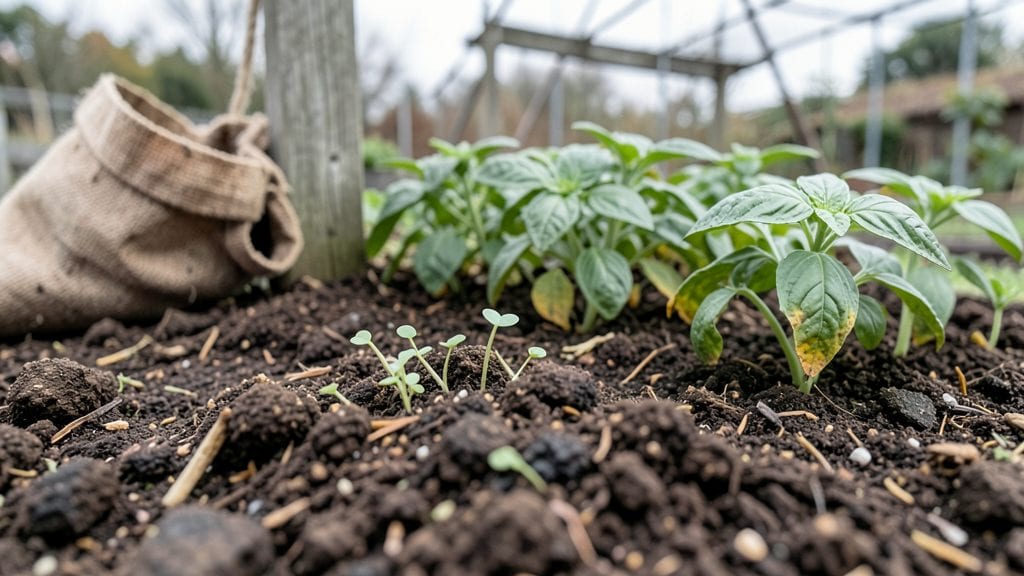
Your flower bed dirt in the Pacific Northwest needs a frost-resistant upgrade—one that keeps roots warm through winter and feeds blooms all summer.
I learned this the hard way after my first spring bulbs rotted from soggy, cold soil, and now I’ve perfected a mix that works for everything from daffodils to daylilies. The secret? A balance of organic matter, gritty texture, and just enough nutrients to wake up dormant roots.
Start with your existing soil—whether it’s heavy clay or sandy loam—and amend it with equal parts compost and coarse sand (or perlite) to improve drainage.
A handful of peat moss or coconut coir helps retain moisture without suffocating roots, while a sprinkle of bone meal or worm castings adds phosphorus for strong blooms. Test your pH first: most Pacific Northwest flowers thrive in 6.0–7.0, so adjust with lime or sulfur if needed.
By autumn, your amended soil will look dark, crumbly, and inviting—like a fluffy blanket for plant roots. In spring, you’ll see bulbs pushing through earlier, perennials returning stronger, and annuals thriving without wilting.
The best part? This mix stays workable even after heavy rain, so your garden stays lush no matter how much the Pacific Northwest skies open up.
Works for raised beds, in-ground plots, or even container gardens—just scale the amendments to your space. Once you’ve got it right, you’ll wonder why you ever struggled with muddy or barren soil. Let’s get digging!
📚 In This Guide
- What you need
- Instructions
- Tips and common mistakes
- Wrapping up and next steps
What you need
- ● Native PNW soil (topsoil): 2–3 cubic yards (depending on bed size; test for pH—aim for 6.0–7.0)
- ● Compost: 1–2 cubic yards (well-aged, 50% organic matter for drainage + nutrients)
- ● Peat moss or coconut coir: 1 bag (for moisture retention in frost-prone zones)
- ● Perlite or coarse sand: 1 bag (10–20% of mix by volume, for aeration)
- ● Slow-release fertilizer: 10–20 lbs (balanced 10-10-10 or organic options like fish emulsion)
- ● Mulch (cedar bark or straw): 2–3 bags (3–4 inches thick after planting)
- ● Garden fork or tiller: 1 (for aerating compacted soil)
- ● Wheelbarrow: 1 (for mixing materials)
- ● Garden gloves + knee pads: 1 pair each (PNW soil can be rough!)
- ○ pH test kit: 1 (optional but highly recommended—PNW soils often lean acidic)
- ● Watering can or hose with nozzle: 1 (for post-mix hydration)
- ● Shovel + rake: 1 each (for shaping beds and leveling)
- ● Biochar: 5–10 lbs (boosts water retention and microbial activity)
- ● Mycorrhizal fungi: 1 packet (helps roots thrive in cold climates)
- ● Landscape fabric: 1 roll (under mulch to suppress weeds)
- ● Soil moisture sensor: 1 (for data-driven watering in frost zones)
How to build a frost-resistant flower bed soil mix for the Pacific Northwest
This mix keeps roots happy through cold snaps while preventing soggy, compacted soil.
Assess and Clear Your Flower Bed Site
Remove all existing plants, weeds, and debris from the area. Use a shovel to loosen the top 6-8 inches of native soil—this breaks up compaction from winter rains. I like to work in small sections to avoid overworking the soil, which can destroy beneficial microorganisms. Look for rocks larger than 2 inches and remove them; they disrupt root growth and water flow.
If your bed has poor drainage (water pools after rain), dig a 4-inch deep trench around the perimeter to redirect excess moisture. The Pacific Northwest’s heavy winter rains demand this extra step—roots rot faster here than in drier climates. Test drainage by filling a hole with water; if it doesn’t drain within 30 minutes, you’ll need to amend further.
Layer Organic Matter for Winter Protection
Spread 3 inches of coarse compost over the loosened soil. This isn’t your typical garden compost—look for well-aged, chunky material with visible wood chips or straw. The larger pieces improve aeration while breaking down slowly, feeding roots all winter. I mix in 1 inch of perlite to prevent compaction; this is critical in clay-heavy PNW soils that turn to concrete when wet.
Top this with 2 inches of shredded bark or wood chips to insulate roots during frost. Avoid fresh wood chips—they steal nitrogen as they decompose. Instead, use cedar or hemlock mulch (common in PNW nurseries) for their natural pest-repellent properties. Fluff the layers together lightly with a rake, but don’t overmix; you want pockets of air for root respiration.
Blend Native Soil with Amendments
Take a handful of your existing soil and mix it 50/50 with high-quality potting mix (not garden soil). This blend retains moisture better than native soil alone while preventing the potting mix from drying out too quickly in summer. For every square foot of bed, add 1 cup of balanced organic fertilizer (like 5-5-5) to provide slow-release nutrients. Sprinkle it evenly and work it into the top 3 inches of soil.
If your soil tests acidic (common in PNW forests), add 1/4 cup of dolomitic lime per square foot to raise the pH slightly. Test again after mixing—aim for a pH between 6.0 and 7.0. Over-liming can lock out essential micronutrients, so don’t skip this step. Water the amended soil until it’s moist but not soggy—think of a damp sponge, not a dripping one.
Plant and Protect for Winter Hardiness
Dig holes twice as wide as the root ball but only as deep as the container’s base. This encourages roots to spread outward rather than sitting too deep, which can suffocate them in wet winters. Gently remove plants from containers and tease apart any circling roots with your fingers. Place them in the holes, then backfill with the amended soil mix, pressing lightly to eliminate air pockets.
Top with 2-3 inches of straw mulch (not wood chips this time) to protect newly planted perennials from frost heave. Water deeply after planting—1 inch per week in winter, more in summer—to establish roots before the first freeze. In exposed areas, consider frost blankets for the first two winters; they’re worth the investment for tender perennials like peonies or dahlias.
Maintain Seasonal Soil Health
Every spring, top-dress the bed with 1 inch of compost and 1/2 inch of perlite to refresh the mix. This prevents soil from becoming too dense as organic matter breaks down. In late fall, add another 2 inches of shredded bark to insulate bulbs and roots through winter. I also scatter 1/4 inch of worm castings over the surface—they’re packed with beneficial microbes that help plants resist fungal diseases common in PNW’s damp climate.
Monitor soil moisture weekly by sticking your finger 2 inches deep. If it feels dry, water slowly until moisture reaches 4-6 inches down. Avoid overhead watering in winter; it can spread fungal spores. Instead, use soaker hoses buried under mulch to deliver water directly to roots. This simple adjustment cuts down on winter dieback dramatically.
Tips & tricks for building the perfect Pacific Northwest flower bed soil mix
These practical tips will help you create a soil mix that thrives in the Pacific Northwest's challenging climate.
Soil Assessment Tip: When testing drainage in Step 1, use a clear plastic bottle instead of a hole—it gives you a better visual of how water moves through your soil. The 30-minute test is crucial, but if your soil drains faster, that's actually better for most plants. Remember, the goal is to prevent waterlogging, not create a swamp. In clay-heavy areas, you might need to add more perlite or sand to improve drainage permanently.
Layering Technique: In Step 2, don't be tempted to compact the layers as you go. The air pockets between the coarse compost and perlite are what prevent compaction in winter. Think of it like making a fluffy cake batter—you want lightness and structure. For the shredded bark layer, cedar mulch is my top recommendation because it naturally repels slugs, which are a common problem in damp PNW gardens.
pH Testing Wisdom: If you're adjusting pH in Step 3, don't guess—use a simple soil test kit available at garden centers. The PNW's acidic soils often need lime, but adding too much can create its own problems. I've seen gardeners overcorrect and end up with soil that's too alkaline, which locks out important micronutrients. Aim for that 6.0-7.0 range and test again after a few weeks to see how your plants respond.
Planting Strategy: When planting in Step 4, pay special attention to the depth of your holes. The "as deep as the container's base" rule prevents what we call "buried crown" syndrome, where the plant stem sits too deep in the soil. This is especially important for perennials that need to survive multiple winters. For tender plants, those frost blankets are a game-changer—just remember to remove them in early spring before new growth appears.
Pro Tips for Flower Bed Dirt
- These practical tips will help you create a soil mix that thrives in the Pacific Northwest's challenging climate.
- Soil Assessment Tip: When testing drainage in Step 1, use a clear plastic bottle instead of a hole—it gives you a better visual of how water moves through your soil.
- Layering Technique: In Step 2, don't be tempted to compact the layers as you go.
Frequently asked questions
Got questions about flower bed dirt in the Pacific Northwest? You’re not alone!
Whether you're prepping for spring blooms or troubleshooting a less-than-perfect garden bed, here are answers to the most common queries about frost-resistant soil mixes in our region.
What’s the best soil mix for frost-resistant flower beds in the PNW?
A balanced mix of 50% native topsoil, 30% compost, and 20% perlite or coarse sand improves drainage while retaining moisture—critical for surviving PNW freezes. Avoid heavy clay; it compacts and traps cold.
When is the ideal time to amend flower bed dirt for winter?
Late summer or early fall (August–September) is perfect. This gives roots time to establish in enriched soil before frost hits. Pro tip: Avoid amending in late fall—it can disrupt winter dormancy.
Can I use regular garden soil instead of a special mix?
Regular garden soil often lacks the organic matter and aeration PNW flower beds need. For frost resistance, blend it with compost and perlite (50/50 ratio) to mimic a premium mix. Test drainage first—water shouldn’t pool after 30 minutes.
Why does my flower bed dirt keep turning muddy after rain?
Muddy soil usually means too much clay or poor drainage. Fix it by adding coarse sand or peat moss (1 part to 3 parts soil) and mulching with wood chips to absorb excess moisture. Aerate annually with a garden fork.
How often should I refresh the dirt in established flower beds?
Top-dress with 1–2 inches of compost yearly in early spring. For struggling beds, replace the top 6 inches of soil every 3–4 years. Pro tip: Mix in worm castings for nutrient-dense, frost-hardy soil.
Wrapping up and next steps
Creating the perfect flower bed dirt for the Pacific Northwest’s chilly climate doesn’t have to be a guessing game! By blending compost, sand, and native soil with a touch of organic matter, you’ve unlocked a thriving garden that stands strong against frost.
Remember, the key is balance—rich nutrients, proper drainage, and a cozy layer of mulch will keep your blooms happy year-round.
Now that you’re armed with the know-how, it’s time to roll up those sleeves! Grab your tools, pick your favorite perennials, and start planting. Your dream flower bed is just a shovel’s throw away—happy gardening! 🌸🌿