
Flowers
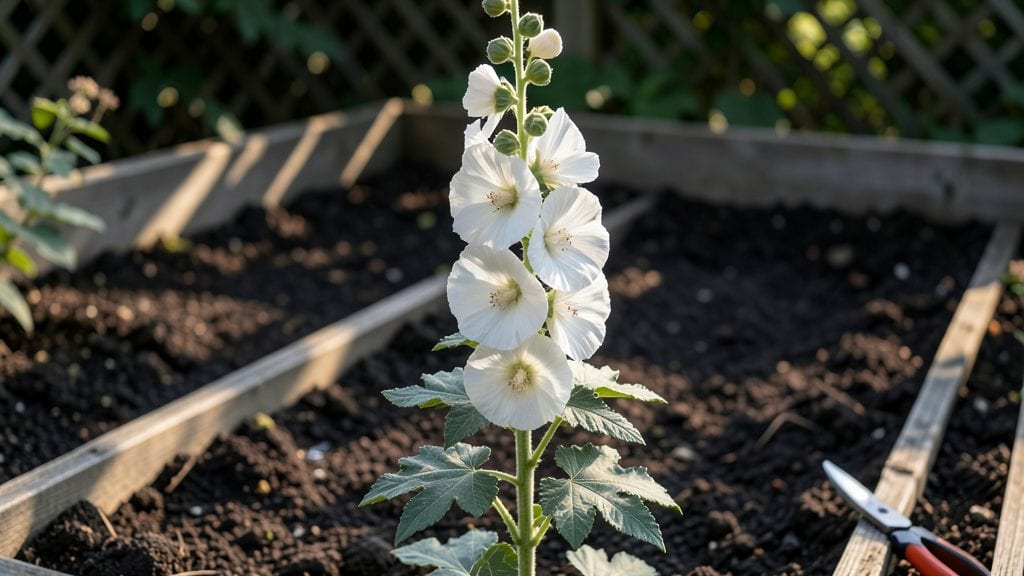
White hollyhock flowers transform any Pacific Northwest garden into a dreamy, vertical tapestry—towering stems draped in delicate petals that dance in the breeze. 🌿 These frost-resistant giants thrive where summers are mild and winters damp, their pale blooms standing out against lush greenery or rustic stone paths.
They’re the quiet stars of cottage gardens, their airy forms softening sharp lines while adding unexpected height to borders.
The real magic happens when you pair them with complementary plants. Try planting them alongside lavender for a fragrant contrast, columbine for cascading color, or foxglove to echo their vertical drama. In a cottagecore setting, let them mingle with roses and delphiniums for a romantic, old-world feel.
Even in modern designs, their clean white petals ground bold foliage like heuchera or hostas with quiet elegance.
What you’ll love most is how effortlessly they fit into seasonal arrangements. In spring, their early blooms welcome pollinators, while summer’s full stems create stunning cut arrangements.
By fall, dried stalks add rustic texture to winter bouquets—no deadheading required. They’re the ultimate low-maintenance statement plant for gardeners who want drama without the fuss.
Best of all, they adapt to almost any style: romantic, rustic, or minimalist. Whether you’re framing a doorway, softening a fence, or adding height to a mixed border, white hollyhocks bring a timeless charm that’s uniquely Pacific Northwest. Ready to let them steal the show?
📚 In This Guide
- What you need
- Instructions
- Tips and common mistakes
- Wrapping up and next steps
What you need
- ● White hollyhock seeds or seedlings: Choose Alcea rosea varieties like ‘White Lady’ or ‘Chater’s Double’ (20–50 seeds or 3–5 plants for a small garden).
- ● Well-draining soil: Mix equal parts garden soil, compost, and perlite (1–2 cubic yards for a 10’x10’ bed).
- ● Sunlight: A full-sun spot (6+ hours/day) is a must—PNW’s partial shade won’t cut it!
- ● Watering can or hose: With a gentle spray nozzle for post-planting hydration.
- ● Mulch: Wood chips or straw (2–3 inches) to retain moisture and deter weeds.
- ● Garden trowel or transplant spade: For digging holes (6–8” deep for seeds, 12” for transplants).
- ● Pruning shears: To trim dead blooms and encourage new growth.
- ○ Stakes or trellis (optional): Hollyhocks can grow 4–6’ tall—add support for windy PNW days!
- ○ Fertilizer (optional): Balanced 10-10-10 or compost tea (apply at planting and mid-season).
- ● Frost cloth (for early planting): Protect seedlings if planting before last frost (Zone 7–9).
How to grow white hollyhocks in the Pacific Northwest
These towering beauties thrive in our cool, damp climate—here's how to coax their dramatic blooms.
🌱 Step 1: Choose the Right Location and Prepare the Soil
Hollyhocks adore full sun but tolerate partial shade—ideal for Pacific Northwest gardens where afternoon sun can be fierce. Pick a spot with at least 6 hours of direct sunlight daily, though they'll reward you with blooms even in 4-5 hours if summers are cooler. The soil should drain well but retain moisture; hollyhocks hate soggy roots.
Before planting, loosen the soil to a depth of 12 inches with a garden fork. Amend heavy clay with 2-3 inches of compost or well-rotted manure to improve drainage. I always work in a handful of bone meal (about 1/2 cup per plant) at planting time—this gives them a phosphorus boost for strong root development. Hollyhocks are happy in average garden soil, but they'll reward you with taller, sturdier stems in richer conditions.
🌿 Step 2: Plant Seeds or Transplants at the Right Time
For direct seeding, wait until late spring after the last frost (typically May in the PNW), when soil temperatures reach 50°F. Plant seeds 1/2 inch deep, spacing them 18-24 inches apart—they'll grow 4-6 feet tall and need room to sway in the breeze. If you prefer transplants, buy biennial or perennial varieties from nurseries in early spring and plant them 6-8 weeks before your last frost date. Hollyhocks are cold-hardy, but young plants benefit from a head start.
Press the soil gently around seeds or transplants to ensure good contact with the roots. Water deeply right after planting to settle the soil and remove any air pockets. Mulch with 2-3 inches of straw or shredded leaves to retain moisture and suppress weeds. This is especially important in the PNW's rainy climate—mulch prevents soil-borne diseases by keeping foliage dry.
☀️ Step 3: Provide Consistent Care for Tall, Sturdy Stems
Water hollyhocks deeply once a week, aiming for 1 inch of water per week. They're drought-tolerant once established but produce their best blooms with steady moisture. In the PNW's rainy season, you may need to adjust for overly wet conditions—ensure containers have drainage holes if growing in pots, and avoid planting in low-lying areas where water pools.
Fertilize lightly in early spring with a balanced 10-10-10 fertilizer (about 1/2 cup per plant). Hollyhocks are heavy feeders but don’t overdo it—too much nitrogen promotes leafy growth at the expense of flowers. Deadhead spent blooms regularly to encourage more flowers and prevent self-seeding, which can lead to weak, leggy plants. Stake tall varieties if winds are strong—PNW gusts can snap those 6-foot stems like twigs.
✂️ Step 4: Prune and Protect for Long-Term Health
In late fall, cut back dead foliage to 2-3 inches above the ground. This prevents disease buildup in old stems and keeps the crowns healthy for next year's growth. Hollyhocks are generally pest-resistant, but watch for hollyhock rust (a fungal disease) in humid summers. Remove infected leaves immediately and avoid overhead watering to reduce spores.
In the PNW, hollyhocks often self-seed prolifically. Thin seedlings in early spring to 12-18 inches apart—crowded plants produce weak stems and fewer blooms. If you're growing biennials, they'll bloom the second year and may die back in winter. Perennial varieties return year after year, becoming a dramatic vertical focal point in your garden. Mulch heavily in winter to protect roots from freeze-thaw cycles.
Tips & tricks for perfect white hollyhocks in the Pacific Northwest
These hardy beauties reward patience with dramatic vertical blooms—here's how to maximize their potential in our unique climate.
Sunlight Strategy: While hollyhocks tolerate partial shade, the PNW's cooler summers mean they'll need that full 6 hours of sunlight to produce their best blooms. I've found that planting them near a south-facing wall or fence can give them an extra boost of reflected warmth during cooler afternoons. If you're in a particularly shaded spot, choose the 4-5 hour minimum and expect slightly fewer but still stunning blooms.
Soil Science: That 12-inch soil preparation isn't just about loosening—it's about creating the perfect moisture balance. In our rainy climate, the key is improving drainage while retaining moisture. For heavy clay soils, I mix in an extra inch of compost beyond the 2-3 inches mentioned, and sometimes add perlite to break up compaction. The bone meal (that 1/2 cup per plant) is non-negotiable—it's what gives those stems the strength to support those towering blooms.
Timing Secrets: The 50°F soil temperature threshold in late spring is crucial—it's when seeds finally have the energy to germinate properly. I always check soil temp with a simple thermometer from the garden center. Pro tip: If you're planting transplants 6-8 weeks before last frost, start them indoors under grow lights about 8 weeks before that target date to give them a head start against our unpredictable spring weather.
Wind Resistance: Those 6-foot stems might look delicate, but they're surprisingly sturdy—until they're not. In the PNW, I've seen hollyhocks snap like twigs in sudden summer gusts. For maximum stability, plant them in groups of three in a triangular formation. This creates natural support between plants, and I always bury a few stakes around the perimeter of the planting area as a preventive measure. The 18-24 inch spacing gives them room to sway naturally without toppling.
Pro Tips for White Hollyhock Flower
- These hardy beauties reward patience with dramatic vertical blooms—here's how to maximize their potential in our unique climate.
- Sunlight Strategy: While hollyhocks tolerate partial shade, the PNW's cooler summers mean they'll need that full 6 hours of sunlight to produce their best blooms.
- Soil Science: That 12-inch soil preparation isn't just about loosening—it's about creating the perfect moisture balance.
Frequently asked questions
Got questions about growing and caring for white hollyhock flowers? You’re not alone—these stunning vertical beauties are full of surprises! Here are answers to the most common queries from gardeners in the Pacific Northwest and beyond.
Can white hollyhocks grow in cold climates like the Pacific Northwest?
White hollyhocks (Alcea rosea) are frost-resistant and thrive in USDA zones 3–9. In fact, they often bloom better after a light frost, which can trigger more vibrant flowers. Just ensure they’re planted in well-draining soil and get full sun—even in chilly coastal PNW regions like Seattle or Portland.
How long does it take for white hollyhocks to flower?
Patience pays off! From seed, expect flowers in 80–120 days (about 3–4 months). If planting transplants, you’ll see blooms in 60–90 days. Deadhead spent flowers to encourage a second flush of blooms in late summer. Pro tip: Pinch back young plants in early spring to promote bushier growth!
Are white hollyhocks annuals or perennials?
They’re biennials—meaning they’ll grow foliage the first year and flower the second. However, in mild PNW winters, they may self-seed and return year after year, acting like perennials. For guaranteed regrowth, save seeds from mature plants or replant annually for a fresh display.
What pests or diseases should I watch for with white hollyhocks?
Hollyhocks are generally low-maintenance, but keep an eye out for:
- Hollyhock rust (orange-brown spots on leaves)—remove infected foliage and avoid overhead watering.
- Aphids or Japanese beetles—spray with soapy water or neem oil if infestations occur.
- Powdery mildew (white fuzzy coating)—improve airflow and space plants 18–24 inches apart.
Resistant varieties like ‘White Lady’ are less prone to rust.
What are some alternatives to white hollyhocks for vertical interest?
If you love the dramatic height and romantic charm of hollyhocks but want variety, try:
- Delphiniums (tall, spiky blooms in blues/purples).
- Foxgloves (Digitalis) (bell-shaped flowers, biennial).
- Hollyhock hybrids like ‘Black Night’ (deep burgundy) or ‘Chater’s Double’ (ruffled petals).
- Statice (Limonium) (drought-tolerant, papery blooms).
All pair beautifully with PNW’s lush greenery!
Wrapping up and next steps
The white hollyhock flower isn’t just a stunning addition to your Pacific Northwest garden—it’s a hardy, low-maintenance vertical masterpiece that thrives where others falter. 🌸 From its frost-resistant charm to its effortless elegance, this floral gem brings height, texture, and resilience to any landscape.
Whether you’re a seasoned gardener or just starting, these flowers are your ticket to easy beauty.
Ready to transform your space? Grab your seeds or seedlings, pick a sunny spot, and let these vertical jewels work their magic. Your garden’s next masterpiece is just a season away!