Flowers
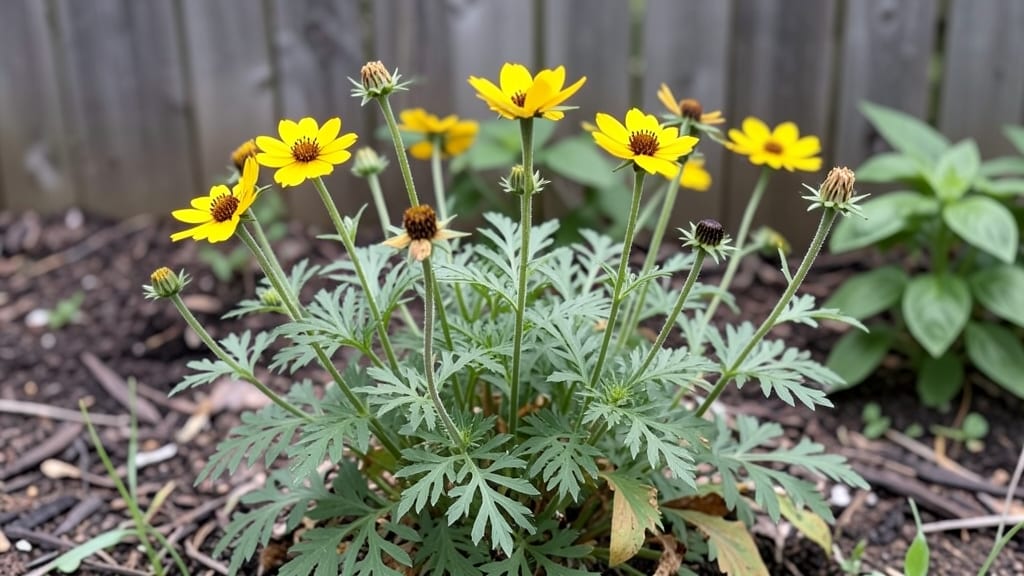
Growing Florida native flower seeds means your garden will burst into color with almost no fuss—these tough plants thrive where others fail. 🌸 I’ve watched Coreopsis and Blanket Flower spread effortlessly through my yard, their bright blooms attracting butterflies while needing half the water of imported varieties.
The secret isn’t complicated: match their natural habits to your soil and sun, and they’ll reward you with years of carefree beauty.
You’ll need just three things to get started: a sunny spot (at least 6 hours of light daily), well-draining soil (amend with compost if yours is heavy clay), and a sprinkler or drip system.
Florida’s humidity and sandy soil actually work for these plants—no fancy fertilizers or constant pruning required. Once established, they’ll outcompete weeds and resist pests that plague non-natives, making them the ultimate low-maintenance choice.
Imagine your garden in late spring when Blanket Flower’s fiery orange blooms catch the light, or when Black-Eyed Susan’s golden daisies create a meadow effect with almost no effort.
These flowers don’t just look stunning—they support local pollinators, reduce your water bill, and create a habitat that feels wild yet intentional. The best part? They’ll come back stronger every year, proving that nature’s designs are always the most efficient.
Whether you’re filling a small bed or restoring a larger area, these seeds are your ticket to a garden that works with Florida’s climate instead of against it. Let’s get those first packets planted—your future self will thank you when you’re sipping sweet tea under a canopy of effortless blooms.
📚 In This Guide
- What you need
- Instructions
- Tips and common mistakes
- Wrapping up and next steps
What you need
- ● Florida native flower seeds: Choose from varieties like Coreopsis, Blanket Flower, Firebush, or Milkweed. Buy seeds from reputable suppliers (e.g., Native American Seed or Florida Native Plant Society). Aim for 1-2 packets (50-100 seeds each) to start.
- ● Seed-starting trays or biodegradable pots: 6-12 cell trays (3-4 inches deep) or 2-3 inch pots (biodegradable preferred for transplanting).
- ● Seed-starting mix: 1-2 bags (1-2 cubic feet) of lightweight, well-draining mix (e.g., coco coir + perlite blend). Avoid garden soil—it’s too dense!
- ● Watering can or spray bottle: With a gentle misting nozzle to avoid disturbing seeds.
- ● Grow lights or sunny windowsill: A full-spectrum LED grow light (12-16 hours/day) or a south-facing window with 6+ hours of sunlight daily.
- ● Humidity dome or plastic wrap: To retain moisture while seeds germinate.
- ● Plant labels & markers: To track seed varieties (e.g., wooden labels + waterproof marker).
- ○ Heat mat (optional): For warm-season seeds like Firebush (70-80°F for faster germination).
- ● Fertilizer (low-dose): A balanced liquid fertilizer (5-5-5 or 10-10-10) diluted to half-strength for seedlings.
- ● Tweezers or popsicle sticks: For delicate seed handling (e.g., tiny Milkweed seeds).
- ● Outdoor gardening space: Partial sun to full sun area (6+ hours of sunlight) for transplanting mature seedlings.
Step-by-Step instructions for growing Florida native flower seeds
Here's how to coax vibrant Florida blooms from tiny seeds with confidence.
🌱 Step 1: Prepare Your Planting Medium and Containers
Fill your containers with a mix of 50% native Florida sandy loam and 50% perlite or coarse sand. This lightweight blend mimics Florida's natural soil while preventing compaction. I like to add a handful of composted leaf mold for nutrients—this mimics the organic matter found in Florida's native ecosystems.
Moisten the mix until it feels like a damp sponge—not soggy, just consistently damp. Press lightly to settle, then create small furrows ¼ inch deep with your finger. The key here is gentle handling—Florida native seeds are often tiny and delicate, so avoid compacting the soil.
☀️ Step 2: Sow Seeds at the Right Depth and Conditions
Scatter seeds thinly along the furrows—most Florida natives don't need deep planting. Lightly cover with a sprinkle of the same soil mix, then mist gently with water until the surface looks uniformly damp. For species like blanketflower or wild columbine, don't cover at all—just press them into the soil surface.
Place containers in a warm, bright spot with indirect light (like a north-facing window). Florida native seeds often need 70-75°F soil temperatures to germinate. If your home runs cooler, consider using a seedling heat mat—this mimics Florida's natural warm season germination triggers.
💧 Step 3: Maintain Consistent Moisture Without Overwatering
Keep the soil evenly moist but never soggy—Florida's native flowers evolved to handle occasional dry spells. Water when the top ½ inch feels dry to touch, using a spray bottle for delicate seedlings. The goal is to simulate Florida's summer rains without drowning tender roots.
Once seedlings appear (usually 10-21 days depending on species), reduce watering slightly. You'll know you're doing it right when leaves stay crisp and upright—wilting means you're overwatering, while yellowing leaves signal underwatering.
✂️ Step 4: Thin and Transplant for Stronger Growth
When seedlings reach 2 inches tall and have their first true leaves, thin to 3-4 inches apart in containers or 6-12 inches apart in garden beds. Use small scissors to snip unwanted seedlings at soil level—this prevents disturbing roots of remaining plants.
For container-grown plants, transplant to larger pots when roots fill the original container. Florida natives often thrive in well-draining soil, so add a layer of coarse sand to the bottom of new containers before repotting. Harden off seedlings gradually by moving them outdoors for increasing lengths of time over 7-10 days.
🌿 Step 5: Provide Seasonal Care for Established Plants
Once established, most Florida native flowers need full sun to partial shade (6+ hours daily). Water deeply once weekly during dry spells, then let soil dry between waterings. Florida's native bloomers are drought-tolerant once mature—this is their superpower.
Deadhead spent blooms regularly to encourage continuous flowering. In late fall, cut back stems by ⅓ to promote bushier growth next season. Many Florida natives are perennial, so with proper care, they'll return year after year with minimal effort.
Tips & tricks for growing Florida native flower seeds
Here's what nobody tells you about nurturing these delicate Florida natives from seed to bloom.
Soil Temperature Matters: That 70-75°F soil temperature in Step 2 is non-negotiable for most Florida natives. If your home runs cooler, invest in a seedling heat mat—it's the difference between germination and disappointment. I've seen seeds fail to sprout when soil temps dipped below 68°F, even with perfect moisture. Place your thermometer right in the soil mix to monitor accurately.
Lighting Strategy: The indirect light recommendation in Step 2 is crucial, but here's the secret: direct morning sun is actually better than harsh afternoon rays. Position containers near an east-facing window or use a grow light on a timer for 12 hours daily. Too much direct afternoon sun can stress delicate seedlings before they're established.
Watering Wisdom: When checking that ½ inch top soil in Step 3, use your finger—not a moisture meter. Florida natives hate soggy roots but need consistent dampness. I've found that misting with room-temperature water (not cold) mimics Florida's summer showers better than pouring from above. Let excess water drain completely to prevent fungal issues.
Thinning Technique: In Step 4, when thinning to 3-4 inches apart, use a clean, sharp pair of scissors to snip seedlings at soil level rather than pulling. This prevents disturbing the roots of your keepers. For garden beds, mark spacing with toothpicks before thinning to avoid overcrowding—Florida natives need room to thrive once established.
Pro Tips for Florida Native Flower Seeds
- Here's what nobody tells you about nurturing these delicate Florida natives from seed to bloom.
- Soil Temperature Matters: That 70-75°F soil temperature in Step 2 is non-negotiable for most Florida natives.
- Lighting Strategy: The indirect light recommendation in Step 2 is crucial, but here's the secret: direct morning sun is actually better than harsh afternoon rays.
Frequently asked questions
Got questions about growing Florida native flower seeds? You’re not alone! Here are answers to the most common queries to help you cultivate stunning blooms with ease.
When is the best time to plant Florida native flower seeds?
The ideal time depends on the plant, but most Florida natives thrive when sown in early spring (February–March) or fall (September–October). This gives seedlings time to establish roots before extreme heat or cold. Check the seed packet for specific timing—some, like firebush, tolerate fall planting, while others, like blanket flower, prefer spring.
How much water do Florida native flower seeds need?
Keep soil consistently moist but not soggy until seeds germinate (usually 7–21 days). After sprouting, reduce watering to 1–2 times per week, depending on rainfall. Overwatering can drown seeds or cause fungal issues. Mulch lightly to retain moisture and suppress weeds.
Do Florida native flowers need full sun?
Most Florida natives love sunlight, but some tolerate partial shade. For example:
- Full sun (6+ hours/day): Blanket flower, firebush, black-eyed Susan.
- Partial shade (3–6 hours/day): Coreopsis, butterfly weed, or frostweed.
Why aren’t my Florida native flower seeds germinating?
Common culprits include:
- Incorrect soil temp: Some seeds (like milkweed) need warm soil (70°F+). Use a heat mat if needed.
- Too much light: Many seeds need darkness to germinate—cover lightly with soil.
- Old seeds: Florida natives often lose viability after 1–2 years. Store seeds in a cool, dry place.
- Poor soil contact: Press seeds gently into soil (not buried deep) for moisture and light.
Can I grow Florida native flowers from seeds in containers?
Use well-draining pots (at least 6 inches deep) with native potting mix. Choose compact varieties like dwarf coreopsis or butterfly milkweed. Transplant seedlings to the ground after 3–4 months. Containers work well for urban gardens or renters—just ensure pots get enough sunlight and drainage.
Wrapping up and next steps
Growing Florida native flower seeds is a rewarding way to add vibrant color and support local ecosystems—without the fuss! These hardy blooms thrive with minimal care, making them perfect for gardeners of all levels.
Whether you’re a beginner or a seasoned green thumb, your efforts will bring beauty and life to your landscape while helping pollinators.
Ready to take the next step? Start small—pick a sunny spot, grab your favorite seeds, and let nature do the rest! 🌸 For even more inspiration, explore Florida-Friendly Landscaping® tips or connect with local gardening groups to share your progress.