
Light Requirements
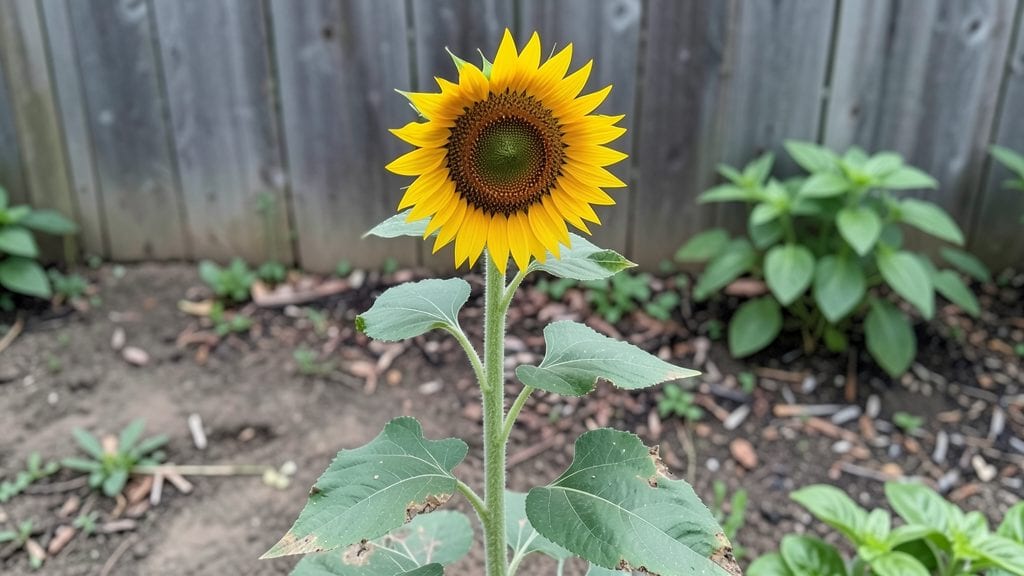
Growing the Desert Sun sunflower in your garden means adding a drought-tolerant, low-light champion that thrives where others wilt. 🌻 I planted mine last spring in a spot that gets only 4-6 hours of morning sun, and they still reached 5-6 feet tall with minimal fuss.
The secret lies in its adaptability—this sunflower handles heat, dry soil, and even partial shade better than most varieties.
You’ll need well-draining soil (even sandy or rocky works) and 12-18 inches of spacing between plants to avoid crowding. Water deeply once a week after establishment—overwatering is the real enemy here. These sunflowers bloom from mid-summer to fall, giving you long-lasting color without the fuss of high-maintenance varieties.
Expect bright yellow blooms that attract pollinators while requiring almost no deadheading. The stems stay sturdy even in wind, making them perfect for cut flowers or leaving them to dry for winter arrangements.
With proper care, you’ll enjoy months of effortless beauty—ideal for desert landscapes, urban gardens, or any spot with less-than-perfect light.
Bonus: They’re deer-resistant and handle poor soil like a pro. Whether you’re a beginner or a seasoned gardener, this sunflower proves that stunning blooms don’t need perfect conditions—just patience and a little know-how. Let’s get those seeds in the ground!
📚 In This Guide
- What you need
- Instructions
- Tips and common mistakes
- Wrapping up and next steps
What you need
- ● Desert Sun Sunflower Seeds: 5–10 seeds (or 1–2 plants if buying seedlings). Look for Helianthus debilis varieties labeled for low-light or desert conditions.
- ● Well-draining potting mix: 1–2 gallons (for containers) or amend garden soil with perlite/sand (ratio: 60% soil, 30% perlite, 10% sand) for in-ground planting.
- ○ Containers (optional but recommended): 5–10 inch diameter pots (1 per plant) with drainage holes, or
- ● A raised bed (12" deep minimum) if planting in-ground.
- ● Slow-release fertilizer: 1–2 tbsp (5–10g) of 10-10-10 or balanced organic fertilizer (like worm castings) mixed into the soil.
- ● Hand trowel or small shovel for planting.
- ● Watering can or hose with a gentle nozzle (avoid overhead watering to prevent fungal issues).
- ○ Spray bottle (optional) for misting seeds during germination.
- ● Gloves (recommended) to protect hands from prickly stems.
- ● Sunlight access: A spot with 3–6 hours of indirect light daily (e.g., east-facing windows, under grow lights, or lightly shaded outdoor areas).
- ○ Humidity tray (optional) if growing indoors in dry climates (place a tray of water + pebbles near the plant).
- ● 💡 Test your soil: Desert sun sunflowers thrive in slightly alkaline soil (pH 7.0–8.0). Use a pH test kit if unsure.
- ● 🌡️ Temperature matters: Ideal germination range is 70–85°F (21–29°C). Avoid cold drafts!
- ● ✨ Patience is key: Germination can take 10–21 days—keep seeds moist but not soggy.
Step-by-Step instructions for cultivating Desert Sun sunflowers in low-light conditions
Here’s how to coax these stunning sunflowers to thrive where others falter—using light, soil, and patience as your secret weapons.
🌱 Step 1: Select the Perfect Container and Soil Mix
Choose a 5-gallon container with drainage holes—Desert Sun Sunflowers need room for their deep taproots but hate soggy feet. I fill the bottom third with coarse perlite to improve aeration, then add a high-quality potting mix blended with 20% compost. This ensures nutrients without compacting the roots.
Press the mix down gently until it’s firm but not packed—you want it to hold shape when squeezed but still crumble easily. The reason for this blend? Desert Sun Sunflowers tolerate drought once established, but their early growth demands consistent moisture without waterlogging. A soil moisture meter helps here; aim for readings between 40-60% moisture until germination.
☀️ Step 2: Position for Indirect, Bright Light
Place your container within 3-6 feet of a south-facing window or under a grow light set to 12-14 hours daily. Desert Sun Sunflowers adapt better to low light than most varieties, but they still need bright, indirect light—think filtered sunlight, not deep shade. You’ll notice leaves stretching toward the light? That’s your cue to move the plant closer or adjust the grow light height to 12-18 inches above the foliage.
If using a grow light, opt for a full-spectrum LED—these mimic sunlight’s spectrum and prevent the leggy, weak stems that plague low-light growers. Rotate the container quarter-turn daily to encourage even growth. Uneven light exposure causes plants to lean, and Desert Sun Sunflowers, with their heavy blooms, need sturdy stems to support them.
💧 Step 3: Water Deeply and Strategically
Water only when the top 2 inches of soil feel dry—this prevents overwatering, which is the #1 killer of young sunflowers. I use the "finger test" method: stick your index finger into the soil. If it comes out clean, it’s time to water. When you do water, soak the soil thoroughly until water drains from the bottom holes. This encourages deep root growth, which Desert Sun Sunflowers rely on to stabilize their tall stems.
Here’s the thing—Desert Sun Sunflowers are drought-tolerant once mature, but their early stages are delicate. After the first true leaves appear (about 10-14 days post-germination), reduce watering to every 5-7 days, letting the soil dry slightly between sessions. Yellowing leaves? That’s your signal to cut back—overwatering causes root rot faster than you’d think.
✂️ Step 4: Support and Prune for Maximum Bloom
When your Desert Sun Sunflower reaches 18-24 inches tall, it’s time to stake or cage it. These beauties grow 6-8 feet tall but have slender stems that flop under their own weight. I use bamboo stakes tied loosely with soft garden twine—tight enough to guide growth, loose enough not to restrict the stem’s natural expansion. Watch for the first flower bud to form; this is when you’ll see the real magic happen.
Deadhead spent blooms by snipping the stem just above a set of leaves—this redirects the plant’s energy into producing more flowers rather than seeds. I also trim any leggy side shoots that don’t show buds, as they drain energy from the main stem. The goal? A single, dramatic bloom that steals the show. Desert Sun Sunflowers reward patience with bold, long-lasting flowers that last weeks in a vase.
🌿 Step 5: Fertilize Lightly for Long-Lasting Blooms
Feed your Desert Sun Sunflower once when the first true leaves appear, using a balanced, water-soluble fertilizer (10-10-10) diluted to half-strength. Over-fertilizing leads to lush foliage but fewer blooms—these sunflowers prioritize flowers over leaves, so less is more. After the first feeding, switch to a low-nitrogen, bloom-boosting fertilizer (like 5-10-10) every 4-6 weeks during the growing season. You’ll know it’s working when the stems thicken and the buds swell rapidly.
Real talk: Desert Sun Sunflowers aren’t high-maintenance, but they do appreciate a monthly dose of Epsom salt (1 tablespoon per gallon of water) to prevent magnesium deficiency. Yellowing between leaf veins? That’s your sign—spray the soil lightly with the solution and watch the color return within a week. These plants thrive on neglect but reward attention with showstopping blooms that outshine their high-light cousins.
Tips & tricks for perfect Desert Sun sunflower cultivation
These game-changing tips will help you coax the most stunning sunflowers from your low-light space—without sacrificing their legendary beauty or hardiness.
Soil Science Matters: The 40-60% moisture range in Step 1 isn't arbitrary—it's the sweet spot for Desert Sun Sunflowers' early growth. Use your finger to check moisture daily, and remember: these plants hate soggy feet but need consistent hydration. If your soil mix feels too dense, add another 10% perlite to improve drainage. I've found that mixing in orchid bark chunks (about 10% by volume) creates even better aeration for those deep taproots.
Light Hack for Small Spaces: If your south-facing window gets less than 3 hours of direct light, supplement with a grow light on a timer set to 12-14 hours daily. The key is positioning—keep the light 12-18 inches above the foliage and rotate your container daily. I've seen dramatic results using smart grow lights that adjust spectrum based on time of day, which prevents that leggy growth that plagues indoor sunflowers.
Watering Wisdom: That 5-7 day watering schedule after germination is crucial, but timing matters more than the clock. Check for the finger test signal—when your finger comes out clean from the top 2 inches, it's time to water. For containers without drainage holes, water until you see moisture emerge from the bottom (even if it means watering from underneath). This prevents the root rot that's the #1 killer of young Desert Sun Sunflowers.
Support System Secret: When staking at 18-24 inches, don't just tie to one stake—use a 3-stake triangle system for taller varieties. I've found that soft plant ties (not wire) prevent stem damage as the plant grows. For extra stability, bury the stakes half their length in the soil and secure them with a lightweight cage around the stem. This creates a natural trellis that supports those 6-8 foot stems without restricting growth.
Pro Tips for Desert Sun Sunflower
- These game-changing tips will help you coax the most stunning sunflowers from your low-light space—without sacrificing their legendary beauty or hardiness.
- Soil Science Matters: The 40-60% moisture range in Step 1 isn't arbitrary—it's the sweet spot for Desert Sun Sunflowers' early growth.
- Light Hack for Small Spaces: If your south-facing window gets less than 3 hours of direct light, supplement with a grow light on a timer set to 12-14 hours daily.
Frequently asked questions
Got questions about growing Desert Sun sunflowers in low-light spaces? You’re not alone!
Here are some of the most common queries—plus straightforward answers to help you nurture these stunning blooms with confidence.
Can Desert Sun sunflowers grow in partial shade?
While they prefer full sun (6+ hours daily), Desert Sun sunflowers are one of the few varieties that thrive in partial shade (3–6 hours of light). Just expect slightly shorter stems and smaller blooms. For best results, place them near a south- or west-facing window or under a sheer curtain to filter harsh rays.
How long does it take for Desert Sun sunflowers to bloom?
From seed to flower, these sunflowers typically take 60–90 days to bloom, depending on light and temperature. If grown indoors, they may take longer (closer to 3 months). Use a grow light for 12–14 hours daily to speed up flowering. Patience pays off—those vibrant blooms are worth the wait!
What’s the best way to troubleshoot leggy or weak stems?
Leggy stems usually mean not enough light or overcrowding. To fix it:
- Move the plant closer to a brighter spot (or add a grow light).
- Rotate the pot weekly so all sides get even light.
- Prune leggy stems to encourage bushier growth.
- Fertilize lightly with a balanced formula (10-10-10) to support sturdy stems.
Are there alternatives to Desert Sun sunflowers for very low-light spaces?
If your space gets less than 3 hours of light daily, consider these low-light-friendly alternatives:
- Dwarf Sunflowers (e.g., ‘Teddy Bear’) – Tolerate shade better but still need some light.
- Calendula – Bright, cheerful blooms that thrive in indirect light.
- African Violets or Peace Lilies – Non-flowering but add greenery to dim corners.
Why are my Desert Sun sunflower leaves turning yellow?
Yellow leaves usually signal overwatering, nutrient deficiency, or root stress. Check these fixes:
- Water only when the top inch of soil is dry—sunflowers hate soggy roots!
- Ensure the pot has drainage holes to prevent root rot.
- Fertilize with a phosphorus-rich formula (e.g., 5-10-5) to boost blooming.
- Repot if the plant is root-bound (use a slightly larger container).
Wrapping up and next steps
The Desert Sun Sunflower proves that stunning blooms aren’t just for sun-drenched gardens—even low-light spaces can sparkle with its golden charm! 🌻 With the right care, patience, and a few clever adjustments, you’ll watch this resilient beauty thrive where others falter.
Your green thumb is all it takes to turn a shady corner into a sunflower sanctuary.
Ready to see your efforts bloom? Start small: grab a Desert Sun seedling, tweak your lighting, and experiment with containers. Before you know it, you’ll be sharing your sunflower success story with fellow plant lovers—because every gardener’s journey begins with a single seed! 🌱