
Propagation
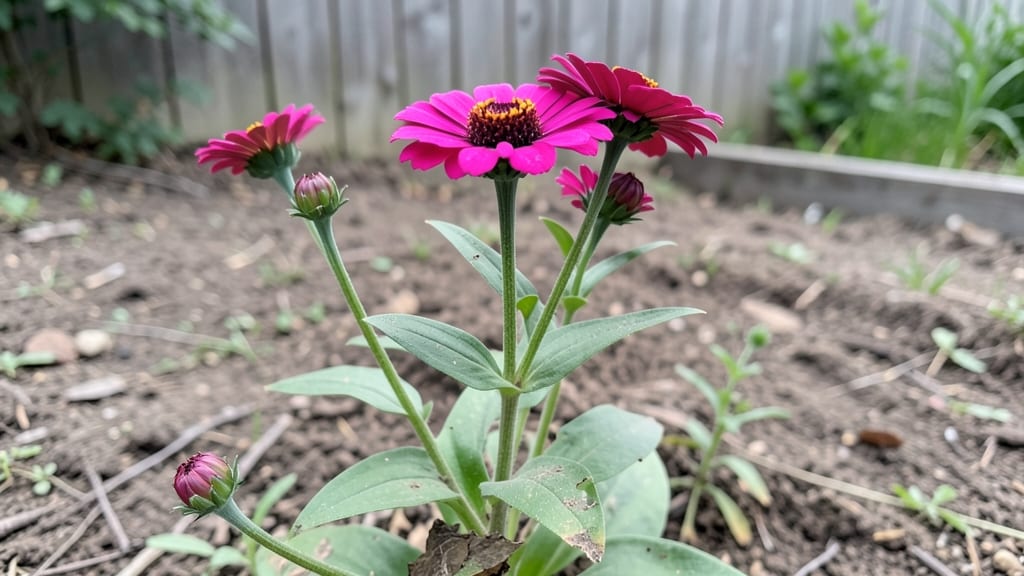
Growing zinnias from seed to flower is like watching a pop-art painting bloom right before your eyes—bright, bold, and impossible to ignore. I’ve grown them every summer since my first try, and each year, those cheerful faces in the garden outshine anything I’ve ever planted.
The secret isn’t complicated: it’s about timing, sunlight, and a little patience while you wait for those first true leaves to appear.
Start with seeds in late spring, once soil temperatures hit 60°F, and you’ll see those familiar zigzagged leaves within 7-14 days. Zinnias thrive in full sun—6+ hours daily—and well-draining soil, which means no soggy roots or leggy stems.
The payoff? Flower buds forming in just 4-6 weeks, with full blooms ready to cut or admire by mid-summer. Even my black thumb can’t kill these—just give them space and consistent water.
Watch for those first true leaves (not the tiny seed leaves) to confirm germination, then thin seedlings to 12-18 inches apart for maximum airflow. Deadhead spent blooms to encourage more flowers, and you’ll have a nonstop show until frost.
The best part? No fancy tools—just seeds, sunlight, and a little elbow grease.
Troubleshoot with ease: yellow leaves mean overwatering, while powdery mildew (a white dust) signals too much shade. A quick spray of baking soda solution (1 tsp per quart of water) fixes that fast.
By late summer, you’ll have buckets of cut flowers—or at least enough to share with neighbors who’ll ask, “How’d you grow those?” Here’s how to make it happen.
📚 In This Guide
- What you need
- Instructions
- Tips and common mistakes
- Wrapping up and next steps
What you need
- ● Zinnia seeds: Choose a variety like Benary’s Giant or Profusion (1–2 packets, ~100–200 seeds total). Opt for heirloom or organic seeds for extra vibrancy!
- ● Seed-starting mix: A lightweight, sterile potting soil (1–2 cubic feet, like Miracle-Gro Seed Starting Potting Mix). Avoid garden soil—it’s too dense!
- ● Containers: Seed trays or starter pots: 2–4 inches deep (10–20 cells or 1–2 pots per seed variety). Biodegradable pots (like Jiffy-7) are eco-friendly!
- ● Grow lights or sunny windowsill: A full-spectrum LED grow light (12–16 hours/day) or a south-facing window (6+ hours of sunlight).
- ● Watering can or spray bottle: A gentle misting nozzle keeps seeds from washing away.
- ● Plant labels: Write down seed types and planting dates to avoid mix-ups!
- ○ Heat mat (optional): Speeds up germination (70–75°F is ideal).
- ● Fertilizer: A balanced liquid fertilizer (e.g., 10-10-10) or fish emulsion (diluted to half-strength) for seedlings.
- ● Transplanting tools: Small trowel, tweezers, or a butter knife for delicate seedling moves.
- ● Garden twine or stakes: Supports taller varieties (like State Fair) as they grow.
- ● Patience: Zinnias germinate in 5–10 days (with warmth) and bloom in 60–70 days—but every step is worth it!
- ● Sunny spot: After transplanting, zinnias need 6+ hours of direct sunlight daily.
- ● Hardening-off period: Acclimate seedlings to outdoor conditions 7–10 days before planting.
Step-by-step guide to growing zinnias from seed to flower
Here’s how to cultivate bold, long-lasting zinnias that bloom in just 60 days—no fancy tricks, just reliable techniques.
🌱 Step 1: Start Seeds Indoors or Direct-Sow After Frost
Zinnia seeds germinate best in warm soil (70-80°F). I like to start them indoors 4-6 weeks before the last frost in small seed trays filled with sterile seed-starting mix. Press 1-2 seeds per cell just beneath the surface—no need to bury them deep. Cover lightly with fine soil to protect them from drying out.
Keep the soil consistently moist (not soggy) by misting or using a humidity dome. Place the tray on a seedling heat mat if your home runs cooler than 65°F—this speeds up germination to 7-14 days. If direct-sowing outdoors, wait until soil warms to 55°F and all frost risk has passed. Sow seeds ¼ inch deep, spacing them 12 inches apart for full-size blooms.
☀️ Step 2: Provide Full Sun and Gradual Light Exposure
Zinnias crave full sun (6+ hours daily) from the moment they sprout. If starting indoors, move seedlings under grow lights (14-16 hours/day) within 3-5 days of germination. Position lights 2-3 inches above seedlings and raise them as plants grow to prevent legginess. Without enough light, stems stretch and flowers become sparse.
Outdoor seedlings should be hardened off for 7-10 days before transplanting. Start by placing them in a shaded spot for 1-2 hours, then gradually increase sun exposure. Watch for wilting or yellowing leaves—a sign they’re not ready for full sun yet. Once planted, mulch around the base to retain moisture and keep roots cool.
💧 Step 3: Water Deeply and Maintain Consistent Moisture
Zinnias have shallow roots, so water deeply 1-2 times per week (more in extreme heat). Aim for 1 inch of water per week, delivered at the soil level—not overhead—to prevent fungal diseases like powdery mildew. Let the top inch of soil dry out between waterings; soggy soil encourages rot and weak stems.
Mornings are the best time to water, as it gives foliage time to dry before evening humidity sets in. You’ll know you’re doing it right when leaves stay crisp and upright—not drooping or yellowing. Avoid wetting the flowers, as damp petals invite pests like aphids.
✂️ Step 4: Deadhead and Prune for Continuous Blooms
Deadheading spent blooms every 2-3 days is the secret to nonstop zinnias. Use clean pruners or fingers to snip off faded flowers just above the next set of leaves. This redirects the plant’s energy into new buds instead of seed production. A well-maintained zinnia can bloom all summer long with this simple step.
For bushier plants, pinch back the top set of leaves when seedlings are 4-6 inches tall. This encourages branching and prevents lanky growth. If zinnias start to flop under heavy blooms, stake them with 4-6 inch tall supports or weave them into a flower cage for stability. Remove any yellow or diseased leaves immediately to keep the plant healthy.
🌿 Step 5: Harvest and Enjoy Your Vibrant Blooms
Zinnias make stunning cut flowers—harvest stems in the early morning when moisture levels are highest. Snip with clean pruners at a 45-degree angle just above a leaf node. Place stems in lukewarm water immediately to extend vase life. You’ll get 7-10 days of fresh blooms per cut if you change the water every 2-3 days.
For garden enjoyment, let a few flowers go to seed to attract pollinators and self-sow for next year. The dried seed heads add winter interest to the garden. If you’re saving seeds, collect them when they turn brown and papery, then store in a cool, dry place until planting season. Zinnias are generous replanters—many will reseed themselves if left undisturbed.
Tips & tricks for perfect zinnia growth
Here's what I wish I knew before growing zinnias that actually thrive and bloom reliably.
Germination Strategy: The 70-80°F soil temperature range is non-negotiable for reliable germination. If your home stays below 65°F, invest in a seedling heat mat—it cuts germination time from 14 days to just 7 days. I've also found that gently pressing seeds into the soil (not burying them) prevents them from rotting while still keeping them protected. The key is maintaining that consistent moisture without letting the soil become soggy.
Light Exposure Insight: Those 14-16 hours of grow light in Step 2 aren't just about preventing legginess—they're about replicating summer sunlight intensity. Position lights 2-3 inches above seedlings and adjust as they grow to maintain this distance. I noticed my seedlings developed stronger stems when I kept lights at this consistent height rather than letting them get too close. For outdoor hardening off, start with just 1-2 hours of shade and gradually increase exposure over the 7-10 day period—this gradual approach prevents shock that can stunt growth.
Watering Wisdom: The "top inch of soil dry" guideline is crucial but often misunderstood. Use your finger to check moisture—if it feels dry at that depth, it's time to water. I've learned to water deeply but infrequently (1-2 times weekly) rather than light daily sprinkles. This encourages deep root growth that makes zinnias more drought-resistant once established. The morning watering rule is especially important in humid climates—wet foliage overnight invites fungal diseases.
Pruning Pro Tip: When pinching back those top leaves at 4-6 inches tall, aim to remove about 1/3 of the plant's height. This shock might seem counterintuitive, but it triggers bushier growth. For deadheading, I've found that using clean pruners and cutting just above a leaf node (not at a joint) prevents disease entry points. The 2-3 day deadheading schedule might seem frequent, but it's what keeps those blooms coming all season—zinnias respond beautifully to this regular maintenance.
Pro Tips for Zinnia From Seed To Flower
- Here's what I wish I knew before growing zinnias that actually thrive and bloom reliably.
- Germination Strategy: The 70-80°F soil temperature range is non-negotiable for reliable germination.
- Light Exposure Insight: Those 14-16 hours of grow light in Step 2 aren't just about preventing legginess—they're about replicating summer sunlight intensity.
Frequently asked questions
Got questions about growing zinnias from seed? You’re not alone—these cheerful blooms are easy to grow but still spark curiosity! Here are answers to the most common questions to help you grow zinnias like a pro.
How long does it take for zinnia seeds to sprout?
Zinnia seeds typically sprout in 7 to 14 days after planting, depending on soil temperature and moisture. Keep the soil consistently warm (around 70°F) and moist but not soggy for faster germination. If you’re impatient, try soaking seeds overnight before planting—it can speed things up slightly!
Can I grow zinnias in hot or cold climates?
Zinnias thrive in warm weather and prefer temperatures between 70°F and 80°F. They’re not frost-tolerant, so wait until after the last frost to plant outdoors. In hot climates, provide afternoon shade to prevent wilting. For cooler areas, start seeds indoors 6-8 weeks before the last frost or use row covers to extend the season.
Why are my zinnia leaves turning yellow or spotted?
Yellow leaves often mean overwatering or poor drainage, while spots could signal powdery mildew or pests like aphids. Improve airflow between plants, water at the base (not overhead), and remove affected foliage promptly. For mildew, spray with a baking soda solution (1 tsp baking soda + 1 quart water) or neem oil.
Do zinnias self-seed? How can I control it?
Yes! Zinnias are prolific self-seeders, which means they’ll pop up where you least expect them next year. To manage this, deadhead spent blooms regularly or snip seed heads before they mature. If you love the surprise, let some seeds drop—just thin seedlings in spring to avoid overcrowding.
Can I grow zinnias in containers instead of a garden bed?
Zinnias adapt well to containers as long as the pot is at least 12 inches deep and has drainage holes. Use a lightweight potting mix, and plant 3-5 seeds per container (thin to the strongest seedlings). Place containers in full sun and water consistently. Dwarf varieties like ‘Thumbelina’ are perfect for small spaces!
Pro Tip:
For continuous blooms, pinch back young zinnias when they’re 6-8 inches tall to encourage bushier growth. This trick works especially well for Benary’s Giant and Profusion varieties!
Wrapping up and next steps
Growing zinnias from seed to flower is a rewarding journey that brings vibrant color to your garden in just 60 days! With the right soil, sunlight, and care, you’ll enjoy bursts of cheerful blooms that attract pollinators and lift your spirits.
Whether you’re a beginner or a seasoned gardener, these cheerful flowers prove that big results come from small seeds.
Ready to dive deeper? Experiment with different varieties or try container gardening to expand your zinnia collection. Happy planting—your garden (and bees!) will thank you! 🌸🌞