
Container Gardens
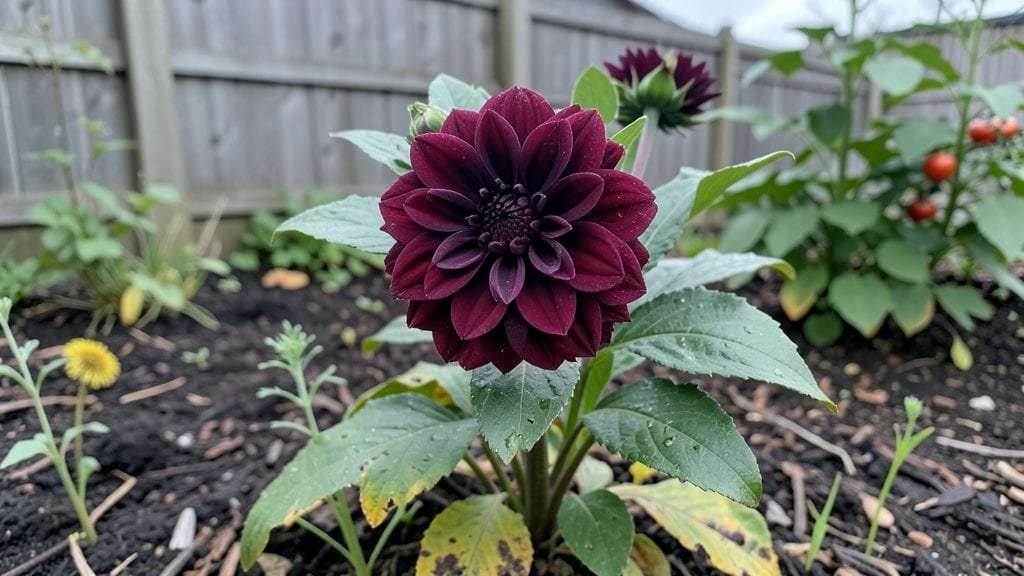
Mastering dahlia flower growing in containers transforms even the smallest space into a vibrant summer garden bursting with florist-worthy blooms—no backyard required. 🌻 I’ve turned my balcony into a dahlia showpiece using nothing but a few pots and a sunny spot, and the secret isn’t complicated: it’s all about the soil, the timing, and a little patience.
The real magic happens in early spring when you wake those tubers from dormancy. You’ll need well-draining potting mix, containers with drainage holes, and a spot that gets at least 6 hours of sunlight daily.
Dahlias are divas in the best way—they demand attention but repay it with football-sized blooms that last from midsummer until frost.
By late June, you’ll be pinching back those early shoots to encourage bushier growth, and by July, your containers will burst with color. The key is consistent watering—deep but infrequent—and staking tall varieties before they flop.
Even beginners can master this, and the payoff? Cut flowers that last a week in a vase—no greenhouse required.
Works for patios, decks, or even windowsills with grow lights. Let’s get those tubers growing!
📚 In This Guide
- What you need
- Instructions
- Tips and common mistakes
- Wrapping up and next steps
What you need
- ● Dahlia tubers: Choose disease-resistant varieties (e.g., 'Café au Lait,' 'Arabian Night'). Buy 1–3 tubers per container (depending on pot size).
- ● Containers: At least 12–18 inches deep with drainage holes. Options: fabric grow bags, ceramic pots, or plastic containers (5+ gallons for 1 tuber).
- ● Potting mix: High-quality, well-draining mix (e.g., 50% peat moss/compost + 50% perlite/sand). Avoid garden soil—it compacts and rots tubers!
- ● Drainage material: 1–2 inches of gravel, pebbles, or broken pottery at the container’s bottom.
- ● Slow-release fertilizer: Balanced 10-10-10 or 5-10-5 (mix 1–2 tbsp per gallon of soil).
- ● Watering can or hose with gentle spray: Dahlias hate soggy roots—water deeply but infrequently.
- ● Stakes or cages: 3–5 ft tall (bamboo, metal, or tomato cages work). Dahlias grow tall!
- ● Pruning shears: For trimming dead foliage or shaping plants.
- ● Garden gloves: Protect your hands from thorns (some varieties are spiky!).
- ● pH test kit: Ideal soil pH for dahlias: 6.0–7.0. Adjust with lime or sulfur if needed.
- ● Mulch (straw or shredded bark): Helps retain moisture and suppress weeds.
- ○ Liquid fertilizer (optional): Fish emulsion or seaweed extract for a mid-season boost (dilute to half-strength).
- ● Sunlight: 6+ hours of full sun daily (partial shade in hot climates).
- ● Warmth: Dahlias thrive in USDA Zones 3–10. Start tubers indoors 6–8 weeks before last frost if in cooler zones.
- ● Patience: Tubers take 8–12 weeks to bloom—plan ahead for seasonal displays!
Step-by-step instructions for growing dahlias in containers
Here's how to coax dramatic dahlias from tubers in pots—no garden bed required.
🌱 Step 1: Chit Tubers Indoors Before Planting
Start your dahlia tubers indoors 6-8 weeks before your last frost date. Place each tuber in a shallow container with the eyes (small bumps) facing upward. I like to use 6-inch pots for this step, as they provide stability while allowing roots to establish. Keep the tubers in a bright, warm spot—around 65-70°F—where they'll receive indirect light.
Moisten the soil lightly and maintain it just damp, not soggy. After 2-3 weeks, you'll see tiny green shoots (called "chits") emerge from the eyes. This is your signal that the tubers are ready to grow roots. Resist the urge to water heavily now—dahlias rot easily when overwatered at this stage. Once the chits reach 2-3 inches tall, they're ready for their permanent containers.
🪴 Step 2: Plant Chitted Tubers in Containers
Choose large containers—at least 12-15 inches deep and 18-24 inches wide—to accommodate dahlia roots. Fill the bottom 2-3 inches with a well-draining mix (I blend 50% potting soil with 50% perlite). This prevents waterlogging while still providing nutrients. Place your chitted tuber in the center of the pot, ensuring the eyes face upward and the top of the tuber sits just below the soil surface.
Backfill with more of your potting mix, pressing gently to eliminate air pockets. Leave 1-2 inches of space between the soil and the pot's rim for watering. After planting, water deeply until it drains from the bottom holes. Dahlias love moisture but hate soggy feet—always check that excess water runs out within 10-15 minutes. Place the pots in a sunny spot (at least 6 hours of direct sunlight daily) to encourage robust growth.
☀️ Step 3: Provide Consistent Care for Lush Growth
Dahlias thrive with regular watering—keep the soil evenly moist but never waterlogged. I water mine every 2-3 days in hot weather, adjusting to every 4-5 days when temperatures drop. Always water at the base of the plant to avoid wetting the foliage, which can lead to fungal issues. Fertilize every 2 weeks with a balanced, water-soluble fertilizer (like 10-10-10) to fuel those bold blooms.
As your dahlia grows, you'll notice new leaves and stems emerging. Once the plant reaches 12-18 inches tall, it's time to stake it. Use 3-4 foot bamboo stakes or a cage to support the heavy blooms. Tie the main stem loosely to the stake with soft plant ties, leaving room to grow. Dahlias are heavy feeders—if you see yellowing leaves, it's a sign they need more nutrients. A foliar spray of fish emulsion can give them a quick boost.
✂️ Step 4: Encourage More Blooms and Deadhead Regularly
To promote continuous blooming, deadhead spent flowers as soon as they fade. Use clean, sharp pruners to snip the flower head just above a set of leaves or a side bud. This redirects the plant's energy into producing new blooms rather than setting seed. I deadhead mine every 2-3 days during peak bloom season—it keeps the plant looking tidy and encourages nonstop color.
Pinch back the top set of leaves when the plant reaches 12 inches tall to encourage bushier growth. This might seem counterintuitive, but it stimulates lateral branching, resulting in a fuller, more productive plant. If your dahlia starts to flop under the weight of its blooms, add more stakes or tie the stems more securely. Dahlias are dramatic plants, and they need just as much support as they do care.
Tips & tricks for growing dahlias in containers
Transforming dahlia tubers into showstopping container blooms takes patience and precision—here's how to avoid the most common pitfalls while maximizing your plants' potential.
Timing is Everything: The 6-8 week indoor chitting period is non-negotiable for container dahlias. I've learned the hard way that rushing this stage results in weak, spindly plants that struggle to support their own blooms. Set a calendar reminder for your last frost date and work backward from there—this ensures your tubers develop strong root systems before transplanting.
Container Size Matters: Those 12-15 inch deep containers aren't just recommendations—they're essential for accommodating dahlia roots. I've seen beginners use 8-inch pots and wonder why their plants flopped by mid-summer. The extra depth prevents root binding, which can strangle your plant's growth. If you're working with limited space, consider using grow bags instead of traditional pots—they provide better drainage and root room.
Watering Wisdom: The 10-15 minute drainage test after planting is your first line of defense against root rot. Dahlias in containers dry out faster than in-ground plants, but soggy soil is their quickest killer. I use self-watering pots with a moisture meter to maintain that perfect "evenly moist" balance—when the meter reads dry, it's time to water deeply at the base. Avoid overhead watering to prevent fungal issues that can devastate your blooms.
Support System: Don't wait until your dahlia is toppling over to stake it! Once your plant reaches 12-18 inches, install 3-4 foot bamboo stakes immediately. I like to use a spiral stake system that allows the plant to grow upward while providing 360-degree support. This prevents stem damage and gives your dahlias the confidence to grow tall and dramatic. Think of it as giving your plant a security blanket—it knows it won't fall over.
Pro Tips for Dahlia Flower Growing
- Transforming dahlia tubers into showstopping container blooms takes patience and precision—here's how to avoid the most common pitfalls while maximizing your plants' potential.
- Timing is Everything: The 6-8 week indoor chitting period is non-negotiable for container dahlias.
- Container Size Matters: Those 12-15 inch deep containers aren't just recommendations—they're essential for accommodating dahlia roots.
Frequently asked questions
Got questions about growing dahlias in containers?
You’re not alone! Here are answers to the most common queries from gardeners just like you—whether you’re a beginner or a seasoned pro looking for quick tips.
How deep should I plant dahlia tubers in containers?
Plant your tubers 4–6 inches deep in well-draining soil, with the "neck" (the narrowest part) just above the surface. This ensures roots have room to spread while keeping the tuber stable. Use a large container (at least 12–18 inches wide) to accommodate their sprawling nature—think "bigger is better" for these drama queens! Pro tip: Add a handful of compost or slow-release fertilizer to the planting hole for a nutrient boost.
When is the best time to plant dahlias in containers?
Wait until after the last frost when soil temps hit at least 60°F (15°C). In most regions, this means late spring (May–June). Dahlias hate cold, so avoid planting too early—even containers can’t protect them from chilly nights. If you’re in a short season, opt for earlier-blooming varieties like ‘Café au Lait’ or ‘Bishop.’
How often should I water container-grown dahlias?
Dahlias in pots dry out faster than in-ground plants. Water deeply 2–3 times per week (daily in extreme heat), ensuring water reaches the roots. Check soil moisture by sticking your finger 2 inches down—if it’s dry, it’s time to hydrate! Pro tip: Use a self-watering container or mulch the soil surface to retain moisture and prevent fungal issues.
What pests or diseases should I watch for in container dahlias?
Common culprits include slugs, aphids, and powdery mildew. Slugs love tender leaves—use copper barriers or beer traps. Aphids? Blast them off with water or introduce ladybugs. For mildew, improve airflow (space plants 12+ inches apart) and avoid overhead watering. Neem oil is a go-to for fungal prevention. Act fast: Isolate affected plants to prevent spreading.
Can I grow dahlias in containers year-round?
Not without some effort! Dahlias are tender perennials—they’ll die back in frost. In cold climates, dig up tubers after the first frost, trim foliage, and store them in a cool (40–50°F/4–10°C), dry place until spring. In warm zones (zones 8+), mulch heavily and protect with frost cloth if temps dip below 30°F (-1°C). Containers can be moved indoors in a bright spot, but growth slows dramatically.
Wrapping up and next steps
Growing dahlias in containers is a rewarding journey that brings bold, vibrant blooms to even the smallest spaces! With the right tubers, soil, and care, you’ll enjoy a stunning display from spring to frost.
Remember, patience and consistency are key—whether you’re a seasoned gardener or a beginner, these flowers will thrive with your attention.
Ready to transform your patio or balcony into a dahlia paradise? Start by gathering your supplies and reviewing tips—then dig in! Your garden (and future admirers) will thank you for these show-stopping blooms. 🌸✨