
Transplanting
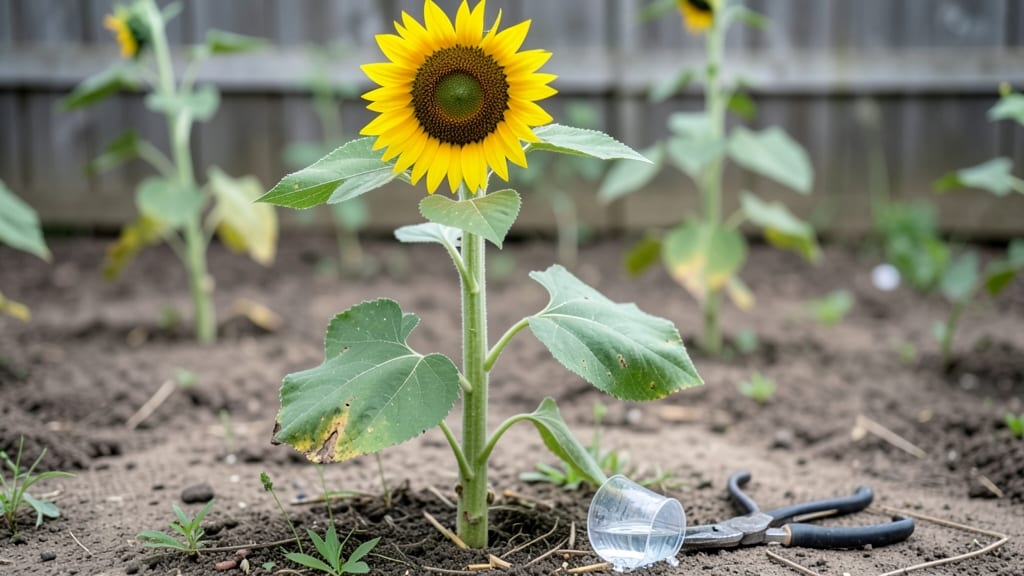
Growing Cutting Gold sunflowers in the Pacific Northwest means you can transplant them even after the first frost—something I learned the hard way when my first batch of sunflowers bolted in the heat.
These sunflowers thrive where others struggle, and their golden blooms last for days in arrangements. The secret lies in their cold tolerance and how you handle the transplanting process.
You’ll need well-draining soil, a sunny spot (at least 6 hours of sunlight daily), and patience—these sunflowers grow 6-8 feet tall but reward you with bold, 3-4 inch blooms that cut beautifully.
The key is spacing them 18-24 inches apart to avoid overcrowding, which can lead to weaker stems and fewer flowers. Water deeply once a week, especially during dry spells, but avoid soggy soil to prevent root rot.
Once the blooms open, snip stems at an angle just above a leaf node for the longest vase life. The golden petals fade gracefully, giving your arrangements a warm, sunlit glow that lasts 7-10 days.
Prune back any dead or damaged stems in early spring to encourage fresh growth, and watch as these sunflowers bounce back year after year.
For Pacific Northwest gardeners, timing is everything—transplant in early spring or late summer for frost-resistant growth. If pests like aphids or powdery mildew appear, a simple spray of neem oil or insecticidal soap keeps them at bay without harming the plants.
With the right care, your Cutting Gold sunflowers will become the star of your garden and your bouquets.
📚 In This Guide
- What you need
- Instructions
- Tips and common mistakes
- Wrapping up and next steps
What you need
- ● Gold sunflower seeds: Choose frost-resistant varieties like ‘Lemon Queen’ or ‘Teddy Bear’ (20–50 seeds, depending on desired quantity).
- ● Seed-starting mix: Lightweight, sterile potting soil (1–2 gallons).
- ● Biodegradable seed pots or peat pellets: 3–4 inches deep (1–2 per seedling).
- ○ Grow lights or sunny windowsill: 12–16 hours of light daily (optional but helpful for early starts).
- ● Watering can or spray bottle: With a fine mist nozzle for gentle hydration.
- ● Transplanting tools: Trowel (for digging small holes).
- ● Garden gloves (to protect hands from soil and thorns).
- ● Frost cloth or row covers: Lightweight fabric (1–2 yards) to shield young plants from late frosts.
- ● Sturdy stakes or cages: 5–6 feet tall (2–3 per plant for support).
- ● Location: Full sun (6+ hours daily) in a well-draining spot. Pacific Northwest gardens thrive in zones 5–9!
- ● Soil prep: Loosen soil to 12 inches deep; amend with compost for nutrients.
- ● Timing: Indoor start: 8–10 weeks before last frost (March–April for PNW).
- ● Outdoor transplant: After soil warms to 50°F (10°C) (late May–June).
- ● Water source: Consistent access to water (sunflowers need 1–2 inches per week).
- ● Slow-release fertilizer (balanced 10-10-10 or organic options like fish emulsion).
- ● Mulch (straw or shredded leaves) to retain moisture and suppress weeds.
- ● Bird netting (to protect seeds from hungry critters).
- ● Pruning shears (for harvesting stems or shaping plants).
How to transplant Cutting Gold sunflowers for frost-resistant Pacific Northwest growth
Here's the method I've refined over years of growing sunflowers in our chilly coastal climate—where late frosts and damp springs make transplanting tricky.
Time Transplants for After Last Frost
Wait until two weeks after your average last frost date—this gives soil time to warm to at least 50°F. In the Pacific Northwest, that often means late May or early June, depending on elevation. I check my local weather station and confirm soil temperatures consistently above 55°F before transplanting, because cold soil slows root establishment and invites rot.
If you're unsure about your frost dates, plant 1-2 weeks later than average. You'll see stronger, more resilient plants that handle our cool summers better than early transplants. The trade-off is slightly shorter bloom time, but the plants live longer and produce more seeds.
Prepare the Planting Site with Amended Soil
Choose a location with 6+ hours of direct sun—Cutting Gold sunflowers need full sun to reach their full 5-6 foot height. Before transplanting, loosen the soil to a depth of 12 inches with a broadfork or tiller. This breaks up compaction from our rainy winters and improves drainage, which is critical in our damp climate.
Mix in 2-3 inches of compost into the top 6 inches of soil. Sunflowers are heavy feeders, and our native soil often lacks organic matter. You'll notice the soil becomes darker and crumbles more easily after amending—this indicates better structure for root growth. Avoid fresh manure, which can burn tender roots.
Harden Off Seedlings Gradually
If starting from seed, begin hardening off 7-10 days before transplanting by placing seedlings outside in a sheltered spot for 2-3 hours daily. Gradually increase exposure over 5-7 days until they can handle full sun. You'll see leaves develop a deeper green color and stems thicken as they adapt to outdoor conditions.
For nursery-bought plants, check the roots—if they're root-bound or circling the pot, gently tease them apart before planting. Transplant on a cool, overcast day to reduce transplant shock. Water the plants thoroughly the night before to minimize stress during the move.
Plant at Correct Depth and Spacing
Dig holes 1 inch deeper than the root ball and space plants 12-18 inches apart in rows 24 inches apart. Cutting Gold sunflowers need room to develop strong stems and support their own weight. Press soil firmly around the roots to eliminate air pockets, then water deeply to settle everything.
Mulch with 2-3 inches of straw or wood chips to retain moisture and regulate soil temperature. In our damp climate, mulch prevents soil-borne diseases from splashing onto leaves. Avoid piling mulch against the stems—keep it 2 inches away to prevent rot.
Provide Support and Monitor for Pests
Install 6-foot stakes or cages at planting time to support the tall stems before they get top-heavy. You'll see the plants lean toward the sun if unsupported—this weakens their structure. Tie stems loosely with soft plant ties every 12 inches as they grow, adjusting as the stems thicken.
Watch for sunflower moths and aphids, which are common in our region. If you spot chewed leaves or sticky residue, spray with neem oil in the early evening when bees aren't active. Aphids are especially attracted to new growth, so check the undersides of leaves regularly during warm spells.
Tips & tricks for perfect Cutting Gold sunflower transplanting
Here's what I've learned after years of battling our damp Pacific Northwest climate to grow these stunning sunflowers.
Timing is Everything: The two-week window after your last frost date is non-negotiable for our region's unpredictable weather. I've found that checking soil temperature is more reliable than air temperature—aim for consistently above 55°F at 4 inches deep. In our coastal areas, this often means waiting until early June, even if frost dates suggest earlier. The extra patience pays off with plants that establish strong roots before our cool summers begin.
Soil Preparation Secret: Don't just loosen the top 6 inches of soil—go deeper with that broadfork to break up compaction from our rainy winters. I've noticed the biggest difference in drainage when I work the soil to 12 inches, especially in areas with heavy clay. Mixing in that 2-3 inches of compost isn't just about nutrients—it creates that perfect crumbly texture that sunflower roots love. For our native soils, I often add a handful of perlite to improve aeration in heavy spots.
Harden Off Strategically: When hardening off seedlings, I've found that starting with just 2-3 hours of morning sun (when temperatures are cooler) prevents shock. Gradually move them to afternoon sun over those 5-7 days. For nursery plants, I give them a final drink of water the night before transplanting—this keeps their roots hydrated during the move and gives them a head start in their new home.
Support System: Install those 6-foot stakes at planting time, not when the plants are already leaning. I use soft plant ties that I can easily adjust as the stems grow—tightening them every 12 inches prevents constriction as the plant thickens. In our windy coastal areas, I often double up on support by adding a second stake at a 45-degree angle to prevent swaying.
Pro Tips for Cutting Gold Sunflower
- Here's what I've learned after years of battling our damp Pacific Northwest climate to grow these stunning sunflowers.
- Timing is Everything: The two-week window after your last frost date is non-negotiable for our region's unpredictable weather.
- Soil Preparation Secret: Don't just loosen the top 6 inches of soil—go deeper with that broadfork to break up compaction from our rainy winters.
Frequently asked questions
Got questions about transplanting Cutting Gold sunflowers in your Pacific Northwest garden? You’re not alone! Here are some of the most common concerns—plus straightforward answers to help you grow like a pro.
When’s the best time to transplant Cutting Gold sunflowers in the PNW?
Transplant them after the last frost (typically late April to early June in most PNW zones). These sunflowers are frost-resistant but thrive best in warm soil—wait until nighttime temps stay above 50°F (10°C) to avoid stunted growth. If you’re in a cooler microclimate, consider starting seeds indoors 2–3 weeks early!
Can I transplant sunflowers that are already flowering?
It’s not ideal—transplanting mature sunflowers (especially those in bud or bloom) stresses the plant and can cause them to wilt or drop flowers. Stick to transplanting young seedlings (4–6 inches tall) with just a few leaves. If you’ve already missed that window, let them grow where they are and save seeds for next year!
What’s a good alternative if Cutting Gold sunflowers don’t thrive in my garden?
Try these PNW-friendly sunflower varieties:
- Moulin Rouge – Shorter (3–4 ft), heat-tolerant, and great for containers.
- Autumn Beauty – Striped blooms, drought-resistant, and self-seeding.
- Russian Giant – Tall (10–12 ft) but needs staking; loves full sun.
Why are my transplanted sunflowers wilting or turning yellow?
Common culprits:
- Transplant shock – Give them a week to adjust with deep watering (1–2 inches per week).
- Over/under-watering – Sunflowers hate soggy roots but need consistent moisture. Let soil dry slightly between waterings.
- Nutrient deficiency – Amend soil with compost before planting. Yellow leaves? Add a balanced fertilizer (10-10-10).
- Pests – Check for aphids or slugs (common in PNW). Use neem oil or beer traps if needed.
Do Cutting Gold sunflowers need full sun, or can they handle partial shade?
They prefer full sun (6+ hours daily), but in the PNW’s shorter summer days, they’ll tolerate 4–5 hours of sun—especially if you choose a south-facing spot. In deep shade (<3 hours), expect leggy stems and fewer blooms. If your garden is shady, opt for a shorter variety like Teddy Bear instead.
Wrapping up and next steps
Growing cutting gold sunflowers in the Pacific Northwest’s chilly climate is totally doable—with the right prep and timing! 🌱❄️ These hardy beauties thrive when transplanted early, given space to stretch, and protected from late frosts.
Whether you’re a seasoned gardener or just starting, your efforts will reward you with stunning blooms and maybe even fresh cut flowers for your table.
Ready to take the next step? Mark your calendar for early spring transplanting (late March to April) and watch your garden glow with golden sunshine. Happy gardening! 🌻