Flowers
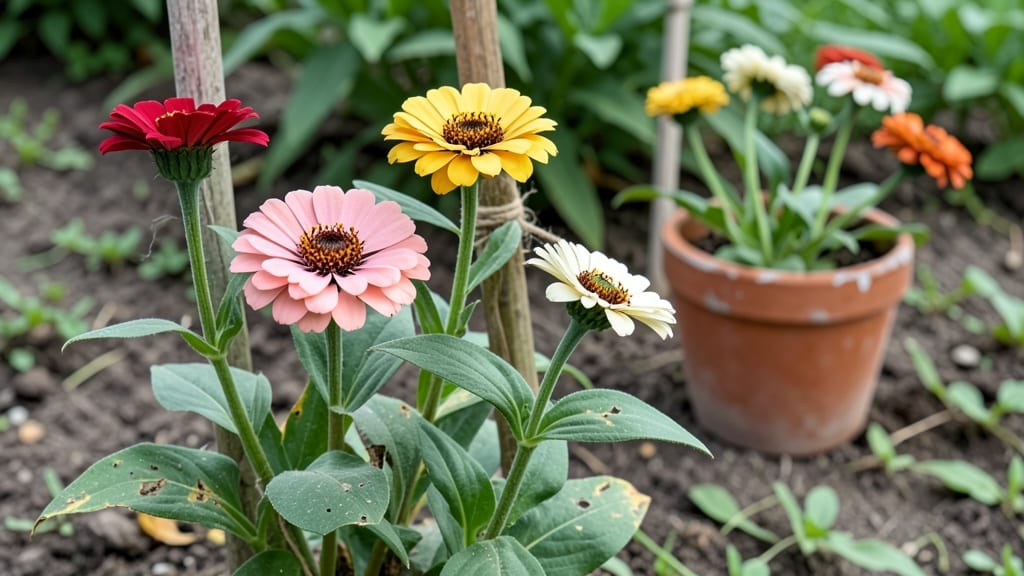
Creating a bold pollinator haven with colorful annual flowers is easier than you think—and it transforms your garden in just a few weeks. 🌸 I’ve designed my front yard borders with zinnias, marigolds, and petunias so vibrant that neighbors stop to ask which “magic potion” I used.
The secret? Mixing heights, textures, and bloom times for nonstop color from spring to frost.
You don’t need a big yard or fancy tools—just a sunny spot, some well-draining soil, and a handful of easy-care varieties. My go-to combo includes heat-loving zinnias (36-inch spikes), fragrant marigolds (18-inch mounds), and trailing petunias (spilling over edges).
Plant them in clusters of three colors for maximum impact, and watch butterflies and bees turn your space into their favorite stop.
By mid-July, your garden will burst with sun-drenched reds, sunny yellows, and deep purples that keep blooming until fall. The best part? These flowers thrive with minimal fuss—just water when the top inch of soil feels dry, and deadhead spent blooms to encourage more flowers.
Even my black thumb can’t kill these.
Works in containers, window boxes, or full borders—adjust spacing based on your setup. Pair bold colors with contrasting foliage (like silver dusty miller) for extra drama. Let’s make your garden the talk of the neighborhood!
📚 In This Guide
- What you need
- Instructions
- Tips and common mistakes
- Wrapping up and next steps
What you need
- ● Annual flower seeds or seedlings: Choose 3–5 varieties (e.g., zinnias, marigolds, cosmos, sunflowers, or petunias) for a mix of colors and heights.
- ● Quantities: Aim for 10–20 seeds per square foot (or 1–2 seedlings per 6-inch pot).
- ● Garden soil or potting mix: Well-draining, nutrient-rich soil (add compost for extra vibrancy!).
- ● For containers: Use a lightweight mix (e.g., 60% potting soil + 40% perlite).
- ● Containers or garden beds: Containers: 5–12 inch pots (with drainage holes) or window boxes.
- ● Garden beds: Full sun (6+ hours/day) or partial shade (3–6 hours).
- ● Watering can or hose with a gentle spray nozzle.
- ○ Fertilizer (optional but recommended): Balanced liquid fertilizer (e.g., 10-10-10) or slow-release granules.
- ● Apply every 2–4 weeks after planting.
- ● Mulch (e.g., straw or shredded leaves) to retain moisture and suppress weeds.
- ● Plant markers or stakes to track varieties and support tall flowers.
- ● Pollinator-friendly additives: A shallow dish of water + pebbles for butterflies or a bee hotel.
- ● Garden gloves and knee pads for comfort (especially for larger projects!).
Step-by-Step guide to planting a vibrant annual flower garden
Here’s how to create a thriving, pollinator-friendly display that bursts with color in weeks.
🌱 Step 1: Select and Prepare Your Planting Site
Choose a location with at least 6 hours of direct sunlight daily—most annuals need full sun to bloom their brightest. Clear the area of weeds and debris, then loosen the soil to a depth of 6-8 inches using a garden fork. This ensures roots can spread easily without compacted barriers.
If your soil feels heavy or clay-like, mix in 2-3 inches of compost to improve drainage and fertility. Annuals like zinnias, marigolds, and cosmos thrive in well-draining soil, so avoid low-lying areas where water pools after rain. Test the pH if possible—most annuals prefer a neutral range of 6.0-7.0.
🌿 Step 2: Choose a Diverse Mix of Annuals for Year-Round Interest
For a pollinator haven, combine fast-blooming varieties like sweet alyssum (early spring) with mid-season stars such as black-eyed Susans and salvia, and late-season performers like cosmos and zinnias. Space plants 12-18 inches apart to allow airflow and reduce disease risk.
I like to group flowers by color families—purples and blues together, reds and oranges together—to create bold visual impact. Avoid planting only one variety in a large patch; mix heights and bloom times for continuous color. For example, pair low-growing lobelia with towering sunflowers and mid-height marigolds for texture and movement.
💧 Step 3: Plant with Care for Fast Establishment
Dig holes twice as wide as the root ball but no deeper—planting too deep can suffocate roots. Gently remove each plant from its container, tease apart any circling roots, and place it in the hole so the top of the root ball sits level with the soil surface. Press the soil lightly around the base to eliminate air pockets.
Water deeply right after planting to settle the soil and encourage root contact. Use a soaker hose or watering wand to deliver moisture slowly and evenly—avoid blasting the stems, which can dislodge young plants. Mulch with 1-2 inches of shredded bark or straw to retain moisture and suppress weeds, but keep mulch 2 inches away from stems to prevent rot.
☀️ Step 4: Maintain for Continuous Blooms and Pollinator Traffic
Water early in the morning to reduce evaporation and fungal risks. Most annuals need 1 inch of water per week, but check the soil—if the top 2 inches feel dry, it’s time to water again. Avoid wetting the foliage, especially in the evening, to prevent mildew.
Deadhead spent blooms weekly to encourage more flowers and prolong the season. Pinch back leggy stems to promote bushier growth, and fertilize lightly every 4-6 weeks with a balanced, water-soluble fertilizer (10-10-10). Annuals respond well to feeding but don’t overdo it—too much nitrogen produces lush foliage at the expense of blooms.
✂️ Step 5: Extend the Season with Strategic Care
As temperatures rise, shade delicate annuals like petunias or impatiens with 30% shade cloth during peak afternoon sun to prevent wilting. In fall, cut back faded plants but leave seed heads for winter interest and food for birds. Save seeds from your favorite varieties for next year!
Rotate your plantings seasonally—swap spring bulbs with summer annuals and fall mums for a garden that stays vibrant year-round. With this approach, you’ll enjoy nonstop color, pollinators, and minimal maintenance once established.
Tips & tricks for perfect annual flower plantings
Here's what nobody tells you about creating a vibrant annual flower garden that thrives from spring to fall.
Sunlight Secret: The 6 hours of direct sunlight mentioned in Step 1 is non-negotiable for most annuals, but here's the thing: morning sun is more valuable than afternoon sun in hot climates. Position your garden to catch that gentle morning light first, especially for heat-sensitive varieties like petunias. I've seen gardens fail spectacularly when planted in full afternoon sun without proper shade adjustments.
Soil Prep Strategy: When mixing in 2-3 inches of compost as recommended in Step 1, don't just sprinkle it on top. Work it into the top 6-8 inches of soil where roots will establish. This creates a perfect root zone that holds moisture while allowing excess to drain. For heavy clay soils, consider adding perlite or coarse sand to improve drainage without compromising fertility.
Planting Depth Technique: That "level with the soil surface" guideline in Step 3 is crucial, but here's the visual cue I use: the top of the root ball should be just below the surrounding soil level. Think of it like planting a potato—too high and roots suffocate, too low and stems rot. A good rule is to plant so the first set of leaves on the stem is just above soil level.
Watering Wisdom: The 1 inch per week guideline in Step 4 is perfect, but timing matters more than quantity. I water deeply every 3-4 days rather than daily shallow watering. This encourages roots to grow deeper in search of moisture, creating more resilient plants. Use a rain gauge or tuna can to measure your water output—you'd be surprised how much most hoses actually deliver.
Pro Tips for Colorful Annual Flowers
- Here's what nobody tells you about creating a vibrant annual flower garden that thrives from spring to fall.
- Sunlight Secret: The 6 hours of direct sunlight mentioned in Step 1 is non-negotiable for most annuals, but here's the thing: morning sun is more valuable than afternoon sun in hot climates.
- Soil Prep Strategy: When mixing in 2-3 inches of compost as recommended in Step 1, don't just sprinkle it on top.
Frequently asked questions
When is the best time to plant annual flowers?
Most annuals thrive when planted after the last frost in spring (typically April–May in most U.S. zones). However, heat-tolerant varieties like zinnias or marigolds can be sown directly in late spring or even early summer. Check your local frost dates for precision!
Which annual flowers attract the most pollinators?
Top pollinator magnets include bee balm, coneflowers, sunflowers, and cosmos. For butterflies, opt for zinnia, milkweed, or butterfly bush. Plant in clusters (3+ plants) to create a visible "feast" for winged visitors!
How often should I water newly planted annuals?
Water daily for the first 2 weeks to help roots establish, then taper to every 2–3 days (adjust for heat/drought). Mulch around the base to retain moisture. Overwatering? Check soil moisture—it should be damp but not soggy.
Can I grow annuals in containers or small spaces?
Compact picks like pansies, petunias, or dwarf marigolds thrive in pots (6+ inches deep). Use well-draining soil and fertilize every 2–4 weeks. For vertical space, try nasturtiums or ivy geraniums in hanging baskets!
Why are my annual flowers wilting or dying?
Common culprits: underwatering, overwatering, pests (aphids/slugs), or poor soil. Check leaves for holes (pests) or yellowing (nutrient deficiency). Rotate plants for airflow and amend soil with compost if needed. Act fast—wilting can spread!
How do I keep annuals blooming all season?
Deadhead spent blooms regularly ( snip just above leaves) to encourage reblooming. Feed with balanced fertilizer (10-10-10) every 4–6 weeks. Some varieties (like impatiens) may fade in extreme heat—provide afternoon shade if needed.
Wrapping up and next steps
Transforming your space into a vibrant pollinator paradise has never been easier—or more rewarding! 🌸 From sun-loving marigolds to fragrant petunias, colorful annual flowers bring instant beauty and life to gardens, balconies, and even containers.
Whether you're a seasoned gardener or a beginner, these low-maintenance blooms deliver big impact with minimal effort.
Ready to dive in? Start small—pick one or two varieties—and watch your garden buzz with color and activity. Plant today, enjoy tomorrow!