Flowers
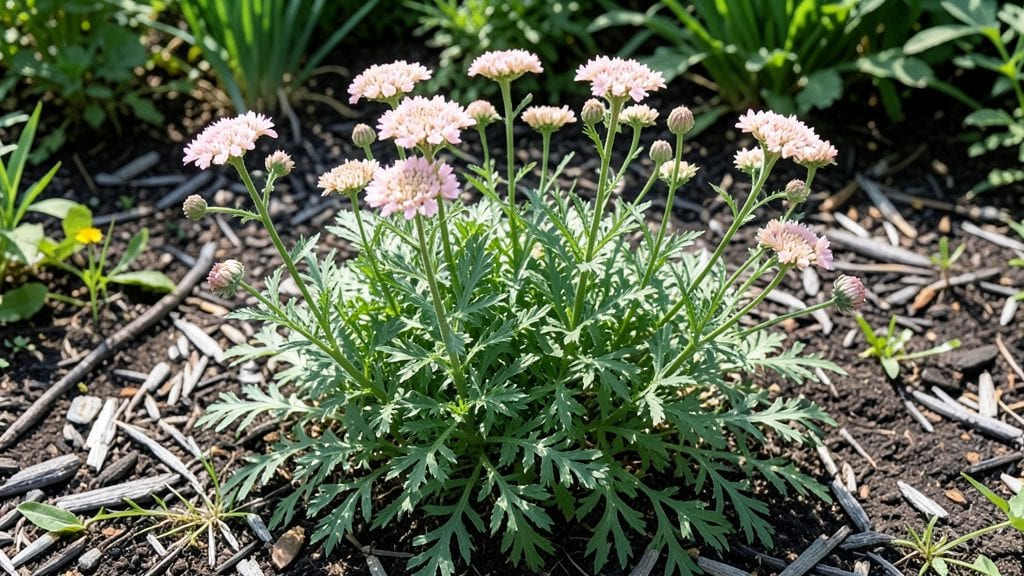
Pink yarrow flowers are the Pacific Northwest’s secret weapon for vibrant pollinator gardens that hum with life. 🌸 I first fell for them when they transformed a dull border into a cloud of soft pink, drawing bees and butterflies like a magnet.
Their fern-like foliage and flat clusters of tiny blossoms create movement in the garden, catching sunlight in ways solid blooms never do.
The real magic happens when you pair them with native companions like salmon-colored penstemon or lavender-blue lupines. In cottage-style gardens, they soften the edges of paths, while in modern designs, their airy texture contrasts beautifully with bold purple coneflowers.
The key is spacing them 18-24 inches apart—close enough to form a lush carpet, but far enough to let their delicate stems sway in the breeze.
What you’ll love most is how they perform all season long. Early blooms in June attract mason bees, while late-season flowers feed monarchs migrating south. By autumn, their seed heads add texture to winter arrangements, and the roots—yes, the roots—even support soil microbes that keep your garden thriving.
It’s the kind of plant that makes neighbors stop and ask, “What’s that called?”
Perfect for sunny borders, meadow-style plantings, or even container gardens. We’ll show you how to weave them into your design without overpowering other stars—because the best gardens feel effortless, even when they’re packed with pollinators. Let’s get planting!
📚 In This Guide
- What you need
- Instructions
- Tips and common mistakes
- Wrapping up and next steps
What you need
- ● Yarrow pink flower seeds or plants: Seeds: 1–2 oz (30–60g) per 100 sq ft (for scattered planting) or 50–100 seeds per container (6–8" pots).
- ● Plants: 5–10 mature plants per 100 sq ft (spacing 12–18" apart).
- ● Well-draining soil: Mix Achillea millefolium (yarrow) thrives in loamy, slightly alkaline soil (pH 6.0–7.5). Amend clay soil with compost or perlite (1 part compost to 3 parts soil).
- ● Sunlight access: Full sun (6+ hours daily) is a must—yarrow wilts in shade!
- ● Watering can or hose: With a fine-mist nozzle for gentle hydration.
- ● Garden tools: Trowel (for transplanting seedlings).
- ● Pruners (sharp, bypass-style for deadheading).
- ● Gloves (to protect hands from Achillea’s feathery foliage).
- ● Mulch: Organic mulch (e.g., straw or shredded bark) to retain moisture and suppress weeds (2–3" layer).
- ○ Fertilizer (optional): Low-phosphorus, balanced fertilizer (10-10-10) or compost tea at planting time (skip if soil is rich).
- ● Pollinator-friendly companions: Native wildflowers (e.g., Lavandula, Echinacea).
- ● Herbs like thyme or rosemary (drought-tolerant pals!).
- ● Pest control (rare but helpful): Neem oil (for aphids or spider mites).
- ● Ladybugs (natural predators—release in the evening!).
Step-by-step instructions for cultivating yarrow pink flowers
Here's how to grow this hardy pollinator magnet in your Pacific Northwest garden—with minimal fuss.
🌱 Step 1: Select the Perfect Planting Site
Yarrow thrives in full sun (at least 6 hours daily), but in the Pacific Northwest's cooler climate, morning sun with afternoon shade works well too. Choose a spot with well-draining soil—this plant despises soggy roots. I always test drainage by digging a 6-inch hole, filling it with water, and waiting to see if it drains within 30 minutes. If not, amend with 1-2 inches of compost or plant on a slight mound.
Yarrow tolerates poor soil but rewards you with more vibrant pink blooms when given fertile, slightly alkaline soil (pH 6.0-7.5). If your soil is acidic, mix in crushed limestone at planting time. The plant's deep roots mean it competes well with weeds, so avoid over-tilling—just clear debris before planting.
🌿 Step 2: Plant at the Right Time and Depth
For Pacific Northwest gardens, plant yarrow crowns in early spring (March-April) or early fall (September-October) to establish roots before summer heat. Dig a hole twice as wide as the root ball but only as deep as the top of the crown—burying too deep suffocates the plant. Gently loosen the roots if they're pot-bound before placing them in the hole.
Space plants 18-24 inches apart for full, bushy growth. Press soil firmly around the base to eliminate air pockets, then water deeply to settle everything. You'll see new growth within 2-3 weeks—that's your sign the plant has rooted successfully. Mulch lightly with 2 inches of organic mulch (like straw or wood chips) to retain moisture and suppress weeds, but keep mulch 2 inches away from the crown to prevent rot.
☀️ Step 3: Water and Maintain for Optimal Growth
Yarrow is drought-tolerant once established, but young plants need regular watering (every 5-7 days) until they root deeply. Water at the base (not overhead) to prevent fungal diseases. You'll know it's time to water when the top 2 inches of soil feel dry—stick your finger in to check. Overwatering is the biggest mistake; yarrow's deep roots signal when they need moisture.
Cut back spent flower stems after blooming to encourage a second flush of flowers later in the season. I always leave a few seed heads for pollinators, but remove them if they look diseased. Fertilize lightly in early spring with a balanced 10-10-10 fertilizer—yarrow doesn't need much, but a little boost keeps blooms vibrant. Avoid high-nitrogen fertilizers, which promote leafy growth at the expense of flowers.
✂️ Step 4: Divide and Propagate for Long-Term Abundance
Every 3-4 years, yarrow forms dense clumps that benefit from division. In early spring or fall, dig up the entire plant and separate crowns with a sharp knife. Replant the divisions immediately, as they dry out quickly. This ensures vibrant pink blooms and prevents the center from dying out. I divide mine in March—just as new growth begins—to give roots time to establish before summer.
Yarrow also spreads via seeds, but saved seed may not produce true pink flowers. If you want consistent color, divide plants every few years rather than relying on self-seeding. Deadhead spent blooms if you don't want volunteers popping up elsewhere—though I often let a few go wild for pollinators.
Tips & tricks for perfect yarrow pink flowers
Here's what I've learned after growing these vibrant pollinator magnets for years in Pacific Northwest gardens.
Soil Preparation Secret: Don't just test drainage—also check soil pH using a simple test kit from your garden center. Yarrow's pink blooms really pop when soil pH is between 6.0-7.5. If your soil tests acidic, mix in crushed limestone at planting time (about 1/2 cup per hole) to create that perfect slightly alkaline environment. The difference in bloom intensity is dramatic!
Timing Tip for Pacific Northwest: The 6 hours of daily sun requirement is your baseline, but in our cooler climate, morning sun with afternoon shade actually produces healthier plants. I've noticed that afternoon shade prevents the leaves from scorching while still giving you those vibrant pink flowers. Position your plants where they get morning sun and afternoon dappled light for best results.
Root Health Watch: When testing drainage in that 6-inch hole, pay attention to how quickly water drains. If it takes longer than 30 minutes, you're risking root rot. I've found that amending with 1-2 inches of compost not only improves drainage but also provides essential nutrients for those deep roots. This small step makes a big difference in plant longevity.
Division Strategy: That 3-4 year division schedule is perfect for maintaining vibrant pink blooms. I divide mine in March when new growth just begins—this gives roots time to establish before summer heat. Pro tip: Use a sharp knife to separate crowns cleanly, and replant divisions immediately. The key is keeping those roots moist during the first week after transplanting.
Pro Tips for Yarrow Pink Flowers
- Here's what I've learned after growing these vibrant pollinator magnets for years in Pacific Northwest gardens.
- Soil Preparation Secret: Don't just test drainage—also check soil pH using a simple test kit from your garden center.
- Timing Tip for Pacific Northwest: The 6 hours of daily sun requirement is your baseline, but in our cooler climate, morning sun with afternoon shade actually produces healthier plants.
Frequently asked questions
When is the best time to plant yarrow pink flowers?
Yarrow thrives when planted in early spring or fall—just as temperatures stabilize. Avoid extreme heat or frost, which can stress seedlings. For the PNW’s mild climate, March–April or September–October are ideal. If planting in summer, keep soil moist and mulch to retain moisture.
Do yarrow pink flowers attract pollinators year-round?
While yarrow blooms from late spring to early fall, its flat-topped clusters are a magnet for bees, butterflies, and beneficial wasps during peak bloom. For extended pollinator support, pair it with long-blooming natives like bee balm or coneflowers. Deadheading spent blooms can encourage a second flush of flowers.
Why aren’t my yarrow pink flowers blooming?
Common culprits include over-fertilizing (yarrow prefers lean soil), crowding (thin plants if overgrown), or poor sunlight (6+ hours of sun is a must). Check for pests like aphids or powdery mildew, which can stress plants. If established yarrow skips blooms, try pruning back ⅓ in early spring to stimulate new growth.
Can I grow yarrow pink flowers in containers?
Yarrow adapts well to containers with well-draining soil and a pot at least 12 inches deep. Choose a sunny spot and water when the top inch of soil dries out. Dwarf varieties like ‘Moonshine’ (silver foliage) are perfect for pots. Just avoid overwatering—yarrow hates soggy roots!
What’s a great alternative if I want pink flowers but yarrow isn’t working?
Try these PNW-friendly pink pollinator favorites:
- Pink columbine (Aquilegia formosa) – Hummingbird magnet, shade-tolerant.
- Pink penstemon (Penstemon eatonii) – Drought-resistant, thrives in rocky soil.
- Pink paintbrush (Castilleja) – Native, low-maintenance, and vibrant.
- Pink bee balm (Monarda didyma) – Fragrant and long-blooming.
Pro Tip:
For maximum pollinator impact, plant yarrow in clusters of 3+ plants and group with other nectar-rich flowers. The PNW’s native bees love yarrow’s flat clusters—just watch them go wild!
Wrapping up and next steps
Yarrow’s vibrant pink blooms aren’t just a sight for sore eyes—they’re a lifeline for pollinators in the Pacific Northwest! From their hardy growth habits to their role in supporting bees and butterflies, these flowers prove that beauty and biodiversity go hand in hand.
Whether you’re a gardener, eco-warrior, or simply a nature lover, adding yarrow to your space is a small but mighty step toward a thriving ecosystem.
Ready to plant the seeds of change? 🌱 Start by grabbing a packet of yarrow seeds or seedlings, picking a sunny spot in your garden, and let these pollinator powerhouses do their magic. Your local bees—and your garden—will thank you!