Flowers
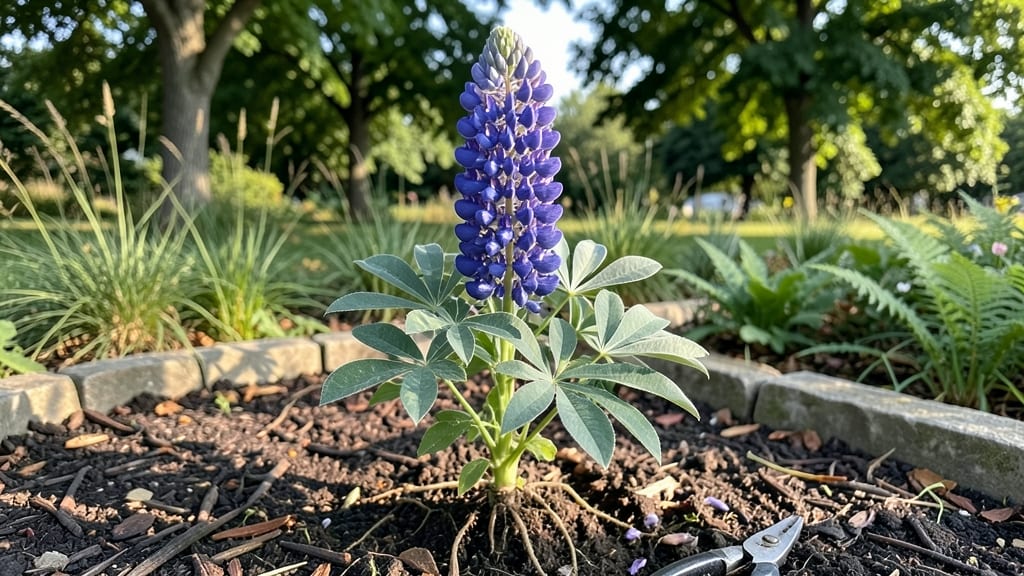
Lupine-like flowers bring the Pacific Northwest’s wild beauty into your garden with their striking spires and vibrant colors. 🌿 These pollinator magnets—delphiniums, baptisia, and lupine hybrids—stand tall at 3-6 feet, making them perfect for borders or cottage-style gardens where they can dominate the scene.
Their deep blues, purples, and occasional whites create a dramatic backdrop that draws bees, butterflies, and hummingbirds all summer long.
Pair them with shorter perennials like lavender, catmint, or salvia to create layered textures and extended bloom times. In formal gardens, their height works beautifully against boxwood hedges, while wildflower meadows let them shine as the star.
Just place them where they’ll get full sun to partial shade—their natural habitat in the PNW thrives in moist but well-drained soil.
You’ll love how they transform a space with their bold vertical lines and seasonal punch. Start with a few plants in clusters of three or five for maximum impact, and watch your garden become a buzzing, blooming paradise.
The best part? They’re low-maintenance once established, so you can enjoy their drama without the fuss.
For cottage gardens, mix them with peonies and daylilies for a romantic, layered look. In modern designs, their height and color contrast beautifully with grasses and ornamental kale. Whether you’re going for wild or refined, these lupine-like flowers deliver year after year with minimal effort.
📚 In This Guide
- What you need
- Instructions
- Tips and common mistakes
- Wrapping up and next steps
What you need
- ● Seeds: Choose Lupinus polyphyllus (silver lupine), Lupinus nootkatensis (Arctic lupine), or hybrid varieties. Start with 10–20 seeds for a small patch or 50+ seeds for a bold display.
- ● Well-draining soil: Mix 1 part native soil with 1 part compost and 1 part coarse sand or perlite (critical for preventing root rot!). Aim for a pH of 6.0–7.0.
- ● Sunlight: A full-sun to partial-sun spot (6+ hours of sunlight daily). Lupines thrive in USDA Zones 3–9.
- ● Water: A watering can or hose with a gentle spray nozzle (avoid overhead watering to prevent fungal issues).
- ● Garden gloves (to protect hands from fine seed coatings and prickly stems).
- ● Trowel or hand fork (for transplanting seedlings or loosening soil).
- ○ Mulch (optional): Use 2–3 inches of wood chips or straw to retain moisture and suppress weeds (apply after germination).
- ○ Fertilizer (optional): A low-phosphorus, nitrogen-rich fertilizer (like fish emulsion) can boost early growth, but lupines are not heavy feeders.
- ○ Stakes or cages (optional): Tall varieties (Lupinus arboreus) may need bamboo stakes or tomato cages for support.
Step-by-Step guide to cultivating Pacific Northwest pollinator-friendly lupine-like flowers
Here's how to establish a thriving display of lupine-like perennials that will transform your garden into a buzzing haven.
🌱 Step 1: Select and Prepare the Planting Site
Choose a location with full sun to partial shade—most Pacific Northwest lupine relatives thrive in 6-8 hours of sunlight daily. These plants adore well-draining soil with a slightly acidic to neutral pH (6.0-7.0). If your soil is heavy clay, amend it with 2-3 inches of compost mixed into the top 12 inches of soil to improve drainage and fertility.
Loosen the soil to a depth of 12-15 inches using a broadfork or tiller. This breaks up compacted layers and encourages deep root growth. The key is creating a loose, airy medium that mimics their natural woodland or meadow habitats. If planting on a slope, consider terracing to prevent erosion and water runoff.
🌿 Step 2: Plant Bare-Root or Container-Grown Specimens
For bare-root plants, soak the roots in lukewarm water for 1-2 hours before planting to rehydrate them. Dig a hole twice as wide as the root ball but no deeper—these plants hate being buried too deeply. Gently spread the roots outward in the hole, ensuring they're not curled or folded.
For container-grown plants, remove them from the pot and tease apart any circling roots. Place the plant in the hole so the top of the root ball sits ½ inch below soil level. This prevents stem rot while allowing roots to establish. Backfill with native soil mixed with 1 part compost to encourage microbial activity in the root zone.
💧 Step 3: Establish Watering and Mulching Routine
Water deeply immediately after planting to eliminate air pockets and settle the soil around roots. Provide 1-2 inches of water weekly during the first growing season, allowing the top 2-3 inches of soil to dry between waterings. Overwatering suffocates roots, while underwatering stresses plants during establishment.
Apply a 3-inch layer of organic mulch (such as wood chips or straw) around each plant, keeping it 4 inches away from stems to prevent rot. Mulch conserves moisture, regulates soil temperature, and suppresses weeds. Replenish mulch annually as it breaks down, which also adds organic matter to the soil.
☀️ Step 4: Provide Seasonal Care for Optimal Growth
In early spring, apply a balanced, slow-release fertilizer (10-10-10) at half-strength to encourage vigorous foliage growth. These plants are light feeders, so avoid heavy applications that promote excessive leafy growth at the expense of flowers. Monitor for powdery mildew—common in humid Pacific Northwest summers—and treat with neem oil if needed.
Deadhead spent blooms by cutting stems back to the first set of healthy leaves after flowering. This redirects energy to root and foliage growth for next season. In late fall, cut back stems to 6-8 inches tall to maintain plant health and reduce disease risk. Most lupine-like perennials are hardy to USDA Zone 5, so winter care is minimal beyond protecting young plants with a light mulch layer.
⏰ Step 5: Encourage Pollinators and Long-Term Establishment
Leave some seed pods on the plants to provide food for birds and small mammals. If you prefer to collect seed, allow pods to dry on the plant before harvesting. Scatter seeds in disturbed areas to naturalize your garden—these plants readily self-seed in favorable conditions.
After three years, established plants require minimal intervention. They develop deep taproots that make them highly drought-tolerant once established. Group plants in odd-numbered clusters (3, 5, or 7) for visual impact and to create continuous blooming periods from late spring through early summer.
Tips & tricks for perfect lupine-like flower cultivation
Here's what I've learned from years of growing these Pacific Northwest pollinator magnets—tricks that'll help your lupine-like flowers thrive from the very first planting.
Soil Preparation Secret: In Step 1, when amending heavy clay with compost, go beyond the 2-3 inches recommendation if possible. I've found that adding an extra inch of compost to the top 12 inches of soil creates an even more ideal root environment. This extra effort pays off in the second year when roots establish their deep taproot systems. For clay-heavy soils, consider mixing in some coarse sand to improve drainage further.
Root Handling Technique: When planting bare-root specimens in Step 2, don't rush the root-soaking process. The 1-2 hours is perfect, but if your roots look particularly dry or woody, extend this to 3 hours. I learned this the hard way—rushed planting leads to poor establishment. Also, make sure your lukewarm water is truly lukewarm (around 70°F)—cold water can shock delicate roots while hot water can damage them.
Watering Wisdom: The 1-2 inches weekly guideline in Step 3 is excellent, but timing matters just as much. Water in the early morning so foliage has all day to dry, preventing fungal issues. I've noticed that watering in the evening can lead to powdery mildew problems, especially in the humid Pacific Northwest summers. A drip irrigation system set on a timer is my preferred method—it delivers water directly to the roots without wetting the leaves.
Long-Term Planning: For maximum pollinator impact, consider planting in odd-numbered clusters as mentioned in Step 5. But here's a pro tip: stagger your planting dates by 2-3 weeks for different lupine varieties. This creates a continuous blooming season from late spring through early summer, giving pollinators a non-stop buffet. Just make sure each variety gets its own dedicated planting area to prevent cross-pollination if you're saving seeds.
Pro Tips for Lupine Like Flowers
- Here's what I've learned from years of growing these Pacific Northwest pollinator magnets—tricks that'll help your lu...
- Soil Preparation Secret: In Step 1, when amending heavy clay with compost, go beyond the 2-3 inches recommendation if...
- Root Handling Technique: When planting bare-root specimens in Step 2, don't rush the root-soaking process. The 1-2 ho...
Frequently asked questions
What’s the easiest way to grow lupine-like flowers in my garden?
Start with Lupinus polyphyllus (a classic PNW favorite) or Lupinus nootkatensis (Nootka lupine) for low-maintenance beauty. Plant seeds in well-draining soil in early spring, keep them moist until germination (4–6 weeks), and choose a sunny spot. Pro tip: Mix seeds with sand—they’re tiny and need light to sprout!
How long does it take for lupine-like flowers to bloom after planting?
First-year plants focus on root growth, so you’ll likely see blooms in their second year (spring to early summer). For faster color, buy established nursery plants—they may flower the same season! Patience pays off with stunning spikes of purple, blue, or yellow.
Are lupine-like flowers really great for pollinators? What bugs love them?
These flowers are powerhouses for bees, butterflies, and hummingbirds. Native bees (like bumblebees) adore their nectar, while monarchs and swallowtails feast on the foliage. Bonus: They’re drought-tolerant once established, making them a low-water win for wildlife.
Can I grow lupine-like flowers in containers or small spaces?
Yes! Dwarf varieties like Lupinus ‘Russell Hybrid’ (2–3 ft tall) thrive in containers with well-draining soil and regular watering. Use pots at least 12 inches deep, and pair them with companions like lavender or catmint to save space. Warning: Avoid overcrowding—they need airflow!
Why aren’t my lupine-like flowers blooming this year?
Common culprits: too much nitrogen (fertilizer can prevent blooms), overcrowding, or poor drainage. Try deadheading spent blooms to encourage more flowers, and ensure they get full sun (6+ hours/day). If roots are soggy, amend soil with compost for better drainage.
What are some great alternatives if lupine-like flowers don’t thrive in my area?
Try these PNW-friendly pollinator stars:
- Ceanothus (California lilac): Drought-tolerant and bee-magnet
- Eschscholzia californica (California poppy): Bright, easy, and annual
- Penstemon (beardtongue): Hummingbird favorite with vibrant blooms
- Lavandula (lavender): Fragrant and low-maintenance
Wrapping up and next steps
From their striking beauty to their vital role in supporting pollinators, lupine-like flowers are true gems of the Pacific Northwest! 🌸 Whether you're a gardener eager to attract bees and butterflies or simply admiring nature’s artistry, these hardy blooms offer endless inspiration.
Ready to dive deeper? Start small—plant a few seeds or visit a local botanical garden to witness their magic firsthand. Your garden (and pollinators!) will thank you.