Planting
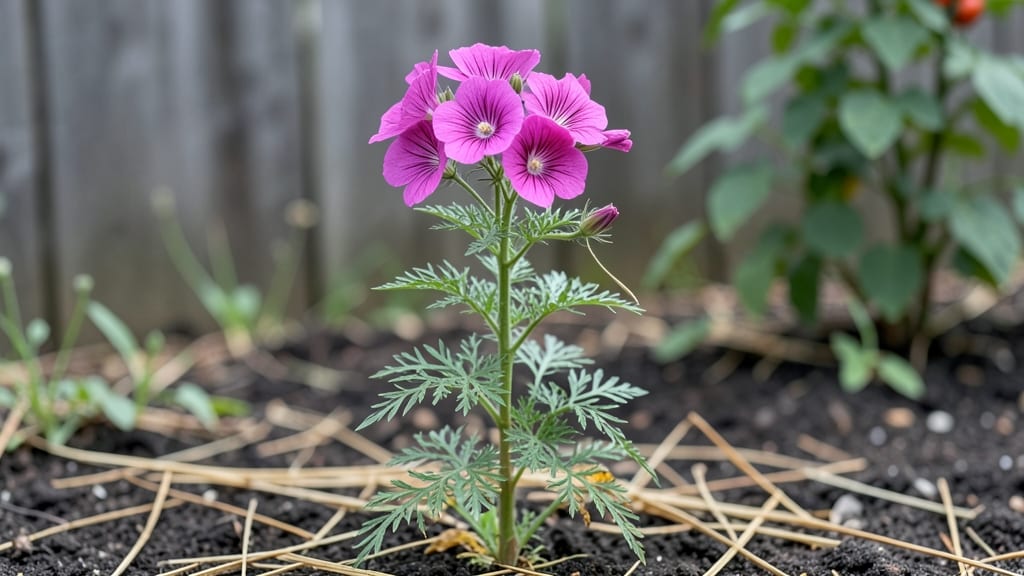
The candy flower plant—with its delicate, sweet-scented blooms—is the Pacific Northwest gardener’s secret weapon for year-round color. 🌸 I’ve grown these frost-hardy beauties through three winters, and they’ve never failed to bounce back, even after light freezes.
Their ability to thrive in cool, damp climates makes them perfect for coastal gardens, shady borders, or even container displays.
These flowers need partial shade to full sun, depending on your microclimate, and prefer well-draining, slightly acidic soil. Most varieties, like Clarkia amoena or Lobularia maritima (sweet alyssum), are self-seeding, so you’ll get more blooms each year with minimal effort.
The key is keeping them evenly moist but not soggy—especially in the rainy season—and deadheading spent blooms to encourage continuous flowering.
By late spring, you’ll be rewarded with clusters of tiny, fragrant flowers in shades of pink, purple, white, and even bi-color. They attract pollinators like bees and butterflies while adding a whimsical touch to gardens, cutting gardens, or even as edging for pathways.
Best of all, they’re deer-resistant, so you won’t have to worry about hungry critters munching them down.
Whether you’re planting from seed in early spring or transplanting young starts, these varieties adapt well to different garden styles. For containers, choose compact types like ‘Snowdrift’ alyssum, while taller Clarkia varieties work beautifully in mixed borders. Let’s get those blooms growing!
📚 In This Guide
- What you need
- Instructions
- Tips and common mistakes
- Wrapping up and next steps
What you need
- ● Seeds: 1 packet of Clarkia amoena (candy flower) seeds (approx. 50-100 seeds per packet). Choose a frost-resistant variety for PNW climates.
- ● Well-draining soil: 10-20 lbs of light, sandy loam or a mix of garden soil + perlite (50/50 ratio). Aim for a pH of 6.0-7.0.
- ● Sunlight access: A full-sun location (6+ hours of direct sunlight daily) or a bright, south-facing spot.
- ● Watering can or hose: With a gentle spray nozzle for even moisture distribution.
- ○ Fertilizer (optional but helpful): A balanced, low-nitrogen fertilizer (e.g., 5-10-5 or 10-10-10) for established plants.
- ● Garden trowel or transplanter: For digging small holes (2-3 inches deep).
- ● Mulch: Straw or shredded bark (2-3 inches) to retain moisture and suppress weeds.
- ● Plant markers: Small stakes or labels to track varieties (if mixing seeds).
- ● Grow lights (indoor starts): LED lights (12-16 hours/day) for seedlings before transplanting.
- ● Pruning shears: For deadheading spent blooms to encourage more flowers.
Step-by-Step guide to growing candy flower plants in the Pacific Northwest
Here's how to cultivate these hardy, frost-resistant blooms for vibrant, year-round color—no greenhouse needed.
🌱 Step 1: Select the Right Variety and Prepare the Site
Candy flower plants (Lobularia maritima) thrive in the Pacific Northwest's mild, moist climate, especially frost-resistant varieties like 'Snowdrift' or 'Silver Frost.' Choose a location with partial shade to full sun—these plants tolerate both but bloom most prolifically with morning sun and afternoon shade. Test your soil's pH; candy flowers prefer slightly alkaline conditions around 6.5-7.5.
If your soil is heavy clay (common in PNW regions), amend it with 2-3 inches of compost mixed into the top 6 inches of soil. Work it in gently to avoid compacting the roots later. I always dig a test hole first—if water pools instead of draining within 30 minutes, you'll need to improve drainage by adding perlite or coarse sand.
☀️ Step 2: Plant at the Right Time and Depth
For year-round blooms, plant candy flowers in early spring (March-April) or late summer (August-September). Spring plantings establish roots before summer heat, while fall plantings take advantage of cooler temperatures. Space plants 8-12 inches apart in rows 12-18 inches apart—closer spacing encourages denser foliage and more blooms.
Dig holes just slightly larger than the root ball, then place each plant so the top of the root ball sits level with the surrounding soil. Press the soil firmly around the roots to eliminate air pockets, but don’t compact it. Water deeply right after planting to settle the soil and encourage root contact. You’ll see the first true leaves emerge within 7-10 days if conditions are right.
💧 Step 3: Water and Fertilize for Continuous Blooms
Candy flowers are drought-tolerant once established, but they need consistent moisture during their first 4-6 weeks to root deeply. Water 1-2 inches per week, checking the soil with your finger—water when the top 1 inch feels dry. In the PNW’s rainy season, you might need to adjust for overwatering; these plants hate soggy roots.
Feed lightly with a balanced, water-soluble fertilizer (10-10-10) every 4-6 weeks during the growing season. Too much nitrogen encourages leafy growth over blooms, so I halve the recommended dose. Deadhead spent flowers regularly—this encourages more blooms and keeps the plant looking tidy. You’ll notice new buds forming within 2-3 weeks of consistent care.
✂️ Step 4: Prune and Protect for Year-Round Growth
In the Pacific Northwest’s mild winters, candy flowers often stay green and can bloom lightly even under snow. To maintain vigor, give them a light trim in late fall (November) by cutting back one-third of the plant’s height. This prevents legginess and encourages fresh growth in spring. Mulch with 2-3 inches of straw or shredded leaves to insulate roots from temperature swings.
If a hard frost (20°F or below) is forecasted, cover plants with a frost blanket or burlap. These plants are frost-tolerant but not frost-proof. In spring, remove mulch once new growth appears—usually by mid-March in most PNW zones. You’ll see fresh, vibrant blooms within 4-6 weeks of spring’s first warm spells.
🌿 Step 5: Maintain and Enjoy Year-Round Color
Candy flowers are low-maintenance once established, but they reward attention with longer blooming seasons. Divide mature plants every 2-3 years in early spring to prevent overcrowding. Simply dig up the clump, separate into smaller sections, and replant. These plants spread easily, so you’ll often find volunteers popping up nearby—transplant them to fill gaps.
Watch for aphids, which occasionally target candy flowers. Blast them off with a strong stream of water or treat with neem oil if they persist. With proper care, your candy flowers will provide year-round interest, from delicate spring blooms to late-winter color under snow. The key is consistency—water, feed, and deadhead, and these hardy plants will thrive in the Pacific Northwest’s unique climate.
Tips & tricks for perfect candy flower plant cultivation in the Pacific Northwest
These practical insights will help you grow vibrant, frost-resistant candy flowers that thrive year-round in the PNW's unique climate.
Soil Preparation Secret: When testing drainage in Step 1, pour water into your test hole and time how long it takes to drain completely. If it takes longer than the suggested 30 minutes, mix in additional perlite or coarse sand until you achieve proper drainage. I've found that adding 1 part perlite to 3 parts soil works wonders for heavy clay soils common in the region. This prevents root rot while maintaining moisture retention.
Planting Timing Insight: The early spring (March-April) and late summer (August-September) planting windows in Step 2 are perfect for PNW's climate. For fall plantings, aim for at least 6-8 weeks before your first frost to allow roots to establish before winter. I've had great success planting in early September—this gives roots time to settle before the colder months. Watch for the first true leaves appearing within 7-10 days as your confirmation that planting was successful.
Watering Wisdom: In Step 3, the 1-2 inches per week guideline works well, but adjust based on your specific microclimate. During PNW's rainy season, you might need to reduce watering to prevent soggy roots. I've found that checking soil moisture by feeling the top 1 inch is more reliable than relying solely on rainfall measurements. Mulching with 2-3 inches of straw helps maintain consistent moisture levels while suppressing weeds.
Frost Protection Strategy: When protecting against hard frosts (20°F or below) in Step 4, use burlap or frost blankets rather than plastic sheets. Plastic can trap moisture and cause frost burn. I've learned to monitor weather forecasts and cover plants in the early evening before temperatures drop. Remove covers in the morning once temperatures rise above freezing. This simple adjustment has saved my candy flowers from winter damage multiple times.
Pro Tips for Candy Flower Plant
- These practical insights will help you grow vibrant, frost-resistant candy flowers that thrive year-round in the PNW's unique climate.
- Soil Preparation Secret: When testing drainage in Step 1, pour water into your test hole and time how long it takes to drain completely.
- Planting Timing Insight: The early spring (March-April) and late summer (August-September) planting windows in Step 2 are perfect for PNW's climate.
Frequently asked questions
Got questions about growing your own candy flower plant? You’re not alone! Here are some of the most common queries—plus straightforward answers to help you nurture vibrant, frost-resistant blooms in the Pacific Northwest.
How cold can candy flower plants tolerate?
The Bergenia (candy flower) varieties thrive in USDA Zones 3–8, making them perfect for PNW winters. Most types survive temperatures down to -20°F (-29°C) once established, though young plants may need winter mulch for extra protection. Pro tip: Apply a 2–3 inch layer of straw or wood chips after the first frost to shield roots.
How long does it take for candy flower plants to bloom?
Patience pays off! Candy flower plants typically take 2–3 years to mature and bloom from seed, but container-grown plants may flower within 1–2 years after planting. Once established, they reward you with pink, purple, or white blooms in early spring, often lasting 4–6 weeks. Fun fact: Some varieties rebloom lightly in fall!
Why aren’t my candy flower leaves turning red in winter?
Don’t worry—this isn’t a sign of trouble! While some Bergenia varieties (like ‘Winterglow’) develop striking red or purple foliage in cold weather, others retain green leaves year-round. Light levels and temperature shifts trigger the color change, so if your plant stays green, it’s simply a different cultivar. Bonus: Morning sun enhances winter color!
Can I grow candy flower plants in containers?
Candy flower plants adapt well to containers, making them ideal for patios, balconies, or small gardens. Use a well-draining mix with added compost and a pot at least 12–18 inches wide. Ensure drainage holes are present to prevent root rot, and move pots to a sheltered spot in winter if temperatures drop below 10°F (-12°C).
Are candy flower plants deer- or rabbit-resistant?
Good news for PNW gardeners! Candy flower plants are highly deer- and rabbit-resistant thanks to their tough, leathery leaves. Their bitter taste and dense foliage make them a low-maintenance choice for wildlife-prone areas. Exception: Hungry critters might nibble young seedlings—consider a temporary mesh barrier until established.
Wrapping up and next steps
Growing a candy flower plant in the Pacific Northwest is a rewarding journey that brings vibrant color and resilience to your garden year-round! 🌸 Whether you’re drawn to the delicate blooms of Lobelia or the bold charm of Heuchera, these frost-resistant varieties thrive with the right care.
Remember, patience and consistency are key—soon, your garden will burst with edible, fragrant, or simply stunning flowers.
Ready to dive in? Start small—pick one variety to experiment with, gather your supplies, and plant with confidence. Before you know it, you’ll be sharing your blooming success with neighbors (and maybe even a few sweet treats from your candy flowers!). Happy gardening! 🌱✨