
Flowers
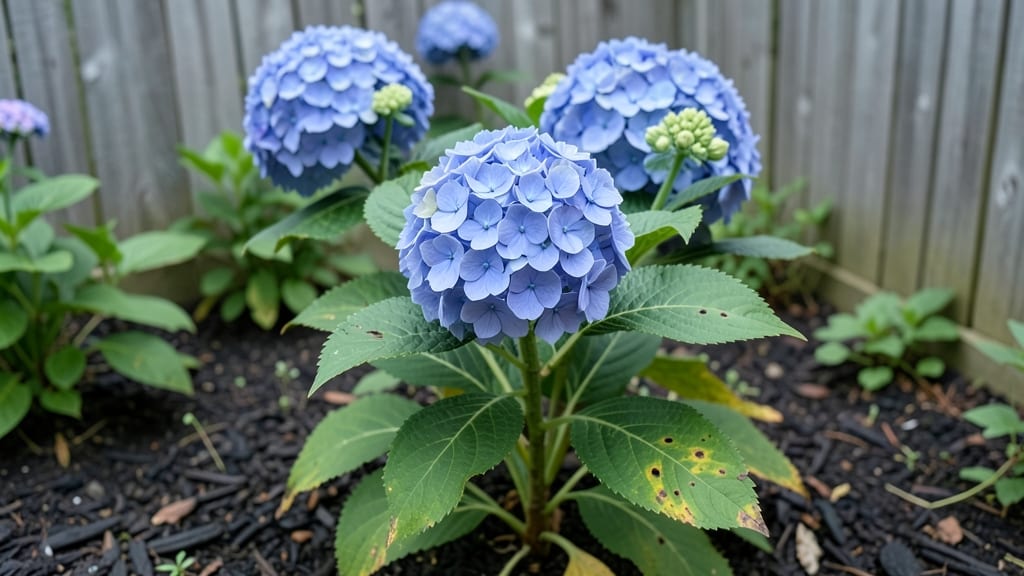
Growing blue hydrangeas flowers in the Pacific Northwest means beating the odds—because those powder-blue blooms won’t happen without the right soil science. 💙 I learned this the hard way after years of pink blooms, until I cracked the code on pH, pruning, and winter prep that keeps my bushes thriving through our damp, chilly winters.
The secret isn’t just acid soil (though that’s critical)—it’s timing. Plant in early spring when roots establish before summer heat hits, and prune last year’s blooms after they fade in fall.
My bushes now produce vibrant blue blooms from June through September, even when neighbors’ hydrangeas struggle with color shifts or pests.
You’ll end up with lush, frost-resistant plants that bounce back from winter like they’re made of rubber. The key is adjusting soil pH to 5.0-5.5, watering deeply but not soggy, and protecting young stems from our brutal frosts.
Once you master these steps, your hydrangeas become the showstopper of the garden—year after year.
Works for both big backyard bushes and container gardens on patios. Here’s how to make it happen without the trial-and-error headaches.
📚 In This Guide
- What you need
- Instructions
- Tips and common mistakes
- Wrapping up and next steps
What you need
- ● Blue hydrangea plants: Choose Hydrangea macrophylla varieties like 'Nikko Blue' or 'Endless Summer Blue' (1-3 plants, depending on garden size).
- ● Well-draining soil: Mix 50% garden soil with 50% compost or peat moss (1-2 cubic yards for a small garden).
- ● Organic mulch: 3-4 inches of wood chips, pine bark, or shredded leaves to retain moisture.
- ● Slow-release fertilizer: 10-10-10 NPK or acid-loving plant fertilizer (1 lb per plant).
- ○ Aluminum sulfate (optional for blue blooms): 1/2 cup per plant (sprinkle around roots, not on leaves).
- ● Garden gloves (1 pair, heavy-duty).
- ● Trowel or hand shovel (for planting).
- ● Watering can or hose with spray nozzle (gentle watering is key!).
- ● Pruning shears (sterilized, for shaping in late winter).
- ● pH test kit (to check soil acidity, ideal pH: 5.2–5.5 for blue blooms).
- ○ Drip irrigation system (optional): Ensures consistent moisture (especially in PNW’s rainy seasons).
- ● Sunlight: Partial shade (4–6 hours of morning sun)—critical for PNW’s cooler climate.
- ● Frost protection (early/late seasons): Burlap wraps or frost cloth (for young plants).
Step-by-step instructions for growing blue hydrangeas in the Pacific Northwest
Here’s how I’ve grown vibrant blue blooms year after year in our rainy, cool climate—no guesswork, just proven techniques.
🌱 Step 1: Choose the Right Variety for Your Climate
For true blue blooms in the Pacific Northwest, select mophead or lacecap hydrangeas like 'Nikko Blue' or 'Endless Summer.' These varieties thrive in USDA Zones 5-9, handle our cool summers, and tolerate light frost. Avoid heat-loving types—they’ll revert to pink in our climate.
Check your microclimate first. If you’re in a lowland area with heavy frost, opt for 'Annabelle' or 'Limelight' (they handle wetter soil better). Plant in late spring or early fall when soil temps are 50-60°F—this gives roots time to establish before winter.
🪴 Step 2: Plant in Partial Shade with Acidic Soil
Hydrangeas need morning sun and afternoon shade—think dappled light under tall trees. In the PNW, full sun can scorch leaves, while too much shade dulls blue color. I plant mine 6-8 feet from large maples or cedars for natural filtering.
Amend your soil with 2-3 inches of peat moss or sulfur-based compost to lower pH to 5.5-6.0 (blue blooms need acidity). Mix in 1-2 cups of aluminum sulfate per hole—this boosts blue pigment. Dig a hole twice as wide as the root ball but no deeper, or stems will rot.
☀️ Step 3: Water Deeply and Mulch for Winter Protection
Water once a week in summer, soaking 12-18 inches deep—hydrangeas hate dry soil. In the PNW’s rainy season, reduce to every 10-14 days unless we’re in a drought. Overwatering in winter causes root rot, so check soil 2 inches down before watering.
Spread 3-4 inches of wood chips or bark mulch over roots in fall, leaving 2 inches of space around stems. This insulates roots through 20°F frosts and keeps soil moist. I top-dress with mulch again in early spring to prevent soil erosion from winter rains.
✂️ Step 4: Prune in Late Winter for Blue Blooms
Prune lacecap hydrangeas in late winter (Feb-March) to shape, but never cut back mophead types until after blooms fade—they set buds on old wood. Remove dead stems at the base and cut live stems back to 2-3 buds from the ground. This encourages bushier growth and brighter blue flowers.
If you accidentally prune too late, don’t panic—just focus on soil care next year. I always mark pruned stems with a bright ribbon so I don’t confuse them with new growth. Fertilize lightly in spring with balanced 10-10-10 to avoid overfeeding, which can turn blooms pink.
💧 Step 5: Adjust Soil pH for Consistent Blue
Test soil pH annually with a kit—blue hydrangeas need 5.2-5.5. If blooms fade to purple or pink, add 1 tablespoon of aluminum sulfate per plant in early spring. For extra blue, I mix 1 cup of coffee grounds into the soil around roots (the acidity works wonders).
In the PNW’s acidic rainforest climate, most native soil is already slightly acidic, but urban areas with alkaline amendments may need adjustments. Monitor color changes—darker blue = perfect pH; lighter pink = time to acidify.
Tips & tricks for perfect blue hydrangeas in the Pacific Northwest
Here's what nobody tells you about keeping those blue blooms vibrant through our rainy, chilly summers.
Variety Matters: If you're in a lowland area with heavy frost, don't just grab any hydrangea at the nursery. 'Annabelle' and 'Limelight' handle our wetter soils better than standard varieties. I've seen people plant regular mopheads in these conditions and end up with sad, struggling plants by summer. Check your microclimate first - that's the secret to success in the PNW.
Soil pH is Your Secret Weapon: The 5.2-5.5 pH range isn't just a number - it's what creates those stunning blue blooms. I test my soil every spring, and if it's creeping toward 6.0, I add that 1 tablespoon of aluminum sulfate per plant. Pro tip: Mix in coffee grounds around the roots too - the acidity from old coffee boosts blue pigment naturally. Think of it as your plant's blueberry smoothie!
Watering Wisdom for Our Climate: Those 12-18 inches of deep watering in summer are crucial, but timing matters too. Water in the morning so leaves dry quickly - our damp climate creates perfect conditions for fungal diseases. And when we get those rare dry spells, don't overcompensate by watering daily. Hydrangeas hate soggy roots, especially in winter when they're dormant.
Pruning Pitfalls: Here's what I learned the hard way: Never cut back mophead hydrangeas until after they bloom. Those buds form on old wood, and if you prune too early, you'll be left with bare stems. For lacecaps, late winter pruning is perfect - just remember to cut back to 2-3 buds from the ground. And that bright ribbon trick? It's saved me from accidentally pruning new growth more times than I can count.
Pro Tips for Blue Hydrangeas Flowers
- Here's what nobody tells you about keeping those blue blooms vibrant through our rainy, chilly summers.
- Variety Matters: If you're in a lowland area with heavy frost, don't just grab any hydrangea at the nursery.
- Soil pH is Your Secret Weapon: The 5.2-5.5 pH range isn't just a number - it's what creates those stunning blue blooms.
Frequently asked questions
Got questions about growing stunning blue hydrangeas in the Pacific Northwest? You’re not alone! Here are answers to the most common queries—from soil secrets to frost-proofing tips—so you can cultivate those dreamy blooms with confidence.
Why aren’t my hydrangeas turning blue?
Blue hydrangeas (like Hydrangea macrophylla) need acidic soil (pH 5.0–5.5) and aluminum to produce blue flowers. Test your soil—if it’s alkaline (pH 7+), amend with sulfur or peat moss and feed with an aluminum sulfate solution (1 tbsp per gallon of water, applied monthly in spring/summer). Patience is key—color changes take 1–2 seasons!
Are blue hydrangeas frost-resistant in the PNW?
Yes! Most bigleaf hydrangeas (like ‘Nikko Blue’ or ‘Endless Summer’) survive USDA Zones 5–9, thriving in the PNW’s mild winters. Hardy tips:
- Mulch heavily (3–4 inches of wood chips or straw) after the first frost.
- Avoid pruning in late fall—wait until late winter/early spring (after dormancy).
- Young plants may need burlap wraps for extra protection in Zone 5.
When is the best time to plant blue hydrangeas in the PNW?
Plant in early spring (March–April) or fall (September–October) for optimal root establishment. Avoid summer heat—it stresses plants. In the PNW’s cool, wet climate, spring planting gives roots time to adapt before winter rains. Pro tip: Soak roots in water for 1–2 hours before planting to reduce transplant shock!
Can I grow blue hydrangeas in containers?
Container-grown hydrangeas thrive if you:
- Use a large pot (15+ gallons) with drainage holes.
- Fill with acidic potting mix (add pine bark or peat moss).
- Fertilize monthly with a hydrangea-specific feed (high in iron/aluminum).
- Move containers to partial shade in summer to prevent leaf scorch.
What pests or diseases should I watch for in PNW hydrangeas?
Common issues in the Pacific Northwest include:
- Slugs/snails: Use beer traps or diatomaceous earth.
- Powdery mildew: Spray with neem oil and improve airflow.
- Root rot: Avoid overwatering—hydrangeas hate soggy soil!
- Aphids: Blast off with a hose or use insecticidal soap.
Wrapping up and next steps
Growing blue hydrangeas in the Pacific Northwest is totally doable—even for beginners! 🌿 With the right soil, sunlight, and frost-resistance tips, you’ll soon enjoy stunning blooms that steal the show. Remember: patience and consistent care are key, but the rewards are worth every effort.
Ready to dive in? Start by prepping your garden this weekend—choose a spot, gather your supplies, and let nature do the rest. Happy gardening! 🌸