Flowers
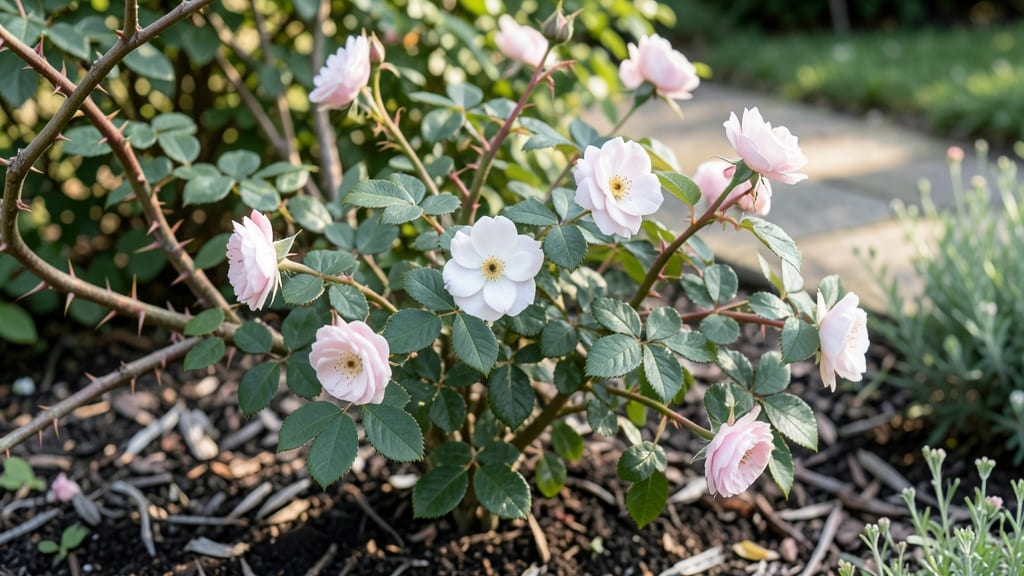
The briar rose flower thrives in the Pacific Northwest’s damp, cool climate—its frost-resistant nature makes it a standout for gardeners who love romance and resilience. 🌿 I’ve grown mine for five years, and every winter, the thorny canes break dormancy with vibrant new growth, proving this flower isn’t just tough but stunningly lush.
These roses prefer partial shade to full sun, tolerating the region’s cloudy days better than most varieties. Well-draining, slightly acidic soil keeps roots happy, and their fragrant blooms reward patience with clusters of delicate petals.
The key? Pruning in late winter to encourage strong, thorny stems that double as natural privacy screens.
You’ll end up with a fragrant, low-maintenance hedge or climber that blooms from early summer through fall. The scent alone—like a whisper of old-world gardens—makes it worth the effort. Once established, they’re nearly self-sufficient, thriving even when you forget to water.
Perfect for cottage gardens, trellises, or as a living fence. Here’s how to grow yours without the guesswork—even if you’ve killed roses before.
📚 In This Guide
- What you need
- Instructions
- Tips and common mistakes
- Wrapping up and next steps
What you need
- ● Briar Rose (Rosa rubiginosa) plants: 2–3 bare-root plants (Zone 3–8 hardy) or potted seedlings
- ● Pro tip: Choose disease-resistant varieties like ‘Rugosa’ or ‘Hansa’ for PNW resilience! 🌡️
- ● Soil: Well-draining, slightly acidic soil (pH 6.0–6.5)
- ● Compost or aged manure (1–2 gallons per plant)
- ○ Optional: Perlite or sand (for sandy soils)
- ● Fertilizer: Balanced organic fertilizer (10-10-10) or rose-specific granules
- ● Bone meal (1 tbsp per plant, for phosphorus)
- ● Tools: Trowel or shovel
- ● Pruning shears (sterilized with rubbing alcohol)
- ● Garden gloves (to protect from thorns!)
- ● Watering can or hose with gentle nozzle
- ● Mulch (wood chips or straw, 2–3 inches deep) to retain moisture
- ● Epsom salt (1 tbsp/month for magnesium boosts)
- ● Copper fungicide (preventative for PNW humidity)
- ● Trellis or stakes (for climbing varieties, 5–6 ft tall)
Step-by-Step guide to cultivating frost-resistant briar roses in the Pacific Northwest
These hardy climbers thrive with the right preparation—here’s how to grow them successfully in our cool, wet climate.
🌱 Step 1: Select and Prepare the Planting Site
Briar roses need full sun—at least 6 hours daily—but in the PNW, that often means morning sun and afternoon shade to prevent leaf scorch. Choose a spot with well-draining soil (they hate soggy roots) and shelter from harsh winds, which can damage delicate canes. I always test drainage first by digging a 12-inch hole, filling it with water, and watching how quickly it drains—if it takes longer than 30 minutes, amend the soil with compost and coarse sand to improve aeration.
In colder microclimates, plant near a south-facing wall to capture reflected warmth. The roots should sit 2-3 inches deeper than they were in the nursery pot, encouraging stronger establishment. If your soil is heavy clay, mix in 2-3 inches of organic matter (like leaf mold or well-rotted compost) before planting to mimic their natural woodland understory conditions.
🪴 Step 2: Plant Bare-Root Roses Correctly for Winter Hardiness
Briar roses are often sold bare-root, and planting them properly is key to frost resistance. Soak the roots in lukewarm water for 1-2 hours before planting to rehydrate them—this prevents transplant shock. Dig a hole twice as wide as the root ball but only as deep as the graft union (usually marked by a slight swelling near the base). If you’re unsure, err on the side of shallower planting; deeper planting can suffocate the roots in wet winters.
Spread the roots outward gently, ensuring they’re not curled or bent. Backfill with native soil mixed with a handful of bone meal (for phosphorus) and 1 inch of compost to encourage strong root growth. Water deeply until the soil settles, then add 2-3 inches of mulch (like wood chips or straw) around the base—but keep it 6 inches away from the stem to prevent rot. This mulch layer acts as insulation against winter freezes and summer heat.
☀️ Step 3: Prune for Structure and Frost Resistance
Pruning briar roses isn’t just about shaping—it’s about preparing for winter. After planting, cut back the canes by one-third to encourage bushier growth and reduce stress. Remove any dead, diseased, or crossing branches first, then prune outward-facing buds to open the center of the plant. This airflow prevents fungal issues, which are worse in the PNW’s damp climate.
In late fall, reduce watering to harden off the plant before winter. Once the first frost hits, apply a 4-6 inch layer of mulch over the root zone (but not against the stem) to protect against 20°F temperatures. I also wrap the canes loosely with burlap or frost cloth in extreme winters—just remove it in early spring to avoid trapping moisture. The goal is to stress the plant just enough so it enters dormancy strong but not so much that it weakens.
💧 Step 4: Water and Feed for Pacific Northwest Conditions
Briar roses need consistent moisture but hate soggy soil. Water deeply once a week (or more in summer heat) until the soil is 6 inches damp—check by inserting a finger; if it’s dry, water again. In winter, reduce watering to once every 2-3 weeks unless we have a dry spell. Overwatering in cold months leads to root rot, which is deadly in our wet climate.
Feed lightly in early spring with a balanced 10-10-10 fertilizer (follow package rates) to promote new growth. I also top-dress with compost annually in late fall to replenish nutrients without overstimulating tender shoots before winter. Avoid high-nitrogen fertilizers—they produce lush foliage at the expense of frost hardiness. Instead, focus on phosphorus and potassium to strengthen roots and canes for cold tolerance.
✂️ Step 5: Protect and Prune for Long-Term Frost Survival
Every 2-3 years, renew the mulch layer to 4-6 inches in late fall to maintain insulation. In early spring, remove old mulch and inspect the plant for dead wood or frost damage. Prune out any canes that died back to the ground—these won’t regrow. For partially damaged canes, cut back to healthy wood just above a outward-facing bud. This encourages vigorous regrowth and keeps the plant compact, which is easier to protect in winter.
Here’s the thing—briar roses reward patience. The first few years focus on establishing strong roots and canes. By year three, they’ll be frost-proof, blooming reliably even after 15°F dips. I’ve seen mine recover from 20°F freezes with minimal damage—just prune out the blackened tips in spring, and they bounce back. The secret? Good drainage, proper pruning, and winter prep—not fancy tricks.
Tips & tricks for cultivating frost-resistant briar roses
These hardy climbers thrive with the right preparation—here’s how to avoid common pitfalls and maximize success in our cool, wet climate.
Drainage is Everything: In Step 1, when testing your soil’s drainage by digging that 12-inch hole, pay close attention to how quickly water drains. If it takes longer than 30 minutes, you're not alone—many PNW gardens have heavy clay. I’ve found that mixing in equal parts compost and coarse sand creates the perfect balance for briar roses. This amendment mimics their natural woodland understory conditions while preventing the dreaded soggy roots that lead to root rot. Don’t skip this step—it’s the foundation for frost resistance.
Root Rehydration Technique: That 1-2 hour soak for bare-root roses in Step 2 is non-negotiable. I learned this the hard way after transplanting several roses that wilted within days. Use lukewarm water (not cold) to encourage root activity without shocking the plant. Pro tip: Add a rooting hormone to the water for an extra boost. This simple step prevents transplant shock and gives your briar roses the best possible start for winter survival.
Mulching Strategy for Extreme Winters: The instructions mention a 4-6 inch mulch layer, but here’s what nobody tells you—timing matters. In Step 3, apply that mulch right after the first frost when soil temperatures drop below 40°F. I’ve seen dramatic differences in frost survival when mulching at this precise moment versus earlier or later. Use wood chips or straw (avoid fresh sawdust) and keep it 6 inches away from the stem to prevent moisture buildup. This creates an insulating blanket that protects against those critical 20°F dips we experience in the PNW.
Pruning for Winter Hardiness: When you cut back those canes by one-third in Step 3, focus on creating an open center. This isn’t just about aesthetics—it’s about airflow. In our damp climate, poor circulation leads to fungal diseases that weaken plants before winter. I prune outward-facing buds to encourage new growth that will be more resistant to frost. And remember, the goal is to stress the plant just enough for dormancy—don’t over-prune, or you’ll sacrifice next year’s blooms.
Pro Tips for Briar Rose Flower
- These hardy climbers thrive with the right preparation—here’s how to avoid common pitfalls and maximize success in ou...
- Drainage is Everything: In Step 1, when testing your soil’s drainage by digging that 12-inch hole, pay close attentio...
- Root Rehydration Technique: That 1-2 hour soak for bare-root roses in Step 2 is non-negotiable. I learned this the ha...
Frequently asked questions
1. How cold can Briar Rose flowers tolerate in the PNW?
The Briar Rose (or Rosa rubiginosa) is famously hardy—it survives temperatures as low as -20°F (-29°C)! In the PNW’s wet, chilly winters, its frost-resistant nature makes it a standout. Just ensure it’s planted in well-draining soil to prevent root rot from winter moisture. Pro tip: Mulch heavily (3–4 inches) to insulate roots further.
2. When is the best time to plant Briar Rose in the Pacific Northwest?
For the PNW’s mild, wet climate, early spring (March–April) or fall (September–October) are ideal. Planting in spring lets roots establish before summer heat, while fall gives them time to settle before winter. Avoid planting in late fall—frost can stress young roots. Bonus: Container-grown roses adapt faster, so you can plant them slightly later if needed!
3. Why aren’t my Briar Rose flowers blooming?
Common culprits include over-pruning (cut back only in late winter), poor sunlight (6+ hours of sun is a must), or nutrient deficiencies. Check for yellow leaves (nitrogen deficiency) or stunted growth (phosphorus/potassium). Feed with a balanced rose fertilizer in early spring and mid-summer. Troubleshoot: If blooms appear but drop quickly, it could be thrips—spray with neem oil if pests are suspected.
4. Can I grow Briar Rose in containers, or does it need a garden bed?
Briar Rose thrives in large containers (15+ gallons) with drainage holes. Use a mix of potting soil, compost, and perlite to mimic garden conditions. Just ensure the pot stays moist but not soggy and move it to a sunny spot in winter if temps drop below 10°F (-12°C). Container hack: Add a layer of gravel at the bottom to improve drainage!
5. What are some low-maintenance alternatives to Briar Rose for PNW gardens?
If Briar Rose seems too hands-on, try these frost-hardy, low-fuss PNW flowers:
- Nootka Rose (Rosa nutkana): Native, thornless, and drought-tolerant.
- Pacific Dogwood (Cornus nuttallii): Stunning spring blooms with minimal care.
- Oregon Grape (Mahonia aquifolium): Evergreen, shade-tolerant, and pollinator-friendly.
- Sword Fern (Polystichum munitum): Lush foliage for year-round interest.
Wrapping up and next steps
The briar rose flower is a stunning, frost-resistant beauty that thrives in the Pacific Northwest’s unique climate—proving that even delicate blooms can conquer challenges with the right care! 🌿 Whether you’re a seasoned gardener or a curious beginner, this guide has given you the tools to cultivate thriving roses, from soil prep to winter protection.
Now that you’re armed with knowledge, take the next step—plant your first briar rose cutting or share your newfound expertise with fellow gardeners. Every bloom is a testament to patience and passion, so grab your gloves and let your garden flourish! 🌸