
Flowers
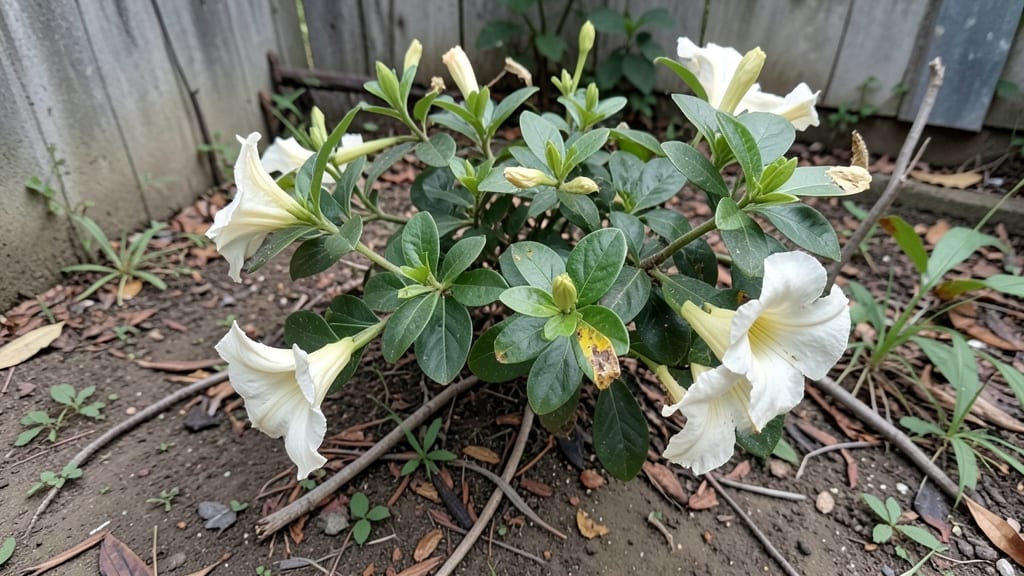
Growing bridal crown flowers (Helichrysum bracteatum) in your Pacific Northwest garden means frost-resistant blooms that defy the region’s damp, cool climate. 🌿 I’ve watched these papery, butter-yellow flowers thrive where other summer bloomers give up—even after our wet winters.
The secret lies in their hardy nature and a few simple adjustments to soil, sunlight, and water.
These drought-tolerant beauties demand well-draining soil (think sandy loam or amended garden beds) and full sun for at least 6 hours daily. Too much moisture? They’ll sulk. Too little? They’ll stretch and flop.
The good news? They’re low-maintenance once established—perfect for busy gardeners who still want show-stopping color. I’ve seen them rebound from winter’s chill with barely a hint of damage.
By summer’s peak, you’ll have bold, papery blooms that last weeks in vases and months in borders. The flowers dry beautifully too, making them ideal for long-lasting arrangements. Prune spent blooms to encourage more flowers, and watch them multiply over time—cuttings root easily, so you’ll soon have extras to share.
They’re ideal for border edges, cottage gardens, or cut-flower bouquets, and their resilience makes them a Pacific Northwest staple. Ready to grow a flower that outlasts the rain? Let’s get started with the basics.
📚 In This Guide
- What you need
- Instructions
- Tips and common mistakes
- Wrapping up and next steps
What you need
- ● Bridal crown flower seeds or plants: Choose Helichrysum bracteatum (frost-hardy varieties like 'Peppermint' or 'White Lady'). Start with 3–5 plants for a small garden or 10+ for a full border.
- ● Well-draining soil: Mix 1 part garden soil with 1 part perlite or coarse sand (bridals hate soggy roots!). Test pH: 6.0–7.0 (slightly acidic to neutral).
- ● Sunlight access: A full-sun spot (6+ hours/day). Pacific NW shade? Opt for morning sun + afternoon partial shade.
- ● Organic compost: 2–3 cups per planting hole to enrich soil and retain moisture.
- ● Mulch: 2–3 inches of straw or wood chips to protect roots from frost and retain moisture.
- ● Hand trowel or transplanting spade (for digging holes 12–18 inches apart for spacing).
- ● Watering can or hose with a gentle spray nozzle (avoid overwatering!).
- ● Pruning shears (for deadheading spent blooms and shaping plants).
- ○ Garden gloves (optional but recommended for prickly stems!).
- ● Frost cloth or row covers (if planting early/late in the PNW’s Zone 7–9).
- ● Slow-release fertilizer (e.g., 10-10-10) – Apply once in early spring.
- ● Copper tape or slug bait (bridals attract slugs in damp PNW climates!).
- ● Decorative stakes or pebbles (to elevate roots slightly and improve drainage).
- ● Dried flower preservation kit (if you want to harvest blooms for bouquets!).
Step-by-Step guide to reviving bridal crown flowers in Pacific Northwest gardens
Here's how to coax these frost-hardy beauties back to life with minimal fuss.
🌱 Step 1: Select and Prepare the Right Location
Bridal crown flowers (Gaultheria procumbens) thrive in partial to full shade, making them perfect for Pacific Northwest gardens where direct sun can scorch leaves. Choose a spot with well-draining soil—they hate soggy roots. I always test drainage by digging a 6-inch hole, filling it with water, and waiting to see if it drains within 30 minutes. If it pools, amend the soil with 2 inches of coarse sand or perlite before planting.
These evergreens grow best in acidic soil (pH 4.5-6.0). If your garden soil is alkaline, mix in 2 cups of peat moss or pine needles per square foot to lower the pH. The ideal temperature range for establishment is 55-70°F, so spring or early fall planting works best. Avoid planting in summer heat—you’ll stress the roots before they adapt.
🪴 Step 2: Plant with Proper Spacing and Mulch
Space plants 12-18 inches apart to allow airflow and prevent fungal diseases. Dig a hole twice as wide as the root ball but only as deep as the container. Gently remove the plant, loosen the roots if they’re circling, and place it in the hole so the top of the root ball sits level with the surrounding soil. This prevents crown rot, a common issue in wet Pacific Northwest winters.
Backfill with native soil mixed with 1 cup of compost per plant. Press firmly around the base to eliminate air pockets, then water deeply until the soil 2 inches down feels moist. Top with 2-3 inches of mulch (pine bark or shredded leaves work well) to retain moisture and protect roots from winter chill. Keep mulch 2 inches away from the stem to avoid rot.
☀️ Step 3: Water and Fertilize for Strong Growth
Water newly planted bridal crowns twice weekly for the first 4 weeks, then taper to once weekly once established. You’ll know they’re getting enough water when the soil 1 inch down feels slightly damp—never soggy. These plants are drought-tolerant once rooted, but Pacific Northwest summers can still dry them out. I always check leaves for wilting as a cue; if they droop slightly in the afternoon, it’s time to water.
Fertilize lightly in early spring with a balanced, slow-release fertilizer (10-10-10) at ½ the recommended rate. Too much nitrogen encourages leafy growth at the expense of flowers. I skip fall fertilization—these plants store energy in their roots for winter, and extra nutrients can lead to late-season growth that freezes back.
✂️ Step 4: Prune and Maintain for Long-Term Health
Prune in late winter or early spring before new growth begins. Remove dead, damaged, or crossing branches at the base with clean, sharp pruners. Cut just above a leaf node to encourage bushier growth. Avoid heavy pruning—bridal crowns flower on current season’s growth, so aggressive cuts reduce blooms. I never trim more than 1/3 of the plant in a single season.
Watch for aphids or spider mites, which love the tender new growth. Spray with neem oil if you spot sticky residue or webbing. These plants rarely need pesticides, but Pacific Northwest humidity creates perfect conditions for pests. I inspect leaves weekly in spring and treat at the first sign of infestation to prevent spread.
⏰ Step 5: Winterize for Frost Resilience
Bridal crowns handle USDA Zone 4 winters, but Pacific Northwest’s wet, cold winters can still stress them. In late fall, add an extra 1-2 inches of mulch around the base to insulate roots. Avoid heavy snow accumulation on branches—it can break stems. I gently shake off excess snow with a broom if it piles up over 4 inches.
If your winters drop below 10°F, protect young plants with a lightweight frost cloth draped loosely over them. Remove it on mild days to prevent heat buildup. By late winter, you’ll see new growth at the tips—that’s your sign the plant survived and is ready for spring blooms. I always remove old mulch in early spring to prevent soil compaction and allow roots to breathe.
Tips & tricks for perfect bridal crown flower revival
Here's what nobody tells you about bringing these delicate evergreens back to life in our unpredictable Pacific Northwest climate.
Soil Drainage Test: That 30-minute drainage test in Step 1 is non-negotiable. I've seen too many bridal crowns fail because people skipped this step, thinking their soil looked fine. If water pools after 30 minutes, you're looking at root rot before winter. For extra insurance, I mix in 30% perlite by volume to the backfill soil—this creates tiny air pockets that prevent waterlogging while still holding moisture. The key is mimicking the acidic, well-draining forest floors where these plants naturally grow.
Temperature Timing: The 55-70°F range for planting isn't just arbitrary—it's when these plants establish root systems most efficiently. I've learned the hard way that planting in summer heat (above 75°F) causes transplant shock. Here's my trick: if you must plant in summer, do it on an overcast day or water the root ball thoroughly every morning for the first week to maintain that ideal soil temperature. And never plant when nighttime temps drop below 50°F—roots simply won't grow in the cold.
Winter Protection Strategy: For the 10°F threshold mentioned in Step 5, I've found that adding 1 inch of straw mulch right before the first freeze creates an insulating blanket that prevents soil temperature fluctuations. The straw breaks down slowly, feeding the soil as it decomposes. For young plants, I wrap the frost cloth loosely—tight wrapping traps too much moisture and can cause fungal issues. Leave about 2 inches of space at the top so air can circulate and prevent condensation buildup.
Pruning Precision: When you're trimming those dead branches in Step 4, don't just cut at any angle. Make your cuts just above a leaf node where you see a tiny bump or growth point. This is where new shoots will emerge. I always sterilize my pruners with rubbing alcohol between cuts to prevent spreading any potential diseases—especially important in our humid Pacific Northwest climate where fungal spores thrive. And remember, those 1/3 pruning limits? It's not just about flower production—it's about maintaining the plant's natural growth habit and preventing stress.
Pro Tips for Bridal Crown Flower
- Here's what nobody tells you about bringing these delicate evergreens back to life in our unpredictable Pacific Northwest climate.
- Soil Drainage Test: That 30-minute drainage test in Step 1 is non-negotiable.
- Temperature Timing: The 55-70°F range for planting isn't just arbitrary—it's when these plants establish root systems most efficiently.
Frequently asked questions
Got questions about growing bridal crown flowers? You’re not alone! Here are some of the most common queries—and their answers—to help you cultivate these stunning blooms with confidence.
How cold can bridal crown flowers tolerate?
Bridal crown flowers (Gloriosa superba) are tender perennials and cannot survive frost. In the Pacific Northwest, they thrive in USDA Zones 9-11 as outdoor plants. For cooler climates, grow them in containers and bring them indoors before temperatures drop below 40°F (4°C). A greenhouse or sunroom works well!
How long does it take for bridal crown flowers to bloom?
With patience, bridal crown flowers can bloom within 6–12 months of planting seeds. If you start with tubers or mature plants, expect vibrant blooms in 3–6 months. Pro tip: Ensure they get bright, indirect light (like a east-facing window) and well-draining soil to speed up flowering.
Can I grow bridal crown flowers indoors year-round?
These dramatic flowers thrive indoors in pots with drainage. Place them near a south or west window for 6+ hours of sunlight daily. If natural light is limited, supplement with a grow light. Just watch for pests like spider mites—mist leaves occasionally to keep humidity up!
What should I do if my bridal crown flower’s leaves turn yellow?
Yellowing leaves usually signal overwatering or poor drainage. Let the soil dry out between waterings—stick your finger 1–2 inches deep; if it’s soggy, hold off! Also, check for root rot (mushy stems) and repot in well-draining mix (cactus/succulent soil works). Underwatering can cause yellowing too, so find that sweet spot!
Are there frost-resistant alternatives to bridal crown flowers?
If you love the dramatic look of bridal crown flowers but need frost-hardy options, try these PNW-friendly picks:
- Canna lilies (Canna spp.) – Bold foliage, Zone 7+
- Caladiums – Stunning leaves, Zone 8+ (tender but container-friendly)
- Tiger lilies (Lilium lancifolium) – Hardy to Zone 3!
- Dahlia tubers – Gorgeous blooms, Zone 8+ (dig up in winter)
Wrapping up and next steps
Growing a bridal crown flower in your Pacific Northwest garden isn’t just about adding beauty—it’s about embracing resilience and timeless charm. With the right care, these frost-hardy blooms will reward you with stunning, long-lasting flowers that thrive even in cooler climates.
Whether you’re a seasoned gardener or just starting out, your efforts will create a breathtaking focal point that’s as unique as your love story.
Ready to bring this magic to life? Start by gathering your supplies and choose a sunny spot in your garden—then watch as your bridal crown flower transforms your outdoor space into a dreamy, ever-blooming sanctuary. 🌸✨