
Flowers
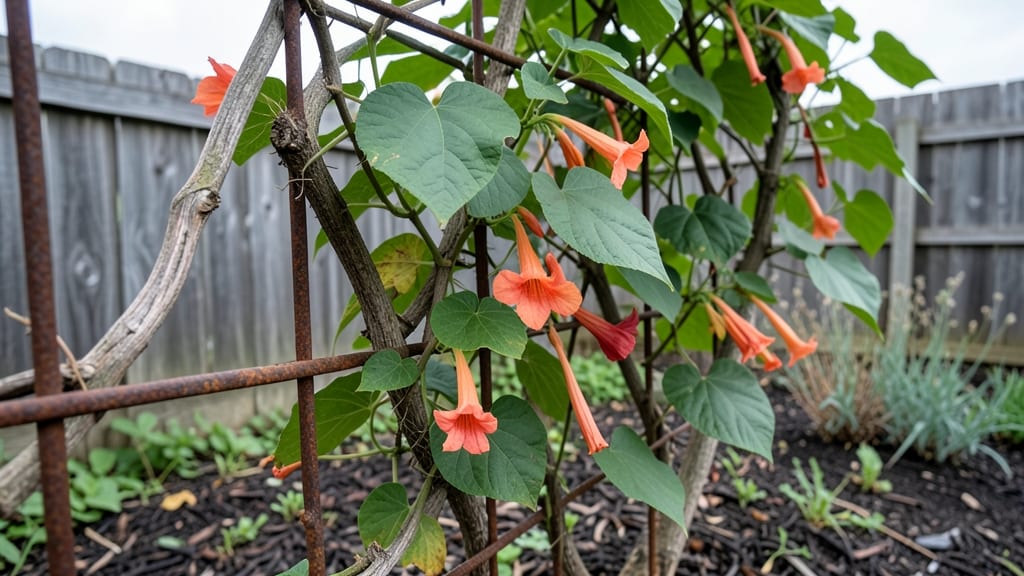
Caring for trumpet flowers in the Pacific Northwest means embracing their bold, frost-resistant charm—these showstoppers thrive where others falter. 🌟 I’ve grown them through damp winters and soggy springs, and the secret lies in matching their tropical roots to our cool, wet climate without coddling them.
The right spot and a few simple adjustments keep them blooming for years, even when neighbors’ tender plants give up.
Trumpet flowers—whether the climbing Allamanda cathartica or the hardy Campanula varieties—need six hours of sunlight daily, but they tolerate morning shade better than scorching afternoon sun.
Your soil should drain well (amend heavy clay with compost), and watering should be consistent but not soggy—think of it like a sponge, not a swamp. Mulch helps retain moisture and protects roots from our unpredictable frosts.
Pruning is where the magic happens: snip back leggy growth after blooms fade to encourage bushier plants, and cut back by one-third in early spring to stimulate fresh growth. In winter, evergreen varieties like Allamanda need no protection, while deciduous types benefit from a thick layer of mulch.
By summer, you’ll have vibrant trumpet-shaped blooms that hummingbirds can’t resist.
This guide covers everything from container growing (for renters) to large-scale beds, plus how to troubleshoot yellowing leaves or sparse blooms. Whether you’re a first-timer or a seasoned gardener, these flowers deliver dramatic color with minimal fuss—once you know the tricks. Let’s get those roots settled right.
📚 In This Guide
- What you need
- Instructions
- Tips and common mistakes
- Wrapping up and next steps
What you need
- ● Trumpet flower plant: A healthy nursery-grown Allamanda cathartica (choose a variety suited for your hardiness zone, like Allamanda neriifolia for colder PNW microclimates).
- ● Well-draining potting mix: 5 gallons of a blend with 50% peat moss or coconut coir, 30% perlite or pumice, and 20% compost. Avoid heavy clay soil.
- ● Container (if potted): A 10-15 gallon pot with drainage holes (terracotta or fabric pots work best).
- ● Slow-release fertilizer: A balanced 10-10-10 or 20-20-20 formula (use sparingly—PNW soil is often nutrient-rich).
- ● Pruning shears: Sharp, bypass pruners (sterilized with rubbing alcohol to prevent disease).
- ● Mulch: 2-3 inches of wood chips or straw to retain moisture and insulate roots in winter.
- ● Drip irrigation or watering can: For deep, infrequent watering (avoid overhead sprinklers to prevent fungal issues).
- ● Frost cloth or row covers: Lightweight 30-40g frost protection fabric for late spring/early fall frosts (PNW’s Zone 7-9 can still dip below 28°F!).
- ● Soil pH test kit: Trumpet flowers prefer slightly acidic to neutral soil (pH 6.0-7.0)—adjust with lime or sulfur if needed.
- ● Epsom salt: A tablespoon per gallon of water monthly boosts magnesium (great for yellowing leaves).
- ● Trellis or support: A 5-6 foot tall bamboo stake or obelisk for climbing varieties (though Allamanda can sprawl).
- ● Humidity tray: A pebble tray with water to combat PNW’s dry indoor air if growing inside.
- ● Compost tea: A weekly foliar spray for extra nutrients (homemade or store-bought).
Step-by-Step instructions for growing Pacific Northwest trumpet flowers
Here's how to cultivate these hardy, frost-resistant beauties with minimal fuss.
🌱 Step 1: Choose the Right Location and Soil
Trumpet flowers thrive in full sun to partial shade, making them perfect for Pacific Northwest gardens where afternoon shade helps prevent leaf scorch. I pick a spot that gets at least 6 hours of sunlight daily, even if it's filtered through trees. The soil should drain well—these plants hate soggy roots—but they're adaptable to most garden soils.
Before planting, loosen the soil to a depth of 12 inches to encourage root growth. Mix in a handful of compost or aged manure to enrich the soil naturally. Trumpet flowers tolerate a wide pH range, but they perform best in slightly acidic to neutral soil (pH 6.0-7.5). If your soil is heavy clay, amend it with 1-2 inches of organic matter like leaf mold or peat moss.
☀️ Step 2: Plant at the Right Time and Depth
In the Pacific Northwest, plant trumpet flowers in early spring, about 2-4 weeks before the last frost date, or in early fall for a late-season bloom. Dig a hole twice as wide as the root ball but only as deep as the container it came in. This prevents burying the crown too deeply, which can cause rot.
Gently remove the plant from its container and place it in the hole, backfilling with soil while firming it lightly around the roots. Space plants 3-4 feet apart to give them room to spread. Water deeply right after planting to settle the soil and eliminate air pockets. You'll know it's done right when the soil surface looks slightly firm but not compacted.
💧 Step 3: Water Consistently and Mulch Properly
Trumpet flowers are drought-tolerant once established, but they need 1 inch of water per week during their first growing season. Water deeply at the base of the plant rather than overhead to prevent fungal diseases. The soil should feel dry to the touch 1-2 inches down before watering again—this encourages deep root growth.
Apply a 2-3 inch layer of organic mulch around the base of the plant, keeping it 3 inches away from the stem to prevent rot. I use shredded bark or wood chips because they break down slowly and improve soil structure over time. Mulching also helps regulate soil temperature, which is especially useful during Pacific Northwest's cool, wet springs.
✂️ Step 4: Prune and Fertilize for Healthy Growth
Prune trumpet flowers in early spring before new growth begins by cutting back the previous year's growth by one-third. This encourages bushier growth and more abundant blooms. Deadhead spent flowers throughout the growing season to promote continuous blooming. I use clean, sharp pruners and make cuts at a 45-degree angle just above a leaf node.
Fertilize lightly in early spring with a balanced, slow-release fertilizer (10-10-10) applied at half the recommended rate. Over-fertilizing can lead to excessive foliage growth at the expense of flowers. Trumpet flowers are not heavy feeders, so less is often more. If your soil is rich in organic matter, you might not need to fertilize at all.
🌿 Step 5: Prepare for Winter and Encourage Frost Resistance
Trumpet flowers are frost-resistant, but they still benefit from a little winter protection in the Pacific Northwest's colder months. In late fall, apply a 4-6 inch layer of mulch around the base of the plant to insulate the roots. This helps prevent frost heave and keeps the soil temperature stable.
Prune back any dead or damaged foliage in late winter before new growth begins. This gives the plant a fresh start and helps it conserve energy. Trumpet flowers are remarkably resilient, and with proper care, they'll reward you with vibrant blooms year after year. Watch for new growth in early spring as a sign that your plant is thriving.
Tips & tricks for perfect Pacific Northwest trumpet flower care
These pro tips will help you grow thriving trumpet flowers that flourish in the Pacific Northwest's unique climate.
Soil Preparation Secret: In Step 1, when loosening soil to 12 inches, consider adding a handful of worm castings along with the compost. Worm castings improve soil structure and provide gentle, balanced nutrients that trumpet flowers love. I've found this extra step makes a noticeable difference in root development during the first growing season.
Timing Your Planting: The 2-4 week window before the last frost date in Step 2 is crucial for establishing strong roots before summer heat arrives. In the Pacific Northwest, this typically means planting between mid-April and early May, depending on your microclimate. Use your local frost date calculator to pinpoint the exact timing for your area.
Mulching Strategy: When applying that 2-3 inch layer of mulch in Step 3, focus on creating a donut shape around the plant—leave the center bare. This prevents moisture buildup against the stem while still protecting roots. For extra frost protection in winter, consider doubling the mulch layer to 4-6 inches as mentioned in Step 5, especially in colder inland areas.
Pruning Technique: In Step 4, when you're pruning back one-third of last year's growth, look for the first set of healthy leaves when making your cuts. This encourages new growth from strong points rather than weak stems. I also recommend sterilizing your pruners with rubbing alcohol between cuts to prevent spreading any potential diseases.
Pro Tips for Trumpet Flower Care
- These pro tips will help you grow thriving trumpet flowers that flourish in the Pacific Northwest's unique climate.
- Soil Preparation Secret: In Step 1, when loosening soil to 12 inches, consider adding a handful of worm castings along with the compost.
- Timing Your Planting: The 2-4 week window before the last frost date in Step 2 is crucial for establishing strong roots before summer heat arrives.
Frequently asked questions
about trumpet flowers (especially Campsis radicans or Bignonia capreolata) can help simplify care—especially in the Pacific Northwest’s unique climate. Here are answers to common concerns:How cold can trumpet flowers tolerate?
Trumpet vines are semi-hardy and can survive light frosts (15–20°F) if established. Young plants may need winter protection (mulch, burlap wraps). In the PNW, prune back dead growth in early spring—new shoots are frost-tolerant once established!
Why aren’t my trumpet flowers blooming?
Blooms thrive in full sun (6+ hours/day) and well-draining soil. Over-fertilizing (especially nitrogen) can delay flowers—use a balanced 10-10-10 in early spring instead. Prune after blooming to encourage next year’s flowers!
Are trumpet flowers invasive in the PNW?
Native Campsis radicans (trumpet creeper) can spread aggressively via roots and seeds. Opt for Bignonia capreolata (crossvine) for a non-invasive alternative. Always check local regulations—some areas restrict trumpet vines!
How often should I water trumpet flowers?
Water deeply 1–2 times/week during dry spells (PNW summers can be hot!). Mulch helps retain moisture. Overwatering causes root rot—ensure soil drains well. Drought-tolerant once established, but young plants need consistent care.
What pests commonly attack trumpet flowers?
Watch for aphids, spider mites, and Japanese beetles. Spray with water or use neem oil for mild infestations. Ladybugs and lacewings are natural predators! Severe cases may need insecticidal soap.
Wrapping up and next steps
Caring for your trumpet flower (Allamanda cathartica) in the Pacific Northwest is totally doable—even with cooler climates! 🌿 With the right spot, soil, and a little TLC, you’ll enjoy vibrant blooms all season long. Remember, patience and consistency are key, especially when it comes to frost protection and pruning.
Now that you’re armed with expert tips, why not plant one today? Share your progress with fellow gardeners or dive deeper into seasonal care adjustments to keep your trumpet flower thriving year after year. Happy gardening! 🌸