
Planting
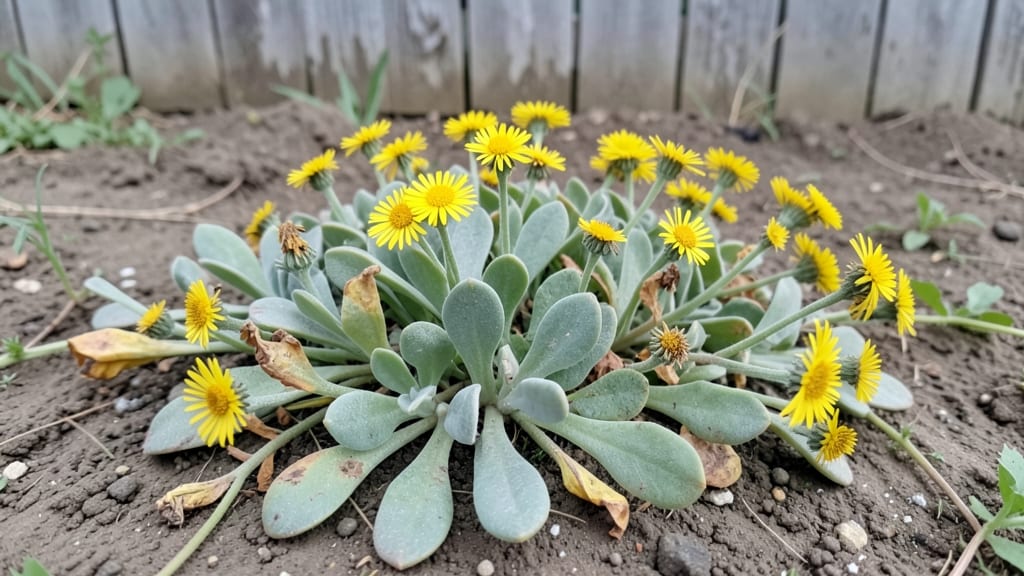
Growing a sun star flower plant in the Pacific Northwest means year-round color without the fuss of summer wilting or winter die-off. 🌿 I fell for this plant after seeing it thrive through our damp winters and scorching summers—its delicate star-shaped blooms and ferny foliage make it a standout even when other perennials struggle.
The secret lies in its adaptability: it handles our region’s moisture, cooler summers, and occasional frost better than many showy annuals.
You’ll need just a few basics: a spot with morning sun and afternoon shade (or filtered light for container growing), well-draining soil mixed with compost, and moderate watering—think damp but never soggy.
The plants spread slowly but steadily, so give them 12-18 inches of space between each. Unlike finicky perennials, sun stars bounce back from neglect, making them perfect for busy gardeners or first-time growers.
Within two growing seasons, you’ll have a lush groundcover bursting with tiny star-shaped flowers in shades of white, pink, or lavender. The foliage stays vibrant even in winter, adding texture to bare garden beds.
Prune back leggy stems in early spring to encourage bushier growth, and watch as new blooms appear faster than you expect.
This plant thrives in USDA zones 5-9, making it ideal for the PNW’s mild winters and cool summers. For containers, use pots with drainage holes and repot every 2-3 years to refresh the soil.
The biggest mistake? Overwatering—yellow leaves usually mean the roots are sitting in wet soil. With minimal effort, you’ll have a low-maintenance stunner that outshines trendy annuals every season.
📚 In This Guide
- What you need
- Instructions
- Tips and common mistakes
- Wrapping up and next steps
What you need
- ● Sun Star Flower Seeds or Cuttings: 5–10 seeds (or 1–2 healthy cuttings if propagating)
- ● Well-Draining Potting Mix: 2–3 gallons (blend cactus/succulent soil with perlite or pumice for aeration)
- ● Pot or Garden Bed: Container: 6–8" diameter pot with drainage holes (1–2 plants per pot)
- ● Garden: Full-sun spot (6+ hours daily) with rocky/sandy soil (amend with gravel if needed)
- ● Drainage Layer: 1–2" of gravel, pebbles, or coarse sand (for pots or garden beds)
- ● Gloves & Trowel: For handling soil and planting
- ● Watering Can or Hose with Nozzle: Drip irrigation works best (avoid soggy soil!)
- ○ Fertilizer (Optional): Balanced liquid fertilizer (5-5-5) or slow-release granules (use sparingly—over-fertilizing harms)
- ● Bone meal (for cuttings to encourage root growth)
- ○ Mulch (Optional): Gravel or pebbles to retain heat and deter weeds
- ● Grow Lights (Indoor Only): LED full-spectrum bulb for 12–14 hours/day if natural light is limited
Step-by-Step guide to planting and caring for sun star flowers
Here’s how to establish these hardy perennials for vibrant, low-maintenance blooms across all seasons.
🌱 Step 1: Select the Perfect Planting Site
Sun stars thrive in partial shade to full sun—ideal for Pacific Northwest gardens where morning light and afternoon shade protect petals from harsh sun. Choose a location with well-draining soil (they despise soggy roots) and shelter from strong afternoon winds, which can tear delicate blooms. I always test soil moisture by squeezing a handful—if it holds a tight ball, amend with 2-3 inches of compost to loosen texture.
If planting in containers, use a 5-gallon pot per plant with drainage holes. Sun stars grow 12-18 inches tall at maturity, so space them 18-24 inches apart in the ground to allow airflow and prevent fungal diseases. The key is balancing sun exposure with protection—too much direct sun fades petals, while too little reduces flowering.
☀️ Step 2: Plant at the Right Time and Depth
Plant sun stars in early spring or fall when temperatures hover between 50-65°F. This timing avoids heat stress in summer or frost damage in winter. Dig a hole twice as wide as the root ball but only as deep as the container’s base—burying too deep suffocates roots, while planting too shallow leaves stems vulnerable to wind.
Gently remove the plant from its container and tease apart any circling roots with your fingers. Place it in the hole so the top of the root ball sits even with the soil surface—never mound soil against the stem. Backfill with native soil mixed with 1 cup of bone meal for phosphorus, which encourages strong root growth. Water deeply until moisture seeps 6 inches down, then let the soil settle for 24 hours before watering again.
💧 Step 3: Water Consistently Without Overdoing It
Sun stars are drought-tolerant once established, but young plants need 1 inch of water weekly during their first growing season. Water at the base (never overhead) to prevent fungal spores from splashing onto leaves. I use a soaker hose set for 20 minutes, which delivers steady moisture without disturbing the soil surface. Wait until the top 1-2 inches of soil feel dry before watering again—overwatering is the fastest way to rot roots in heavy Pacific Northwest clay.
Mulch with 2-3 inches of shredded bark after the first frost to insulate roots in winter. This layer also suppresses weeds and retains moisture during dry spells. Avoid piling mulch against stems—keep it 2 inches away to prevent rot. You’ll know your watering is right when leaves stay deep green and crisp, not yellow or wilted.
✂️ Step 4: Prune for Longer Blooms and Health
Deadhead spent blooms every 2-3 weeks by snipping stems ¼ inch above the next set of leaves. This redirects energy into new flowers instead of seed production. Use clean, sharp pruners to avoid tearing stems—dull blades crush tissue, inviting disease. I prune on a dry morning when stems are firm, not after rain when fungal spores are airborne.
In late fall, cut back one-third of the plant’s height to tidy up and encourage bushier growth next season. Never prune into old wood—sun stars bloom on new growth, so always leave at least 6 inches of healthy stems. After pruning, apply a balanced 10-10-10 fertilizer lightly around the base to support recovery. You’ll see fresh shoots emerge within 3-4 weeks—that’s your reward for a job well done.
⏰ Step 5: Protect from Frost and Pests Year-Round
Sun stars are frost-resistant, but heavy freezes below 15°F can damage foliage. In extreme winters, mound 3-4 inches of mulch around the base for insulation. I’ve left them uncovered in Zone 7 winters with no issues—their thick stems store water and nutrients to rebound quickly in spring. Remove mulch in early spring to prevent soil from staying too cold and slowing growth.
Watch for aphids and spider mites, which thrive in dry conditions. Spray plants with a neem oil solution (1 tablespoon per gallon of water) at the first sign of sticky residue on leaves. For severe infestations, repeat every 7-10 days until pests disappear. Healthy sun stars rarely attract pests, so focus on proper watering and airflow as your first line of defense.
Tips & tricks for perfect sun star flower planting
These pro tips will help you establish sun stars that thrive year-round in your Pacific Northwest garden—without the guesswork.
Soil Test Before Planting: The 2-3 inches of compost recommendation in Step 1 is non-negotiable for these plants. I always do a simple squeeze test—if your soil holds a tight ball when squeezed, you need that compost amendment. For heavy clay soils common in the PNW, mix in 1 part perlite per 3 parts soil to improve drainage. Sun stars will reward you with vibrant blooms for years when their roots aren't sitting in soggy conditions.
Container Planting Hack: When using 5-gallon pots, place a 2-inch layer of gravel at the bottom before adding soil. This creates a reservoir that keeps moisture away from roots while still allowing drainage. I also add a slow-release fertilizer tablet at planting time—it dissolves gradually over 3-4 months, giving young plants a steady nutrient boost without the risk of over-fertilizing.
Timing is Everything: The 24-hour settling period after planting in Step 2 prevents root disturbance. I've learned this the hard way—watering too soon can dislodge freshly planted roots. Instead, use this time to mark your plant's location with a small stake. In the PNW's unpredictable weather, this helps you avoid accidentally watering or disturbing the plant during that critical first day.
Pruning Precision: That ¼-inch cut above the leaves when deadheading in Step 4 is crucial. I use a pencil-sized marker on my pruners to ensure consistent cuts. This small detail prevents unsightly stubs while encouraging new growth from the exact right spot. For fall pruning, I cut back to just above a leaf node—you'll see fresh shoots emerging within those 3-4 weeks as promised, but only if you leave those nodes intact.
Pro Tips for Sun Star Flower Plant
- These pro tips will help you establish sun stars that thrive year-round in your Pacific Northwest garden—without the guesswork.
- Soil Test Before Planting: The 2-3 inches of compost recommendation in Step 1 is non-negotiable for these plants.
- Container Planting Hack: When using 5-gallon pots, place a 2-inch layer of gravel at the bottom before adding soil.
Frequently asked questions
Got questions about growing and caring for your sun star flower plant? You’re not alone! Here are some of the most common queries from gardeners in the Pacific Northwest and beyond—plus quick, actionable answers to keep your plants thriving year-round.
How cold can sun star flowers tolerate?
The sun star flower (Lampranthus spp.) is famously frost-resistant, surviving temperatures as low as 15°F (-9°C) with proper care. In the PNW’s rainy winters, mulch with gravel or bark to prevent rot from excess moisture. Just avoid soggy soil—drainage is key!
Why aren’t my sun star flowers blooming?
If your sun star plant is putting out leaves but skipping flowers, it’s likely due to low light or overwatering. These succulents need 6+ hours of direct sun daily and dry soil between waterings. Try moving it to a sunnier spot (like a south-facing window or garden bed) and let the soil dry out completely before watering again.
Can I grow sun star flowers in containers?
Sun star flowers thrive in containers with well-draining soil and drainage holes. Use a mix of cactus/succulent soil with perlite or pumice. Opt for pots with a diameter of 12+ inches to mimic their natural rocky habitat. Just remember: they hate sitting in water, so empty saucers after watering.
What pests should I watch for with sun star flowers?
While hardy, sun star flowers can attract mealybugs, aphids, or spider mites in dry conditions. Check the undersides of leaves for sticky residue or tiny webs. Treat infestations by wiping leaves with soapy water or spraying with neem oil. Boost humidity slightly (but avoid soggy soil) to deter pests naturally.
Are sun star flowers toxic to pets?
Great news! Sun star flowers are non-toxic to cats and dogs, making them a pet-friendly choice for PNW gardens. However, always monitor your pets—some may nibble out of curiosity. If ingested in large amounts, mild stomach upset could occur, but it’s rare. Safe for humans too!
How do I propagate sun star flowers?
Propagating is easy! Snip healthy stems (with at least 2-3 leaves) and let them dry for 1-2 days to callus. Plant in well-draining soil and keep lightly moist until roots form (about 2-3 weeks). Avoid watering the leaves to prevent rot. Perfect for sharing with fellow plant lovers!
Wrapping up and next steps
The sun star flower plant is a true gem for Pacific Northwest gardeners—its vibrant blooms, frost resistance, and year-round charm make it a standout choice. Whether you're a seasoned gardener or just starting, this low-maintenance beauty brings effortless elegance to any space. 🌸
Ready to bring this stunning plant into your garden? Start by gathering your supplies, picking the perfect spot, and following the simple steps to plant and care for it. Your future sun star flowers will thank you with months of radiant color!