Flowers
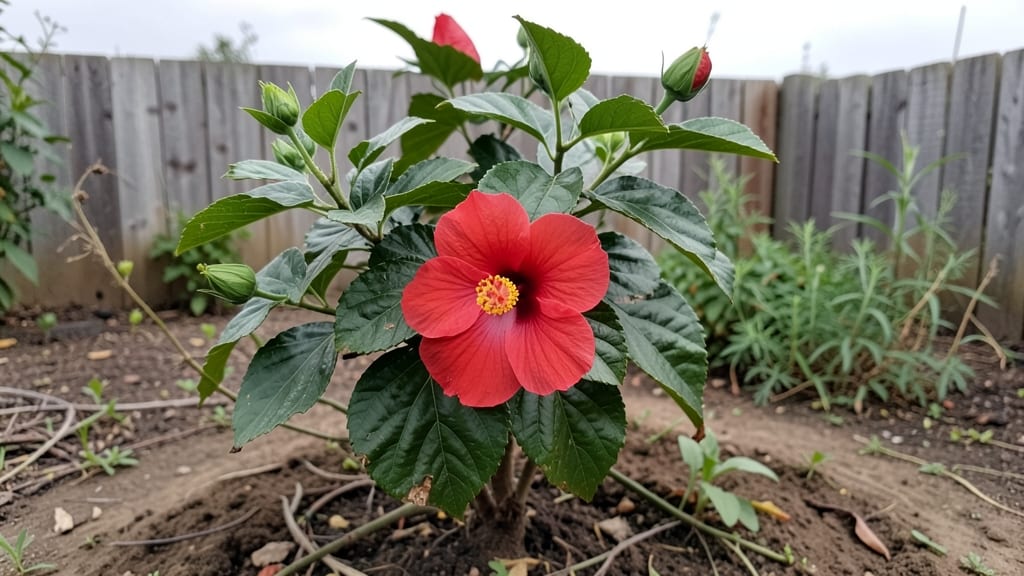
Your Pacific Northwest garden can burst with fiery tropical red flowers—even in cooler climates. 🌺 These bold blooms aren’t just eye-catching; they’re lifelines for bees, hummingbirds, and butterflies, turning your yard into a buzzing paradise.
The key isn’t forcing tropical plants to thrive but choosing the right varieties that handle PNW’s mild summers and damp winters with grace.
Think hibiscus with velvety petals, bird of paradise with its dramatic orange-and-blue accents, or bougainvillea’s papery cascades. These stars work as focal points near patios, border accents along walkways, or even in large containers on decks.
Pair them with silver foliage plants like dusty miller or purple-leaved coleus to make the red pop even brighter.
By mid-summer, your garden will hum with activity as pollinators flock to the nectar-rich blooms. The contrast of deep red against lush greens creates a striking, tropical vibe that feels like a vacation in your own backyard.
Plus, these plants bloom reliably when given the right spot—bright but not scorching, with protection from harsh winds.
Whether you’re designing a full tropical corner or just adding a few dramatic accents, these flowers deliver year-round interest—even when they’re not in bloom, their glossy leaves add texture. Let’s make your garden a magnet for both beauty and wildlife!
📚 In This Guide
- What you need
- Instructions
- Tips and common mistakes
- Wrapping up and next steps
What you need
- ● Tropical red flower plants: 1–3 Hibiscus rosa-sinensis (Chinese hibiscus) or Canna indica (Indian shot) plants (choose based on your zone’s hardiness—most thrive in PNW’s milder microclimates).
- ○ Optional: Bougainvillea or Plumeria for extra drama (best in containers or sheltered spots).
- ● Soil: 1–2 cubic yards of well-draining, slightly acidic potting mix (pH 6.0–6.5). Mix in compost or coconut coir for moisture retention.
- ● Containers (if not planting in-ground): 1–3 large pots (18–24" diameter) with drainage holes (fabric or ceramic).
- ○ Optional: Self-watering planters for low-maintenance care.
- ● Basic gardening tools: 1 trowel, 1 hand pruners, 1 gloves (gardening or work gloves).
- ○ Optional: A moisture meter to track soil hydration.
- ● Mulch: 2–3 bags of organic mulch (pine bark or shredded leaves) to retain moisture and suppress weeds.
- ● Fertilizer: 1 balanced, slow-release fertilizer (10-10-10) or organic options like fish emulsion or worm castings.
- ● Pro tip: Use a time-release fertilizer spike for hassle-free feeding!
- ● Watering supplies: 1 watering can (5-gallon) or drip irrigation kit for deep watering.
- ○ Optional: A spray nozzle for gentle misting (great for seedlings).
- ● Location: A sunny spot (6+ hours of direct light daily) or a sheltered patio (if using containers). Most tropical red flowers tolerate partial shade but thrive in full sun!
- ● 1–2 pollinator-friendly companion plants (e.g., Lantana, Salvia, or Butterfly Bush) to attract bees and hummingbirds.
- ● Decorative stakes or trellises (if growing climbing varieties like Passionflower).
- ○ Optional: A hummingbird feeder to complement your floral oasis!
Step-by-step guide to cultivating a stunning tropical red flower display
Here’s how I transform the Pacific Northwest’s cooler climate into a vibrant haven for bold, pollinator-loving tropical blooms.
🌱 Step 1: Select the Right Tropical Red Varieties for Your Climate
Not all tropical flowers thrive in the Pacific Northwest’s cooler summers, so I focus on heat-tolerant varieties like red canna lilies, tropical hibiscus, or bird-of-paradise. These handle brief summer heat waves better than delicate orchids. Check your microclimate—sheltered south-facing spots stay warmer and extend the growing season by 2-4 weeks.
Start with 4-6 plants to create visual impact while allowing airflow between stems. Crowding invites fungal diseases like powdery mildew, which thrives in the region’s damp summers. I always plant in well-draining soil—tropical flowers hate soggy roots, and our clay-heavy soils worsen the problem.
☀️ Step 2: Create a Microclimate with Protection and Warmth
Use black plastic mulch under plants to absorb heat during the day and radiate it back at night—a critical trick for extending the growing season in cooler climates. I also install frost cloth frames (like mini hoop houses) over young plants in early spring and late fall. These raise soil temperatures by 5-10°F and protect from late frosts.
Position your display near a south-facing wall or fence, which absorbs sunlight and reflects warmth. In windy PNW sites, I add bamboo stakes wrapped in burlap to break wind without blocking light. Watch for wilting in afternoon breezes—that’s your cue to reinforce windbreaks.
💧 Step 3: Master the Watering Balance for Humidity-Loving Tropics
Tropical red flowers need consistent moisture but despise soggy soil. I water deeply every 2-3 days (until water drains from the bottom of the pot or soil feels damp 6 inches down). In the PNW’s humid summers, I reduce watering slightly to prevent fungal issues—overhead watering is a no-go after blooms appear.
Mist leaves daily in morning sunlight to simulate tropical humidity, but stop once buds form. I use a rain gauge to track rainfall and adjust—our region’s unpredictable showers can either drown or dehydrate plants overnight. Mulch with 2-3 inches of shredded bark to retain moisture and regulate soil temperature.
✂️ Step 4: Prune for Continuous Blooms and Winter Hardiness
After the first flush of blooms fades, I cut back stems by ⅓ to encourage bushier growth. For canna lilies, I remove spent stalks at the base, while hibiscus responds well to pinching back lateral branches. This keeps energy focused on new growth rather than seed production.
As temperatures drop below 50°F at night, I reduce watering and apply a 3-inch layer of straw mulch to insulate roots. In zones 7-9, I dig up tender varieties (like hibiscus) and store them in a cool, dark garage with minimal water. Watch for yellowing leaves—this signals overwatering in cooler weather.
🪴 Step 5: Overwinter and Prepare for Next Season’s Display
For hardy tropicals (like some canna varieties), I leave them in the ground but cover with burlap and evergreen boughs to protect from frost. In early spring, I divide clumps every 3-4 years to rejuvenate growth—old plants produce fewer blooms. I always sterilize pruners with rubbing alcohol to prevent disease spread between cuts.
Before new growth appears, I amend the soil with compost and a balanced 10-10-10 fertilizer to replenish nutrients lost over winter. The key is timing—wait until soil reaches 60°F before fertilizing, or roots won’t absorb nutrients efficiently. This ensures a bold, early-season bloom that draws pollinators from the first warm days.
Tips & tricks for perfect tropical red flower displays
These proven strategies will help you create a thriving tropical red flower display that thrives in the Pacific Northwest's unique climate.
Variety Selection Wisdom: When choosing your 4-6 plants, opt for red canna lilies if you want dramatic height and bold foliage, or tropical hibiscus for vibrant, long-lasting blooms. Bird-of-paradise adds architectural interest but needs slightly more shelter from wind. I've found that mixing two varieties creates the most visual impact while maintaining airflow between plants—critical for preventing fungal diseases in our damp summers.
Microclimate Mastery: The 5-10°F temperature boost from frost cloth frames makes all the difference in extending your growing season. For maximum warmth, position your display against a south-facing wall where it can absorb reflected sunlight. I've seen displays thrive in spots that would otherwise be too cool, simply by using this double-warmth strategy. Remember to check for wilting in afternoon breezes—this is your signal to reinforce windbreaks before damage occurs.
Watering Precision: The 2-3 inch deep watering every 2-3 days is non-negotiable for tropical flowers, but timing matters just as much. Water in the early morning so foliage dries completely before evening humidity sets in. I've learned the hard way that overhead watering after blooms appear can lead to fungal issues—always water at the base. The 6-inch soil moisture check is your best guide; tropical roots need consistent moisture but hate soggy conditions.
Pruning Secrets: That ⅓ stem reduction after the first flush of blooms might seem drastic, but it works wonders for encouraging bushier growth. For canna lilies, I always cut back to just above a leaf node—this is where new growth emerges. With hibiscus, focus on pinching back lateral branches to create a fuller shape. The key is timing: prune right after blooms fade, before the plant puts energy into seed production.
Pro Tips for Tropical Red Flower
- These proven strategies will help you create a thriving tropical red flower display that thrives in the Pacific Northwest's unique climate.
- Variety Selection Wisdom: When choosing your 4-6 plants, opt for red canna lilies if you want dramatic height and bold foliage, or tropical hibiscus for vibrant, long-lasting blooms.
- Microclimate Mastery: The 5-10°F temperature boost from frost cloth frames makes all the difference in extending your growing season.
Frequently asked questions
Got questions about growing or enjoying tropical red flowers in the Pacific Northwest? You’re not alone! Here are some of the most common queries—and their answers—to help you cultivate a vibrant, pollinator-friendly garden.
What are the best tropical red flowers for PNW climates?
While the PNW isn’t naturally tropical, Canna lilies, Bird of Paradise, and Hibiscus (hardy varieties like ‘Dwarf Tropical Red’) thrive with winter protection. For year-round color, try Bougainvillea (in containers) or Plumbago, which handle cooler temps better. Pro tip: Group them with native pollinators like Echinacea for a resilient mix!
When is the best time to plant tropical red flowers in the PNW?
Wait until after the last frost (typically late May–June) to plant outdoors. Start seeds indoors in March for a head start. If using containers, you can plant as early as April in a sunny spot, but bring them inside if nights dip below 40°F (4°C). Troubleshooting: Yellowing leaves? Overwatering or cold stress might be the culprit!
How do I keep tropical red flowers blooming all summer?
Deadhead spent blooms regularly to encourage new flowers. Feed with a balanced fertilizer (10-10-10) every 4–6 weeks and mulch to retain moisture. Bonus: Hibiscus and Canna love morning sun + afternoon shade—this mimics their tropical roots. Watch out: Powdery mildew thrives in humidity; space plants for airflow!
Why aren’t bees or hummingbirds visiting my tropical red flowers?
Tropical flowers often aren’t native, so pollinators may ignore them. To attract visitors, plant native companions like Salvia or Penstemon nearby. Ensure flowers are healthy and pest-free—sickly blooms repel pollinators. Fun fact: Hummingbirds adore Hibiscus’s tubular shapes!
Can I grow tropical red flowers in containers in the PNW?
Containers give you mobility—move them indoors or to a garage during frost. Use well-draining soil and large pots (10+ gallons) for stability. Top picks: Bougainvillea (drought-tolerant) or Mandevilla (vining and vibrant). Just ensure pots have drainage holes to avoid root rot.
What do I do if my tropical red flowers get frost damage?
Act fast! Cover plants with frost cloth or blankets before temps drop below 32°F (0°C). If damage occurs, trim dead leaves and stems back to healthy growth. Most tropicals are tender perennials—they’ll bounce back with proper care. Prevention tip: Mulch heavily in fall to insulate roots!
Wrapping up and next steps
From vibrant hibiscus to striking bird-of-paradise, the Pacific Northwest’s tropical red flowers aren’t just a feast for the eyes—they’re lifelines for pollinators and a burst of joy for gardeners.
Whether you’re drawn to their bold hues or their eco-friendly benefits, these plants prove that beauty and purpose can grow side by side. Ready to transform your space? Start small—plant one this season and watch your garden (and local bees!) thrive.
🌸 Next step: Pick your favorite red bloomer, gather your supplies, and get growing! Share your progress with us—we’d love to see your tropical oasis come to life. 📸