
Planting
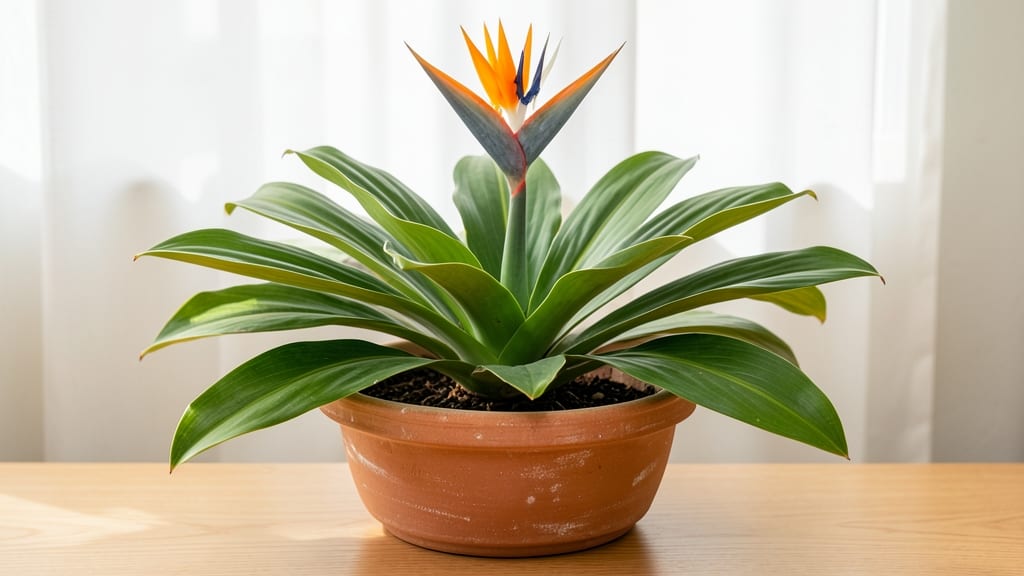
The bird of paradise flower plant (Strelitzia reginae) brings bold tropical drama to Pacific Northwest gardens—despite our famously damp winters. ✨ I’ve grown mine for five years through gray-sky summers and rainy winters, and it’s never skipped a beat.
The secret? Mimicking its native South African habitat with the right balance of light, soil, and shelter.
This striking plant thrives in bright, indirect light—think near a south-facing window or under a high canopy—while tolerating partial shade. Your soil mix should drain like a sandy loam, and a well-draining container works just as well as in-ground planting.
The key is avoiding soggy roots, which is where many PNW gardeners go wrong.
You’ll reward yourself with those iconic orange-and-blue blooms (and lush, banana-like foliage) by keeping the soil slightly moist but never waterlogged. Fertilize lightly in spring and summer with a balanced formula, and watch it grow 3-4 feet tall with proper care.
Even in our cooler climate, it rewards patience with dramatic, show-stopping flowers.
Pruning is minimal—just remove dead leaves or spent blooms—but watch for scale insects if you notice sticky residue on the leaves. With the right setup, this tropical stunner becomes a year-round focal point, proving PNW gardens can handle bold, exotic beauty.
📚 In This Guide
- What you need
- Instructions
- Tips and common mistakes
- Wrapping up and next steps
What you need
- ● Bird of Paradise Plant: 1 nursery-grown Strelitzia reginae (mature plant, 3–5 feet tall, for faster blooms) OR
- ● Seeds (2–5) for a DIY grow-from-scratch project (requires patience—blooms in 3–5 years!).
- ● Growing Medium: Well-draining potting mix (50% peat moss or coconut coir + 50% perlite/sand) OR
- ● Garden soil amended with compost (for in-ground planting).
- ● Container (if potted): 1 large pot (18–24" diameter) with drainage holes (terracotta or fabric grow bags preferred).
- ● Tools: Trowel or shovel (for transplanting)
- ● Garden gloves (to protect from thorns!)
- ● Pruners (for trimming dead leaves or stems)
- ● Fertilizer: Slow-release balanced fertilizer (10-10-10) or organic options like worm castings.
- ● Mulch: Wood chips or bark to retain moisture and regulate soil temp.
- ● Support: A stake or trellis (for young plants in windy PNW areas).
- ● Humidity tray: A pebble tray with water to boost humidity (great for indoor setups!).
- ● Grow lights: Full-spectrum LED lights (if starting seeds indoors).
Step-by-Step instructions for growing a thriving bird of paradise plant
Here's how to nurture this bold tropical stunner—even in cooler climates like the Pacific Northwest.
🪴 Step 1: Select and Prepare the Right Container
Choose a 12-18 inch diameter pot with drainage holes—bird of paradise plants despise soggy roots. I prefer terra cotta because it breathes and helps prevent rot, especially in our damp Pacific Northwest summers. Fill the bottom 2-3 inches with fast-draining gravel or perlite to create a reservoir that prevents waterlogging.
Use a well-draining potting mix (I blend 50% peat moss, 30% perlite, and 20% coarse sand for optimal aeration). The mix should feel like a damp sponge—not compacted like garden soil. Tap the pot gently to settle the mix without compacting it. This ensures roots get both air and moisture without suffocating.
☀️ Step 2: Position for Maximum Light Without Scorching
Bird of paradise needs bright, indirect light—think morning sun with afternoon shade. In the Pacific Northwest, a south- or west-facing window works well, but avoid harsh afternoon sun that can scorch the leaves. If indoors, rotate the pot quarter-turn weekly so growth stays even and the plant doesn’t lean toward the light.
Outdoors, place it where it gets at least 6 hours of filtered light daily. Watch for yellowing leaves—this signals too much direct sun, while dark green but leggy growth means it needs more light. Adjust placement gradually to avoid shocking the plant with sudden light changes.
💧 Step 3: Water Deeply but Infrequently
Water when the top 2-3 inches of soil feel dry to the touch. Stick your finger in—if it’s damp past your first knuckle, wait another day. Overwatering is the #1 killer of bird of paradise, so never let it sit in saucers of water. I water deeply until it drains from the bottom, then empty the saucer immediately to prevent root rot.
In our rainy Pacific Northwest climate, reduce watering in winter when growth slows. The plant stores water in its thick stems, so it’s better to underwater slightly than drown it. Yellowing leaf tips? That’s often a sign of fluoride buildup from tap water—let water sit out overnight before using or use distilled water.
✂️ Step 4: Prune and Fertilize for Lush Growth
Prune in early spring by cutting back 1/3 of the oldest, tallest stems to encourage new growth. Use clean, sharp pruners and cut just above a leaf node. Remove any yellow or brown leaves immediately—they sap energy and attract pests. I also trim any flower stalks after they fade to redirect the plant’s energy into foliage.
Feed every 4-6 weeks in spring and summer with a balanced, water-soluble fertilizer (I use 20-20-20 diluted to half-strength). Skip fertilizing in fall and winter when growth naturally slows. Over-fertilizing leads to salt buildup, which shows as white crust on soil—flush the soil with water if you see this.
🌱 Step 5: Encourage Blooms with Proper Care
Bird of paradise blooms best when stressed just enough—this means bright light, slightly dry soil, and cooler nights. In the Pacific Northwest, move it outdoors in late spring (after last frost) for 6-8 weeks of warm days and cool nights—this mimics its native South African climate and triggers flowering.
Watch for flower buds forming—they look like small green cones. Once buds appear, reduce water slightly and avoid moving the plant. Keep it in a stable environment (no drafts or temperature swings). In cooler climates, blooms may be fewer, but with patience, you’ll see those iconic orange and blue flowers after 2-3 years of growth.
Tips & tricks for perfect bird of paradise flower plant care
These pro tips will help you coax vibrant blooms from your bird of paradise—even in our challenging Pacific Northwest climate.
Container Selection: For Step 1, don't overlook the importance of that 2-3 inch gravel layer at the bottom. This creates a crucial air gap that prevents root rot in our damp summers. I've found that adding a layer of orchid bark above the gravel gives even better drainage. Also, consider using a pot that's 2-3 inches larger in diameter than your plant's root ball—this gives room for growth without overwhelming the plant.
Light Strategy: In Step 2, when positioning your plant, remember that morning sun is your friend while afternoon sun is the enemy. For indoor plants, a south-facing window with sheer curtains works beautifully—it filters harsh rays while still providing bright light. If you notice leaves curling or developing brown spots, you're getting too much direct sun. Rotate the pot quarter-turn weekly to prevent lopsided growth, which I've seen happen when plants lean toward the light source.
Watering Wisdom: The top 2-3 inches dry rule in Step 3 is golden, but here's what I've learned: use your finger to check moisture at multiple points in the pot, not just one spot. Bird of paradise plants store water in their thick stems, so they can handle brief dry spells better than most tropicals. In winter, I reduce watering to every 3-4 weeks—the plant's growth slows dramatically, and overwatering becomes a real risk in our cooler, wetter months.
Bloom Trigger: For that magical 6-8 week outdoor period in Step 5, time it perfectly by moving your plant out after your last frost date (typically late May in most of the PNW). The key is those warm days and cool nights—this temperature contrast mimics the plant's native South African climate and signals it's time to bloom. I've found that plants moved outdoors too early (before consistent warm weather) often get stressed and produce fewer flowers.
Pro Tips for Bird Of Paradise Flower Plant
- These pro tips will help you coax vibrant blooms from your bird of paradise—even in our challenging Pacific Northwest climate.
- Container Selection: For Step 1, don't overlook the importance of that 2-3 inch gravel layer at the bottom.
- Light Strategy: In Step 2, when positioning your plant, remember that morning sun is your friend while afternoon sun is the enemy.
Frequently asked questions
Got questions about growing your bird of paradise flower plant? You’re not alone! Here are answers to the most common concerns, from care tips to troubleshooting—so you can keep your tropical beauty thriving in the Pacific Northwest.
Is the bird of paradise flower plant toxic to pets?
The Strelitzia nicolai (giant bird of paradise) and Strelitzia reginae (common bird of paradise) contain saponins, which can cause mild stomach upset if ingested by pets. Keep them out of reach of curious cats and dogs—especially if your furry friend loves to nibble on leaves!
Can bird of paradise survive winter in the Pacific Northwest?
While these plants are tropical, they’re hardy to USDA Zone 9b (25–30°F). In cooler PNW zones (like Seattle or Portland), grow them in containers and move them indoors or under cover when temps drop below 30°F. A sunny garage or basement works well!
Why aren’t my bird of paradise flowers blooming?
Patience is key—these plants can take 3–5 years to bloom! Ensure they get bright, indirect light (like a south-facing window) and well-draining soil. Overwatering or lack of nutrients (try a balanced fertilizer in spring) can also delay blooms.
What’s a good alternative if I can’t grow bird of paradise?
If your space is too shady or cold, try these PNW-friendly tropical lookalikes:
- Canna lilies – Bold foliage, thrives in partial shade.
- Banana plants – Fast-growing, loves humidity.
- Calathea – Stunning patterned leaves, great for indoors.
How do I get rid of pests like spider mites on my bird of paradise?
Spider mites love dry conditions—increase humidity (mist leaves or use a pebble tray) and wipe leaves with neem oil or insecticidal soap. For severe infestations, isolate the plant and treat with horticultural oil. Keep your plant hydrated to deter future pests!
Wrapping up and next steps
The bird of paradise flower plant brings a burst of tropical drama to Pacific Northwest gardens, proving that bold beauty thrives even in cooler climates! With the right care—like bright light, well-draining soil, and occasional humidity—you’ll enjoy its stunning blooms for years.
Don’t let its exotic allure intimidate you; this plant rewards patience with vibrant, show-stopping flowers.
Ready to level up your garden? 🌿 Start by picking your favorite variety, then gather your supplies and dive in—your future blooms will thank you! Check out our step-by-step planting guide to get growing today.