
Vegetables
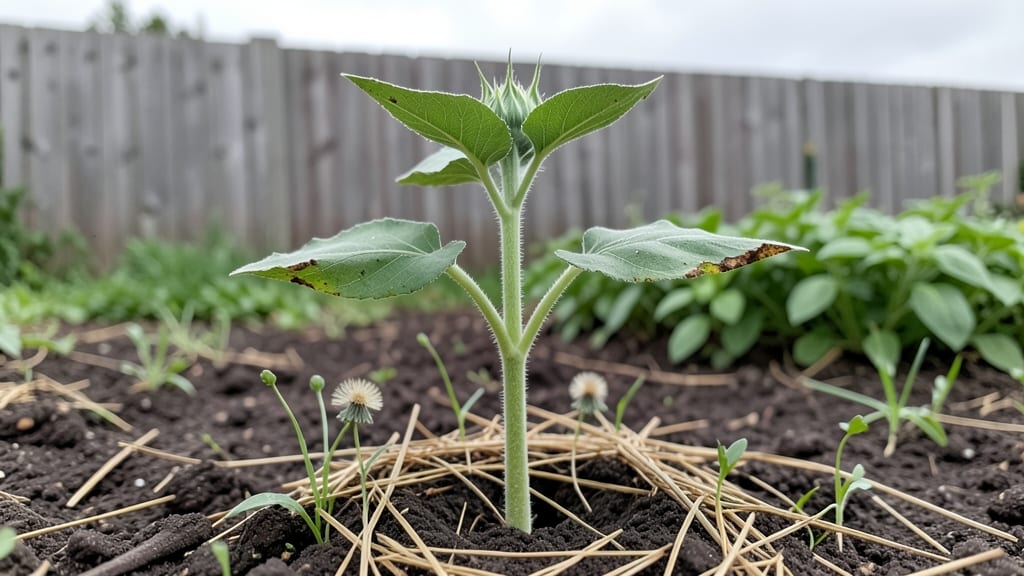
Sunflower sprouts with their first true leaves in just 7 days—that’s the kind of speed I get with the right setup. 🌱 The secret isn’t fancy equipment but controlling light, warmth, and moisture from day one.
My first batch took 10 days because I overwatered, but now I’ve got a foolproof method that works even on a sunny windowsill.
You’ll need paper towels, a spray bottle, and a clear container—no soil required. Keep the sprouts in bright, indirect light (south-facing windows work best) and mist them twice daily.
By day 5, you’ll see those first cotyledons unfurl, and by day 7, the true leaves will emerge—dark green and sturdy. The key is consistency: too much water drowns them, too little stunts growth.
📚 In This Guide
- What you need
- Instructions
- Tips and common mistakes
- Wrapping up and next steps
What you need
- ● Sunflower seeds – Choose untreated, organic, and non-GMO (1/4 cup, ~20-30 seeds). Look for varieties like Russian Mammoth or Sunflower ‘Russian Giant’ for best results.
- ● Growing tray or shallow container – A 10x15-inch plastic, ceramic, or wooden tray with drainage holes (or a repurposed baking sheet with a towel underneath).
- ● Paper towels or sprouting lid – 2-3 thick, unbleached paper towels (or a sprouting mesh lid if using a jar method).
- ● Spray bottle with water – A 16-ounce misting bottle (avoid soaking—sunflower sprouts need gentle hydration).
- ○ Fine-mesh colander or sprouting screen – For rinsing (optional but helpful to prevent mold).
- ● Grow light or sunny windowsill – A LED grow bulb (12-15 hours/day) or a south-facing window (6+ hours of sunlight).
- ○ Small fan (optional) – A low-speed fan for airflow (prevents mold; place on low setting).
- ● Humidity dome or plastic wrap – Keeps moisture in during germination (remove after Day 3).
- ● Food-safe storage container – For harvesting (e.g., glass jar with lid or airtight container).
Step-by-step instructions for growing sunflower sprout leaves indoors
Here’s how to coax sunflower leaves in record time—no greenhouse needed.
🌱 Step 1: Soak and Prepare Sunflower Seeds
Start with 4 sunflower seeds (preferably black oil or Russian mammoth varieties—they sprout fastest). Place them in a small bowl and cover with lukewarm water for 12 hours. The seeds will plump and soften, signaling they’re ready to break dormancy. Drain and rinse them thoroughly afterward—this prevents mold and ensures clean sprouts.
I like to use a fine-mesh sprouting lid (or a clean kitchen towel) to hold the seeds while draining. Pat them dry gently with a paper towel—moist but not dripping is key. This step is non-negotiable; soggy seeds won’t germinate properly and may rot before sprouting.
💧 Step 2: Set Up a Germination Station
Line a shallow tray (like a lasagna pan) with a clean kitchen towel or paper towels—fold it so it’s about 2 inches deep when moistened. Arrange the soaked seeds in a single layer, spaced ½ inch apart. Cover them with another damp towel, ensuring they’re not touching each other (crowding slows growth). Keep the setup in a warm, dark place (like a cabinet or under the sink) where temperatures stay between 70-75°F.
Check the towels every 8 hours—they should stay damp but not wet. If they dry out, mist lightly with room-temperature water. You’ll see tiny white roots (radicles) emerge within 24-48 hours. This is your cue to move them to light—but not yet. Wait until the roots reach ½ inch long before exposing them to sunlight.
☀️ Step 3: Transition to Light for Leaf Growth
Once the roots hit ½ inch, unfold the towels and place the sprouts on a clean, damp paper towel in a shallow dish. Position them under bright, indirect light (a south-facing window or grow light set 6 inches above). Sunflowers need 12-14 hours of light daily to prevent leggy growth—those stretched, pale stems mean your light source is too weak.
Mist the sprouts twice daily with room-temperature water, ensuring the paper towel stays moist but not soggy. Within 3-4 days, you’ll see first true leaves (small, rounded cotyledons) unfurl. These are edible, but the second set of leaves (larger, jagged) will be your harvest target in just 7 days total. Here’s the thing—don’t overwater now. Overly wet conditions invite mold, and sunflower sprouts rot faster than they grow.
✂️ Step 4: Harvest at Peak Freshness
Harvest when the second set of leaves reaches 1-2 inches long—this is the sweet spot for flavor and texture. Use clean, sharp scissors to snip just above the base, leaving the roots intact if you plan to regrow. For a continuous harvest, rinse the tray, replace the paper towel, and return the sprouts to light. They’ll regenerate new leaves in 5-7 days with proper care.
Store harvested leaves in an airtight container with a damp paper towel in the fridge for up to 5 days. For longer storage, blanch and freeze them—this preserves their vibrant color and crisp texture. Real talk: the first harvest is the most exciting, but the regrowth cycle is where sunflower sprouts shine. You’ll have a steady supply without replanting.
Tips & tricks for perfect sunflower sprout leaves
Here's what nobody tells you about growing sunflower sprouts that actually works—no guesswork involved.
Seed Selection Matters: Black oil or Russian mammoth sunflower seeds are your best bet for speed and vigor. I've tried other varieties, and they either take too long or produce smaller leaves. The key is choosing seeds that are plump and free of cracks—they'll sprout faster and more reliably. Once you've got your seeds, don't skip the 12-hour soak in lukewarm water. This hydration step is what breaks their dormancy and kickstarts growth.
Temperature Control: Maintaining that 70-75°F range during germination is crucial. If your kitchen runs cooler, consider placing your setup near a warm spot like the top of the fridge or near a sunny window during the day. I've found that even a 5°F drop can slow germination by half. Once you see those radicles (white roots) at the 24-48 hour mark, resist the urge to move them to light too soon—wait for those roots to reach ½ inch before introducing sunlight.
Lighting Strategy: Those 12-14 hours of light are non-negotiable for preventing leggy sprouts. If your natural light isn't sufficient, invest in a simple LED grow light—it doesn't need to be expensive, just bright enough to keep stems sturdy. Position it 6 inches above your sprouts and adjust as they grow. I've seen sprouts stretch to 3 inches tall when light is insufficient, completely ruining the harvest potential.
Harvest Timing: The sweet spot is when those second set of leaves reach 1-2 inches long—this is typically around day 7. Harvesting too early gives you smaller leaves, while waiting too long makes them tough. For continuous harvests, I've found that replacing the paper towel and returning the roots to light after each cut extends the growing cycle beautifully. Just be gentle with those scissors—you want to avoid damaging the growing point at the base.
Pro Tips for Sunflower Sprout Leaves
- Here's what nobody tells you about growing sunflower sprouts that actually works—no guesswork involved.
- Seed Selection Matters: Black oil or Russian mammoth sunflower seeds are your best bet for speed and vigor.
- Temperature Control: Maintaining that 70-75°F range during germination is crucial.
Frequently asked questions
Got questions about growing sunflower sprout leaves? You’re not alone! Here are answers to the most common queries to help you grow like a pro—even if you’re a beginner.
How long do sunflower sprout leaves take to grow?
Sunflower sprout leaves can be ready in just 5–7 days with proper care! Start with soaked seeds, and you’ll see tiny leaves emerge within 3–4 days. For full harvest, aim for 7–10 days—perfect for a quick, nutrient-packed snack.
Do sunflower sprout leaves need sunlight?
While sunflowers love sunlight, sprout leaves thrive in indirect light or even under grow lights. Place them near a bright window (but avoid direct sun, which can dry them out). For fastest growth, use a grow light 12 inches above for 12–14 hours daily.
Can I eat sunflower sprout leaves raw?
These leaves are crunchy, mild, and packed with nutrients like vitamin E and magnesium. Rinse them well before eating raw—add to salads, sandwiches, or blend into smoothies. For a softer texture, lightly steam for 1–2 minutes.
Why are my sunflower sprout leaves turning yellow or moldy?
Yellowing leaves often mean overwatering or poor drainage. Ensure your sprouting jar has airflow (use a mesh lid) and drain excess water daily. Mold? Discard immediately—it’s unsafe to eat. Prevent it by rinsing seeds 2x/day and keeping the jar dry between rinses.
What can I substitute if I don’t have sunflower seeds?
Try these fast-growing sprout alternatives:
- Radish sprouts (ready in 4–5 days, peppery flavor)
- Broccoli sprouts (5–7 days, mild and versatile)
- Alfalfa sprouts (6–8 days, sweet and crunchy)
Wrapping up and next steps
Growing sunflower sprout leaves indoors is a rewarding and quick way to enjoy fresh, nutrient-packed greens in just 7 days! 🌱 With minimal effort, you can transform simple supplies into a thriving microgreen harvest—perfect for salads, garnishes, or even smoothies.
Whether you're a beginner or a seasoned gardener, this method proves that fast, flavorful food is always within reach.
Ready to take the next step? Start your batch today and experiment with flavors—try adding them to sandwiches, soups, or even as a crunchy snack! Share your harvest with friends or explore other microgreens to expand your indoor garden. Happy growing! 🌟